
What Payload Capacity Can You Expect from a Shacman 6x4 Truck?
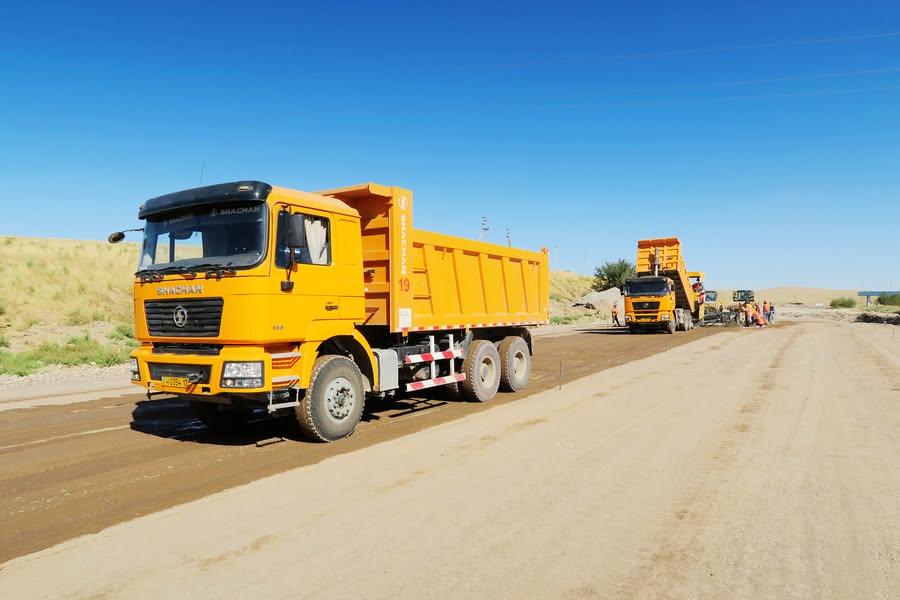
If you are evaluating heavy-duty vehicles for freight operations, understanding Shacman truck payload capacity for 6x4 model is essential. Payload capacity affects transport efficiency, operating costs, and compliance with road regulations, making it a key factor for fleet managers and logistics buyers. In this article, we explore what payload range you can expect from a Shacman 6x4 truck and the main factors that influence its real-world carrying performance.
The short answer: there is no single payload number
One of the most common mistakes in truck sourcing is asking for payload capacity as if it were a fixed factory figure. With a Shacman 6x4 truck, the realistic answer depends on configuration, body type, axle ratings, curb weight, tire setup, and the legal gross vehicle weight limits in the country where the truck will run.
In practical terms, a Shacman 6x4 is usually positioned for medium-to-heavy haulage, construction transport, mining support, regional bulk cargo, and in some markets long-distance freight with specialized bodies. The payload you can expect may look very different between a dump truck carrying sand, a cargo truck with high sidewalls, and a tractor head pulling a semi-trailer, because operators often use the word “payload” loosely across these categories.
So before comparing numbers, the first question should be: are you evaluating a rigid 6x4 cargo truck, a 6x4 dump truck, or a 6x4 tractor unit? For a tractor, carrying capacity is not judged the same way as a rigid truck, because the load sits largely on the trailer and the legal combination weight becomes the main limit.
What a Shacman 6x4 payload typically depends on
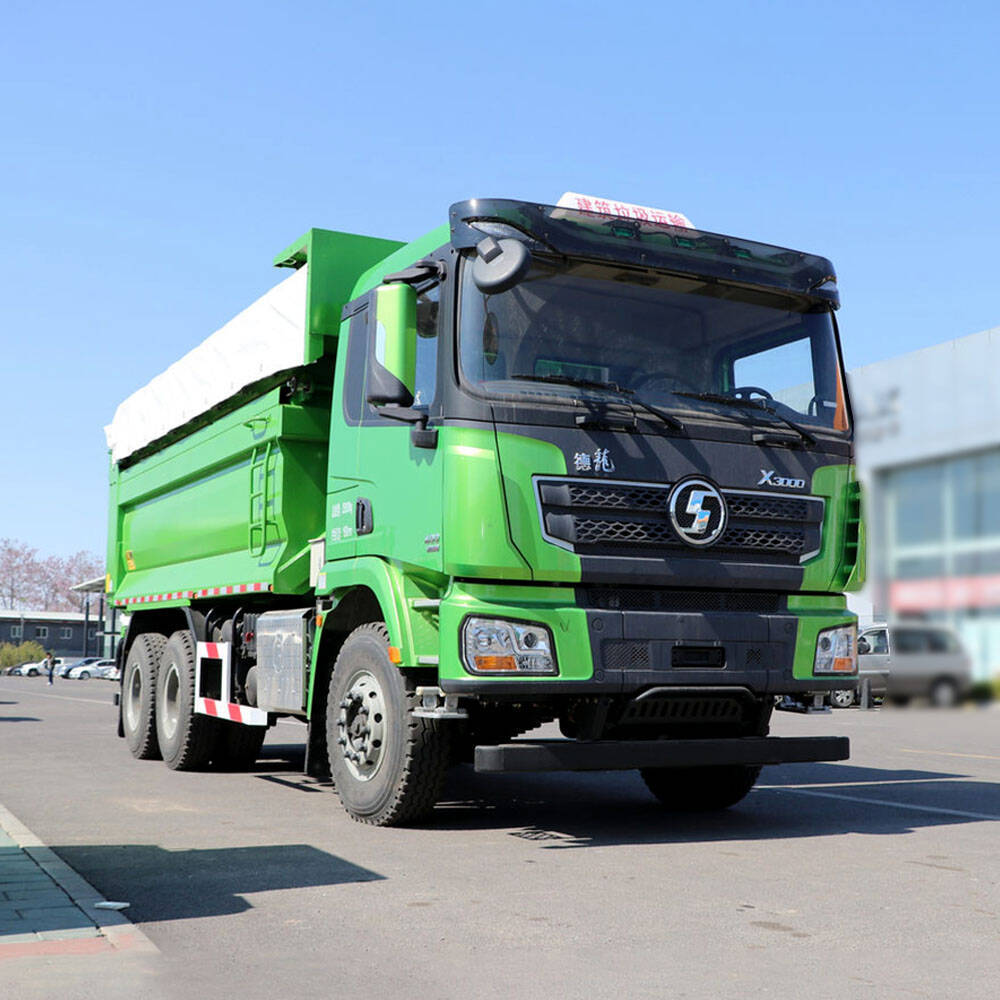
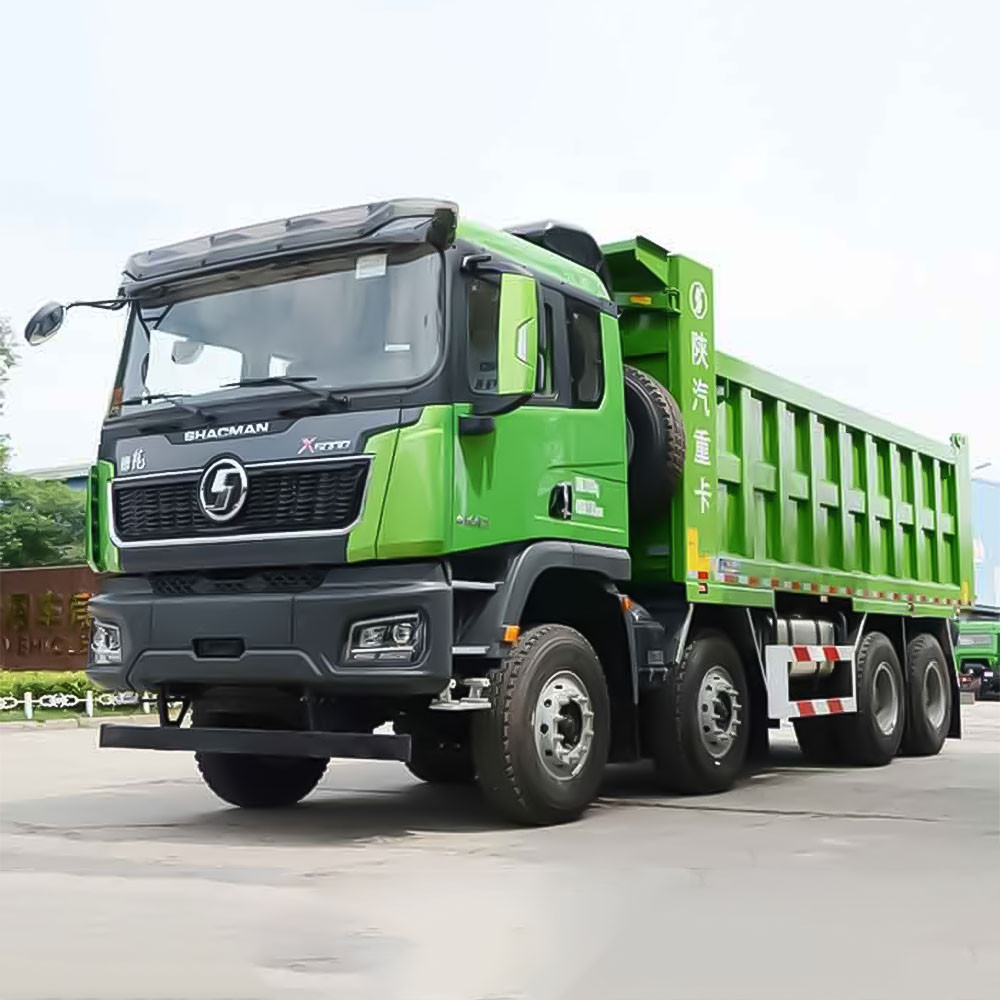
A Shacman 6x4 generally has three axles, with one front steering axle and two rear drive axles. That layout is widely used because it balances traction, durability, and carrying ability better than a 4x2 when roads are rough or loads are dense. But the drivetrain layout alone does not tell you payload. The actual figure comes from the gap between the truck’s permitted gross vehicle weight and its curb weight in working trim.
Working trim matters more than many buyers expect. A truck with a heavier steel dump body, reinforced suspension, larger fuel tanks, additional cooling hardware, or off-road tires can lose a noticeable amount of available payload before a single kilogram of cargo is loaded. On paper, two Shacman 6x4 units may look similar; in operation, one may legally carry less simply because it is built tougher.
This is where experienced fleet buyers usually slow down and ask for the chassis weight, axle loads, and body-builder assumptions rather than only engine horsepower and cabin features.
The basic formula is simple
Payload capacity = legal gross vehicle weight minus actual curb weight.
What complicates the calculation is that both sides of that formula can vary. The gross weight may be capped by national regulation, permit rules, axle spacing requirements, bridge laws, or even customer site restrictions. The curb weight changes with body style and optional equipment. That is why published figures should always be treated as a starting point, not the final answer.
A realistic payload range for many rigid Shacman 6x4 trucks
Without inventing a universal spec sheet, it is fair to say that many rigid 6x4 heavy trucks in this class are commonly configured to carry substantial payloads in the medium-to-high tens of tons, subject to legal limits and body weight. In some markets, buyers may see nominal design expectations around 20 to 30 tons for certain applications, but that should never be treated as a guaranteed legal payload across all configurations.
For example, a tipper used in quarry or construction work may be engineered for heavy material like stone, ore, or wet soil, but legal road payload could still be lower than what the truck can physically move inside a private worksite. That difference between engineering capacity and legal operating capacity is where costly misunderstandings happen.
If someone offers you a very attractive headline number for Shacman truck payload capacity for 6x4 model, the right follow-up is: under which axle law, with what body weight, on what tires, and for which application?
Why dump trucks, cargo trucks, and tractor heads should not be compared the same way
In transport purchasing, these categories often get mixed together, especially when distributors use one broad model family name.
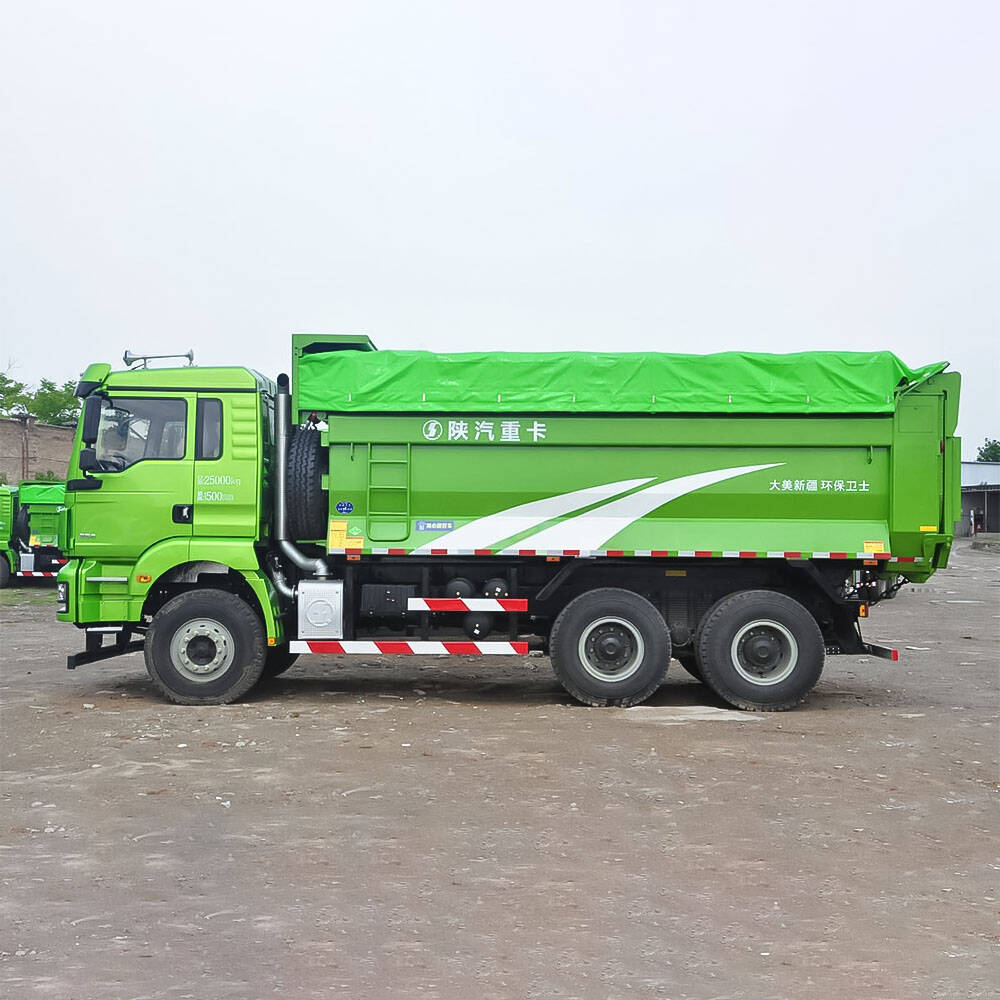
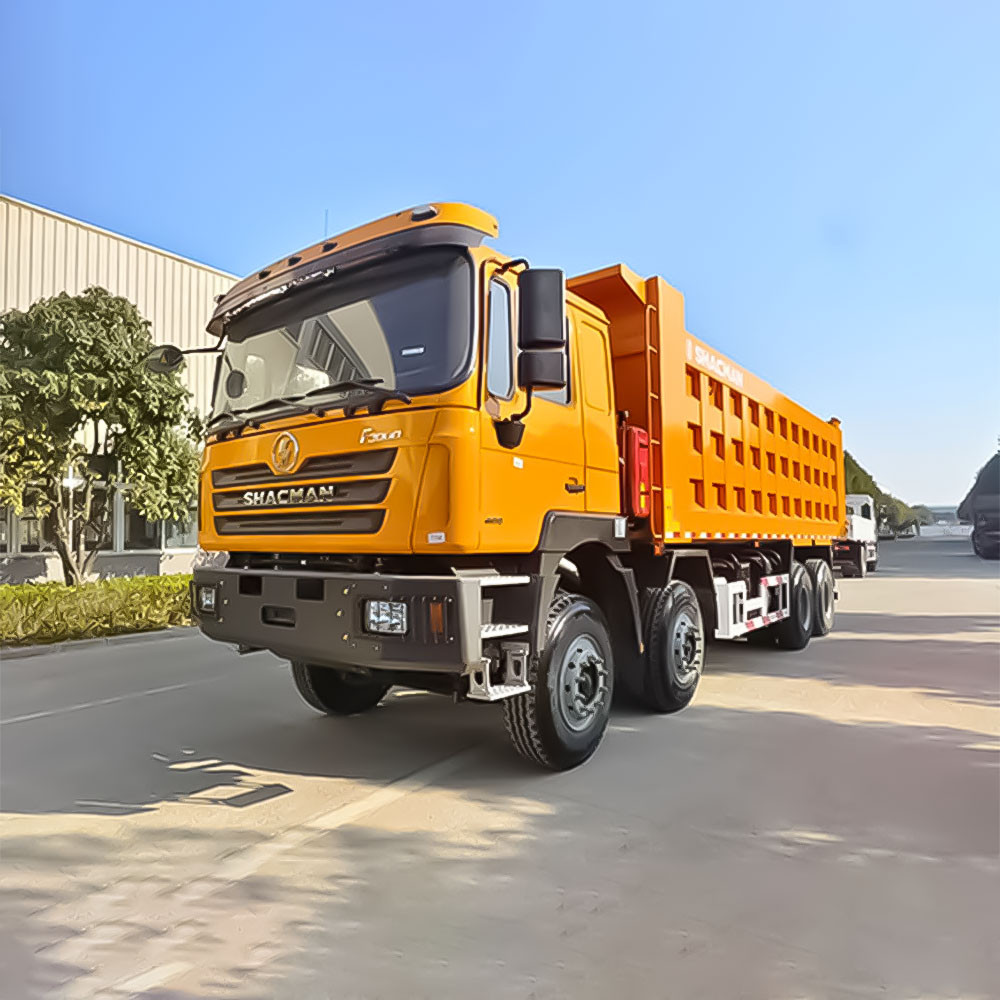
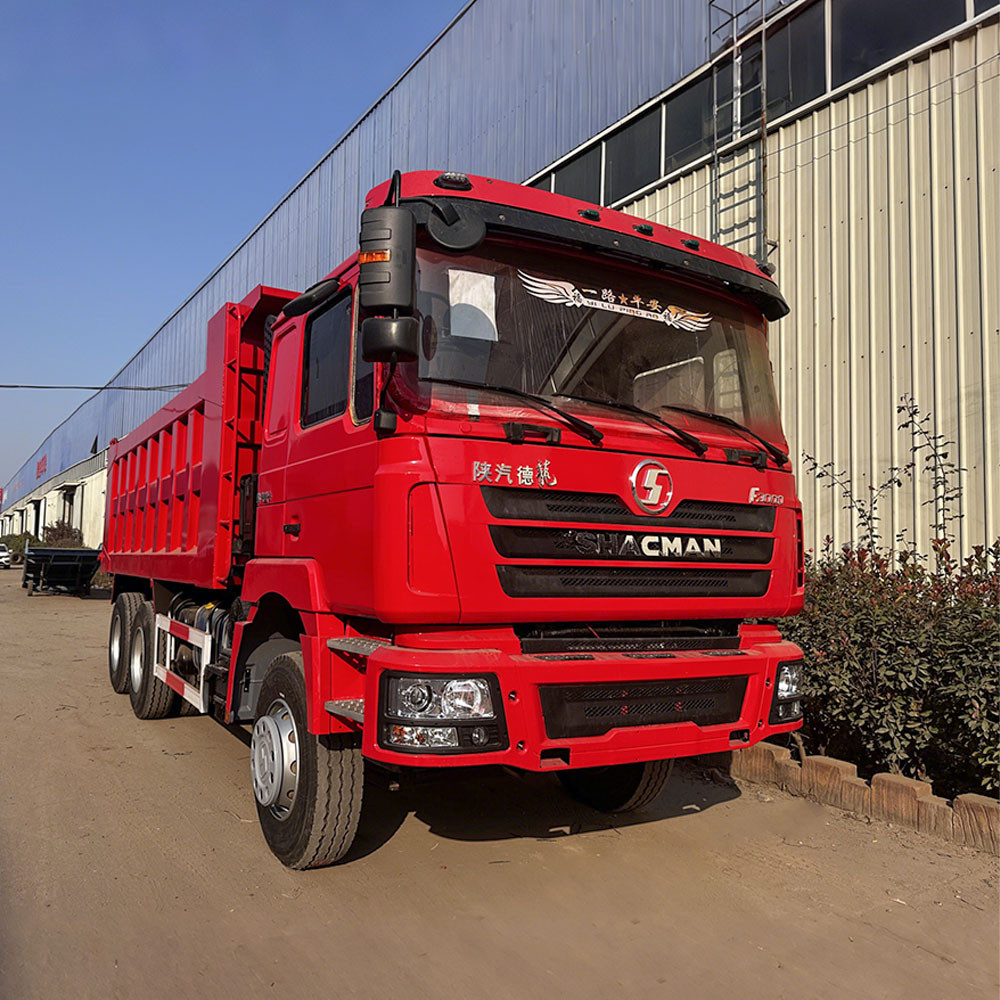
A 6x4 dump truck usually sacrifices some net payload to gain chassis strength, lifting gear, body reinforcement, and rear suspension durability. That trade-off makes sense for abrasive material and repeated loading cycles. If your work is aggregates, overburden, or short-haul site transport, that heavier build is usually worth it.
A 6x4 cargo truck with a flatbed or stake body may deliver better payload efficiency for palletized goods, bagged materials, or agricultural transport because the body itself is lighter. In these jobs, every extra kilogram saved on the body can become useful cargo.
A 6x4 tractor unit is different again. Buyers sometimes ask how much payload the tractor can carry, but in articulated transport the more relevant figure is the gross combination weight rating and the kingpin load distribution. If your main business is long-haul freight with semi-trailers, evaluating the tractor as if it were a rigid payload truck can lead to the wrong purchase decision.
What reduces real-world payload, even when the spec sheet looks strong
There are several reasons operators fail to achieve the carrying capacity they expected.
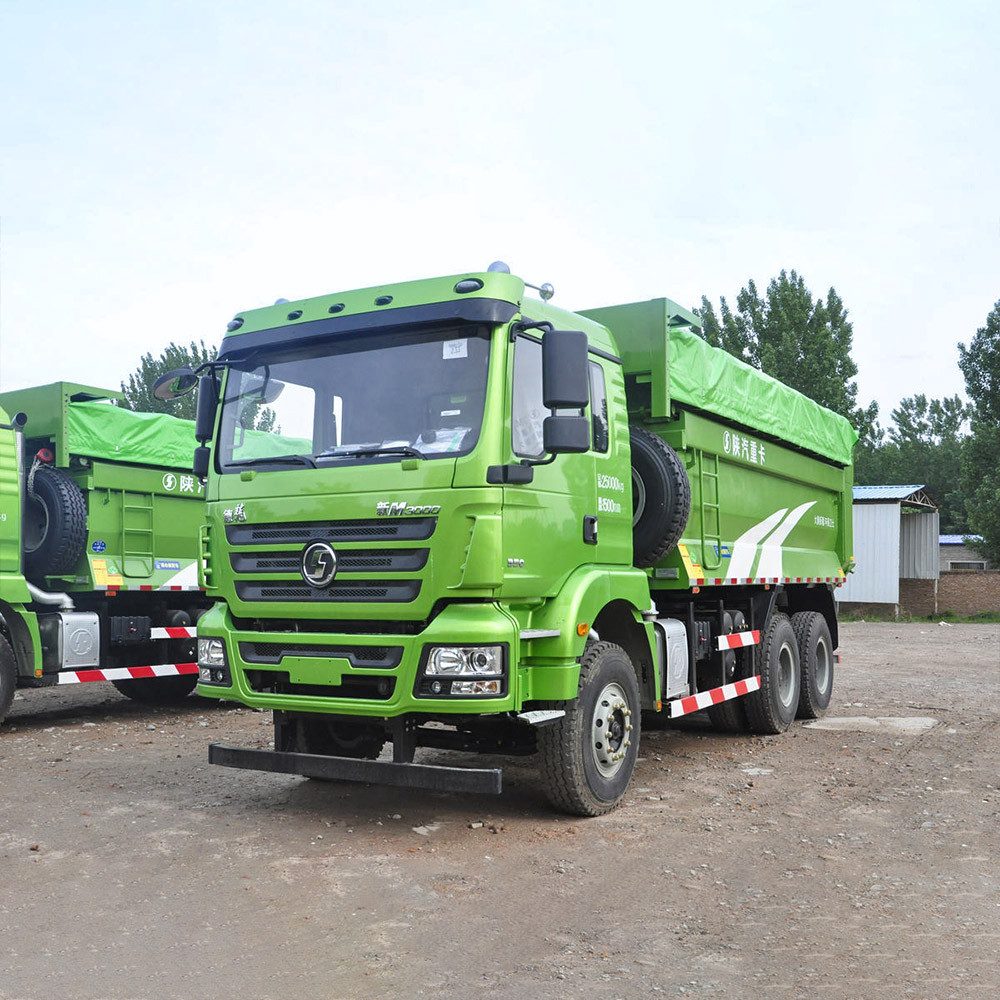
The first is body weight. A steel body built for rocks and demolition debris is far heavier than a body intended for grain or packaged freight. If the truck is ordered with “heavy-duty everything,” payload usually drops.
The second is fuel and operating equipment. Full tanks, spare wheels, hydraulic systems, toolboxes, tarping systems, and protective accessories all count toward curb weight. None of them sound dramatic on their own, but together they can materially change payload.
The third is route condition. Trucks selected for rough roads often need reinforced frames, stronger suspension packs, and more durable tires. Again, better durability often means more tare weight.
Then there is load density. A truck carrying low-density agricultural products may fill its body volume before reaching weight limits. A truck carrying crushed stone may hit axle limits long before the body is full. In other words, “can this truck take 25 tons?” is less useful than “what exactly are you loading, and how dense is it?”
The legal side matters as much as the truck itself
This is the part many buyers underestimate when sourcing imported heavy trucks. Even if a Shacman 6x4 is structurally capable of handling a certain load, local law may not allow that weight on public roads. Axle load limits vary by country, and sometimes by road category. Some regions also enforce dimension restrictions, seasonal weight rules, or permit requirements for specific cargo types.
That means a truck that performs well in one export market may need a different axle ratio, suspension setup, or body configuration in another. Experienced procurement teams usually check the truck against their own compliance framework before discussing price, because a cheaper unit that cannot legally carry target loads is not really cheaper.
It is also worth checking weighbridge practice. In some markets, enforcement is strict and routine. In others, operators have historically tolerated overloading, but that comes with obvious costs: faster tire wear, brake stress, frame fatigue, higher fuel use, and a greater chance of roadside penalties or downtime.
How to assess a Shacman 6x4 for your operation
If the goal is to estimate usable carrying capacity rather than just compare brochures, a few questions will get you much closer to the truth.
- What is the exact truck type: rigid cargo, tipper, mixer, or tractor?
- What is the actual curb weight with the intended body and options installed?
- What are the front and rear axle ratings?
- What gross vehicle weight is legally permitted in the target market?
- What cargo density and loading method are expected?
- Will the truck run mainly on highways, mixed roads, or rough construction routes?
These questions sound basic, but they usually separate a useful payload estimate from a sales claim.
A simple buying reality check
If your business earns money by moving dense material, prioritize legal axle loading and tare weight. If you earn money by surviving poor roads with fewer breakdowns, a heavier but stronger configuration may be the better choice even if nominal payload is lower. This is where experienced operators stop chasing the highest advertised number and start looking at revenue per trip, maintenance exposure, and compliance risk.
Common misunderstandings around payload claims
One misunderstanding is treating “maximum capacity” as a legal road payload. Manufacturers and body builders may describe structural capability, but the operator still has to follow local weight law.
Another is comparing different truck brands or models without normalizing the body type. A lighter cargo body will almost always make the truck look better on payload than a reinforced tipper body, but that does not mean it is the right vehicle for abrasive or off-road work.
There is also confusion between payload and total gross weight. Buyers sometimes hear a gross vehicle figure and assume it means usable cargo weight. It does not. The truck’s own weight, fluids, equipment, and body must all be deducted.
So, what should you expect from a Shacman 6x4?
You should expect a platform designed for serious load work, with carrying potential that is typically well suited to construction haulage, bulk transport, and other demanding freight tasks. You should also expect the final payload number to depend heavily on specification details, not just on the badge or axle formula.
For many buyers, the better question is not “What is the payload of a Shacman 6x4?” but “What payload can this exact Shacman 6x4 deliver legally and profitably in my routes, with my body, and with my cargo?” That version of the question usually leads to a much better truck selection.
Before placing an order, ask for the detailed chassis specification, expected curb weight, axle ratings, and body-builder assumptions, then check them against your local operating limits. That extra step is where the real answer to Shacman truck payload capacity for 6x4 model usually comes from.
Please give us a message
Our engineers help you choose the right truck or trailer based on:
- Your cargo type
- Road condition
- Payload requirement
- Local regulations