
How Often Should Heavy-Duty Truck Spare Parts Be Replaced?
How Often Should Heavy-Duty Truck Spare Parts Be Replaced?
How often do heavy-duty truck spare parts need replacement? There is no responsible one-number answer. A truck running long, steady highway routes in mild weather will age its components differently from a vocational vehicle working in stop-start traffic, construction access roads, steep grades, dust, or extreme temperatures. Mileage matters, but it is only one part of the maintenance picture.
For fleet operators, the better question is not simply “When does this part expire?” It is “What condition is this component in, what failure risk does it create, and can it be planned before it causes roadside downtime?” Brake parts, filters, belts, suspension components, wheel-end parts, and drivetrain assemblies all respond to different forms of wear. Replacing them at the correct time protects drivers, avoids secondary damage, and makes maintenance budgets less unpredictable.
The truck manufacturer’s maintenance schedule remains the starting point. Yet a schedule should be treated as a baseline, not a substitute for inspection. Fleet maintenance teams often need to shorten or adjust replacement intervals when duty cycle, load profile, climate, idle time, or contamination exposure differs from the conditions assumed in the manual.
Replacement Is Driven by Duty Cycle, Not Mileage Alone
Two trucks can show the same odometer reading and require very different levels of attention. One may have accumulated most of its mileage at stable cruising speed with moderate payloads. The other may have spent long hours braking, turning, idling, climbing, or operating on rough surfaces. In the second case, mileage can understate the actual stress placed on many spare parts.
A practical maintenance plan should consider the following operating factors:
- Average payload, axle loading, and frequency of overload events;
- Route type, including mountain grades, urban delivery traffic, and unpaved access roads;
- Brake application frequency and use of engine braking or retarders;
- Ambient temperature, road salt, humidity, dust, mud, and water exposure;
- Engine idle hours, which may be substantial on refrigerated, vocational, and service vehicles;
- Maintenance quality, lubrication discipline, and the specifications of replacement parts and fluids.
This is why fleets that only replace parts after a fixed mileage threshold can end up either wasting usable components or running critical items too long. Condition-based maintenance is usually more useful for high-wear and safety-related systems. It combines scheduled service with measured wear, technician inspection, fault codes, fluid analysis where appropriate, and driver reports.
Parts That Need Frequent Inspection
Brake friction materials, discs, drums, and air-system components
Brake components should never be managed by mileage alone. Pad or lining wear depends heavily on vehicle weight, terrain, traffic density, driver behavior, brake balance, and the contribution of engine braking. A truck making frequent urban stops may wear friction material far sooner than a line-haul truck operating mainly on open roads.
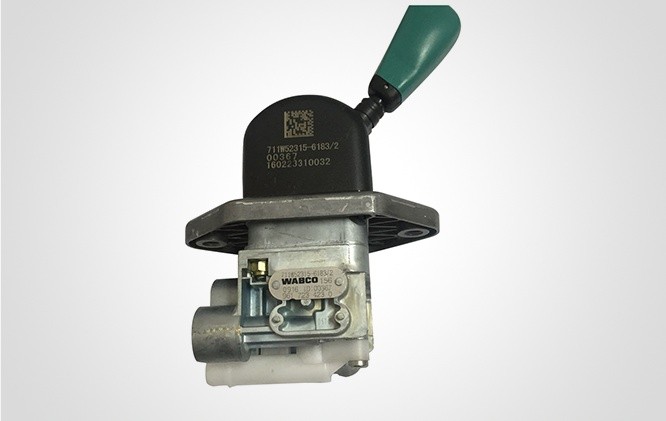
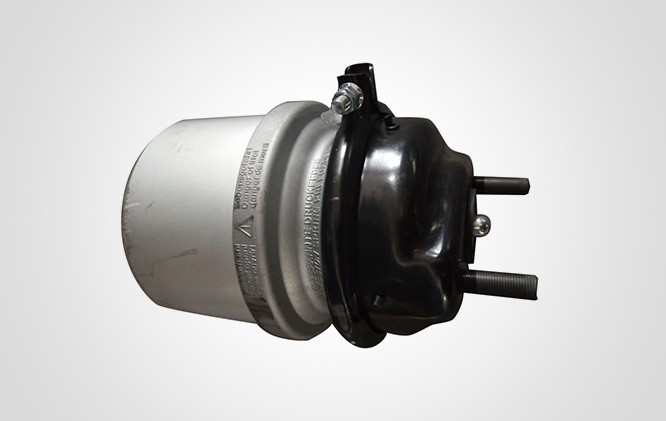
During service, technicians should check remaining friction material, uneven wear patterns, disc or drum condition, caliper movement, hoses, chambers, slack adjusters, air leaks, and signs of overheating. Pulling to one side, increased stopping distance, abnormal noise, a soft or delayed brake response, or recurring brake-temperature concerns all warrant immediate investigation. Replacing pads or linings while ignoring seized hardware, contaminated friction surfaces, or an air-system fault often leads to another repair shortly afterward.
Oil, fuel, air, and cabin filters are relatively inexpensive compared with the damage contamination can cause. Their replacement interval should follow the engine or vehicle manufacturer’s guidance, adjusted where operating conditions justify it. Dusty yards, quarry work, harvest operations, and poorly maintained fueling environments can shorten the useful life of intake and fuel filtration significantly.
An air filter should not be changed merely because it looks dirty from the outside, nor should it be left in service when restriction indicators or inspection findings show a problem. Improper handling can damage the filter seal or introduce debris into the intake path. Fuel filter issues may appear as hard starting, reduced power, rough running, or water contamination warnings, but the underlying fuel-storage and handling practices also need attention.
Lubricants and coolants are not spare parts in the usual sense, but their condition directly affects replacement decisions for expensive components. Oil contamination, coolant loss, unusual metal debris, or repeated overheating should be treated as diagnostic clues rather than routine service items. Replacing a failed turbocharger, bearing, or injector without identifying the contamination source can be an expensive cycle.
Belts, hoses, tensioners, and cooling-system parts
Belts and hoses often receive attention only when they are visibly damaged. That is too late for a vehicle operating far from its maintenance base. Rubber and elastomer materials deteriorate with heat, oil exposure, vibration, age, and climate. Look for glazing, cracking, frayed belt edges, hose swelling, abrasion marks, coolant seepage, loose clamps, and abnormal belt noise.
A belt replacement decision should also include the tensioner, idler pulley, and driven accessories. A new belt installed on a worn pulley or weak tensioner may not last as expected. Likewise, recurring coolant loss should prompt inspection of hoses, clamps, radiator condition, water pump performance, and system pressure—not simply a refill.
Suspension, Steering, and Wheel-End Wear Cannot Be Ignored
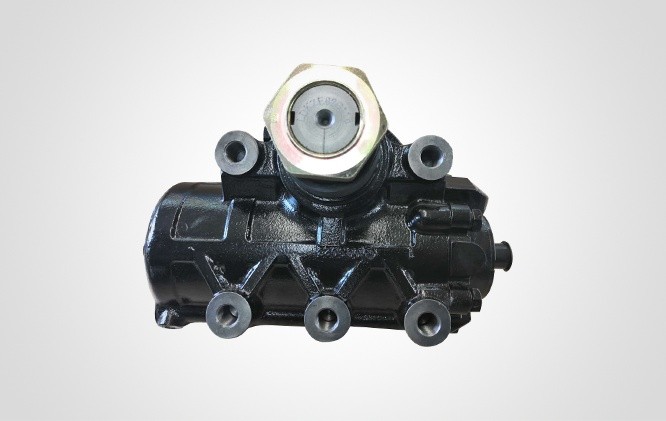
Suspension and steering parts do not always create obvious fault messages, but gradual wear can affect tire life, vehicle stability, braking performance, and driver fatigue. Bushings, shock absorbers, torque rods, leaf-spring hardware, air springs, tie-rod ends, and steering linkage should be inspected on a regular schedule and whenever a driver reports wandering, vibration, knocking, uneven ride height, or poor handling.
Uneven tire wear is especially useful as an early warning sign. It can point to alignment problems, worn suspension joints, damaged shock absorbers, wheel-bearing play, incorrect tire pressure, or a combination of issues. Replacing tires without correcting the mechanical cause simply transfers the cost to the next set.
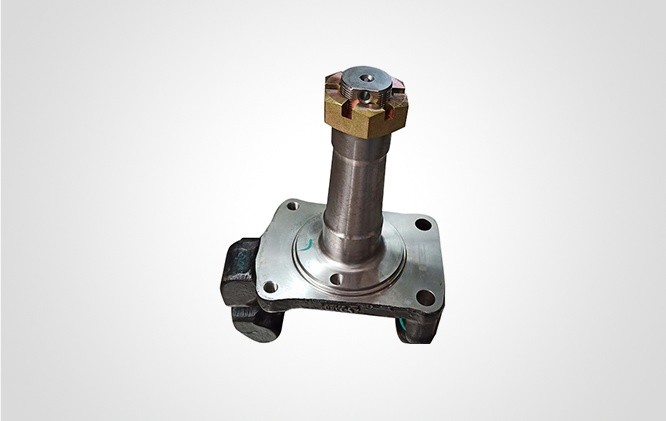
Wheel-end parts demand the same discipline. Bearing condition, hub seals, fasteners, lubrication, and brake heat exposure are closely connected. Grease leakage, hub overheating, recurring seal failures, rumbling noise, or visible movement at the wheel should be assessed promptly. A relatively small seal or bearing issue can damage hubs, brakes, and surrounding components if the truck remains in service.
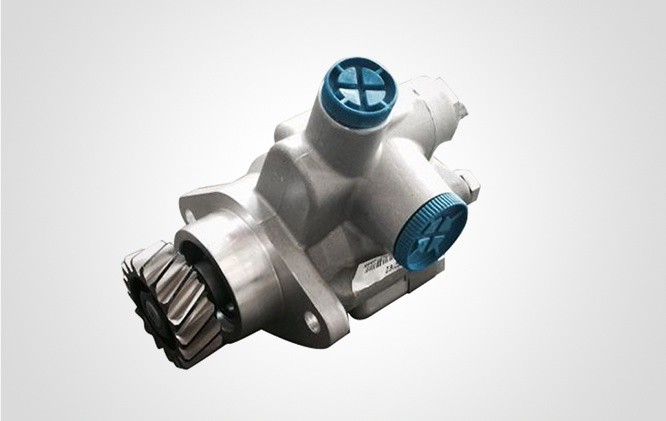
Drivetrain Parts Usually Give Warnings Before They Fail
Clutches, universal joints, driveshaft components, differential parts, and transmission-related assemblies are often replaced based on symptoms and inspection results rather than a universal interval. Their lifespan varies greatly with vehicle application, load handling, shifting habits, lubrication condition, and prior repair quality.
A clutch may show slipping under load, difficult engagement, unusual pedal feel, vibration, or a burning odor. Driveshaft and universal-joint concerns can present as clunks during takeoff, vibration at a particular road speed, or noise during deceleration. Differential or transmission trouble may appear through whining, harsh shifting, gear-selection issues, leaks, or abnormal particles found during lubricant inspection. These symptoms should be investigated early because a driveline fault can damage more than the part that first created it.
Not every noise means immediate replacement. It may indicate incorrect driveline angles, loose mounting hardware, lubrication loss, or an issue elsewhere in the powertrain. Diagnosis matters. Replacing components by guesswork can produce repeat failures and make it harder to identify the original cause.
A Useful Way to Prioritize Replacement Decisions
When budgets are tight, it is tempting to defer every non-emergency repair. That approach is risky because not all deferred work has the same consequence. A sensible parts strategy separates safety-critical faults from reliability risks and cosmetic or convenience issues.
This type of prioritization helps maintenance managers explain why some parts must be replaced before failure while others can be monitored. It also improves parts stocking decisions. Fast-moving maintenance items may need local availability, while costly assemblies can be ordered against a confirmed diagnosis and expected repair date.
Quality and Fitment Affect the Real Replacement Interval
The cheapest part is not always the lowest-cost repair. Poor material quality, incorrect dimensions, incompatible friction characteristics, weak sealing, or unreliable machining can shorten service life and create installation problems. This does not mean every truck requires only one sourcing route, but it does mean that fitment and specification must be checked carefully.
For heavy-duty truck spare parts, confirm the correct vehicle identification details, axle or engine configuration, part revision, and any relevant system specifications before ordering. Equivalent parts may be appropriate in some applications, but equivalence should be established through reliable catalog data and technical documentation rather than visual similarity. This is particularly important for brake components, filters, electrical sensors, wheel-end parts, and emissions-related systems.
Installation quality matters just as much. Incorrect torque, contaminated mating surfaces, improper lubrication, reused damaged fasteners, or failure to calibrate an electronic component can undermine a new part quickly. When repeated failures occur, review both the part and the repair process.
Build Replacement Plans Around Evidence
The most reliable answer to how often heavy-duty truck spare parts need replacement comes from combining manufacturer guidance with the fleet’s own maintenance history. Track repair orders by vehicle, component, operating route, labor time, failure mode, and installed part source. Over time, patterns become clearer: a particular application may consume brake parts faster, a route may accelerate suspension wear, or a recurring leak may trace back to installation conditions rather than component quality.
Drivers should be part of that process. They notice braking changes, steering behavior, noises, odors, vibrations, warning lights, and starting problems before a workshop inspection may reveal a clear defect. A report that seems minor can be the first sign of a preventable breakdown.
There is no advantage in replacing every part prematurely, but there is also little value in extracting the final fraction of life from a component that could leave a loaded truck stranded or compromise safe operation. Review critical systems at every appropriate service opportunity, use condition findings to refine intervals, and confirm that replacement parts match the truck, the work it performs, and the maintenance standards required for its operating environment.
Please give us a message
Our engineers help you choose the right truck or trailer based on:
- Your cargo type
- Road condition
- Payload requirement
- Local regulations