
Why Did Ugandan Buyers Choose ZW Group's Trucks and Trailers?
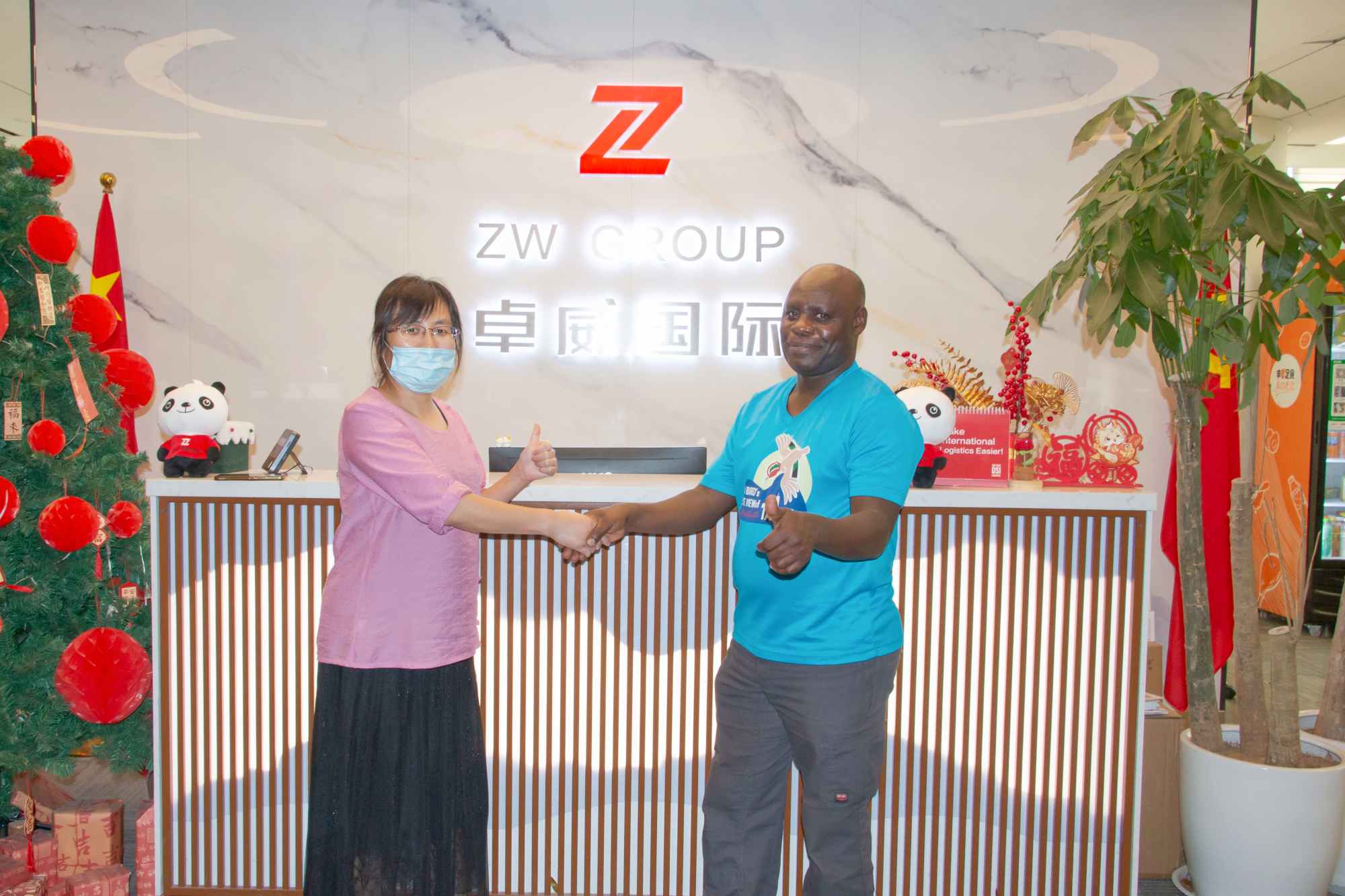
Why were ZW Group trucks and trailers gaining attention in Uganda?
Uganda’s transport industry is growing fast, but buying decisions are rarely based on price alone.
Road quality changes from route to route, cargo demands are mixed, and downtime quickly turns into lost income.
That is why Ugandan buyers looked closely at durability, operating cost, and how easily a truck fits daily logistics work.
ZW Group’s trucks and trailers stood out because they matched practical transport needs rather than offering features with little field value.
In real operations, the better question was not simply, “Is this unit cheap?”
A more useful question was, “Will this truck keep moving on mixed roads, with manageable maintenance and acceptable fuel use?”
That shift in thinking explains much of the appeal behind ZW Group trucks and trailers in the Ugandan transportation market.
Was reliability the main reason, or were buyers looking at something broader?
Reliability was a major reason, but it was only one part of the decision.
Ugandan buyers often compare the full working life of trucks and trailers, not just the first invoice.
A reliable vehicle matters because long-haul and regional transport depend on consistency.
When cargo must move between urban centers, border routes, and rural delivery points, interruptions become expensive very quickly.
ZW Group gained trust by offering equipment known for steady engine performance, solid chassis construction, and workable spare parts support.
That combination gave buyers more confidence than a low upfront price with uncertain long-term performance.
Another factor was load adaptability.
Some transport businesses need one fleet to cover container movement, agricultural goods, construction materials, and fuel or water support tasks.
Trucks and trailers that can be matched to different job profiles become easier to justify financially.
In that sense, reliability meant more than avoiding breakdowns.
It also meant dependable availability, stable carrying ability, and fewer surprises during daily transport planning.
How important were local road conditions in the buying decision?
They were extremely important.
Uganda’s road network includes highways, secondary roads, construction access routes, and uneven rural surfaces.
A truck that performs well only on smooth pavement is not always a smart transport investment here.
Buyers favored trucks and trailers with strong suspension, durable axles, and a frame design that could handle rough usage without frequent structural issues.
Ground clearance and traction also mattered, especially where seasonal rain changes road behavior.
This is where heavy-duty configurations often make more sense than lighter alternatives with lower theoretical running costs.
For example, buyers evaluating broader fleet needs may also look at support units such as the HOWO 371HP 6×4 Water Tank Truck.
Not because every operator needs one, but because it reflects the same preference for durable transport equipment built for demanding site conditions.
In practical terms, local suitability reduced repair risk.
It also helped preserve delivery schedules, which is often more valuable than chasing the absolute lowest purchase price.
A quick judgment table buyers often use
When comparing trucks and trailers, a simple checklist usually reveals why some units fit Uganda better than others.
Did cost efficiency mean lower price, or lower total transport cost?
For most buyers, cost efficiency meant lower total transport cost over time.
This distinction matters.
A cheaper truck can become more expensive if it burns more fuel, needs constant repair, or spends too many days off the road.
ZW Group trucks and trailers appealed to buyers because they offered a stronger balance between acquisition cost and operating value.
That balance is especially important in transportation, where margins are often affected by fuel, tires, maintenance, and route delays.
The better-performing choice is often the one that protects weekly fleet availability.
In many cases, buyers asked practical questions such as these:
- How often will this truck need workshop attention?
- Can it carry the expected load without excessive strain?
- Will fuel consumption remain acceptable on real routes?
- Are replacement parts available without long delays?
Those questions favor transport equipment that works steadily, not just attractively on paper.
That is one reason ZW Group became a serious option in Uganda rather than a temporary price-driven choice.
What differences did buyers notice compared with other truck and trailer options?
The most noticeable difference was fit for purpose.
Some competing options looked competitive initially, but buyers often found trade-offs in toughness, maintenance rhythm, or payload confidence.
ZW Group trucks and trailers were often viewed as more aligned with working conditions common in East African transport.
That did not mean every model was identical or ideal for every use case.
It meant the overall offering made sense for buyers who wanted a dependable commercial asset.
Another difference involved decision confidence.
When a supplier’s product range includes transport and support equipment, it becomes easier to evaluate fleet continuity.
That is why related heavy-duty units, including the HOWO 371HP 6×4 Water Tank Truck, can influence perception even outside direct cargo hauling.
They suggest a broader understanding of field conditions, site mobility, and heavy-use design standards.
In short, buyers were not just comparing trucks.
They were comparing which transport solution could better support long-term operations in Uganda.
What mistakes should be avoided when choosing trucks and trailers for Uganda?
A common mistake is buying by brochure specification alone.
On-road and off-road behavior can be very different from catalog promises.
Another mistake is underestimating route diversity.
A truck serving paved city corridors may not perform equally well on agricultural or construction-linked routes.
There is also the risk of focusing only on purchase cost while ignoring maintenance cycles and part replacement intervals.
A sound evaluation should include the following checks:
- Match axle setup to actual loads and road conditions.
- Review service access before final selection.
- Compare fuel use under realistic transport cycles.
- Check trailer build quality, not just tractor performance.
- Ask how the unit performs during seasonal weather changes.
More often than not, the best transport decision is the one that reduces uncertainty.
That helps explain why ZW Group’s trucks and trailers earned attention from buyers who were thinking beyond short-term savings.
So, why did Ugandan buyers choose ZW Group’s trucks and trailers?
The answer comes down to practical transport value.
Buyers saw equipment that offered reliable performance, durable construction, and a cost structure that made sense over time.
They also saw trucks and trailers that were better suited to local roads, varied cargo demands, and daily logistics pressure.
That combination matters more than headline price in a working transport environment.
If the next step is to compare options, begin with route conditions, payload reality, maintenance access, and expected downtime cost.
Then compare trucks and trailers using those standards, not marketing claims alone.
That approach usually leads to clearer decisions and more resilient transport operations in Uganda.
Please give us a message
Our engineers help you choose the right truck or trailer based on:
- Your cargo type
- Road condition
- Payload requirement
- Local regulations