
Why African Clients Choose ZW Group at Lagos Expo for Trucks and Trailers
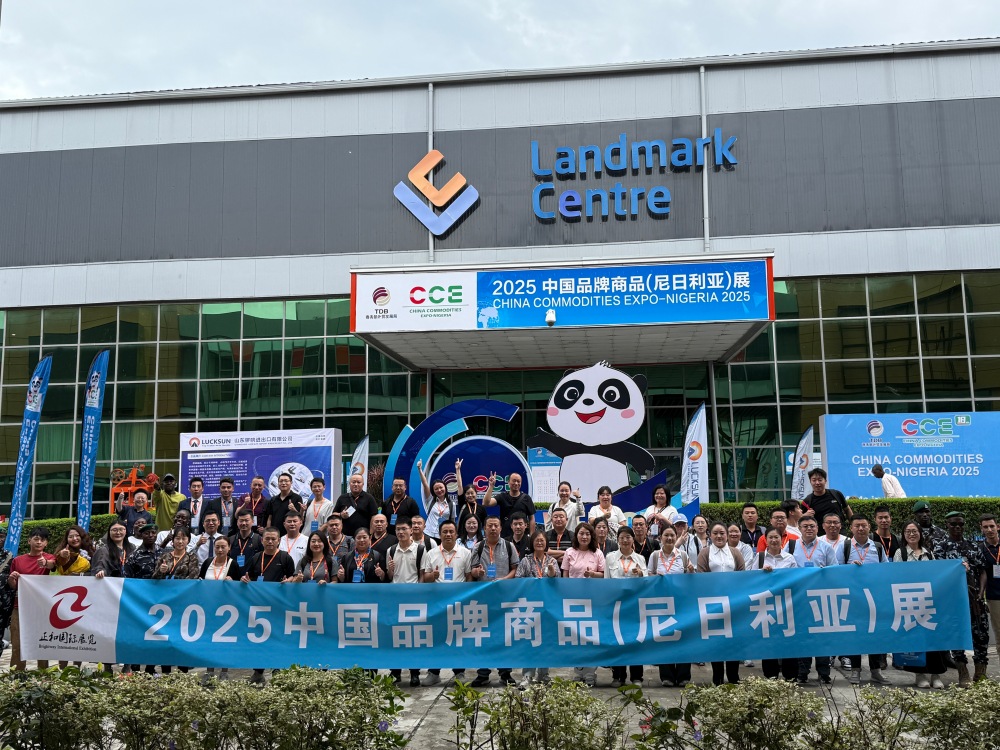
Why African Clients Choose ZW Group at Lagos Expo for Trucks and Trailers
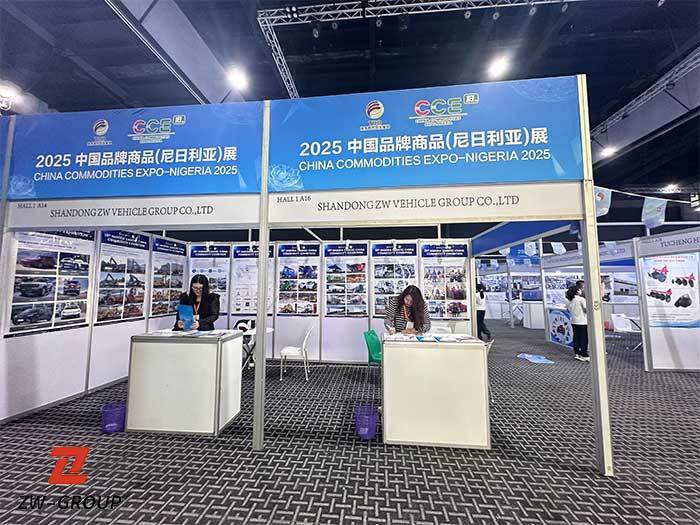
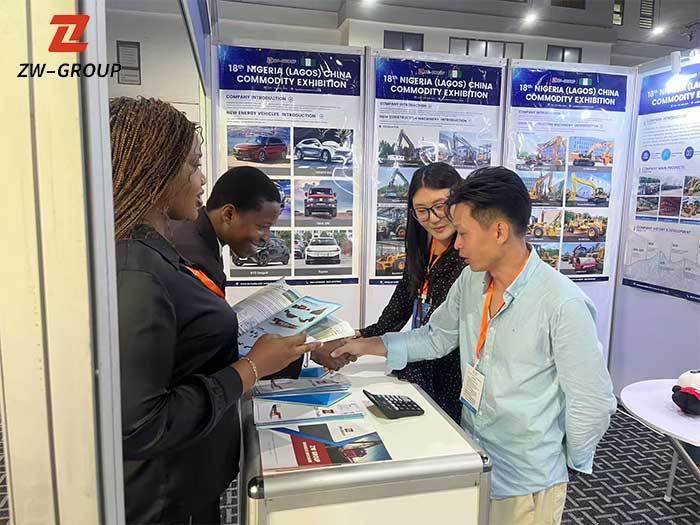
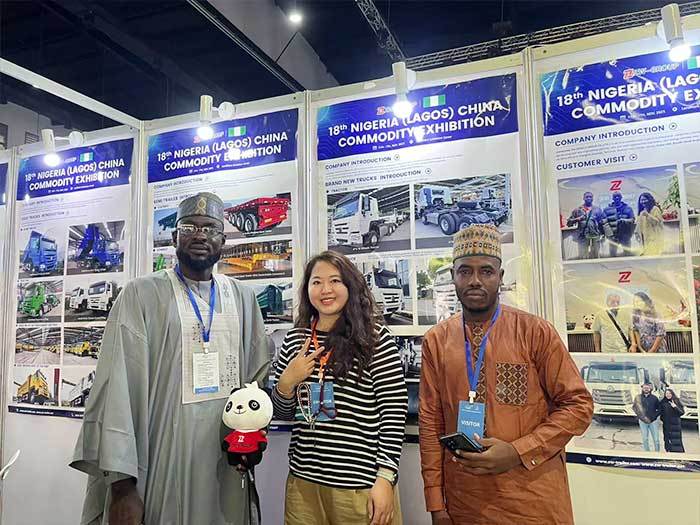
At the Lagos Expo, ZW Group has become a trusted name for African clients seeking reliable trucks and trailers that deliver performance, efficiency, and value. With deep expertise in the transportation industry, ZW Group understands the local market needs and offers tailored solutions that meet diverse logistics demands. Discover why business owners across Africa choose ZW Group as their preferred partner for quality vehicles and exceptional service support.
Understanding Logistics Challenges in Africa
Africa’s transport and logistics landscape presents unique challenges that influence purchasing decisions for heavy vehicles. With over 1.3 billion people across 54 nations, the continent’s infrastructure diversity requires flexible and enduring equipment. Roads in many regions are subject to seasonal flooding, temperature ranges from 15°C to 45°C, and varying axle-load regulations that differ by country.
Such conditions demand trucks and trailers built for long-distance endurance and high payload operations, while maintaining serviceability across regions with limited workshop networks. Fleet owners often weigh reliability, local spare part availability, and lifecycle costs when comparing suppliers. Poor-quality imports not only increase downtime but also raise maintenance costs by up to 30% annually.
Success in African freight transport relies on pragmatic choices. Operators need trailers capable of carrying between 40 to 80 tons of mixed cargo and managing daily use cycles that exceed 500 km. ZW Group addresses these pressures through engineering tailored to local terrain and logistic routes, enabling stable cost-per-ton performance.
The Lagos Expo serves as a key platform for logistics professionals across West Africa to source such resilient machinery. Here, buyers from Nigeria, Ghana, and Cote d’Ivoire assess vehicle performance through test drives and configuration comparisons, emphasizing axle balance, suspension types, and after-sales service commitments.
This awareness of continental variability has positioned ZW Group as more than a manufacturer—it is a solutions provider bridging industrial reliability and regional feasibility. Their product portfolio precisely responds to the needs of the African logistics ecosystem.
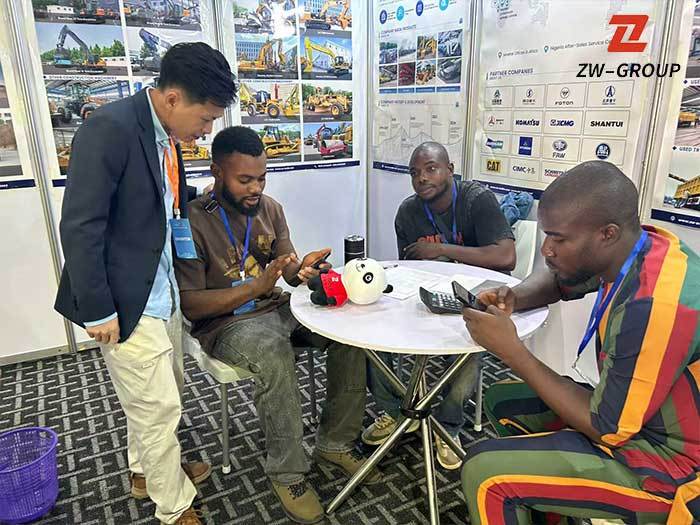
Key Reasons African Clients Trust ZW Group
ZW Group’s success across Africa can be attributed to four consistent advantages: engineering precision, local adaptation, cost transparency, and durable partnerships. Each element contributes to a supply framework aligned with market expectations.
First, precision manufacturing ensures that every trailer operates efficiently within axle-load limits ranging from 8 to 13 tons per axle. ZW Group implements a 6-step quality assurance process, including steel stress testing, component alignment checks, and brake calibration verification—critical for handling Africa’s irregular road gradients.
Second, the company focuses on adaptation. Instead of supplying a single global design, ZW Group configures vehicles with custom ground clearance (up to 1,400 mm), reinforced couplings, and multi-layer anti-rust coatings rated for coastal humidity exceeding 80%. This design flexibility ensures operational consistency even under extreme climate conditions.
Third, cost transparency and predictable ownership expenses have become a hallmark of the brand. With competitive total cost of ownership (TCO) reductions of 10–15% compared to generic imports, ZW Group enables fleet managers to allocate resources more effectively toward fuel and manpower components rather than frequent repairs.
Finally, partnership remains key. By establishing regional service and parts hubs, ZW Group maintains an average spare part delivery cycle of 7–10 days, accelerating fleet uptime. Clients value consistent collaboration and responsive communication that mitigate procurement risks during cross-border logistics operations.
Service Quality Metrics
The table below summarizes the measurable standards ZW Group applies to its logistics vehicle operations compared with average regional suppliers.
These comparative metrics show how ZW Group maintains predictable service standards that outperform the market norm, reinforcing client confidence and long-term fleet value protection.
Tailored Products and Engineering Excellence
Among ZW Group’s diversified fleet portfolio, the 4 Axle 80 Ton Cargo Fence Transport Trailer stands out as a practical response to cross-border freight requirements. Designed for payloads up to 80,000 kg, it offers optimized weight distribution for multi-axle control and improved braking efficiency, reducing tire wear rates by an estimated 12% over 50,000 km of operation.
Trailers undergo a 3-stage anti-corrosion treatment, comprising primer coating, electrophoretic deposition, and surface sealing. This technology extends chassis longevity by approximately 20% compared to traditional paint processes. Furthermore, ZW Group sources premium high-tensile steel (980 MPa yield strength) to ensure both rigidity and adaptability for uneven road surfaces.
Key technical configurations vary depending on haulage routes—coastal exporters demand high humidity protection, inland miners require higher ground clearance, while agricultural distributors emphasize loading flexibility. ZW engineers perform simulations including turning radius validation under 30-meter constraints and axle vibration tests at 60 Hz frequencies.
To simplify specification selection, ZW assists clients through an engineering consultation process that comprises three core stages: needs assessment (1–2 days), configuration alignment (3 days), and pre-delivery inspection (5 days). This sequence helps confirm compliance with national transport regulations regarding gross combination weight ratings (GCWR).
Such technical detail affirms ZW Group’s focus on productive innovation and measurable performance, attributes that build sustained trust among transport entrepreneurs seeking resilient, maintenance-efficient trailer solutions.
Recommended Configuration Overview
The following table outlines common configuration choices African logistics operators make when specifying multi-axle trailers for heavy-duty use.
The combination of reinforced structure and advanced safety systems ensures optimal operational life and driver confidence under demanding freight schedules, making the 4 Axle 80 Ton Cargo Fence Transport Trailer one of the most preferred configurations.
From Expo Showroom to Road Deployment: The Client Journey
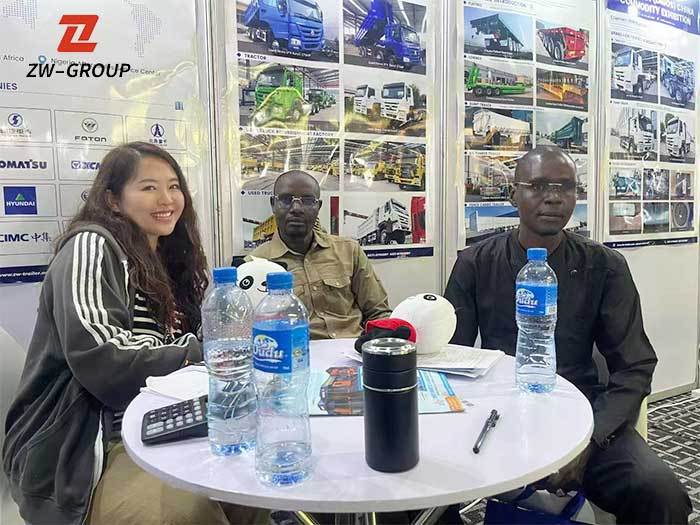
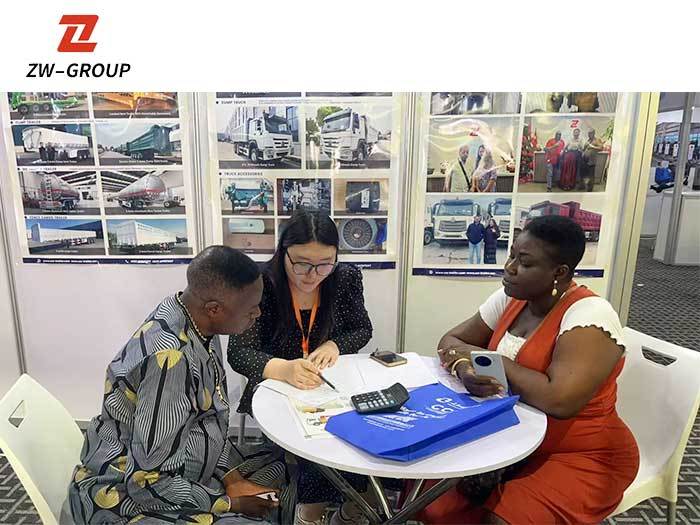
At the Lagos Expo, ZW Group uses live demonstrations and transparent consultation sessions to guide clients through every stage—from specification review to post-delivery support. This structured approach reduces purchasing uncertainty and enhances operational readiness.
The typical procurement-to-operation timeline averages 25–35 days, including contract confirmation, manufacturing scheduling, inland shipping, and registration processing. ZW Group maintains a coordination accuracy rate above 95%, preventing costly delays, especially for project logistics firms working under fixed-term contracts.
During onboarding, technical staff provide operating manuals and in-person training covering load balancing, coupling procedures, and safety checks. More than 80% of customers report smoother operational launches when training is integrated into delivery, highlighting the value of manufacturer involvement beyond the sale.
Clients also benefit from a structured warranty service that includes scheduled inspections every 10,000 km or six-month intervals, whichever occurs first. This discipline supports predictive maintenance and improves uptime ratios across multi-country fleets.
The roadmap below illustrates the main stages of the customer experience, capturing how ZW Group streamlines transactions for practicality and assurance.
- Initial consultation and requirement analysis (1–3 days)
- Technical proposal submission and quotation (2–4 days)
- Manufacturing and inspection phase (15–20 days)
- Shipment and customs clearance (5–7 days)
- Training and after-sales monitoring (continuous)
Each phase is accompanied by documentation traceability and digital feedback, helping clients maintain compliance and budget predictability across local transport authorities and financial institutions.
Future Trends and Continuous Innovation
The African freight transport sector is projected to grow by approximately 6–8% annually between 2025 and 2030. This expansion creates opportunities for stable suppliers providing modular vehicle platforms, telematics integration, and sustainability alignment. ZW Group’s innovation roadmap reflects these directions by focusing on intelligent monitoring and fuel economy.
In upcoming models, ZW aims to integrate smart axle load sensors and tire pressure monitoring systems (TPMS) capable of data sampling at 5-second intervals. These technologies improve load safety and potentially cut fuel usage by 5–7% over long haul routes exceeding 1,000 km.
Furthermore, the company’s engineering workshops are enhancing aerodynamic trailer designs tested in wind tunnels under speeds of 80–100 km/h. Such refinements reduce drag coefficients by up to 0.12 points, contributing to lower diesel consumption and emissions reduction, aligning with upcoming Africa-wide environmental transport frameworks.
Digitalization is also reshaping after-sales processes. Predictive analytics, built from field data across 12 active markets, continuously updates maintenance cycles and service advisories. Fleet managers receive alerts via mobile platforms prompting inspection reminders or component wear forecasts, raising accountability within regional logistics ecosystems.
Through these initiatives, ZW Group continues to position itself as a strategic contributor to Africa’s mobility transformation, combining technical resilience with digital oversight for next-decade competitiveness.
Conclusion and Next Steps
African clients increasingly turn to ZW Group because of its proven engineering performance, local adaptability, and consistent after-sales engagement. From multisector enterprises to independent haulers, reliability and operational economics define their selection priorities, and ZW Group delivers on both aspects with measurable outcomes.
For transport managers, fleet owners, and procurement specialists seeking dependable logistics equipment, ZW Group provides clearly structured options engineered for real-world African conditions. Its proven service infrastructure and continuing innovation ensure lasting value and safety assurance throughout the vehicle lifecycle.
Discover optimal configurations, request a customized quotation, or consult technical specialists to match your specific project needs. Contact ZW Group today to explore practical, durable transport solutions that strengthen your logistics operations and regional competitiveness.
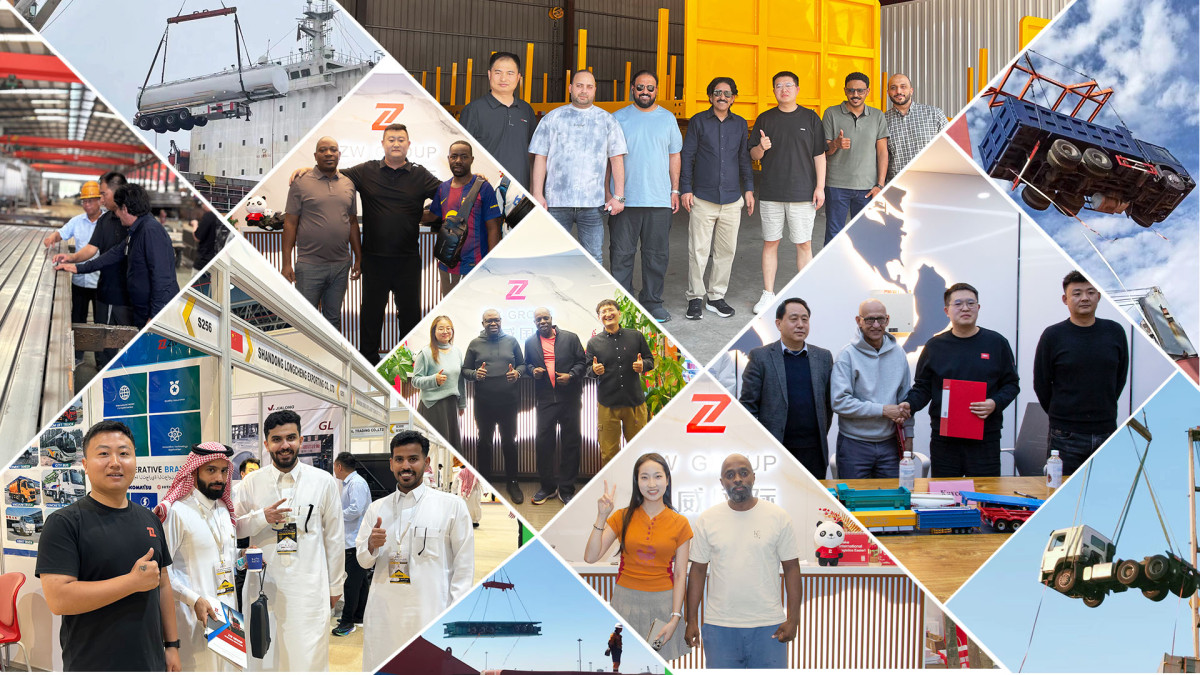
Please give us a message
Our engineers help you choose the right truck or trailer based on:
- Your cargo type
- Road condition
- Payload requirement
- Local regulations