
Why Did Nigerian Clients Choose HOWO Tractor Trucks from ZW Group?

Nigerian logistics and construction companies are increasingly turning to ZW Group for reliable transportation solutions, and the reason lies in the proven performance of Sinotruk Howo vehicles. Designed for durability and fuel efficiency, each Howo truck delivers exceptional value in challenging road conditions. This article explores why these heavy-duty trucks have become the preferred choice for Nigerian clients seeking quality, affordability, and trustworthy after-sales service.
The Nigerian Heavy-Duty Vehicle Market: Key Challenges and Opportunities
Nigeria’s transportation sector supports more than 90% of inland freight activity, serving industries from agriculture to civil construction. The demand for trucks capable of covering over 2,000 km per trip across varying terrains has grown rapidly during the past five years. Challenges such as high import duties, inconsistent road conditions, and maintenance capability gaps affect purchase decisions significantly.
For many fleet operators, lifetime cost rather than purchase price has become the new benchmark. A tractor truck that can operate for 5–7 years under heavy loads, with 15–20 hours of daily utilization, offers a measurable return on investment. This environment explains why efficiency, service availability, and parts supply are core evaluation metrics for Nigerian transport entrepreneurs.
ZW Group entered this market at an ideal moment, offering tailored configurations that comply with African transport demands and globally recognized manufacturing standards. By supplying Sinotruk Howo tractors, they bridge the gap between affordability and reliability—a combination long sought after by local logistics investors.
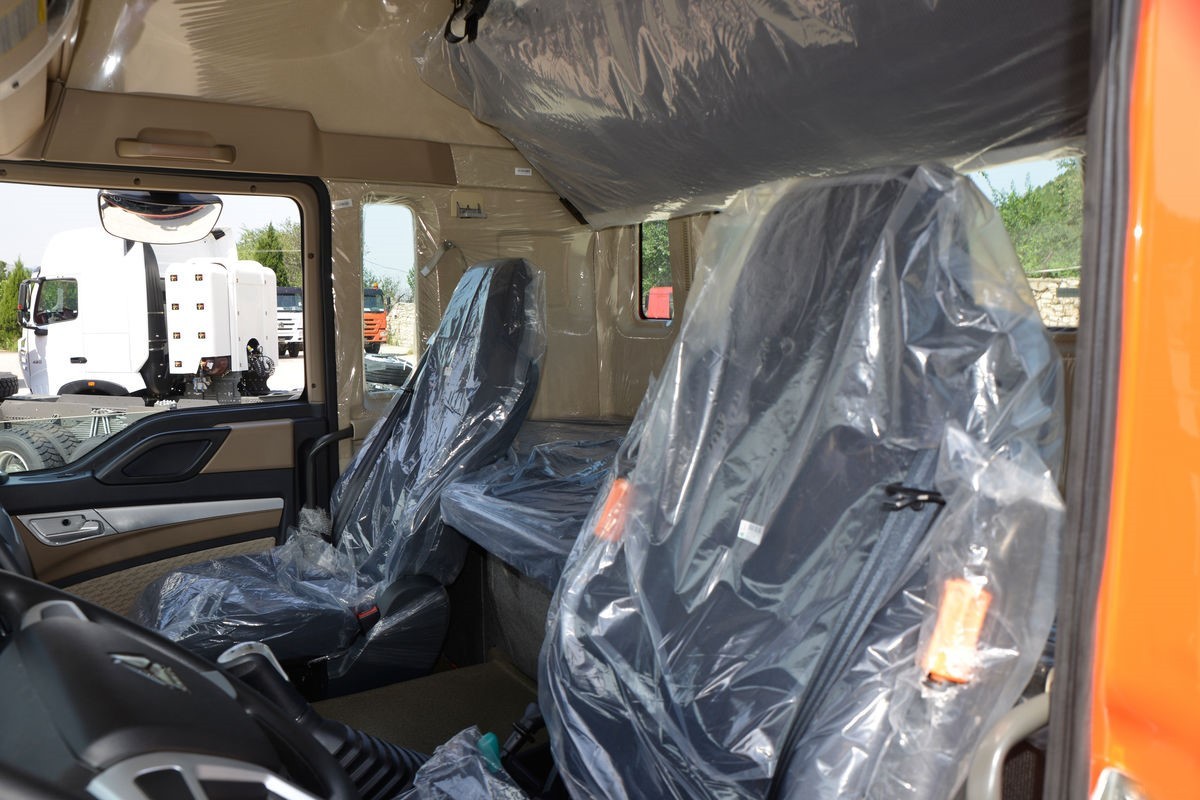
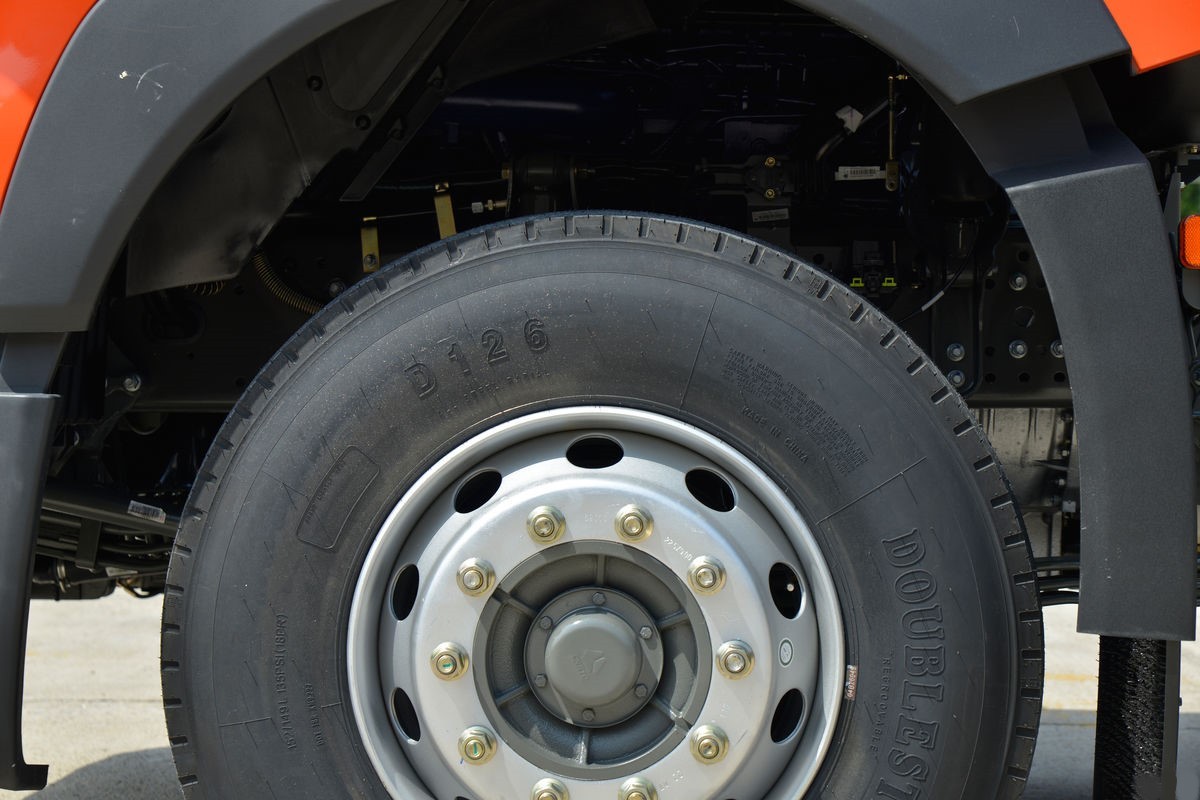
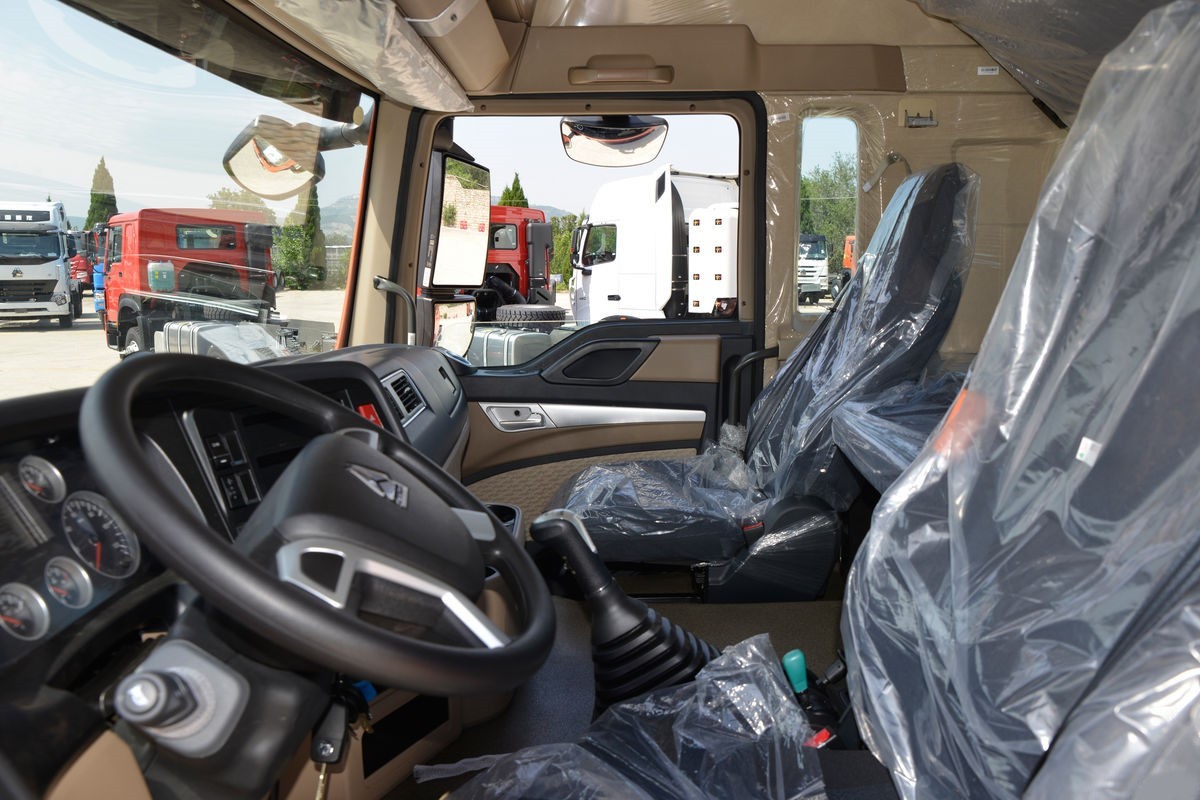
Notably, over 60% of new buyers now prioritize fuel performance ranging from 32 L/100 km to 38 L/100 km, along with power output above 350 HP. The HOWO TX400HP 6×4 Tractor Truck effectively meets these requirements, allowing operators to balance torque, efficiency, and parts interchangeability in demanding environments.
Technical Strength: How HOWO Tractor Trucks Excel in the Field
From a technical point of view, Sinotruk Howo tractors are designed for duty cycles exceeding 250,000 km annually. Nigerian customers frequently cite the powertrain, axle stability, and long-distance driving comfort as leading attributes. The models distributed by ZW Group incorporate Euro II–V emission-compatible engines, giving operators flexibility within differing fuel qualities available across regions.
To illustrate these performance characteristics, the table below summarizes key engineering indices typically verified during procurement evaluation:
Compared with many imported used trucks, Howo tractors maintain parts compatibility and consistent supply of consumables. The gearbox system, adaptable for both 6 × 4 and 8 × 4 frames, simplifies workshop processes. Operators report up to a 12 % reduction in repair lead time once ZW Group’s localized service kits are integrated into fleet maintenance routines.
Another advantage is durability under temperature swings of 28 °C – 45 °C, a common range across northern Nigeria. Engine cooling capacity, standardized double-layer radiators, and sealed electrical connectors minimize degradation during seasonal transitions. As a result, fleet uptime consistently exceeds 95 % over operational months.
Procurement Insights: Evaluating Cost, Service, and Delivery Timelines
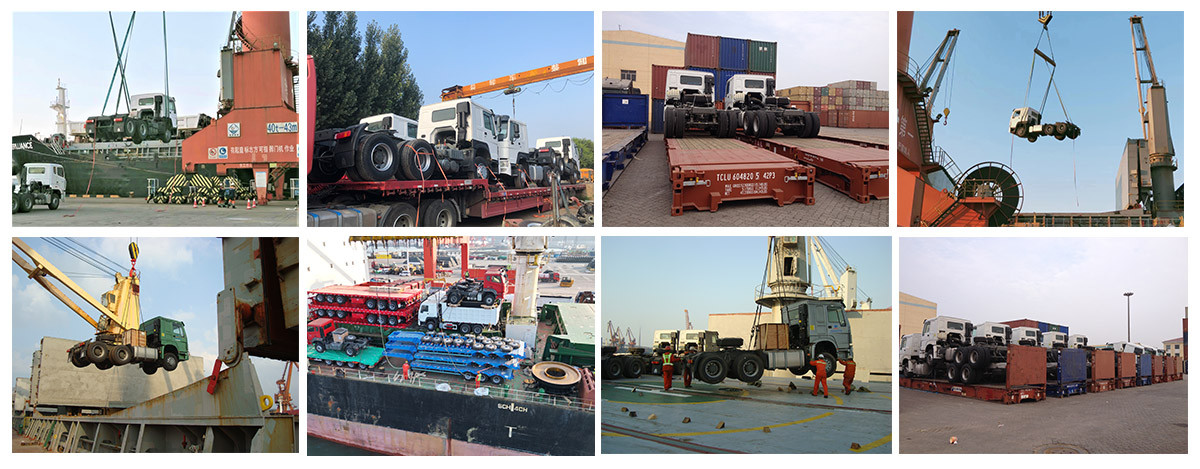
When procurement managers assess heavy trucks, the decision generally follows four critical parameters: total acquisition cost, performance-to-price ratio, service support, and delivery timeline. ZW Group’s Nigeria-oriented logistics approach ensures vehicles reach selected ports within 25–35 days on average, depending on shipping schedules and clearance cycles.
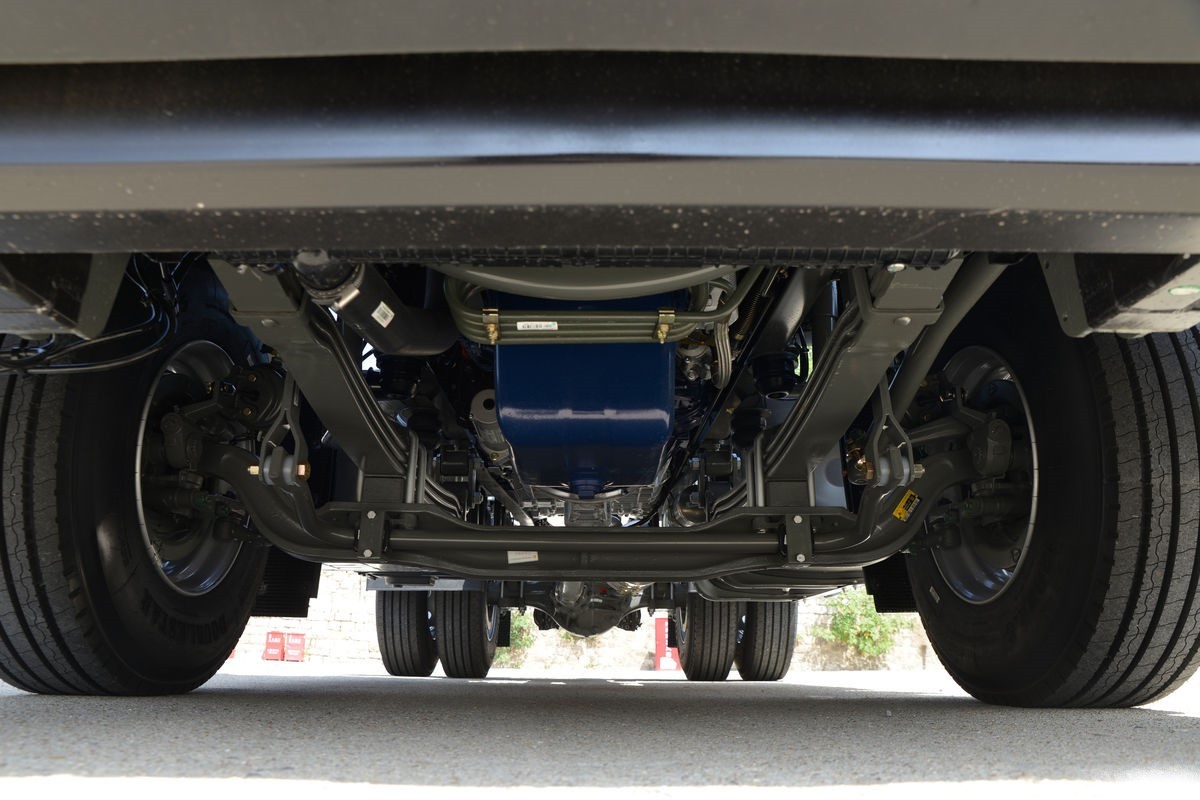
Beyond logistics efficiency, buyers are advised to evaluate trucks not solely by horsepower but also by axle load distribution and frame rigidity. The Howo series offers optimized suspension geometry tuned for repeated loads between 32 and 38 tons, a standard range for fuel tankers and container haulers within West Africa. For reference, each model typically requires less than 10 hours of assembly alignment, significantly expediting commissioning.
The following table outlines procurement factors that Nigerian companies commonly rank before signing purchase orders:
ZW Group’s proactive spare parts management system identifies 50 common consumables and 10 critical assemblies typically replaced every 90–120 days. This predictive approach reduces procurement bottlenecks and ensures reliable uptime for long-haul operators.
To further simplify selection, ZW Group provides optional fleet integration analysis that measures total cost of ownership across a three-year period. When buyers incorporate these metrics, the payback cycle averages 24–30 months based on diesel pricing trends and average annual utilization.
Real-World Applications of HOWO Trucks in Nigeria
In Lagos, Port Harcourt, and Abuja, Howo tractors are widely used across petroleum transport corridors and building material logistics. Fleet owners recognize their adaptability from interstate haulage to quarry operations. For instance, cement distributors often employ 6 × 4 configurations operating under 38 ton capacities over 400 km loops on a daily schedule.
Three applications dominate demand segments:
- Bulk logistics across cross-state routes of 500 – 800 km with consistent 460 N·m torque requirements.
- Mining and construction fleet operations demanding reinforced chassis and dual-retarder braking systems to sustain 20 % slope grades.
- Gasoline and diesel tanker haulage where steady temperature control minimizes hazard risk across 6–8 hour shifts.
Buyers relying on ZW Group value the localized setup assistance and operational training that covers load balancing, tire pressure optimization, and preventive maintenance intervals every 10,000–15,000 km. With each new fleet integration, operators observe up to 18 % improvement in delivery punctuality due to higher fleet utilization and fewer unscheduled repairs.
For companies seeking mid-size fleets of 5–15 units, model variation flexibility is another notable benefit. The HOWO TX400HP 6×4 Tractor Truck provides sufficient load tolerance while keeping fuel injection precision within ±2 %. Such reliability contributes directly to predictable operating expenses and faster contract fulfillment cycles.
Frequently Asked Questions About Nigerian HOWO Truck Procurement
1. How long does it take to deliver a HOWO tractor after order confirmation?
Typically, delivery through ZW Group takes about 25–35 days for stocked configurations and up to 45 days for custom builds depending on port congestion and inland transport schedules. Pre-shipment inspections occur 2 weeks before dispatch to ensure compliance with international roadworthiness standards.
2. What maintenance routine ensures best performance under Nigerian conditions?
Engine oil changes every 15,000 km, air filter replacement every 30,000 km, and brake inspection every 10,000 km are standard. Fleet operators are encouraged to deploy a 4-step preventive checklist: lubrication, cooling, drivetrain, and safety electronics, each verified monthly.
3. Are spare parts readily available locally?
Yes. ZW Group maintains regional distribution partners who restock 80 % of routine parts within 72 hours. For major assemblies, turnaround averages 10–14 days depending on shipment mode. This network minimizes vehicle idle time and supports multi-location fleets effectively.
4. How does HOWO performance compare against other imported brands?
Compared with conventional European-used imports, Howo trucks offer more predictable maintenance cycles and stronger adaptability to variable diesel quality grades between 300 ppm and 1,000 ppm sulfur content. Torque output remains stable across frequent stop–go traffic, providing smoother acceleration in urban freight routes.
Why Choose ZW Group for Your HOWO Truck Procurement
For Nigerian fleets seeking sustainable cost, reliable warranty, and assured service continuity, ZW Group represents a strategic supply partner. The company offers professional consultation covering parameter confirmation, financing coordination, and delivery scheduling adjusted to project timelines.
Procurement managers can discuss tailored configurations, verify compliance documentation, or request maintenance training prior to handover. This consultative process helps buyers make confident investments and ensures vehicles remain efficient through their full service lifecycle.
If you are planning to expand or renew your trucking fleet, reach out to ZW Group to confirm model parameters, discuss lead times, or obtain a quotation for the next logistics season. Their team provides transparent technical data and practical support, enabling smoother onboarding into Nigerian transportation networks.
Please give us a message
Our engineers help you choose the right truck or trailer based on:
- Your cargo type
- Road condition
- Payload requirement
- Local regulations