
HOWO Tractor Truck vs Dump Truck: Which Is Right for Your Business?
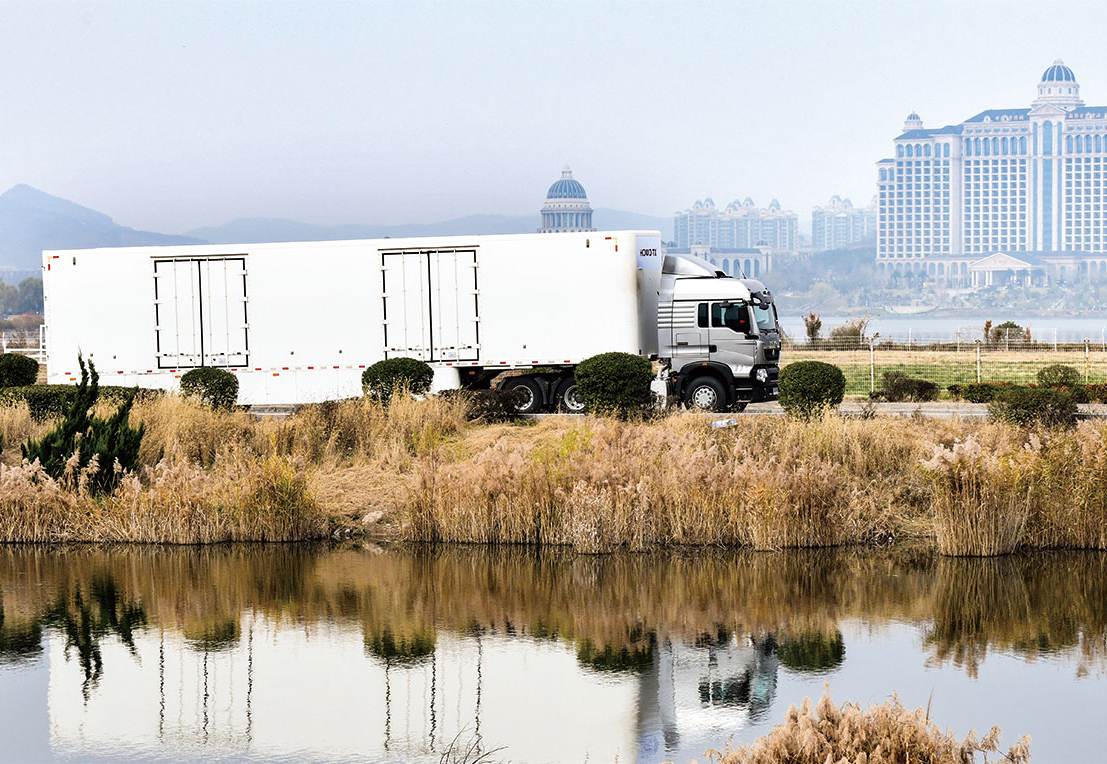
HOWO Tractor Truck vs Dump Truck: Which Is Right for Your Business?
Choosing between a HOWO tractor truck and a HOWO dump truck is not simply a question of payload or engine power. The better choice depends on how your business moves cargo every day: what you carry, how far you travel, how the load is handled, and what kind of roads and unloading conditions you face.
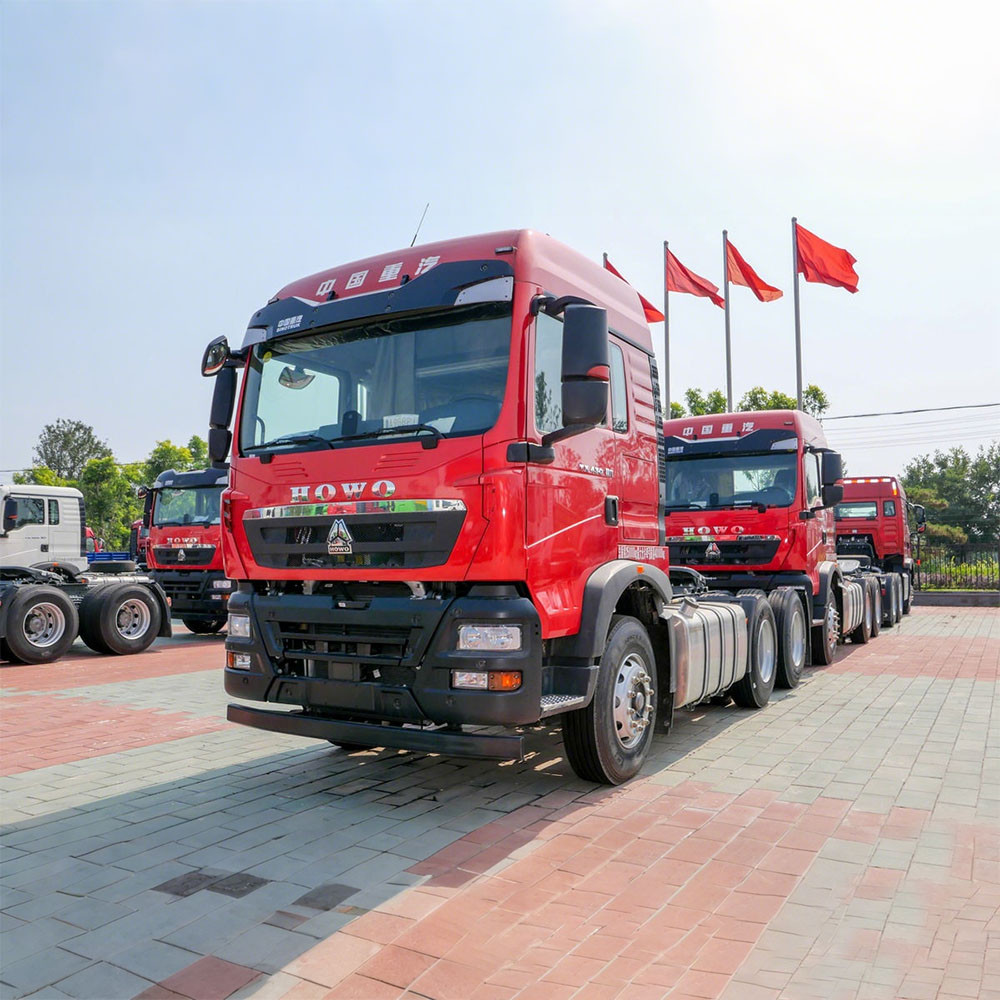
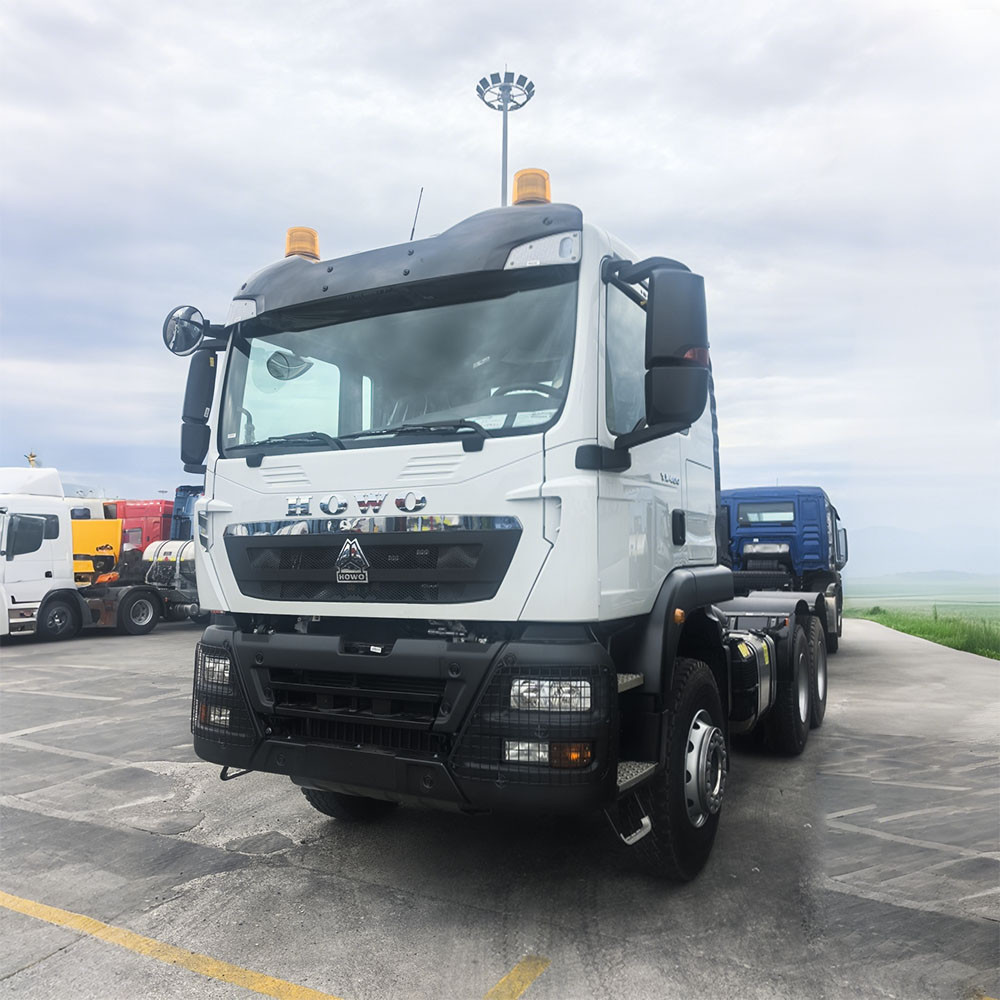
A HOWO tractor truck is generally designed for pulling semi-trailers over regional and long-distance routes. It can work with different compatible trailers for containers, general freight, machinery, tank transport, and other cargo.
A HOWO dump truck, on the other hand, is built around a more specific job: carrying loose bulk materials and unloading them quickly by tipping. Sand, gravel, soil, stone, coal, aggregate, and construction materials are typical applications.
Both are heavy-duty commercial vehicles, but they support very different business models. Choosing the wrong configuration can result in unnecessary fuel consumption, poor utilization, higher maintenance costs, or a truck that does not suit the loading and unloading conditions at your worksite.
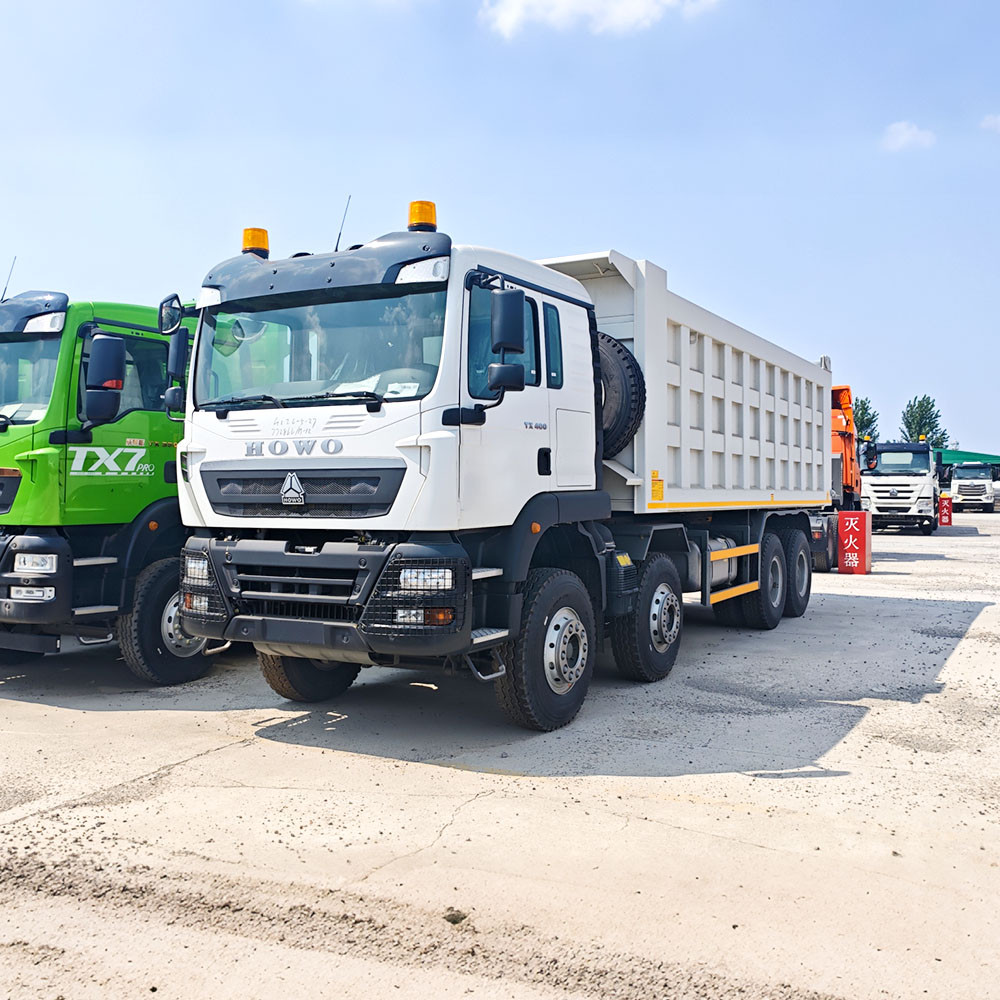
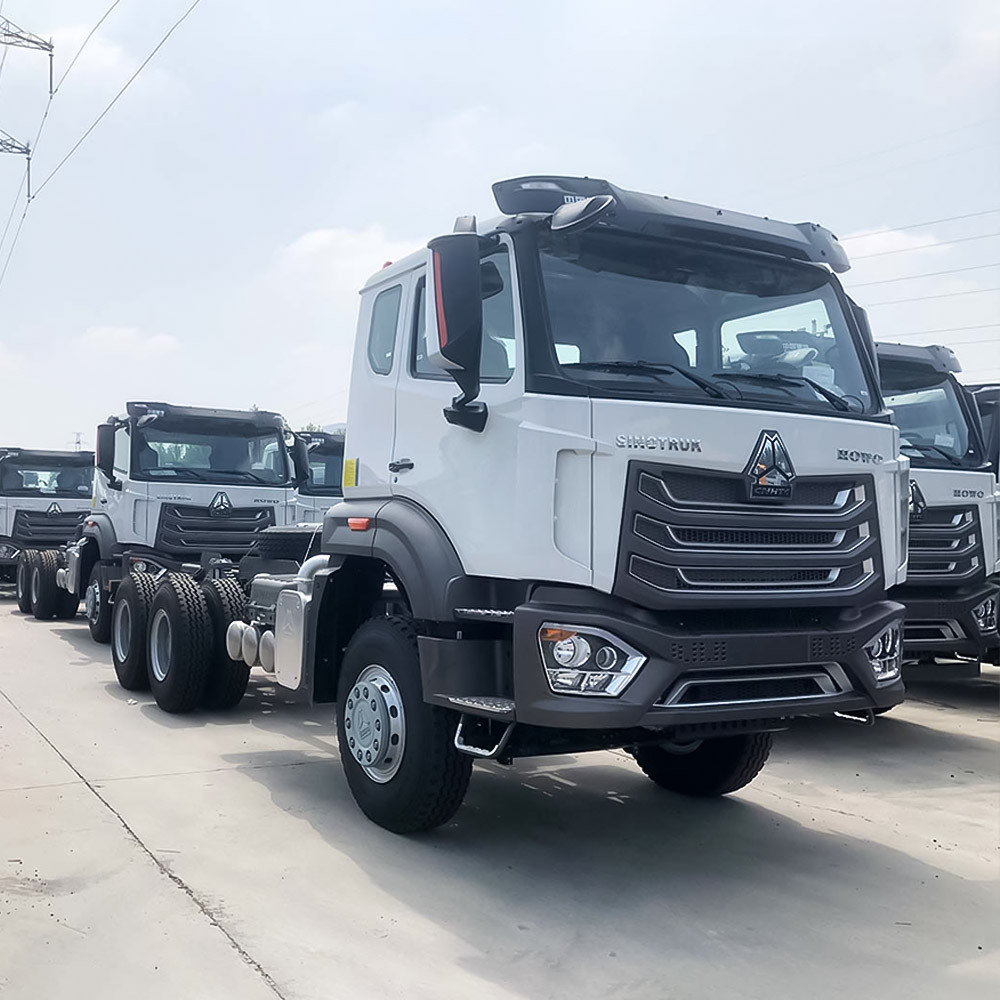
The Real Difference Is the Work Cycle
The easiest way to understand the difference between a HOWO tractor truck and a dump truck is to look at the complete work cycle.
A tractor truck normally operates in a line-haul or regional transport cycle. It may collect cargo from a warehouse, port, factory, or distribution center and travel a significant distance before unloading. Depending on the operation, the same tractor may also work with different compatible trailers.
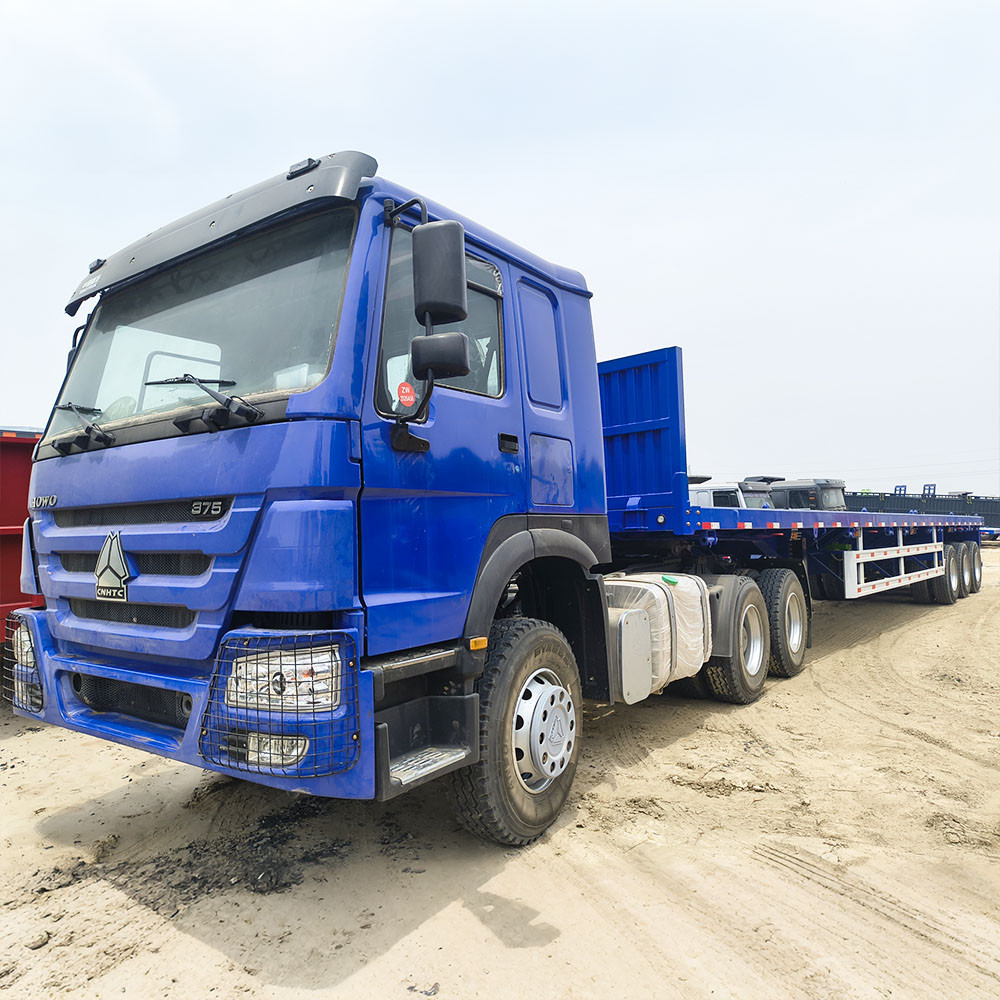
For example, a fleet may use a tractor truck with a flatbed semi trailer for steel or machinery, a skeletal trailer for containers, or a specialized tanker trailer for liquid cargo. This trailer flexibility can be valuable for transport companies handling different types of freight.
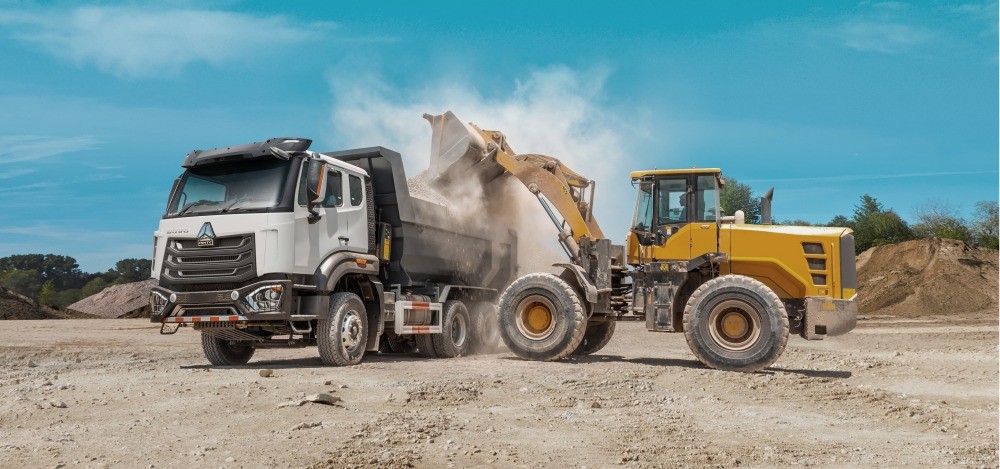
A dump truck follows a different cycle. It may load at a quarry, mine, stockpile, or construction site, travel to the delivery point, raise the hydraulic body, discharge the material, and return for another load.
This makes dump trucks particularly suitable for repetitive short- and medium-distance operations where fast unloading is important.
The key point is simple:
A tractor truck is built around trailer-based transportation, while a dump truck is built around bulk-material transport and tipping.
Where a HOWO Tractor Truck Makes More Sense
A HOWO tractor truck is normally the better choice when your business focuses on long-distance freight, regional logistics, container transport, or multiple cargo types.
Typical applications include:
- Container transportation
- General freight
- Palletized goods
- Machinery transportation
- Steel products
- Bagged materials
- Tanker transportation
- Port and industrial logistics
- Cross-border freight transport
The biggest advantage is the separation between the tractor unit and the trailer.
A tractor can potentially work with different compatible trailers, depending on the coupling system, braking system, axle configuration, legal requirements, and the type of cargo being transported.
This gives transport companies greater flexibility when fleet utilization is high.
For example, a company handling containers may use a HOWO tractor with a skeletal trailer, while another operation may require a flatbed or lowbed trailer for different cargo. Businesses transporting liquid products can also match the tractor with a suitable tanker trailer.
For companies operating between cities, ports, warehouses, and industrial areas, factors such as fuel efficiency, highway stability, fifth-wheel compatibility, axle configuration, service support, and trailer utilization may be more important than tipping capability.
If most of your work involves moving cargo from one location to another rather than unloading loose material at a construction site, a tractor-trailer combination is usually the more practical solution.
When a HOWO Dump Truck Is the Better Choice
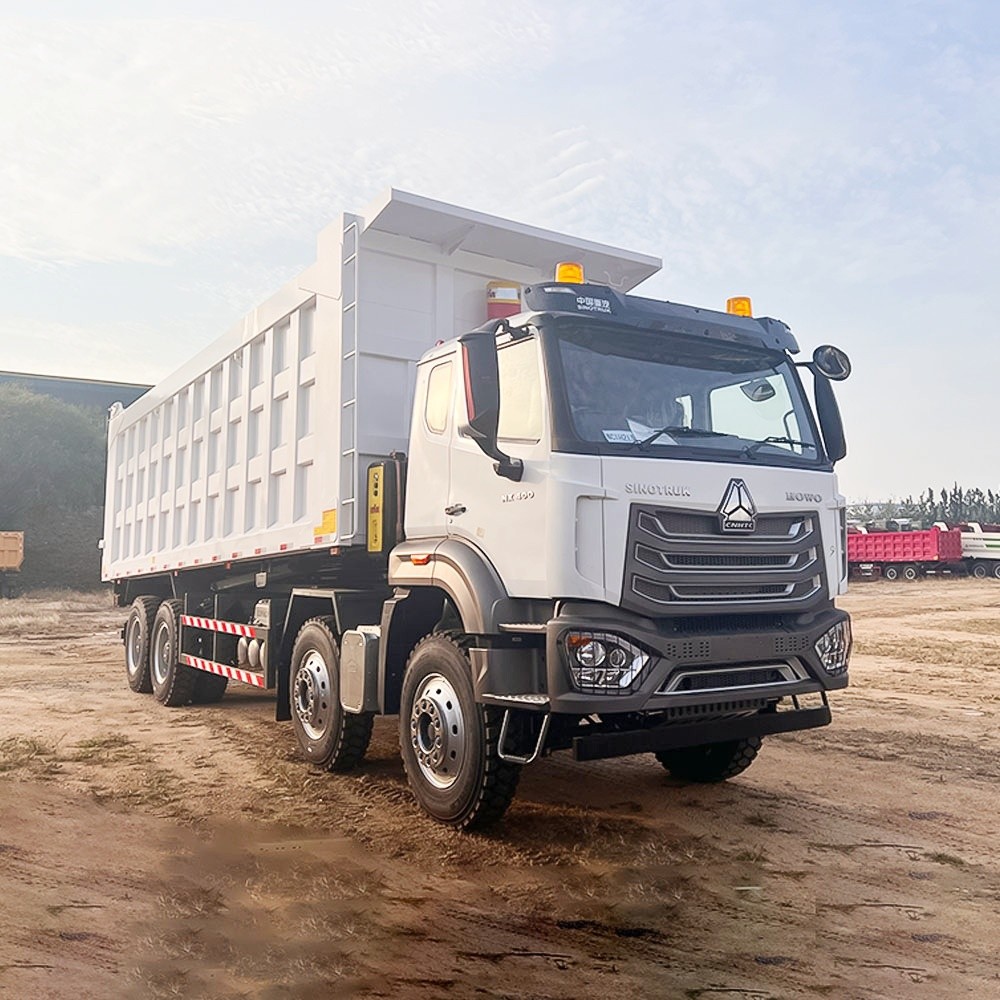
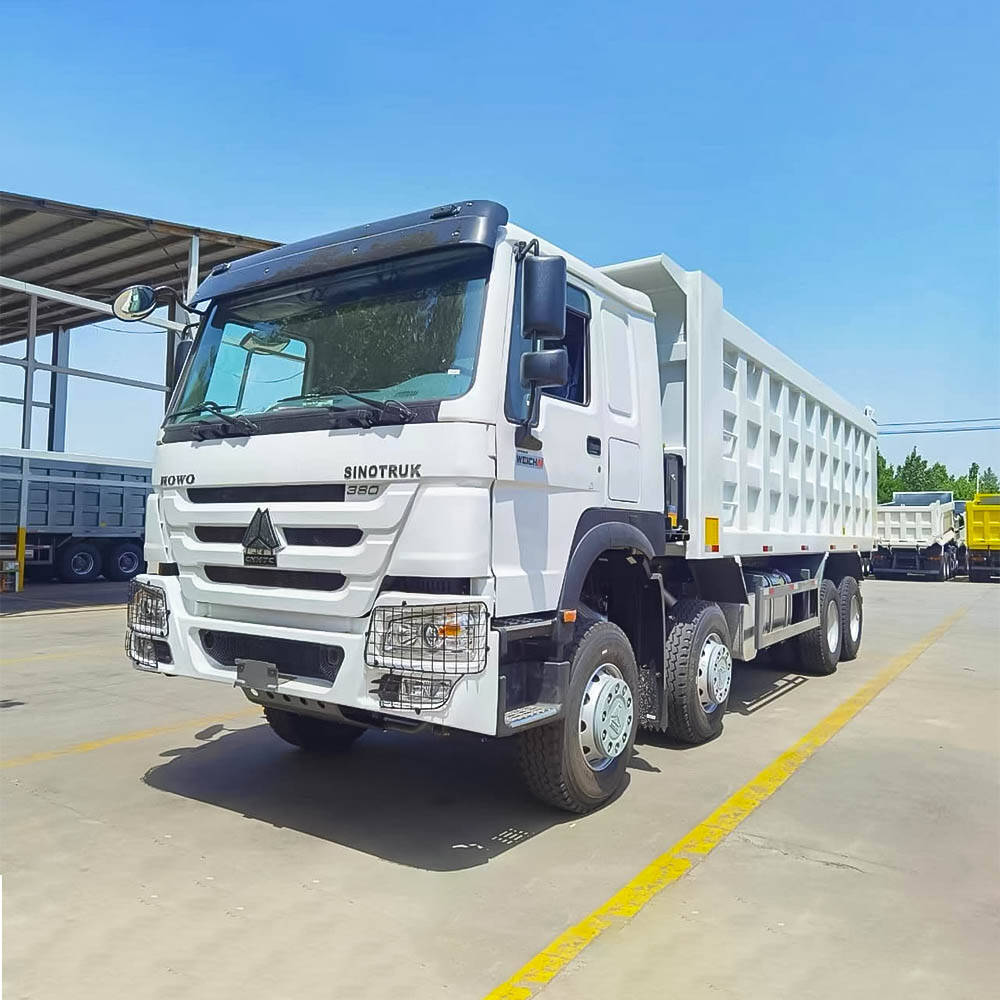
A HOWO dump truck is designed for businesses that regularly move loose bulk materials and need to unload them quickly.
Common applications include:
- Construction projects
- Quarry operations
- Road construction
- Earthmoving
- Aggregate transportation
- Mining support
- Sand and gravel transport
- Soil and demolition material transport
The major advantage is the hydraulic tipping system.
Instead of requiring a forklift, crane, conveyor, or other unloading equipment, the dump truck can raise its body and discharge the material directly at a suitable location.
This can significantly simplify repetitive delivery cycles on construction sites and quarry roads.
However, body volume should not be the only consideration.
Material density can have a major impact on the actual payload. A truck carrying lightweight soil may be able to fill more of the body, while dense stone, wet sand, or aggregate may reach the permitted weight limit much sooner.
The material itself also affects body wear. Abrasive rock and aggregate can place greater demands on the dump body than lighter materials. Loading methods, hydraulic components, body structure, and maintenance practices should therefore be considered when selecting the configuration.
The unloading area is equally important. Tipping requires adequate overhead clearance and a stable surface. Uneven or unstable ground can create safety risks when the body is raised.
For this reason, a dump truck should be selected based on the actual working environment, not simply the largest body or highest horsepower available.
HOWO Tractor Truck vs Dump Truck: A Practical Comparison
The comparison is not about which truck is simply stronger.
A tractor truck can handle substantial combination weights when properly matched with a suitable trailer and operated within local regulations. A dump truck can handle demanding bulk-material applications in difficult working environments.
The right choice depends on how the vehicle will actually be used.
Capacity Is More Than a Number on a Brochure
Payload is one of the most important factors when buying a commercial truck, but payload figures should always be considered together with the actual operating conditions.
For a dump truck, material density is particularly important.
A dump body may have enough physical volume for a large amount of material, but filling it completely with dense stone or wet aggregate could exceed the vehicle's legal or mechanical limits.
For example, two loads with the same volume can have very different weights depending on the material. This is why construction and quarry operators need to consider both body volume and material density when determining the appropriate configuration.
For tractor-trailer operations, the situation is slightly different.
The total freight capacity depends on the tractor, trailer tare weight, axle arrangement, gross combination weight, and local regulations. Load distribution is also important. A trailer that is improperly loaded can create excessive axle loads and affect steering, braking, tire wear, and vehicle stability.
Before ordering a truck, buyers should therefore confirm:
- Gross vehicle weight limits
- Axle-load regulations
- Trailer dimensions
- Road restrictions
- Maximum permitted combination weight
- Local registration requirements
These regulations can vary significantly between markets. A configuration that works well in one country may not be the most suitable option in another.
Which Truck Is Better for Long-Distance Transport?
For long-distance freight transport, a HOWO tractor truck is generally the more suitable option.
The reason is not simply engine power. The tractor is designed to work as part of a tractor-trailer combination and can be matched with different trailer types according to the cargo.
Long-distance operations also place greater emphasis on:
- Highway fuel economy
- Driver comfort
- Stable handling
- Fuel tank capacity
- Trailer compatibility
- Maintenance support
- Parts availability
- Route and load planning
If your business regularly transports containers, machinery, general cargo, or other trailer-based freight between cities or across borders, investing in a tractor truck gives you a more flexible transportation platform.
Which Truck Is Better for Construction and Mining?
For construction, quarrying, earthmoving, and many mining-support applications, a HOWO dump truck is generally the more direct solution.
These operations often involve repeated loading and unloading of loose materials over relatively short routes.
A typical cycle may look like this:
Loading → Hauling → Tipping → Returning → Reloading
When this cycle is repeated many times per day, quick unloading and suitable chassis configuration can have a significant effect on productivity.
Road conditions also matter. Unpaved roads, loose surfaces, steep grades, mud, and frequent stop-start operations can create different demands from those encountered on paved highways.
This is why buyers should evaluate the axle configuration, suspension, tires, drivetrain, body design, and local service support together rather than selecting a truck based only on horsepower.
If your application involves mining or construction, you can also compare different HOWO configurations in our guide to the best HOWO dump trucks for African mining and construction.
What If Your Business Needs Both?
Some transport and construction companies do not have to choose only one type.
A mixed fleet can make sense when the business has both freight transportation and bulk-material operations.
For example:
- Tractor trucks can handle containers and general freight.
- Dump trucks can handle construction materials.
- Lowbed trailers can transport excavators and other heavy machinery.
- Tanker trailers can handle liquid cargo.
- Flatbed trailers can carry steel, machinery, and oversized goods.
The key is utilization.
If a company regularly has enough work for both types of vehicles, operating a mixed fleet can allow each truck to focus on the job it was designed to perform.
However, buying both types simply for flexibility may not be economical. Fleet owners should first calculate the expected working days, trips per day, payload, fuel consumption, maintenance costs, and expected revenue for each application.
Consider Total Ownership Cost, Not Just Purchase Price
The cheapest truck on the quotation is not necessarily the cheapest truck to operate.
A vehicle that does not match the work cycle can create hidden costs through:
- Excessive fuel consumption
- Empty return trips
- Long loading or unloading times
- Premature tire wear
- Body or hydraulic repairs
- Trailer rental costs
- Low vehicle utilization
- Unplanned downtime
A tractor truck operation requires consideration of both the tractor and the trailers. Trailer purchase, maintenance, parking, coupling inspections, and utilization all contribute to the total cost.
The advantage is that a well-managed fleet can share different trailers between tractors and adapt equipment to changing freight requirements.
Dump trucks have a different maintenance profile. Hydraulic cylinders, hoses, body structures, pivot points, tailgates, fasteners, and suspension components need regular inspection. In abrasive applications, body wear is also a normal operating consideration.
Tires deserve particular attention as well. Highway transport and quarry operations place very different demands on tires. The best tire choice should reflect the actual ratio of paved roads, unpaved roads, mud, stone, and off-site travel.
Common Mistakes When Choosing Between the Two
Buying a dump truck for occasional bulk transport
If most of your business involves containers, packaged goods, or general freight and you only occasionally move sand or stone, buying a dedicated dump truck may result in low utilization.
In some cases, subcontracting occasional bulk-material work may be more economical.
Using a tractor-trailer combination for every bulk-material job
A tractor with a tipping semi-trailer can provide high capacity, but it may not be ideal for every construction site.
Overall vehicle length, maneuverability, road access, dumping conditions, and site layout can make a rigid dump truck more practical for repetitive short-distance work.
Choosing the drivetrain without considering terrain
A truck operating mainly on paved highways has different requirements from one working on steep quarry roads or loose construction surfaces.
The route profile should therefore be considered before choosing the axle configuration and drivetrain.
Focusing only on horsepower
A higher horsepower rating does not automatically mean better productivity.
Engine output should be evaluated together with the transmission, axle ratio, payload, terrain, fuel consumption, and operating cycle.
Ignoring after-sales support
Service availability can become especially important when trucks operate far from major cities.
Before purchasing, ask:
- Are common spare parts available locally?
- How quickly can replacement parts be supplied?
- Is technical support available for the specific configuration?
- Can local technicians handle routine maintenance?
- What support is available after delivery?
A reliable service network can have a major effect on long-term fleet uptime.
How to Choose the Right HOWO Truck for Your Business
Before making the final decision, look at one normal working day and answer a few practical questions:
1. What do you carry?
General freight and containers point toward a tractor truck, while loose bulk materials generally favor a dump truck.
2. How far do you travel?
Long-distance and intercity routes generally suit tractor-trailer combinations. Short repetitive cycles often favor dump trucks.
3. What roads do you use?
Consider paved highways, gravel roads, quarry access roads, steep grades, mud, and construction-site conditions.
4. How is the cargo loaded?
Consider whether you use forklifts, cranes, excavators, loaders, or other equipment.
5. How is the cargo unloaded?
If the cargo needs to be tipped directly at the worksite, a dump truck may have a clear advantage.
6. How many trips will the truck make each day?
A specialized vehicle makes more sense when it is used frequently enough to justify its purchase and maintenance costs.
7. What regulations apply to your route?
Confirm gross weight, axle-load, dimensions, and other local requirements before selecting the final configuration.
These questions can provide a much clearer answer than simply comparing engine horsepower or body volume.
Final Takeaway
The choice between a HOWO tractor truck and a HOWO dump truck ultimately comes down to the transportation job.
Choose a HOWO tractor truck when your business primarily handles long-distance or regional freight, containers, machinery, general cargo, or other trailer-based transportation. Its main advantage is the flexibility of working with different compatible semi-trailers.
Choose a HOWO dump truck when your operation focuses on sand, stone, soil, aggregate, construction materials, or other loose bulk cargo that needs to be unloaded quickly by tipping.
Neither truck is universally better. The best choice is the one that matches your cargo, route, road conditions, loading method, unloading process, daily working cycle, and local regulations.
Need Help Choosing the Right HOWO Truck?
ZW Vehicle Group supplies HOWO tractor trucks and dump trucks for different transport and construction applications. Based on your cargo, route, payload, road conditions, and trailer requirements, our team can help you evaluate a suitable truck configuration for your market.
Contact ZW Vehicle Group to discuss your truck requirements and get a suitable configuration for your business.
Please give us a message
Our engineers help you choose the right truck or trailer based on:
- Your cargo type
- Road condition
- Payload requirement
- Local regulations