
Which Tractor Truck Configuration Is Best for Desert Logistics?
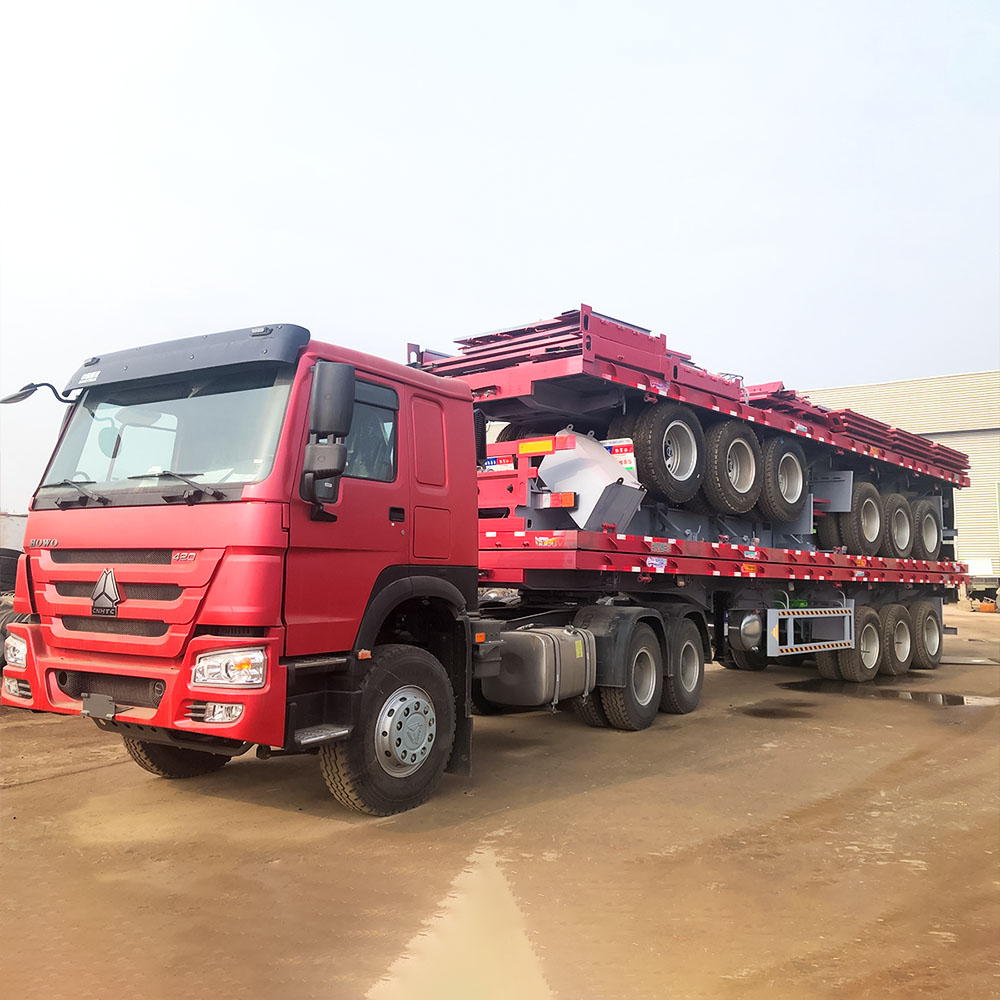
Which Tractor Truck Configuration Is Best for Desert Logistics?
Which tractor truck configuration is best for desert logistics? There is no single answer based on horsepower alone. A tractor unit that performs well on paved European corridors may struggle on a desert route where ambient temperatures remain high, sand enters components, fuel stops are widely spaced, and the road surface changes from asphalt to washboard gravel or loose ground in a few kilometres.
For most heavy-haul operations, the right choice is a configuration that matches the actual route rather than the worst-looking section of it. Long-distance transport between ports, inland depots, mines, construction sites, and remote settlements often calls for a road-oriented 6x4 tractor with reinforced cooling, suitable final-drive ratios, high-capacity filtration, and enough fuel for the operating window. Where trailers regularly leave prepared roads, a 6x6 may be justified. Choosing four-wheel drive simply because the route is “in the desert,” however, can add weight, fuel use, maintenance complexity, and tyre wear without solving the real bottleneck.
The practical decision starts with duty cycle: payload, trailer type, axle loading, gradient, distance between refuelling points, proportion of unsealed road, and the severity of heat and dust. Those factors determine whether a tractor is a reliable working tool or an expensive source of downtime.
Start with the Route, Not the Specification Sheet
“Desert logistics” covers very different operating environments. A sealed highway crossing an arid region presents one set of risks: high thermal load, long distances, crosswinds, and limited service support. A quarry access road or oilfield supply route presents another: deep ruts, sharp stones, severe vibration, low-speed pulling, and frequent traction loss. A configuration should be selected around the dominant operating condition, not occasional exceptions.
A useful route review should examine more than kilometres travelled. Dispatch teams should identify the percentage of paved versus unpaved travel, typical sand depth, corrugation, loading and unloading ground conditions, stopping frequency, grade, and whether the tractor must reverse under load on loose surfaces. It is also important to understand whether the trailer is part of the traction problem. A poorly matched semi-trailer axle arrangement, excessive kingpin load, or unsuitable trailer tyres can make a capable tractor appear inadequate.
Seasonality matters as well. A road that is firm during one period may become soft after windblown sand accumulates, while rare rainfall can turn compacted tracks into surfaces that demand better traction and ground clearance. Procurement decisions should allow for those predictable changes instead of treating them as unusual incidents.
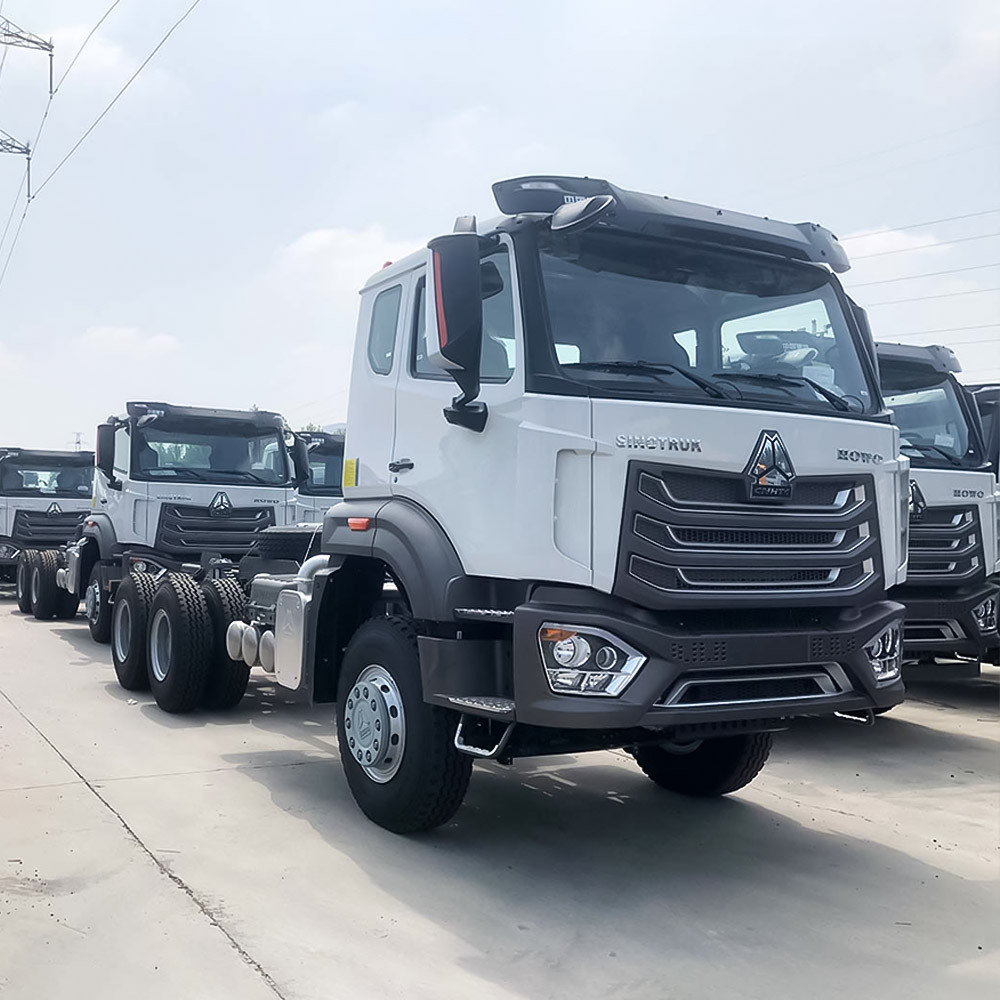
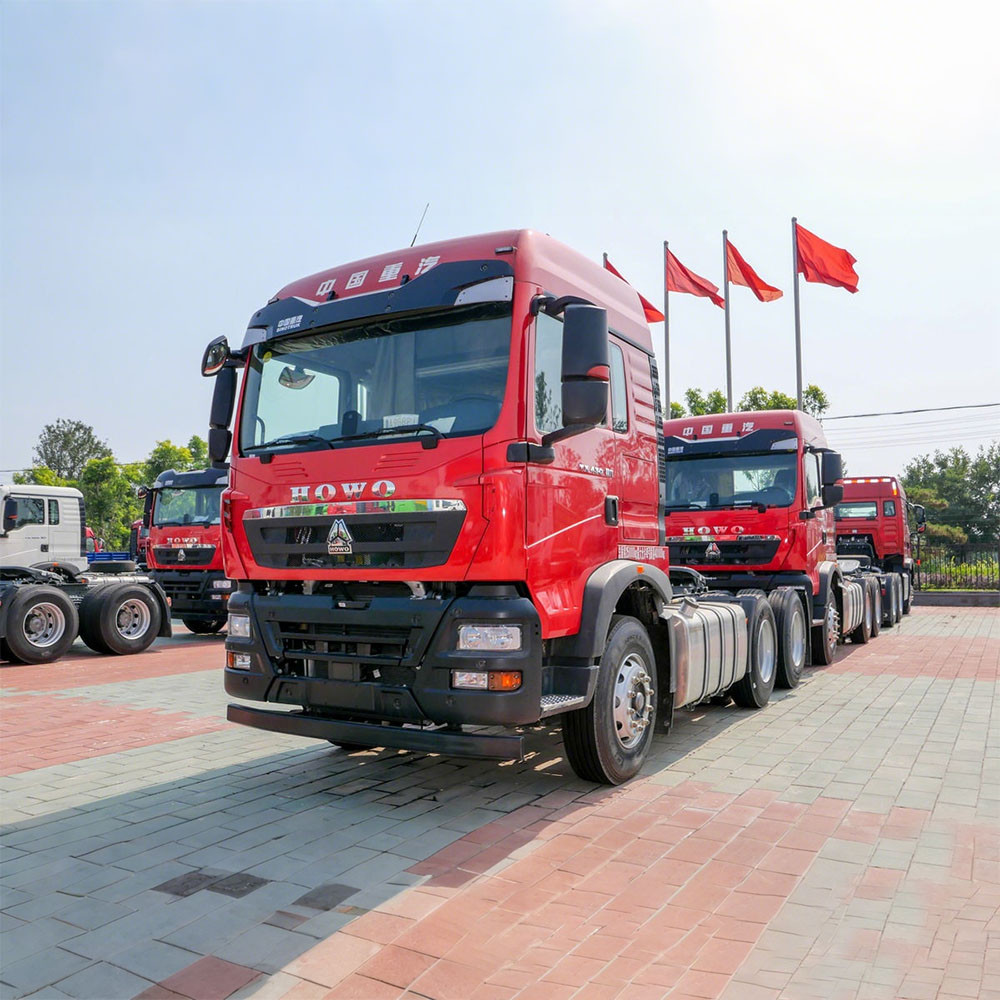
6x4 Is Often the Working Default; 6x6 Is a Specialist Tool
For highway-led desert freight with heavy payloads and occasional access-road work, a 6x4 tractor is commonly the most balanced configuration. Two driven rear axles provide substantially more traction and load-carrying capability than a 4x2 arrangement, while the vehicle remains comparatively efficient and straightforward to maintain. When fitted with differential locks, appropriately selected tyres, and a robust rear suspension, a 6x4 can handle many graded desert roads and compacted site surfaces without the penalty of permanent all-wheel drive.
A 4x2 tractor can still be appropriate for relatively light or moderate gross combination weights on fully paved intercity routes. It can offer lower tare weight and reduced rolling resistance. But its margin for error is smaller. A loaded 4x2 may lose momentum quickly on loose shoulders, soft loading areas, or steep sandy approaches, especially when the fifth-wheel load is not sufficient to maintain drive-axle grip. It is rarely the conservative choice for mixed-surface work.
A 6x6 tractor becomes compelling when traction is required repeatedly, not occasionally: unprepared construction corridors, deep sand, remote utility projects, off-road tanker work, or routes where recovery support is difficult to access. All driven axles improve mobility and reduce the chance that a vehicle becomes stranded with a loaded trailer. Yet that capability comes with trade-offs. The additional drivetrain components increase mass and mechanical complexity, and the configuration may consume more fuel than a comparable 6x4. It should be chosen because the route demands it, not as a broad insurance policy.
Cooling Capacity Is More Important Than Peak Power Claims
Desert heat changes the way a tractor must be specified. Engine cooling, charge-air cooling, transmission cooling, and air-conditioning performance all deserve attention. A high-output engine can still be a poor choice if its cooling package cannot maintain stable operation during low-speed, high-load work in elevated ambient temperatures.
The most punishing condition is often not fast highway running. It is a fully loaded vehicle climbing slowly, towing through soft ground, waiting in heat, or moving in stop-start site traffic. Airflow through the radiator pack is lower at slow speed, while the engine, transmission, and fan may all be under heavy load. A desert-ready tractor should therefore be assessed for its full cooling-system design, fan control strategy, radiator protection, access for cleaning, and manufacturer-approved operating conditions.
Cab comfort is not separate from operational reliability. Drivers exposed to sustained heat fatigue more quickly, and a weak air-conditioning system can affect concentration, rest quality, and retention. The cab should have effective insulation, reliable cooling at idle and low road speed, and a maintenance plan for filters and refrigerant-system inspection. These are ordinary details until a vehicle is operating hundreds of kilometres from the nearest workshop.
Drivetrain Matching: Torque, Ratios, Locks, and Automated Gearboxes
Engine size should be selected against gross combination weight, terrain, cruising speed, and expected average operating speed. More power can help maintain speed on long grades or when pulling heavy loads through loose surfaces, but it does not replace traction, cooling capacity, or correct gearing. An oversized engine paired with unsuitable axle ratios may deliver disappointing fuel consumption without materially improving trip reliability.
Final-drive ratio is particularly important in desert work. A taller ratio may suit steady, high-speed road transport, while a shorter ratio can improve low-speed control and pulling ability under heavy load. The decision should consider tyre rolling radius and legal or operational speed expectations. In mixed operations, a carefully matched compromise is often better than optimising exclusively for highway speed.
Inter-axle and axle differential locks are valuable when used correctly. They can restore mobility when one wheel or axle loses grip, but they are not a substitute for proper route planning or tyre choice. Drivers need clear instructions on when to engage and disengage locks, particularly on firmer surfaces where driveline wind-up can occur. Automated manual transmissions can work very well in desert fleets, provided their calibration supports low-speed manoeuvring and the driver can intervene when momentum management matters. On soft sand, an unnecessary shift at the wrong moment can be enough to stop the combination.
Tyres, Suspension, and Ground Clearance Decide Whether the Truck Keeps Moving
Tyres are frequently treated as a consumable purchasing decision, but in desert logistics they are a configuration choice. Highway-oriented tyres may offer lower rolling resistance and good wear on asphalt, yet they can be vulnerable on sharp stones and may provide poor confidence on loose site surfaces. More open-tread, mixed-service patterns can improve grip and resistance to rough terrain, though they may create more noise and wear faster on long paved runs.
There is no universal tyre pressure for sand, gravel, and highway travel. Any pressure-management practice must follow tyre-maker guidance, axle loads, speed limits, and local safety procedures. Running inappropriate pressures to gain short-term flotation can create heat build-up or sidewall damage. For fleets that regularly transition between hard roads and soft ground, a documented tyre policy is more valuable than informal driver habits.
Suspension selection should reflect the trailer, load sensitivity, and surface quality. Air suspension can improve ride quality and help protect certain cargoes, but harsh off-road use may favour more robust arrangements depending on the application. Adequate ground clearance, protected brake lines, guarded fuel tanks, and sensible routing of electrical harnesses deserve close review. A minor impact on an exposed component can immobilise an otherwise capable tractor.
Fuel Range and Filtration Are Uptime Decisions
Long fuel range is often necessary in remote desert corridors, but larger tanks should be considered as part of the weight and packaging calculation. Tank placement must preserve clearance and avoid exposure to rocks, debris, or severe chassis twist. The practical range should also include reserve capacity for diversions, idling, traffic delays, and unexpected site waiting time rather than relying on ideal consumption figures.
Dust protection needs equal attention. Air-intake routing, pre-cleaners where appropriate, intake restriction monitoring, fuel filtration, and service access all affect availability. Fine dust can shorten filter life quickly; waiting for a routine interval without inspecting operating conditions may be risky. Conversely, fitting restrictive aftermarket parts without validating their effect on airflow can create its own problems. Use the vehicle manufacturer’s approved options and maintenance guidance whenever possible.
Water separation in the fuel system is another practical concern where supply conditions vary. Drivers and technicians should know the inspection and drainage requirements for the installed system. Clean fuel handling at depots matters just as much as the truck’s onboard filtration.
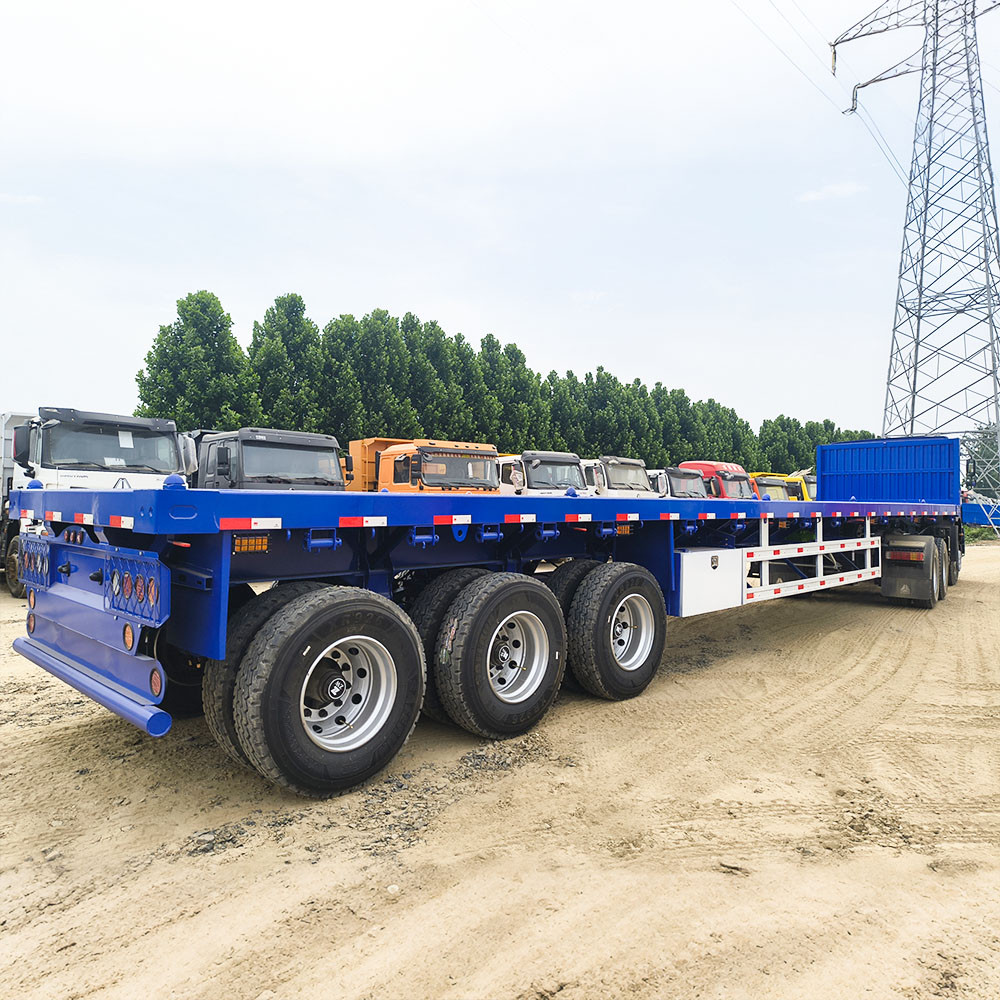
Do Not Specify the Tractor in Isolation
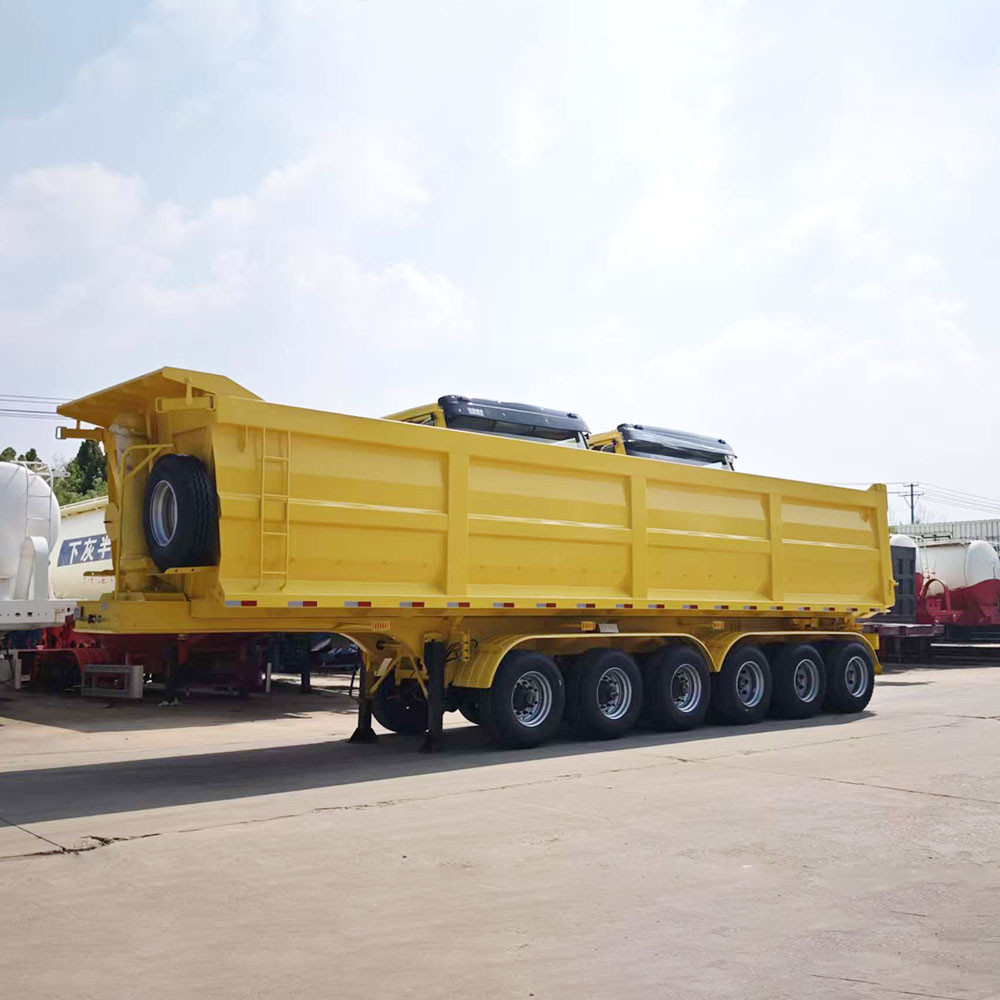
The tractor, trailer, cargo, and support network form one operating system. A heavy low-bed trailer, bulk tanker, curtain-sided unit, refrigerated trailer, or container chassis places different demands on fifth-wheel height, rear-frame clearance, electrical connections, air capacity, and kingpin loading. The correct tractor wheelbase and fifth-wheel position should be confirmed with the intended trailer geometry, not selected from a generic fleet preference.
Service coverage may influence the final choice as much as hardware. In remote operations, confirm the availability of trained technicians, diagnostic capability, wear parts, filters, tyres, recovery support, and the likely lead time for critical components. A technically attractive configuration can be difficult to justify if its parts support is weak along the actual operating corridor.
Before committing to a specification, operators should review real payloads, route maps, expected daily distances, trailer data, ambient conditions, fuel plans, and maintenance resources with the vehicle supplier or engineering team. For many desert freight applications, a properly cooled, well-filtered 6x4 with the right tyres, differential locks, fuel capacity, and trailer match is the most sensible answer. Where the route repeatedly demands off-road mobility, a 6x6 can earn its additional cost. The best configuration is the one that keeps the full transport combination moving safely through its normal working day—not merely the one that looks most capable on paper.
Please give us a message
Our engineers help you choose the right truck or trailer based on:
- Your cargo type
- Road condition
- Payload requirement
- Local regulations