
Which Parts Should You Inspect Before Buying a Used Heavy Duty Truck?
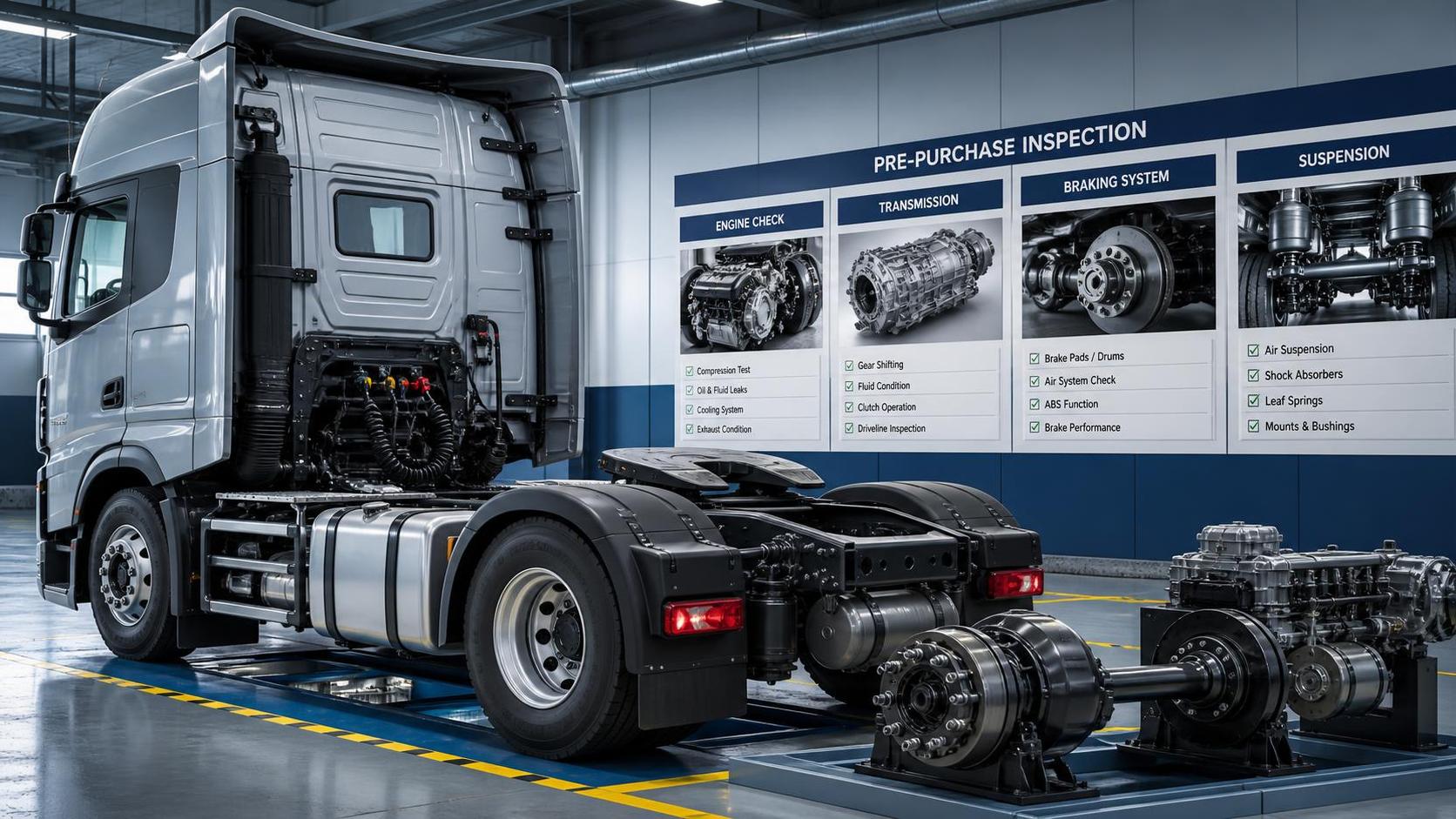
Most buyers who search this question are not really asking how to spot a truck with worn paint or a dirty cab. They are trying to avoid a bad asset decision. A used heavy duty truck can look acceptable in a yard and still turn into months of repairs, missed deliveries, and weak resale value. That is why the pre-purchase inspection matters less as a formality and more as a filter: you are checking whether the truck can still earn reliably under your actual workload.
That workload matters. A truck used for regional construction haulage ages differently from one that spent its life on highway lanes under stable loads. A buyer running long-distance freight should inspect with a different mindset than a buyer moving aggregate, fuel, or containers in short cycles. The right question is not simply, “Is this truck in decent condition?” It is, “Can this truck do my work without creating avoidable downtime?”
That also explains why many operators now ask, are Chinese heavy duty trucks reliable for long haul. In the used market, country of origin by itself tells you very little. Reliability depends far more on the specific platform, engine family, maintenance quality, parts support in your region, axle and transmission match, and the truck’s previous duty cycle. A well-maintained Chinese truck with solid service support may be a better long-haul buy than a poorly maintained premium-brand unit with hidden drivetrain wear. The inspection has to get you past reputation and into evidence.
Start with the truck’s work history, not the bodywork
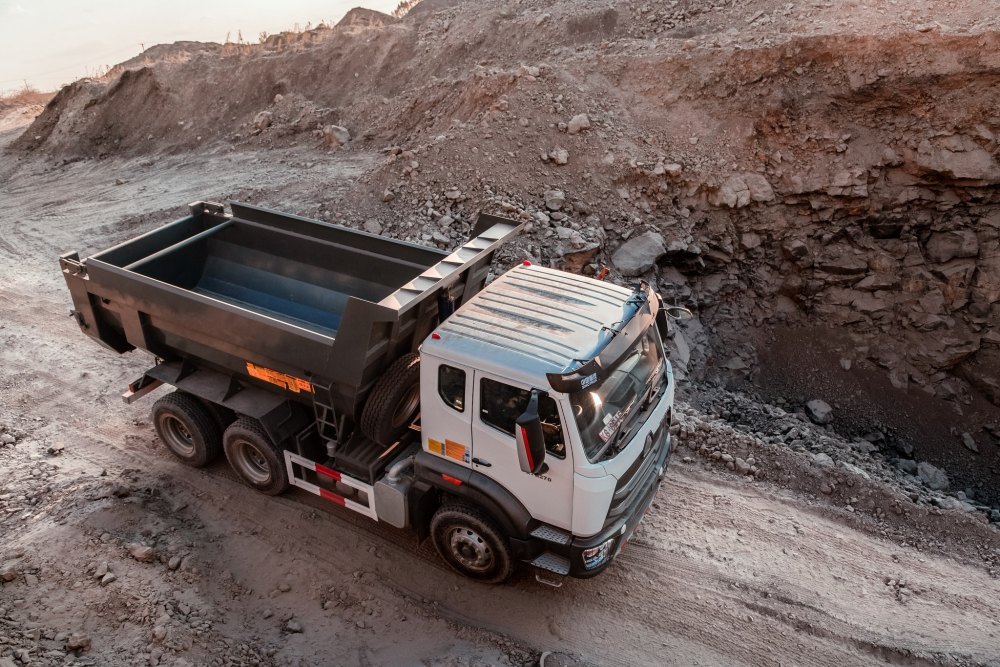
Before checking components, ask what the truck was doing before it came to market. Was it fleet-operated or owner-operated? Was it carrying stable highway freight, overloaded materials, or stop-start urban loads? Has it spent time in mining, ports, mountain routes, or harsh winter conditions? These details shape wear patterns.
A truck with high mileage but disciplined highway service can be a safer purchase than a lower-mileage truck that spent years overloaded or idling heavily. Odometer reading alone does not tell the full story. Engine hours, idle hours if available, maintenance records, and repair history often tell more.
At this stage, pay attention to documentation gaps. Missing service records do not automatically mean the truck is bad, but they increase your risk. If the seller cannot explain major repairs, component replacements, emissions system work, or accident history clearly, you should assume more inspection depth is required.
The engine deserves attention, but not only for obvious leaks
The engine is still the first major system most buyers think about, and for good reason. An overhaul or replacement can erase the apparent price advantage of a used truck very quickly. But a useful engine inspection goes beyond looking for oil on the ground.
Check for cold-start behavior. A truck that starts well only after warming, external assistance, or extended cranking may be signaling fuel system, compression, injector, or electrical issues. Watch exhaust color during startup and under throttle. Excessive black smoke, blue smoke, or persistent white smoke can point to different combustion problems, though diagnosis should remain cautious unless a technician confirms the cause.
Inspect for:
- Oil leaks around seals, gaskets, turbo lines, and the oil pan
- Coolant contamination, low coolant level, or signs of overheating
- Blow-by from the crankcase breather
- Irregular idle, knocking, or turbo whistle outside normal range
- Evidence of poor-quality repairs, improvised hoses, or non-standard wiring
If possible, request diagnostic readings and compression-related evaluation from a qualified technician. Modern heavy duty engines can hide faults behind temporary resets or cosmetic cleaning. A fault code scan is not enough by itself, but it is better than buying blind.
Be especially careful with emissions-related systems on newer trucks. EGR, DPF, and SCR faults can become repeat-cost items if the truck was used with poor fuel quality, neglected regeneration cycles, or undocumented tampering. In some markets, emissions compliance issues can also affect registration and legal operation. If system status cannot be verified, treat that as a commercial risk, not just a maintenance issue.
Transmission and clutch problems often show up under load, not at idle
A parked inspection will miss many transmission problems. The truck needs to be driven, ideally with enough load or resistance to expose shift quality. Whether manual or automated manual, the gearbox should engage gears cleanly, without hesitation, grinding, harsh shock, or abnormal delay.
During a road test, listen and feel for:
- Slipping under acceleration
- Hard or delayed shifts
- Noise in specific gears
- Vibration through the driveline
- Clutch engagement too high, too low, or inconsistently
Also inspect the driveshaft, universal joints, differential housings, and axle seals. Buyers sometimes focus heavily on the engine and forget that driveline repairs can be expensive, time-consuming, and operationally disruptive. On long-haul applications, smooth power delivery matters for fuel economy, driver fatigue, and component life.
The chassis tells you how the truck was treated
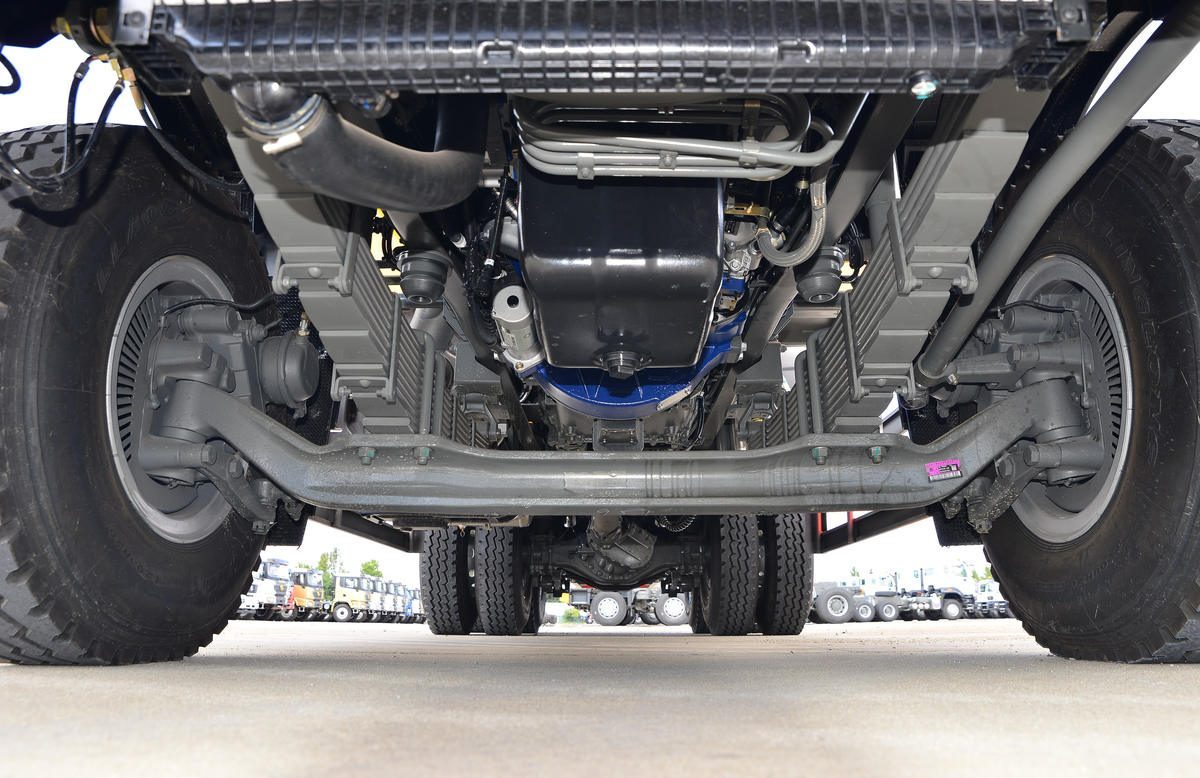
The frame is one of the clearest indicators of past abuse. Look underneath. A chassis that has been repeatedly overloaded, poorly repaired after an accident, or exposed to severe corrosion usually leaves clues. Check for cracks, welded repairs, rust scale, misalignment, and uneven suspension geometry.
Pay attention around suspension mounting points, cross members, fifth wheel areas, and axle connection points. Fresh paint in isolated spots can be harmless, but it can also be used to mask repairs. Ask direct questions when you see localized refinishing around structural areas.
For tractor units, inspect the fifth wheel carefully. Excessive wear, poor lubrication, loose mounting, or signs of impact can suggest hard coupling conditions or poor maintenance discipline. In long-haul work, trailer connection reliability is not a small issue. It affects safety, tire wear, trailer handling, and driver confidence.
Suspension, steering, and alignment affect more than ride comfort
Many used truck buyers underestimate the importance of suspension and steering because these systems often fail gradually rather than suddenly. But in real operations, worn bushings, weak shocks, tired springs, or loose steering components lead to unstable handling, uneven tire wear, and driver complaints that translate into real operating cost.
Inspect leaf springs or air suspension components for cracks, leaks, sagging, damaged mounts, and uneven ride height. Check steering linkage, tie rods, steering box response, and wheel play. During the road test, note whether the truck tracks straight, returns predictably from turns, and remains stable under braking.
If the vehicle pulls to one side or shows unusual front tire wear, do not assume it only needs alignment. That pattern can also reflect chassis damage, steering wear, suspension fatigue, or axle issues.
Brake condition should be judged as a system
On a heavy duty truck, brakes are not a simple consumable line item. They are a system involving drums or discs, linings, chambers, valves, air lines, ABS components, compressor performance, and often retarder integration depending on configuration. If one part has been neglected, others may also be compromised.
Check air pressure build-up time, audible leaks, brake application feel, chamber condition, hose integrity, and wear consistency across axles. Uneven wear can suggest adjustment problems, dragging brakes, or maintenance shortcuts. During the road test, the truck should brake straight and predictably without severe vibration or side pull.
For long-distance routes with gradients, braking performance matters even more. A truck that is “good enough” on flat local roads may become a liability on mountain corridors or under full payload conditions.
Tires reveal cost, maintenance culture, and possible hidden defects
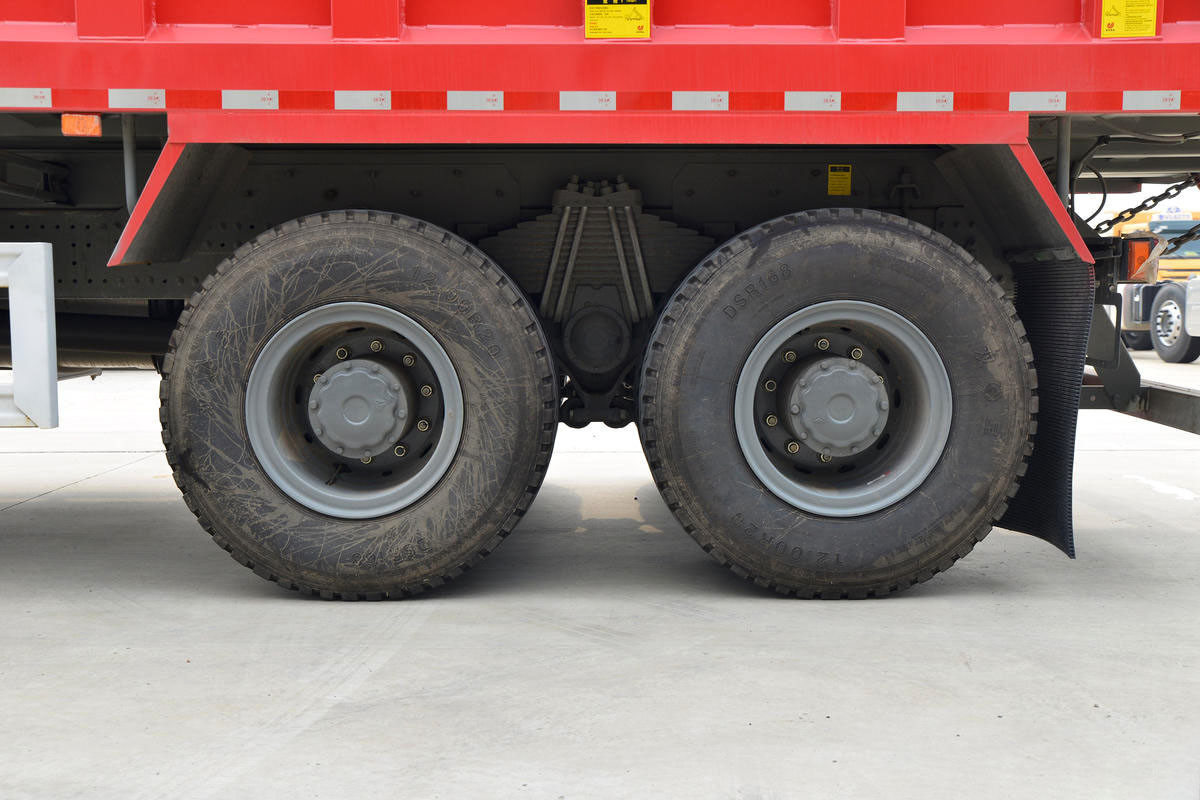
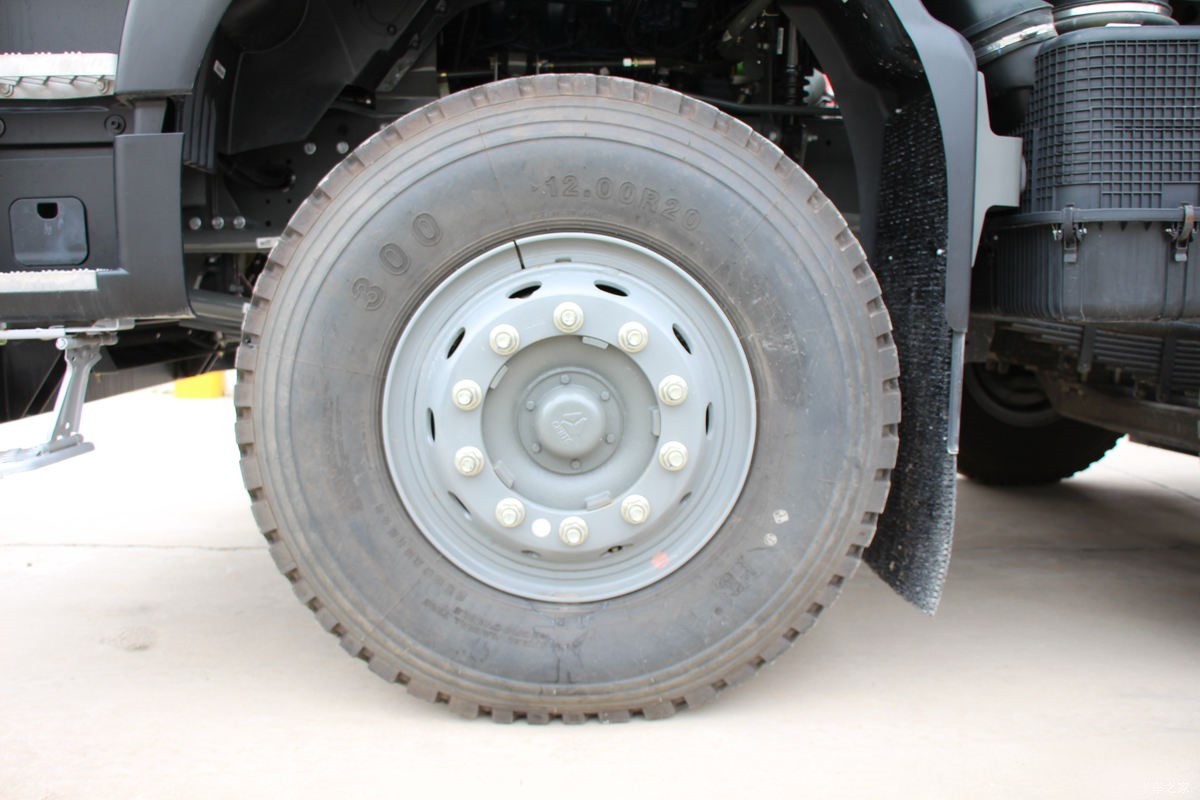
Tires are often treated as a pricing negotiation detail, but they can reveal far more than replacement cost. Uneven wear patterns may point to alignment problems, suspension wear, overloaded service, or poor inflation discipline. Mixed brands and inconsistent tread depth across positions may indicate opportunistic maintenance rather than planned upkeep.
Look for sidewall damage, retread quality where applicable, irregular shoulder wear, cupping, and heat-related distress. Then connect those observations back to the truck’s broader condition. A seller who deferred tire management may also have deferred other maintenance.
For fleet buyers, tire condition should be calculated both as an immediate expense and as a signal. Cheap purchase price plus immediate tire replacement plus unresolved alignment issues is rarely a bargain.
Electrical and electronic faults can become downtime traps
Used heavy duty trucks increasingly depend on sensors, control units, wiring harnesses, and onboard diagnostics. A truck may run and still carry electronic problems that become difficult to trace later, especially if previous repairs were improvised.
Check lighting, dashboard warnings, battery condition, alternator charging, starter behavior, connectors, and visible harness routing. Water ingress, corrosion, added switches, bypassed circuits, and taped harness repairs deserve extra caution. Even when faults are not catastrophic, electrical problems are notorious for causing unpredictable downtime and repeated workshop visits.
This is also where support infrastructure matters. If you are evaluating a used Chinese heavy duty truck for long-haul work, the truck itself is only half the decision. The other half is whether your operating region has parts availability, technicians familiar with that platform, diagnostic tools, and reasonable lead times. A mechanically acceptable truck can still be a poor long-haul asset if support is weak.
Cab condition matters because it reflects both use and retention value
Cab inspection is not just about comfort. Excessive wear in the cabin can indicate high utilization, poor maintenance culture, water leaks, or accident repairs. Inspect seat wear, pedal wear, switch function, HVAC performance, instrument operation, and signs of cabin corrosion or moisture intrusion.
For long-haul operations, cab quality affects driver acceptance and retention more than some buyers admit. If the truck will be used on multi-day routes, sleeper condition, insulation, climate control, and vibration levels become operational factors. A truck that drivers avoid is not a productive purchase, even if the drivetrain looks acceptable on paper.

Check service records with a buyer’s skepticism
Maintenance records are valuable, but they should be read critically. A thick file is not automatically proof of strong upkeep. Sometimes it shows a truck that has been chronically problematic. What you want to see is not simply volume of repairs but logic and consistency: scheduled service intervals, proper fluids, timely replacement of wear items, and clear handling of major component issues.
Useful questions include:
- When were the clutch, injectors, turbo, suspension parts, and brake components last replaced?
- Has the engine or transmission been rebuilt? If yes, by whom and with what documentation?
- Were emissions system repairs carried out by authorized service providers?
- Has the truck had major accident repair or frame work?
- What parts are currently close to end of life?
Where records are incomplete, price should reflect uncertainty. Too many buyers negotiate on visible cosmetic defects and ignore undocumented mechanical exposure, which is usually the more expensive mistake.
A short comparison framework helps narrow the risk
How to think about Chinese heavy duty trucks in the used market
The reliability question around Chinese heavy duty trucks is now more nuanced than it was years ago. Some platforms have improved materially in design maturity, manufacturing consistency, and export readiness. But the used market is never just about how the truck left the factory. It is about how it was specified, operated, maintained, and supported after delivery.
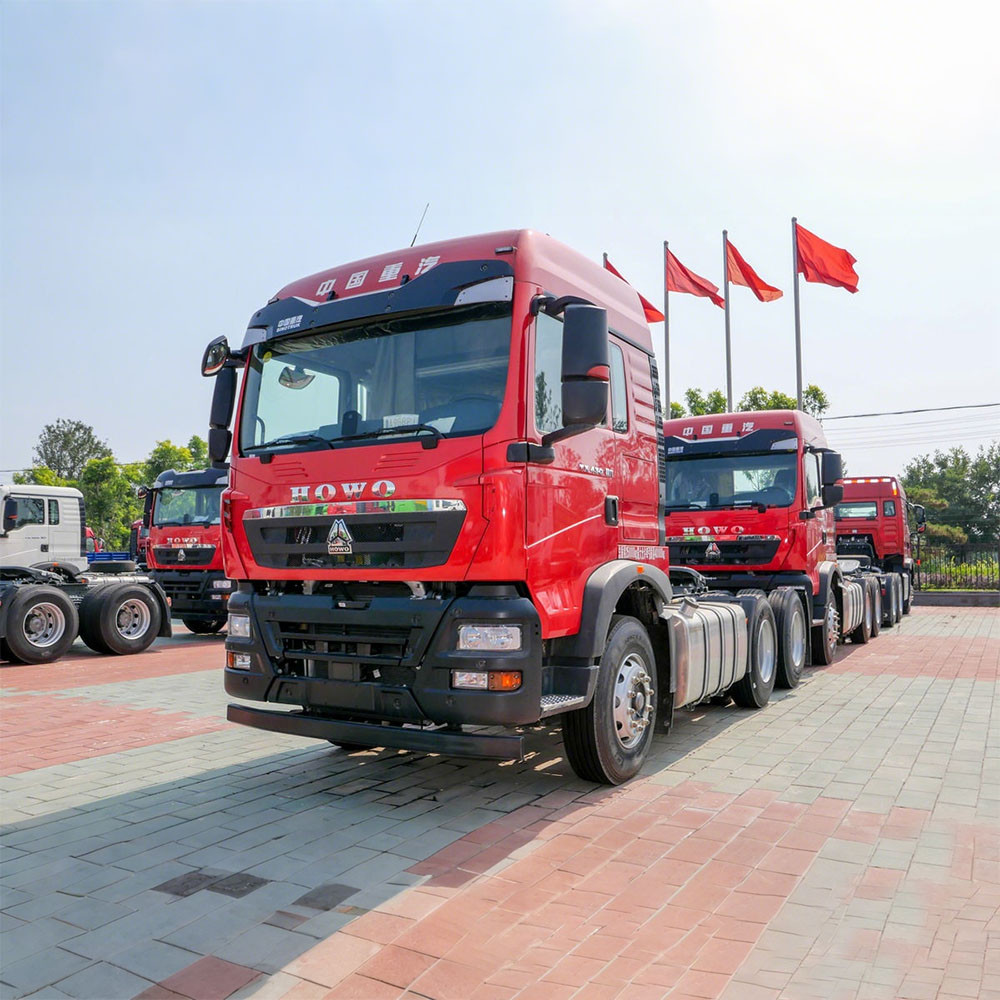
If you are asking whether Chinese heavy duty trucks are reliable for long haul, focus on four practical filters. First, is the model already proven in comparable route conditions? Second, can you get fast access to engine, brake, suspension, and electronic parts in your market? Third, do local workshops actually know the platform? Fourth, does the used unit in front of you show disciplined maintenance rather than price-driven patchwork?
When those answers are strong, a Chinese truck may be commercially viable for long-haul use, especially for buyers balancing acquisition cost with acceptable operating risk. When those answers are weak, even an attractive purchase price may become expensive through downtime, delayed parts, and low resale confidence.

Bring the inspection back to total operating cost
The mistake in many used truck purchases is treating inspection as a pass-fail exercise. In practice, very few used trucks are perfect. The real objective is to identify what will require money, when it will require money, and whether that timing fits your operation. A truck that needs predictable tires, brakes, and minor suspension work may still be a smart buy. A truck with uncertain engine condition, weak records, and limited support access usually is not, even if it looks cheaper on the deal sheet.
That is why serious buyers combine three things before committing: a physical inspection, a road test, and an independent technical assessment. If the truck is intended for long-haul duty, do not skip any of them. The used truck market rewards buyers who can separate cosmetic presentation from mechanical truth, and who understand that reliability begins before the truck ever enters service under a new owner.
Please give us a message
Our engineers help you choose the right truck or trailer based on:
- Your cargo type
- Road condition
- Payload requirement
- Local regulations