
What Truck Is Best for Rough Terrain Port Operations in Nigeria?
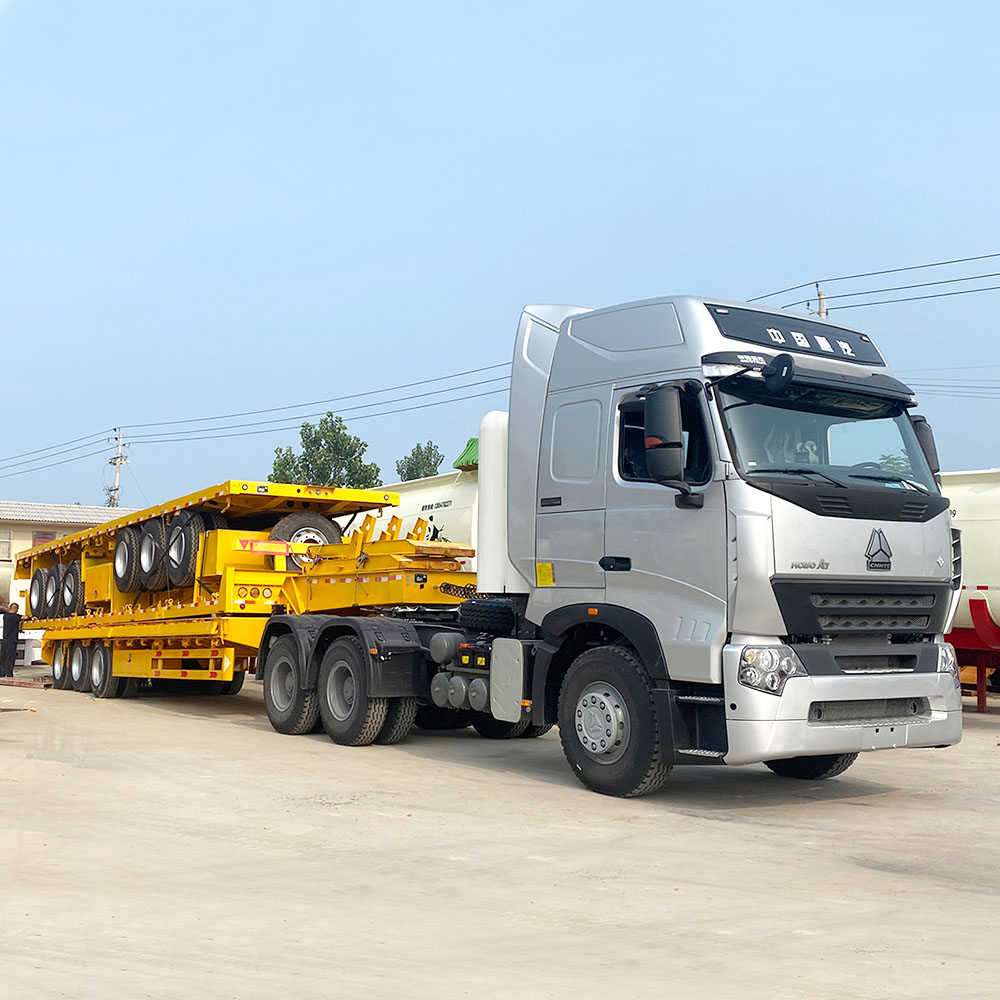
What truck is best for rough terrain port operations in Nigeria? For most operators, the best choice is usually a heavy-duty off-road or port-oriented truck with high ground clearance, strong torque, reinforced suspension, dependable braking, and proven parts support in Nigeria. In practice, the right answer is less about one universal brand and more about matching truck specification to port surface conditions, cargo weight, trip distance, and maintenance realities.
In Nigeria’s port environment, trucks often face broken pavement, muddy access roads, standing water, congestion, overloading pressure, and long idle periods. A truck that performs well on smooth highways may struggle badly in these conditions. That is why fleet managers, terminal operators, and logistics companies need to evaluate durability, uptime, fuel use, axle configuration, and service support before making a purchase decision.
What matters most when choosing a truck for rough terrain port operations?
The core search intent behind “what truck is best for rough terrain port operations in Nigeria?” is practical decision-making. The reader is not looking for generic truck theory. They want to know what kind of truck can work reliably in difficult Nigerian port conditions without creating constant repair costs, delays, or safety problems.
For this reason, the most important factors are traction, structural strength, load stability, braking confidence, and ease of maintenance. Buyers also care about how quickly the truck can return to service after a fault. In rough terrain port work, downtime often costs more than the initial purchase price difference between truck models.
Another major concern is whether the truck can handle mixed use. Many port operators do not run trucks only inside terminals. Vehicles may move containers or bulk loads from port areas to inland depots, warehouses, or industrial yards. That means the truck must be capable on poor surfaces while still remaining efficient and roadworthy over longer distances.
Why normal road trucks often fail in Nigerian port environments
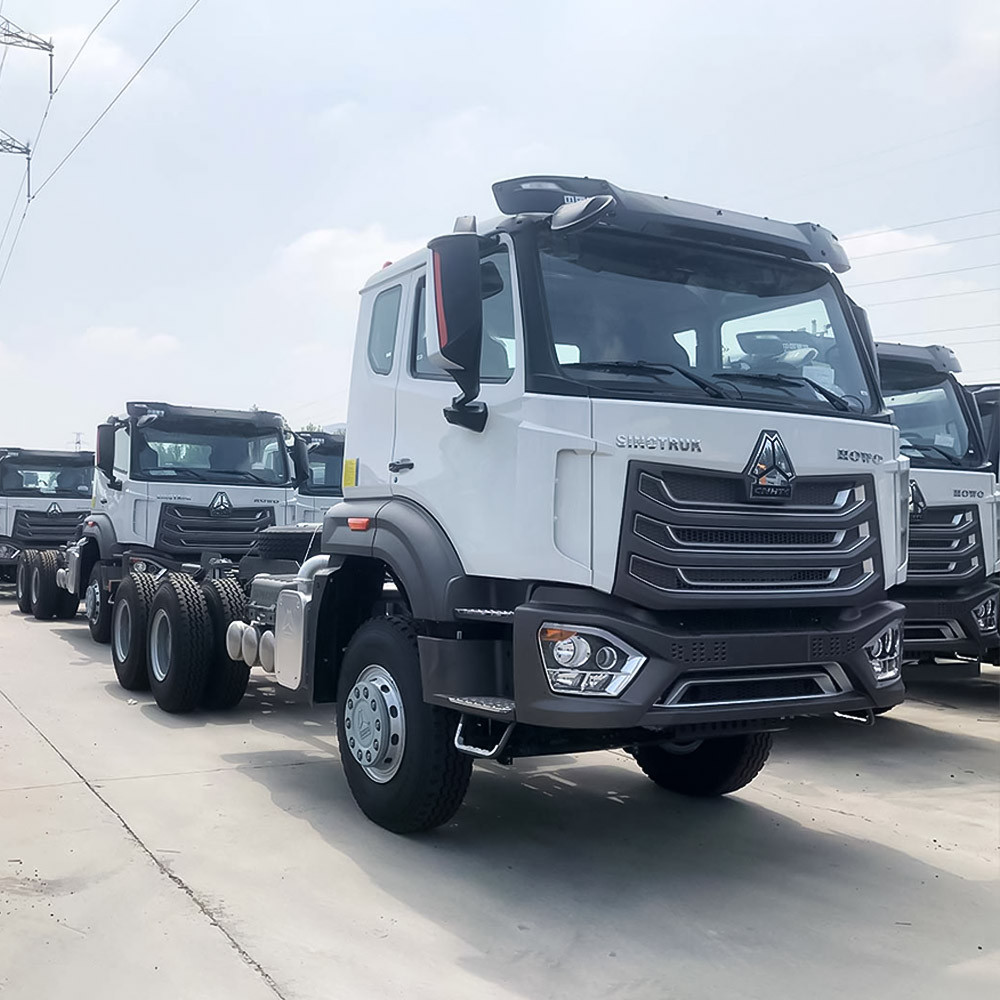
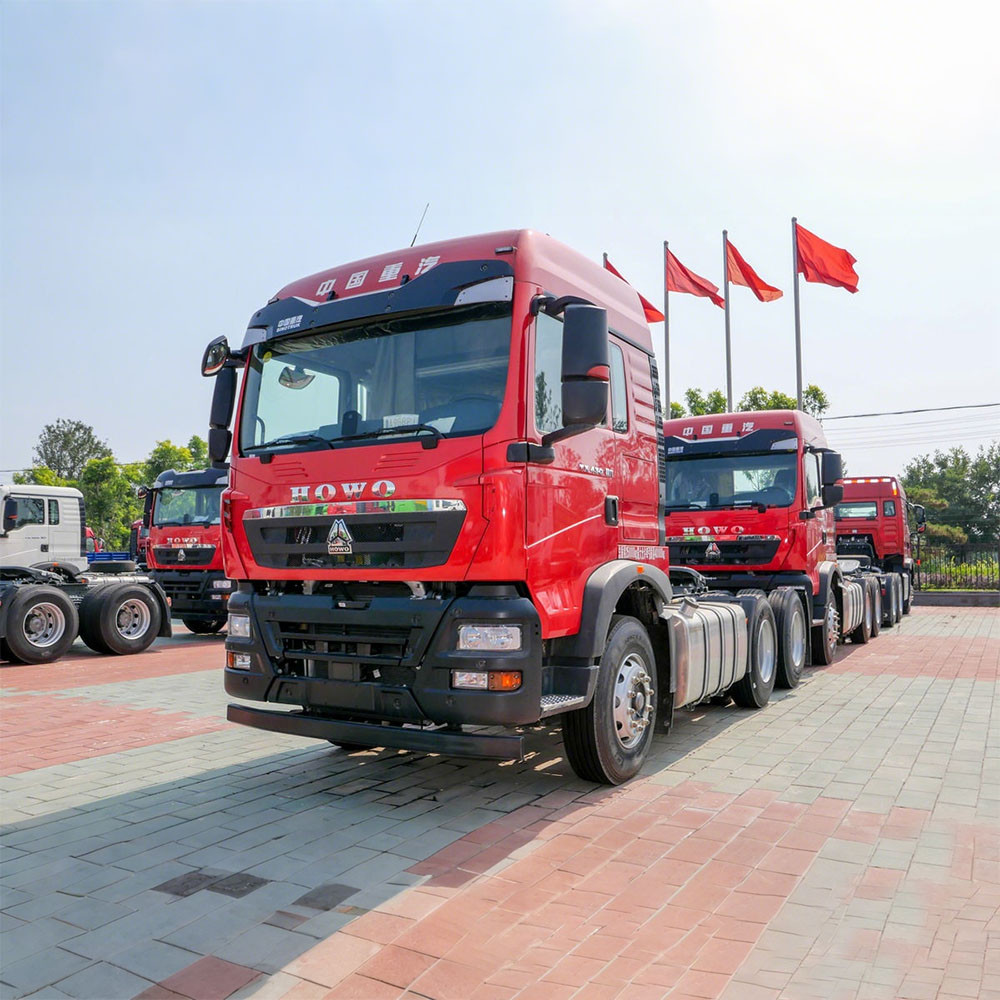
A standard road tractor is built mainly for paved highways and controlled freight routes. In rough terrain port operations, that design can become a weakness. Low ground clearance increases underbody damage risk, lighter suspension suffers faster wear, and less robust driveline components may fail under repeated shock loads.
Ports in Nigeria can expose vehicles to a combination of potholes, uneven concrete, loose gravel, mud, standing water, and overloaded cargo handling patterns. These conditions stress axles, leaf springs, bushings, tires, wheel hubs, and chassis members. If a truck is not built for repeated punishment, operating costs rise quickly.
Another common issue is traction loss. When trucks need to pull heavy loads from soft, broken, or slippery surfaces, insufficient axle grip becomes a serious problem. Wheel spin wastes fuel, increases tire wear, delays loading cycles, and can even create safety hazards in busy port traffic areas.
This is why many operators asking what truck is best for rough terrain port operations in Nigeria should start by ruling out lightly built highway-only trucks. A lower purchase price may look attractive at first, but it often turns into higher maintenance cost and lower fleet availability.
Which truck type is usually the best fit?
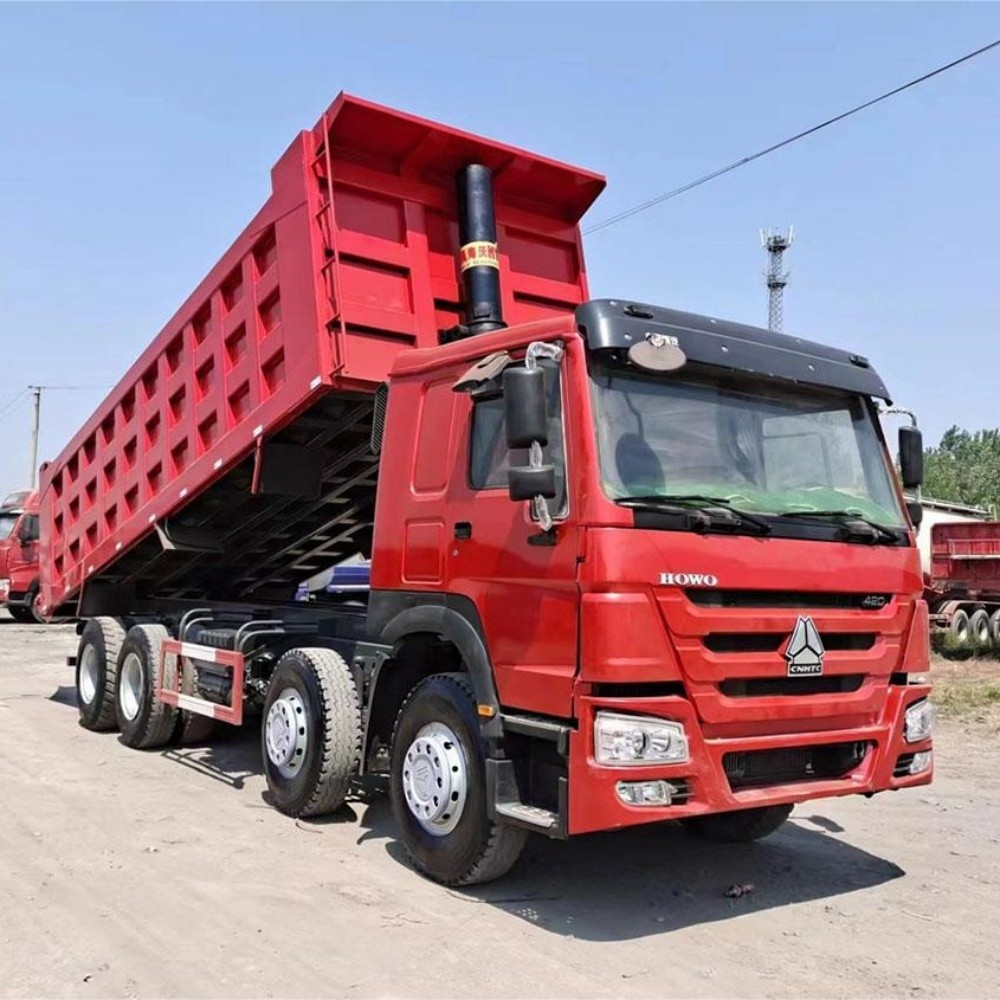
In most cases, the best fit is a heavy-duty 6x4 or 8x4 truck designed for construction, mining, heavy haulage, or severe-duty logistics work. For container and port-related hauling, a robust 6x4 tractor head is often the practical baseline. Where surfaces are especially poor or load demands are extreme, operators may need an 8x4 rigid truck or a more specialized off-road platform.
A 6x4 configuration gives better traction than a 4x2, especially when carrying or pulling heavy loads over unstable surfaces. The extra driven axle improves grip and weight distribution, which matters when exiting muddy sections, climbing broken ramps, or maneuvering across damaged access roads.
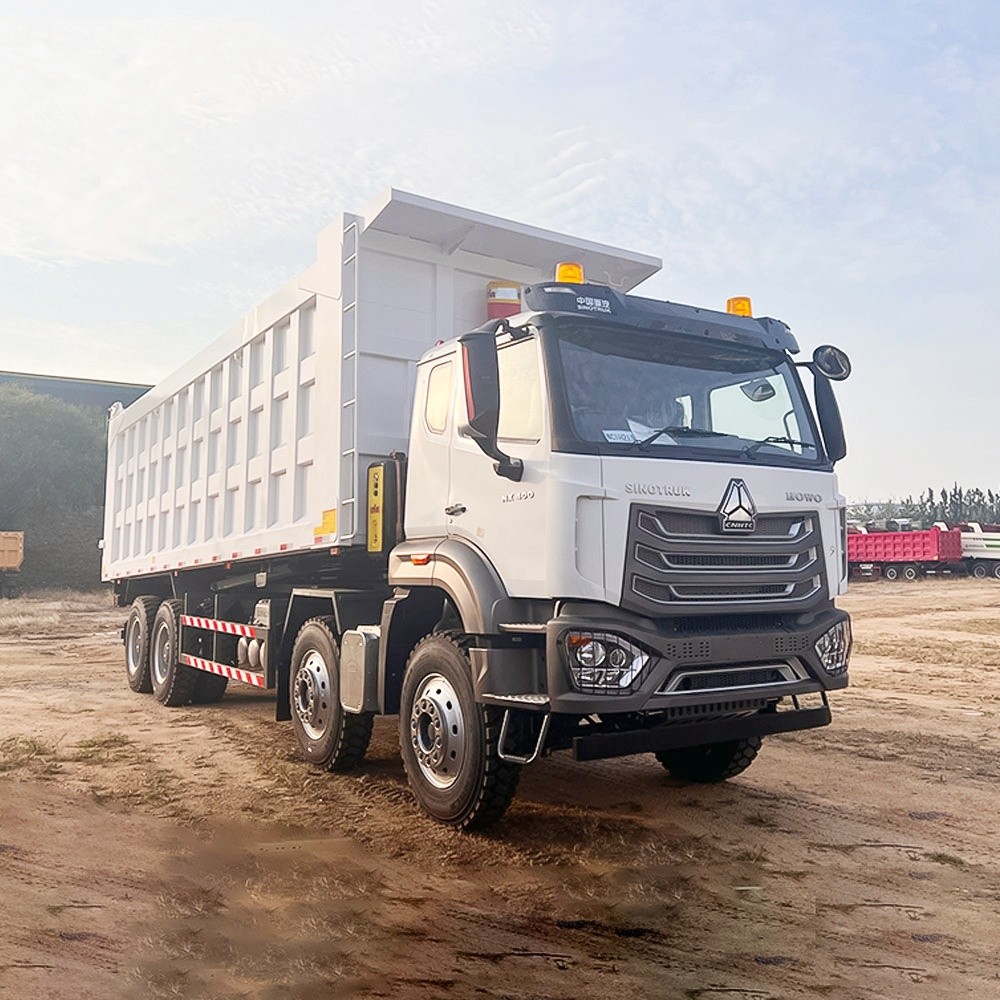
An 8x4 truck can be valuable for applications involving heavy bulk cargo, short-haul yard movement, or consistently overloaded ground conditions. It offers better load handling and structural support, though it may come with higher fuel consumption, a larger turning radius, and more complex maintenance needs.
For some terminal environments, specialized terminal tractors or yard trucks may also be useful. However, these are usually best when the truck stays within a controlled facility. If the vehicle must also travel on public roads or connect port operations with inland destinations, a severe-duty road-legal truck is usually more versatile.
What specifications should buyers check first?
Engine torque should be one of the first things on the checklist. In rough terrain operations, low-end pulling power matters more than headline horsepower alone. A truck that delivers strong torque at lower engine speeds can move heavy cargo more smoothly, reduce clutch stress, and perform better on soft or uneven surfaces.
Ground clearance is another major factor. Trucks operating in Nigerian ports often need enough height to avoid scraping the undercarriage on potholes, broken ramps, and temporary earth sections. Better clearance helps protect the oil sump, transmission housing, fuel tanks, brake lines, and suspension parts.
Suspension design also deserves close attention. Reinforced mechanical suspension is often preferred in harsh working conditions because it is durable and easier to maintain than more delicate systems. The ideal setup depends on load type and operating terrain, but the basic rule is simple: the suspension must absorb repeated shock without frequent failure.
Frame strength matters just as much. A reinforced chassis reduces the risk of structural fatigue when the truck is exposed to uneven loading surfaces and repeated impacts. Buyers should look for trucks with a reputation for strong frame construction, especially if they expect high payload pressure or long daily duty cycles.
Brake performance cannot be treated as a secondary feature. Port areas involve congestion, stop-start movement, slippery ground, and heavy loads. Reliable service brakes, engine braking support, and stable braking behavior under load are essential for safety and for protecting the driveline over time.
How important are tires, axles, and traction systems?
They are critical. Many truck buying decisions focus too heavily on engine and cabin comfort while underestimating how much rough terrain performance depends on tires, axle ratios, differential locks, and load distribution. In port operations, these components can decide whether a truck keeps moving or becomes a bottleneck.
Tires should be selected for durability, sidewall strength, and mixed-surface grip. A tire optimized only for highway fuel economy may wear quickly or lose performance on gravel, mud, and broken concrete. Stronger commercial tires with suitable tread patterns usually provide better value in this environment.
Axle capacity must align with actual working loads, not just nominal legal loads on paper. Nigerian operating conditions can be unforgiving, and under-specified axles will suffer accelerated wear. Heavier-duty axles and correct gearing help the truck launch smoothly with cargo and reduce stress on the drivetrain.
Differential locks are especially useful in rough terrain settings. When one wheel loses grip, a differential lock can help transfer usable traction and keep the truck moving. For operators dealing with seasonal mud, standing water, or damaged surfaces, this feature can prevent costly delays and towing events.
What brands or truck families are commonly considered?
Operators in Nigeria often consider brands and truck lines known for heavy-duty haulage, construction, and severe service applications. Models from Sinotruk HOWO, SHACMAN, MAN, Mercedes-Benz, Volvo, Scania, and IVECO are commonly discussed depending on budget, duty cycle, local dealer presence, and parts availability.
Budget-sensitive buyers may lean toward Chinese heavy-duty trucks because they can offer strong payload capability at a lower acquisition cost. These can be viable choices when supported by a reliable local supplier and disciplined maintenance planning. The key issue is not only purchase price, but the quality of after-sales support and component durability under real operating loads.
European brands are often valued for driveline refinement, safety features, and long-term reliability, especially when fleet maintenance is well managed. However, the higher purchase price and parts cost can change the value equation. For some operators, the better truck on paper is not the best truck in practice if service access is limited.
That is why the question “what truck is best for rough terrain port operations in Nigeria?” should not be answered by brand name alone. The smarter approach is to shortlist models that match the terrain, cargo profile, and service network available in the operating region.
How should operators compare total cost instead of just purchase price?
Initial price is important, but it is only one part of the real cost. A cheaper truck may consume more fuel, need more suspension repairs, suffer longer downtime, or require harder-to-find spare parts. Over time, those hidden costs can exceed the savings made at purchase.
Fleet buyers should compare total cost of ownership across several areas: fuel consumption, scheduled maintenance, tire wear, brake wear, unplanned repairs, driver productivity, resale value, and downtime impact. In rough terrain port work, unplanned repair frequency is often one of the biggest cost drivers.
It also helps to estimate cost per productive trip rather than cost per truck. A vehicle that completes more trips with fewer stoppages may be the better business choice even if it costs more upfront. For port logistics, the ability to maintain flow is directly tied to revenue and customer confidence.
Maintenance simplicity is another financial factor. If a truck can be repaired quickly by local technicians using available parts, the fleet remains more resilient. A technically advanced truck with poor support may become expensive through lost operating days rather than through spare parts alone.
What operating conditions in Nigeria should shape the final decision?
Nigeria’s port logistics environment includes distinct local realities that should shape truck selection. These include road damage around access corridors, heavy traffic congestion, long waiting times, variable fuel quality, weather-related ground instability, and strong pressure for trucks to work beyond ideal capacity.
High ambient heat and stop-start operation can affect engine cooling, brake wear, and lubrication performance. A truck chosen for these conditions should have robust cooling capacity and components designed for heavy daily use. Reliability under low-speed, high-load operation is often more important than top-speed performance.
Water exposure also matters. During rainy periods, drainage problems and mud can change surface conditions dramatically. Trucks for rough terrain port operations should have adequate sealing, corrosion resistance, and traction features that support consistent movement when the ground becomes unstable.
Local support infrastructure should weigh heavily in the final choice. Even an excellent truck becomes a poor asset if parts are delayed for weeks or technicians lack experience with the model. Buyers should confirm service coverage, parts stock, and workshop capability before making a commitment.
What questions should a serious buyer ask before choosing?
Before selecting a truck, buyers should ask how much of the vehicle’s working day will be spent on damaged surfaces, how heavy the average load will be, and whether the truck will operate only within port zones or also on highways and inland routes. These answers determine the right balance between toughness and efficiency.
They should also ask suppliers for real operating references in similar Nigerian conditions. A truck that performs well in brochures may behave very differently in Apapa traffic, muddy terminal roads, or congested industrial corridors. Local field performance matters more than marketing claims.
Another useful question is how quickly common wear parts can be sourced. Brake components, suspension parts, filters, tires, clutches, and axle parts should be readily available. If routine maintenance items are difficult to obtain, fleet reliability will suffer regardless of the truck’s design strength.
Driver usability should not be ignored. A truck that is difficult to maneuver, unstable when loaded, or overly tiring to operate can create both safety and productivity issues. Driver feedback from trial use can reveal practical problems that are not obvious in technical specifications.
Final answer: what truck is best for rough terrain port operations in Nigeria?
The best truck is usually a severe-duty 6x4 or 8x4 model built for heavy haulage and harsh surface conditions, with strong torque, reinforced suspension, high ground clearance, durable axles, reliable braking, and solid parts support in Nigeria. For many operators, a robust 6x4 tractor head is the most balanced option for container and cargo movement linked to port operations.
There is no single best truck for every business. The right choice depends on whether the truck works mainly inside the port, connects to inland depots, carries containers or bulk cargo, and faces seasonal mud or damaged access roads. A truck with the right specification and dependable local support will usually outperform a more expensive or more famous model that is poorly matched to the job.
So if you are asking what truck is best for rough terrain port operations in Nigeria, focus on application fit first, then durability, then service support, and only after that on purchase price. That sequence leads to better uptime, lower operating risk, and stronger long-term value for port logistics operations.
Please give us a message
Our engineers help you choose the right truck or trailer based on:
- Your cargo type
- Road condition
- Payload requirement
- Local regulations