
What Safety Features Should a Fuel Tanker Semi Trailer Have?
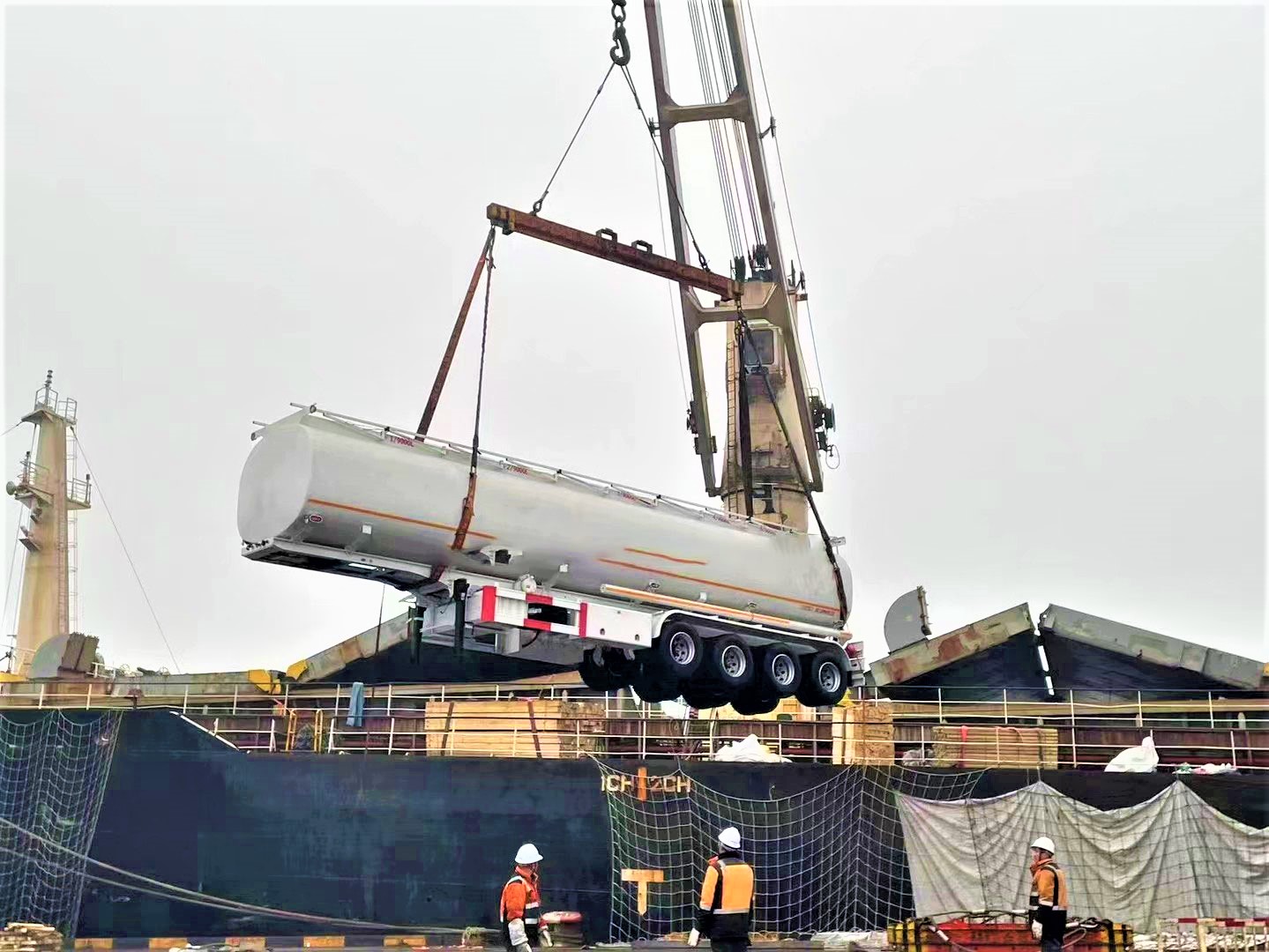
What Safety Features Should a Fuel Tanker Semi Trailer Have?
When transporting flammable liquids, choosing the right equipment is not just a procurement decision. It affects route risk, driver exposure, loading efficiency, insurance expectations, roadside compliance, and what happens in the few seconds after something goes wrong. That is why fuel tanker semi trailer safety features deserve close attention before anyone compares price, axle count, or delivery time.
A good tanker is not simply a tank mounted on a chassis. It is a system built to control movement, static electricity, internal liquid surge, vapor release, rollover forces, brake heat, and emergency isolation. Some features are obvious from the outside. Others are only clear once you review the tank structure, piping layout, valving logic, and how the trailer is expected to operate in real loading terminals and public-road conditions.
The most useful way to evaluate safety is to think in layers: prevention, control, and consequence reduction. Prevention means avoiding rollovers, brake failures, leaks, and ignition. Control means keeping the vehicle stable and the product contained if the operator makes a mistake or road conditions change suddenly. Consequence reduction means limiting spill volume, vapor spread, fire escalation, and exposure for people nearby.
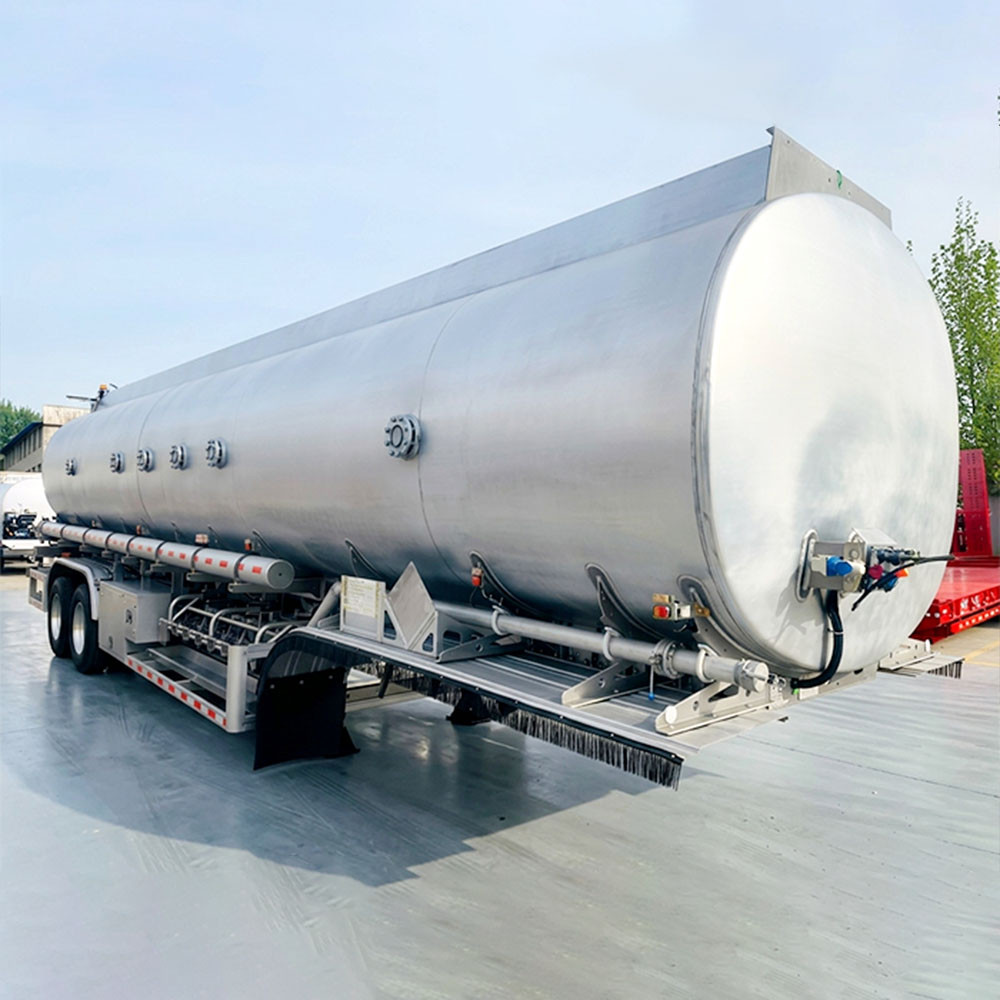
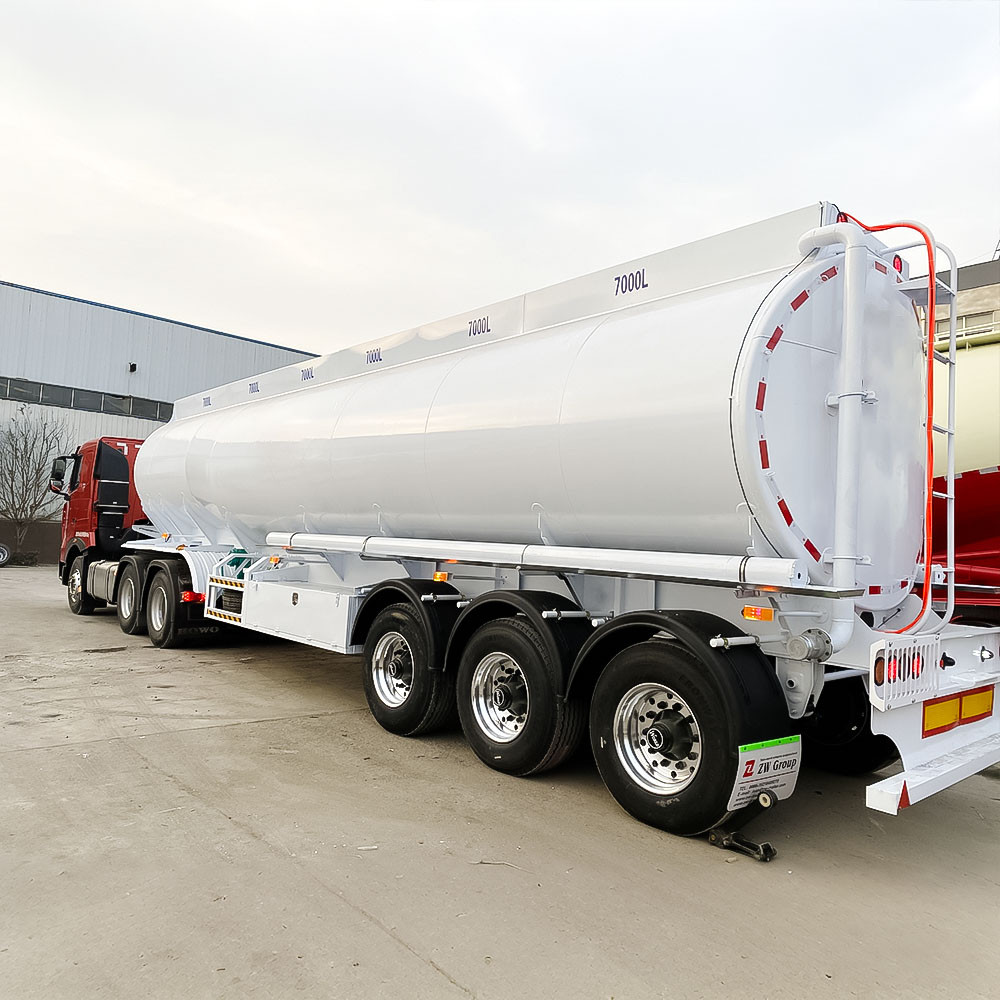
Tank design comes first
The tank shell and its internal structure are the starting point. A fuel tanker semi trailer should have a design suitable for the liquid being carried, including material compatibility, wall thickness appropriate to the intended service, and a geometry that helps maintain stability. Lower center of gravity matters. So does weight distribution across axles.
One of the most important but often overlooked safety elements is surge control. Liquid cargo moves. During braking, turning, or lane changes, that movement can increase stopping distance or amplify rollover risk. Baffles or compartmentalization help reduce surge, although the ideal layout depends on the product, compartment volume, and unloading method. A trailer carrying multiple fuel grades may use several compartments not only for product separation but also to improve load control compared with one large uninterrupted cavity.
Reinforced rollover protection is another key point. In practice, this may involve structural protection around manholes, top fittings, and vulnerable piping zones so that if the trailer tips or slides, those components are less likely to shear off and release product. Buyers should not assume all tankers provide the same level of rollover survivability simply because they look similar externally.
Bottom loading and bottom discharge need protection, not just convenience
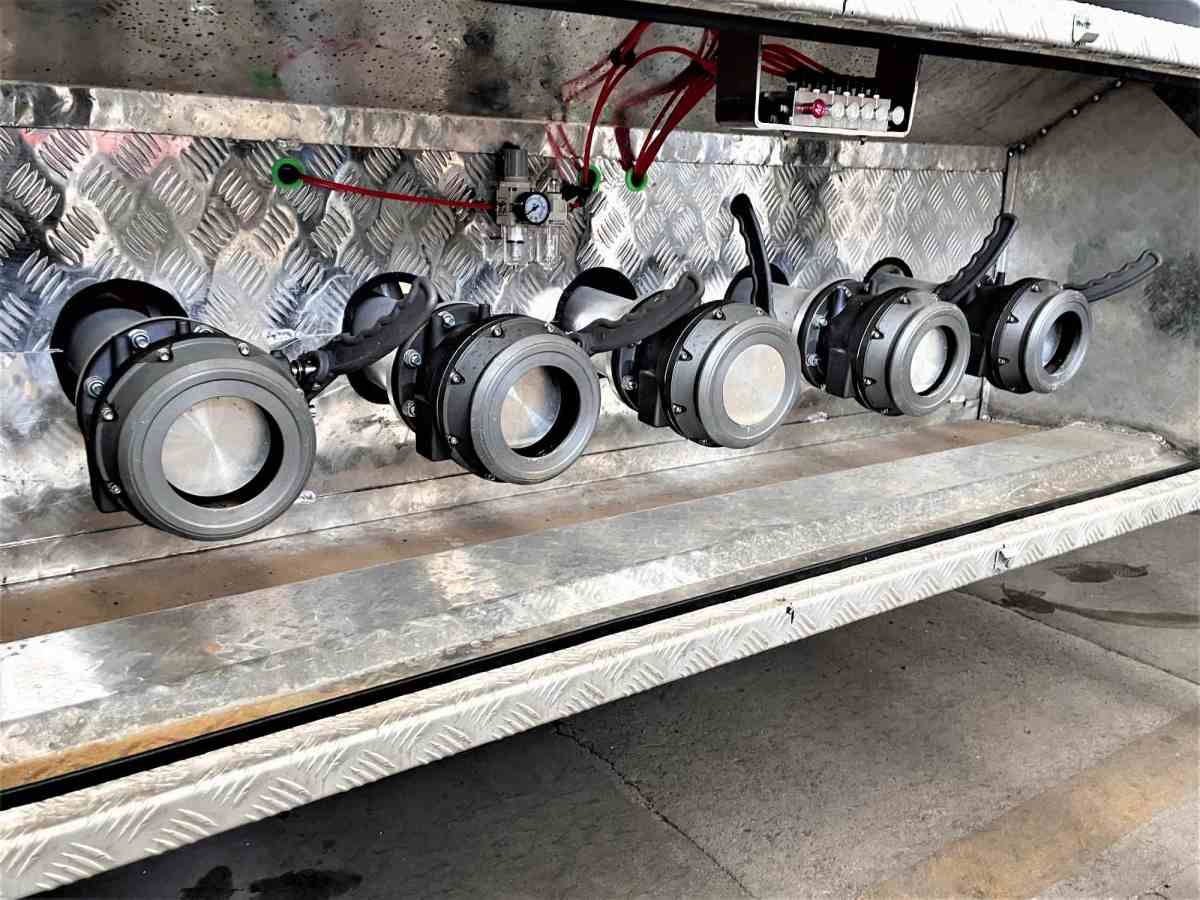
Modern fuel distribution often relies on bottom loading and bottom discharge because it can be faster, cleaner, and better for vapor control. But it also concentrates critical valves and piping in an exposed lower area. That creates a clear safety design requirement: the bottom system must be protected against impact, accidental opening, and line damage.
Emergency shut-off valves are essential. If a hose fails, a coupling is damaged, or a fire starts near the discharge system, operators need a reliable way to isolate product flow quickly. Many buyers focus on whether an emergency valve exists, but the better question is how it is actuated, where the controls are located, whether they can be reached in an emergency, and how the system behaves if air or power is lost.
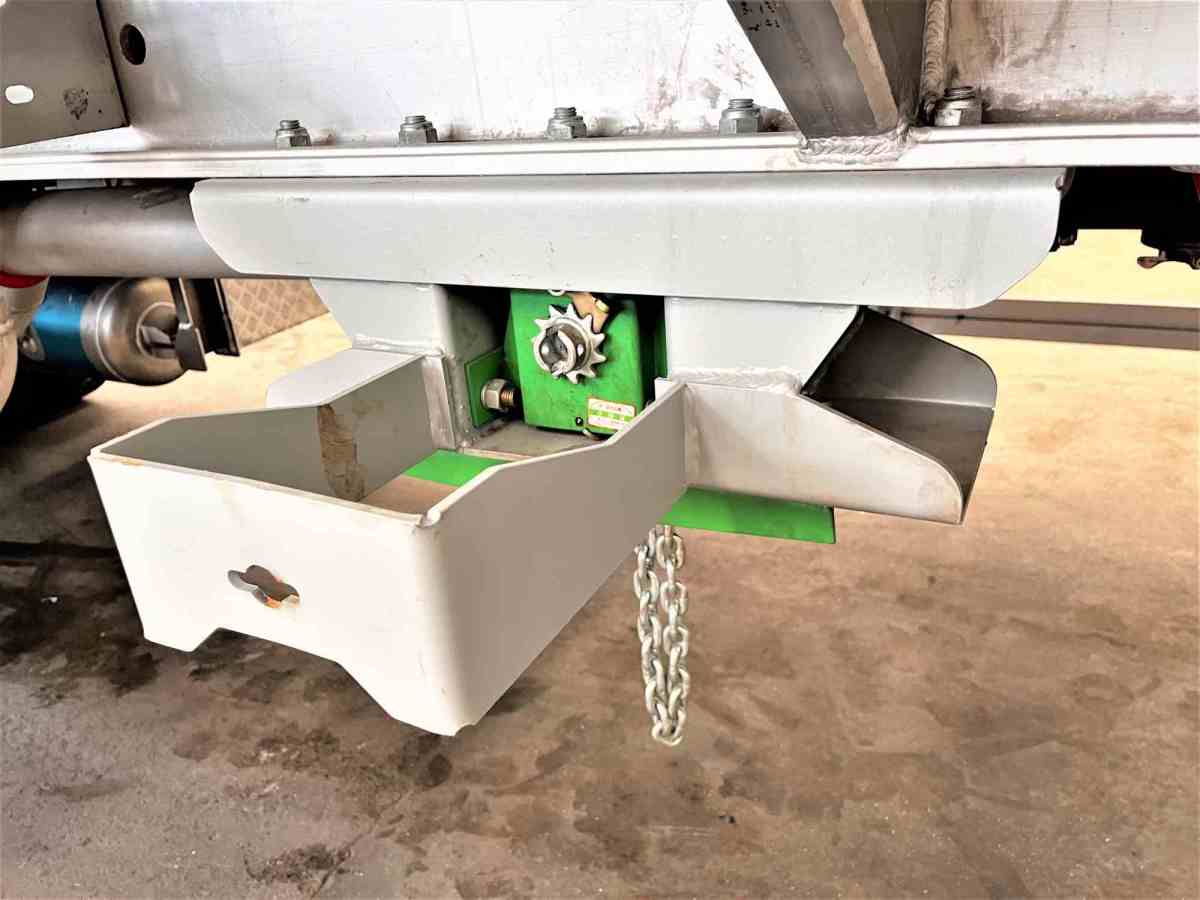
The piping should also be arranged to minimize snag points and shield vulnerable sections from road debris or curb strikes. Protective guards, recessed placement, and robust supports are not cosmetic details. They are practical defenses against leaks caused by routine operating damage.
Vapor management is a safety issue, not an accessory
Fuel vapors create fire risk and can also lead to compliance issues depending on the market and terminal setup. A tanker intended for petroleum service should have appropriate vapor recovery provisions where required, along with pressure and vacuum relief arrangements matched to the application. These systems help prevent excessive tank pressure during loading or temperature change, while reducing unnecessary vapor release.
Manholes, seals, vents, and couplings need to maintain integrity over repeated loading cycles. Poor sealing does not always show up as a dramatic failure. Sometimes it appears as persistent odor, minor vapor loss, or wet connections that operators start treating as normal. That is exactly the kind of “small” issue that deserves attention early.
Static grounding and electrical protection are non-negotiable
Flammable-liquid transport always raises the question of ignition sources. Static accumulation during loading and unloading is one of them. A fuel tanker semi trailer should include proper grounding provisions and bonding paths appropriate for terminal procedures and local requirements. This is not just about attaching a cable; it is about ensuring continuity through the system so that charge does not build where product flow and vapor are present.
Electrical wiring around lighting, ABS, and auxiliary systems should be well protected, routed away from likely damage zones, and sealed against moisture intrusion. Explosion risk is managed by the whole design, not by a single device. That includes how connections are made, where cables run, and how maintenance teams inspect them over time.
Braking and stability systems matter more than many buyers admit
A tanker carrying fuel behaves differently from a dry freight trailer. Its center of mass shifts, and liquid movement changes how the trailer reacts under braking and cornering. So core road-safety systems deserve just as much attention as the tank itself.
Anti-lock braking systems are widely expected in many markets, and electronic braking support may also be part of the required configuration depending on jurisdiction and trailer category. Buyers should verify what is mandatory locally rather than assume one specification works across countries. Beyond legal compliance, stable and predictable braking reduces the chance that a routine evasive maneuver turns into a jackknife or rollover event.
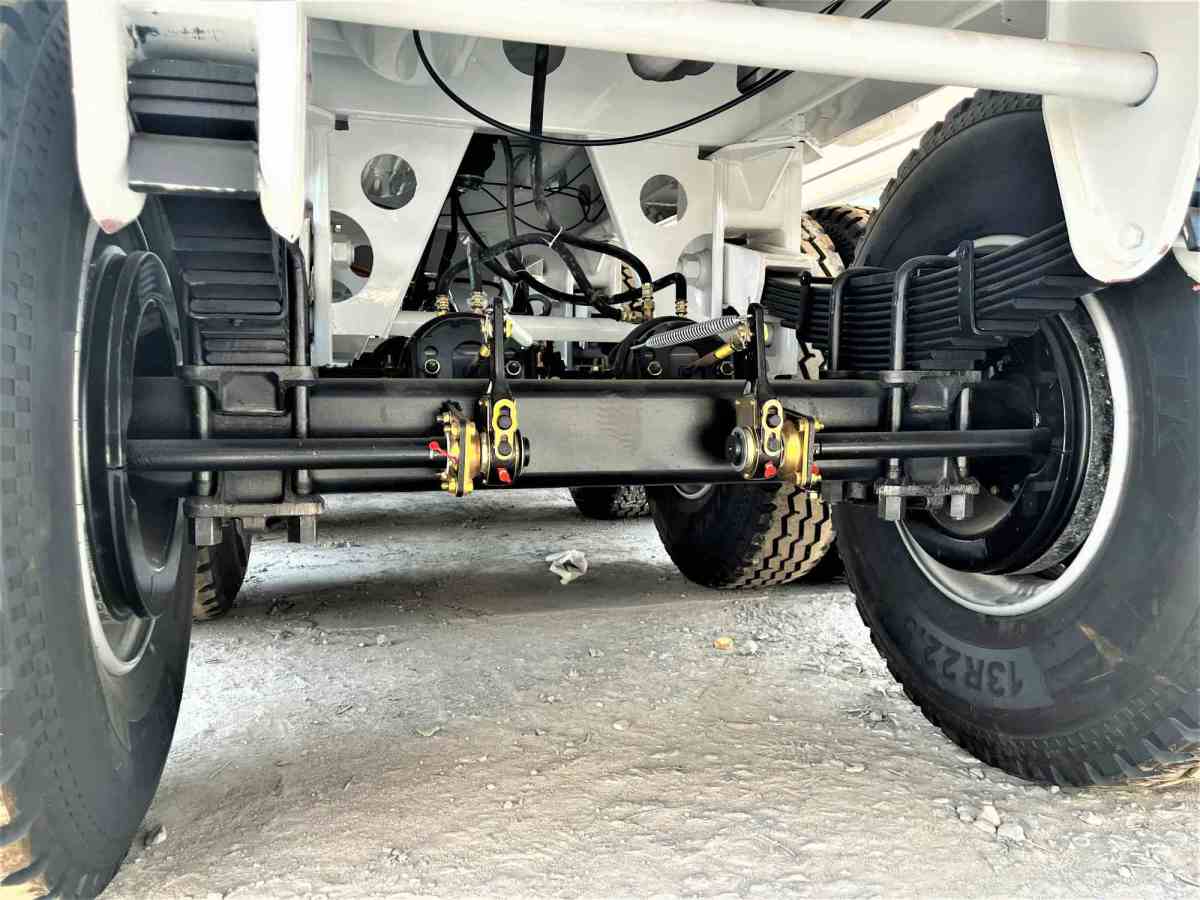
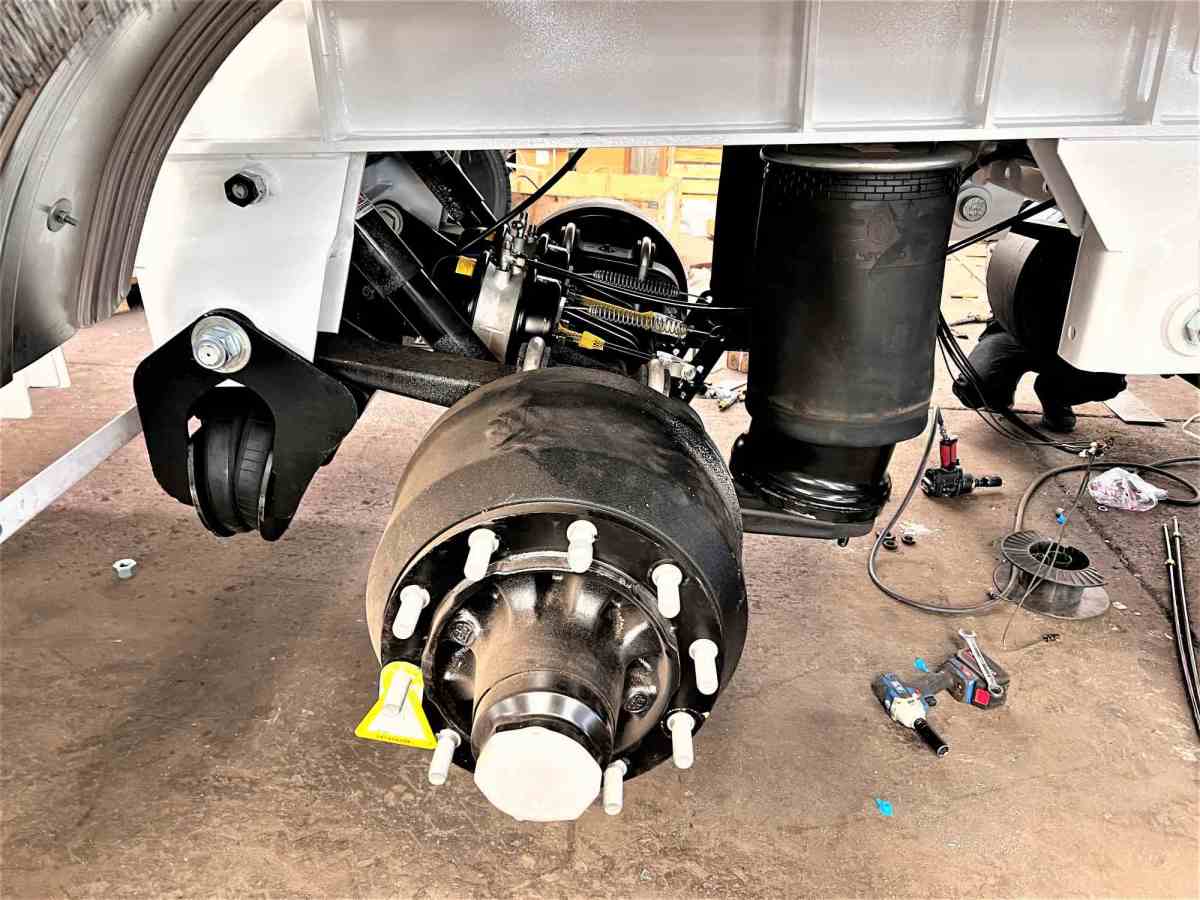
Suspension selection also affects safety. Air suspension is often chosen for ride quality and cargo protection, but the right configuration depends on axle loads, road conditions, maintenance discipline, and how much stability the operation needs in partially loaded conditions. There is no universal “best” setup without looking at the route profile and payload pattern.
Rollover prevention is partly design, partly operating reality
Rollover is one of the highest-consequence tanker accidents, and it rarely comes down to one single cause. Speed, ramp geometry, sudden steering input, uneven load distribution, tire condition, suspension response, and liquid surge all interact. That is why anti-rollover thinking should appear throughout the trailer design.
Look for a combination of low center-of-gravity design, balanced compartment arrangement, quality running gear, and compatibility with stability-related vehicle systems where applicable. Wide claims about “anti-rollover design” are not enough on their own. Ask what design choices actually support that claim and how they relate to the cargo density and fill levels expected in service.
Fire response details should be practical
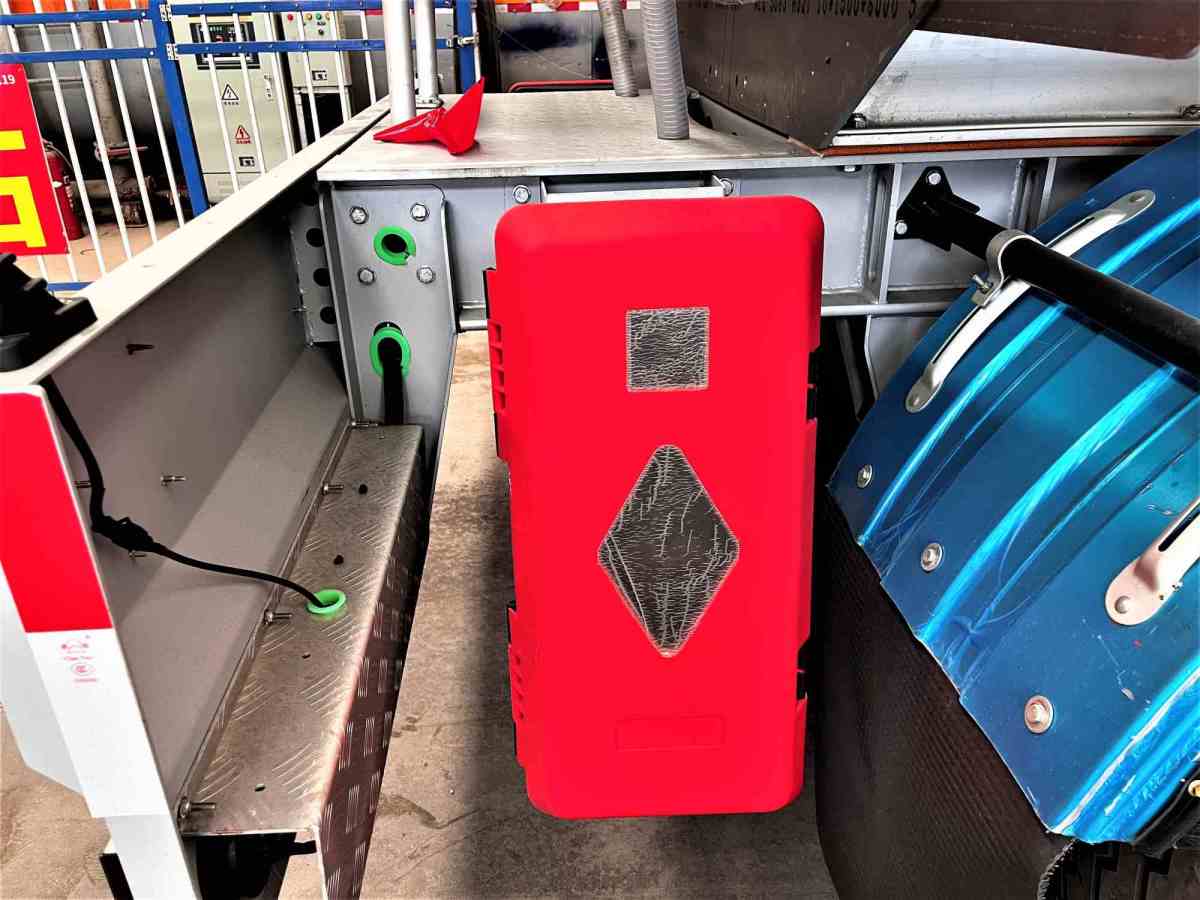
Some safety features matter only when an incident has already started, but they still deserve serious weight in the buying decision. Emergency cut-off accessibility, placement of extinguishers where required, clearly marked shut-off points, and safe access for first response all help reduce confusion under stress.
Walkways, ladders, and handrails should also be considered part of the safety package. Falls during inspection, top access, or cleaning are common enough in transport operations that they should not be treated as secondary. If drivers must climb onto the trailer, slip resistance and secure handholds matter. In some operations, reducing or eliminating the need for top access may be the safer route.
Leak prevention often depends on ordinary components
Not every serious incident begins with a crash. Many start with a worn gasket, an incompatible seal material, a damaged hose coupling, or a neglected valve. In day-to-day fleet use, these “small parts” have an outsized influence on risk. A well-specified tanker should use fittings, seals, and hoses suited to the fuel types involved and to the cleaning and maintenance practices the fleet actually uses.
Access for inspection is another underrated feature. If critical valves and lines are difficult to inspect, small defects stay hidden longer. Serviceability is a safety issue. A trailer that looks clean on paper but is difficult to maintain can become a higher-risk asset after a few years in operation.
Documentation and compliance should match the destination market
Fuel tanker semi trailer safety features cannot be judged in isolation from regulations. Requirements for hazardous-goods transport vary by country and sometimes by application, including differences in brake systems, lighting, rollover protection, tank testing, vapor recovery, and product-specific equipment. A trailer that is acceptable in one market may need changes before it can be legally used in another.
This is where buyers need discipline. Instead of asking for a “standard export tanker,” confirm the route country, product class, loading terminal interface, required documents, and inspection expectations before finalizing the build. Usually, the right safety specification comes from matching the trailer to the job, not from adding every possible option.
A short checklist for evaluating a tanker specification
- How is liquid surge controlled: baffles, compartments, or both?
- Are bottom valves and piping protected against impact and accidental opening?
- How do emergency shut-off systems work, and can they be reached quickly?
- What vapor control or relief systems are included for the intended fuel and terminal method?
- How is grounding handled during loading and unloading?
- What braking and stability equipment is fitted, and does it meet local rules?
- Are manholes, fittings, and top equipment protected in a rollover scenario?
- Can maintenance teams inspect and replace wear components without excessive disassembly?
- Do the build documents, testing records, and markings align with the destination market?
In the end, the safest tanker is not the one with the longest option list. It is the one whose design, protection systems, and maintenance access fit the fuel, the route, the terminal practice, and the legal environment. If you are reviewing a trailer specification, the most useful next step is usually to verify operating conditions in detail: product type, compartment needs, loading method, local compliance rules, and how your team will inspect the trailer after it enters service. That is where good safety decisions become practical ones.
Please give us a message
Our engineers help you choose the right truck or trailer based on:
- Your cargo type
- Road condition
- Payload requirement
- Local regulations