
Is SINOTRUK HOWO Reliable for Copper Mining in Tanzania?
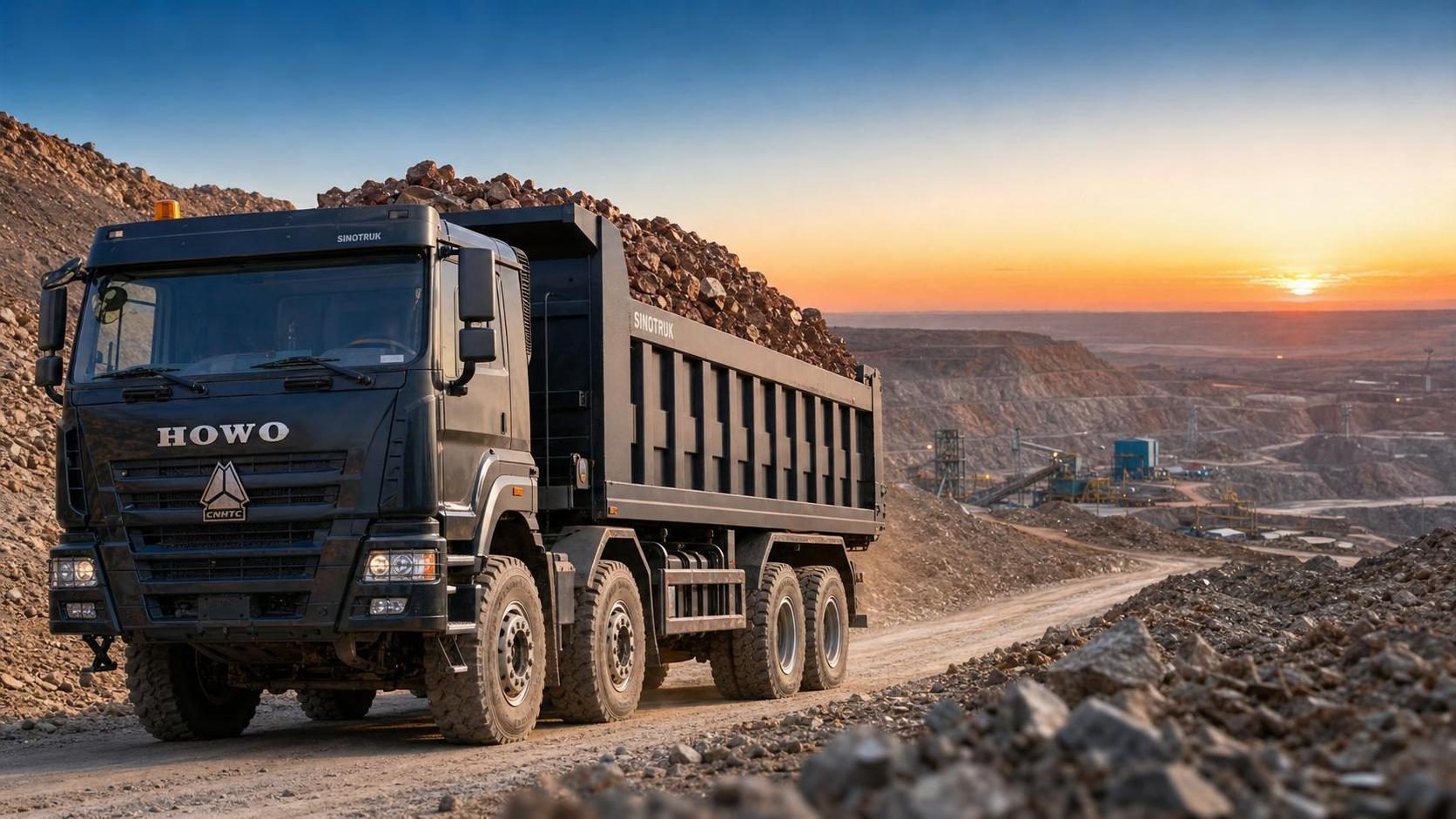
For mining companies evaluating heavy-duty trucks, a common question is: is SINOTRUK HOWO reliable for copper mining operations in Tanzania? In demanding environments where rough roads, heavy loads, and long working hours are standard, reliability directly affects productivity and cost control. This article explores HOWO truck performance, durability, maintenance needs, and suitability for Tanzania’s copper mining conditions to help buyers make a more confident decision.
In Tanzania, copper mining logistics often combine steep haul roads, mixed weather, overloaded cycles, and long distances between pits, stockyards, and service points. A truck that looks competitive on paper can become expensive if fuel use rises, downtime stretches beyond 24 hours, or parts supply takes 2 to 3 weeks.
That is why buyers usually assess more than engine output alone. They compare chassis strength, axle durability, driveline stability, brake performance, ease of maintenance, local parts access, and the truck’s ability to maintain productivity under 8 to 12 hours of daily work. In that context, HOWO deserves a practical, not promotional, evaluation.
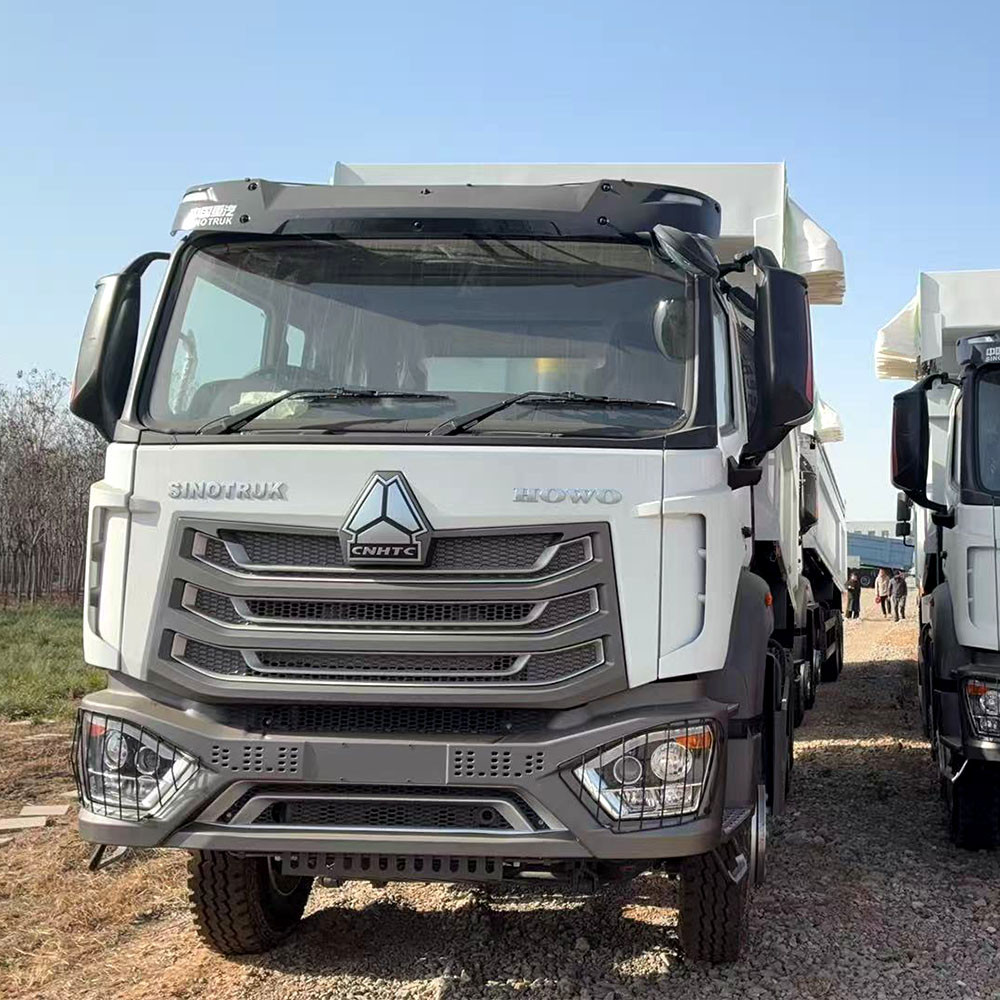
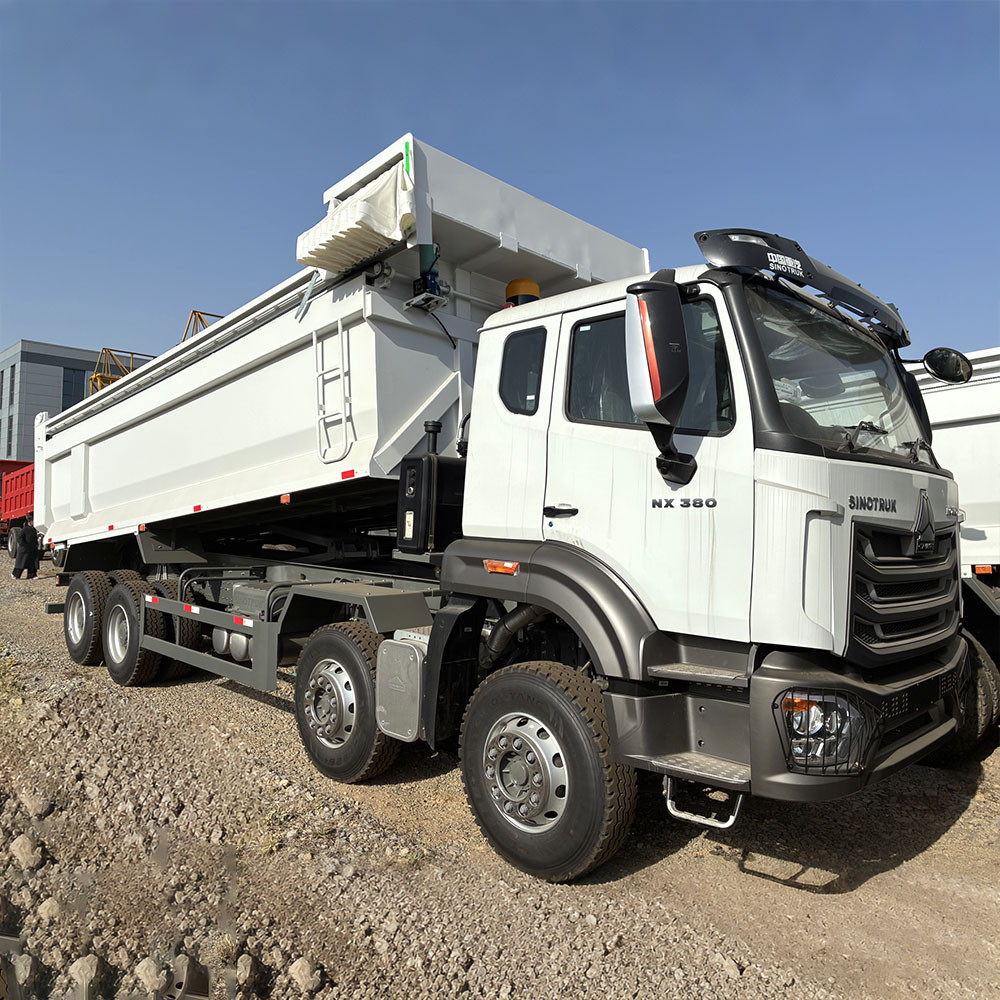
What Reliability Means in Tanzania’s Copper Mining Transport Environment
When asking whether SINOTRUK HOWO is reliable for copper mining operations in Tanzania, the first step is defining reliability in real transport terms. For mine fleets, reliability is not zero failure. It is the ability to complete repeated hauling cycles with predictable maintenance intervals, manageable repair costs, and limited unscheduled stoppage.
Operating conditions that test truck durability
Copper mining routes in Tanzania may include laterite roads, rocky access tracks, muddy segments during the rainy season, and long internal haul loops. In many sites, trucks carry heavy ore or support materials over 20 to 80 km per day, often with frequent starts, climbs, and braking cycles.
Under these conditions, weak suspension components, under-specified tires, or poor cooling systems will show problems quickly. Reliability therefore depends on whether the truck specification matches the haul profile, payload band, and maintenance discipline rather than on brand name alone.
Key reliability indicators buyers should track
A practical evaluation should focus on 5 indicators: payload consistency, fuel consumption per route, downtime frequency, parts replacement cycle, and driver feedback. For example, if suspension bushings fail every 3 to 4 months on rough roads, the issue may be configuration mismatch rather than overall platform weakness.
- Average daily operating hours: 8–12 hours
- Typical payload focus for heavy mining support haulage: 20–35 tons, depending on legal and site limits
- Preventive service interval commonly reviewed at: every 10,000–20,000 km or site-based engine hours
- Acceptable unscheduled downtime target in many fleets: below 5%–8%
These benchmarks help answer the question more accurately than broad statements. In other words, is SINOTRUK HOWO reliable for copper mining operations in Tanzania? It can be, especially where fleet managers choose the right axle ratio, body design, and service schedule for mining transport rather than general road freight.
HOWO Strengths for Copper Mining Haulage
HOWO trucks are widely considered in African heavy transport because they typically offer a balance between purchase cost and workable performance. In mining-related transport, this matters because total ownership cost over 24 to 48 months usually influences procurement more than initial invoice price alone.
Chassis, drivetrain, and load-carrying practicality
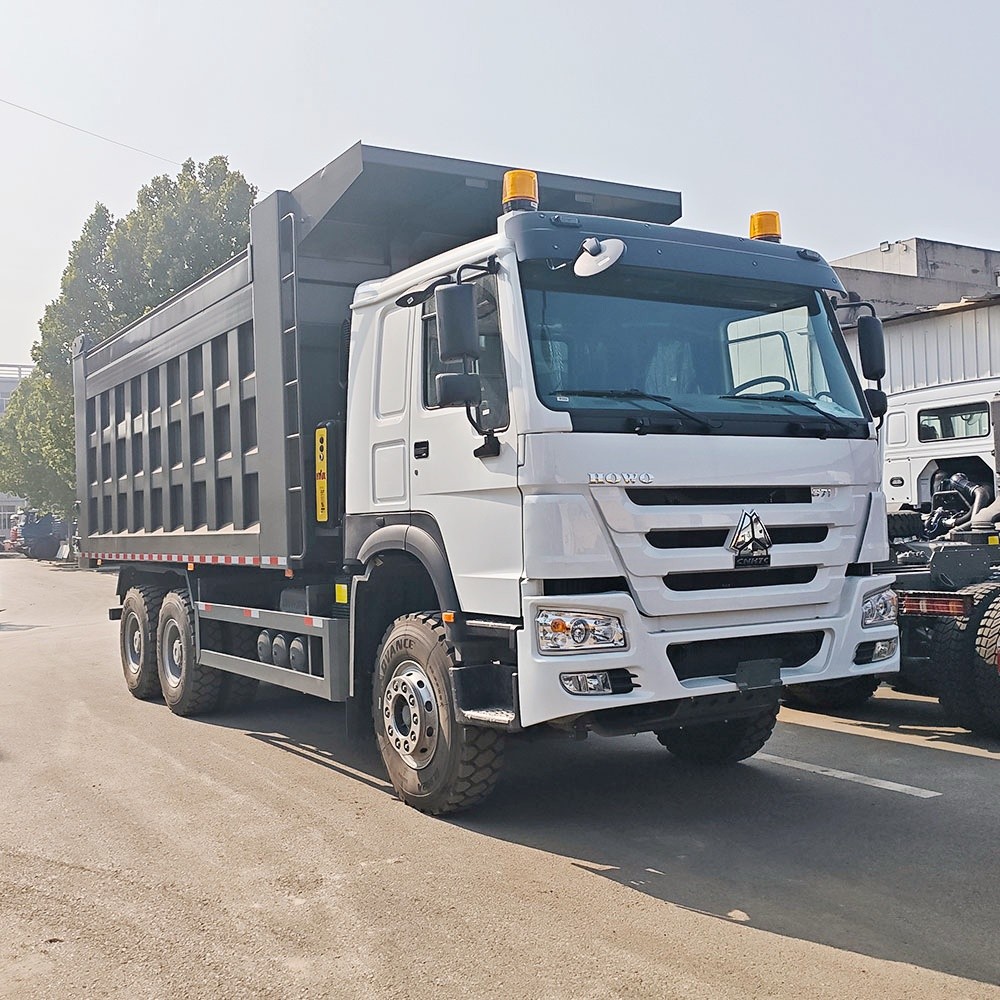
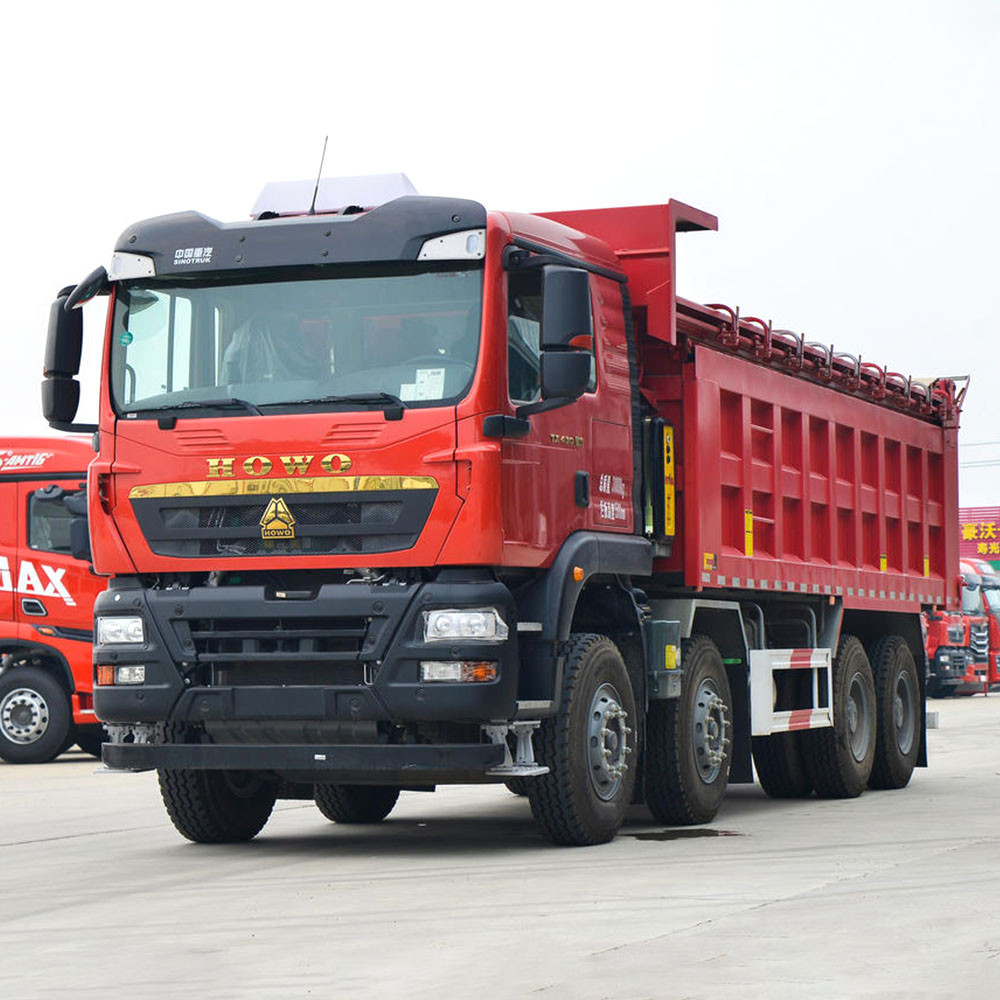
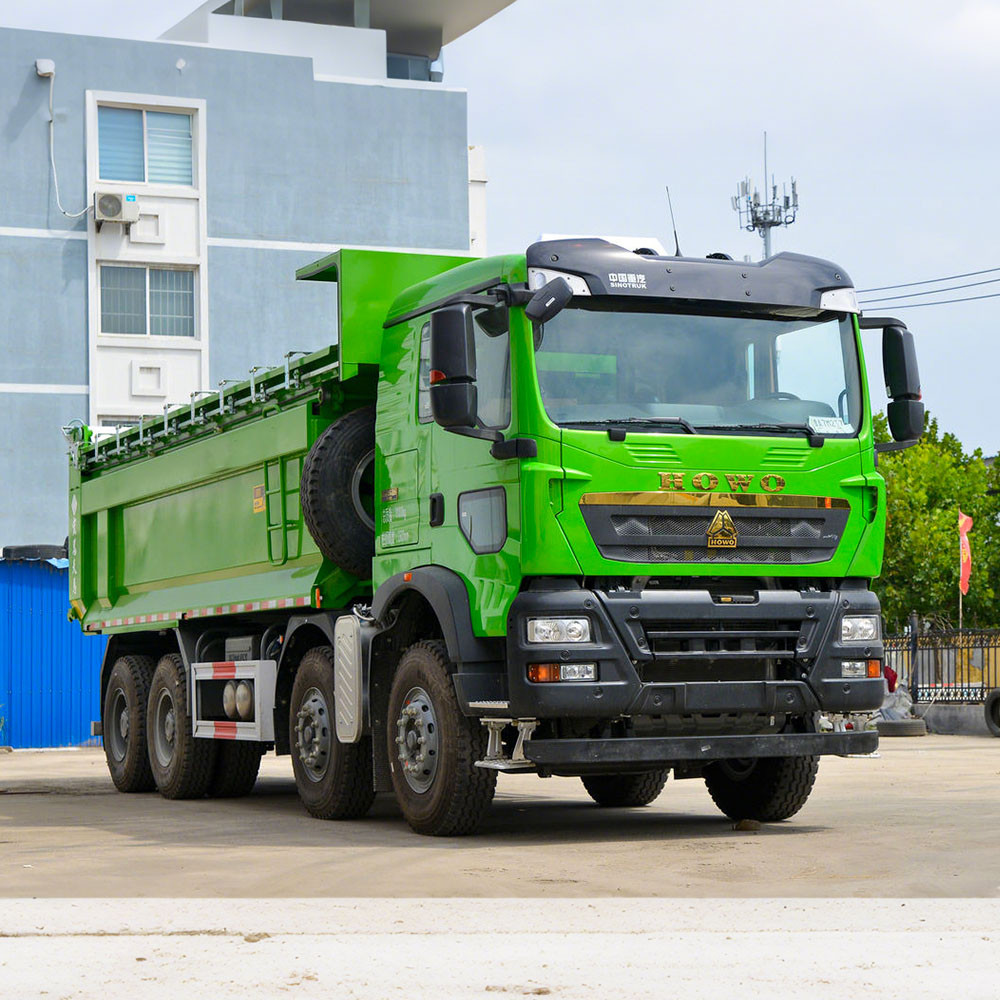
A properly specified HOWO tipper or heavy-duty truck can handle demanding hauling tasks with reinforced chassis construction, multi-axle layouts such as 6x4 or 8x4, and drivetrains designed for loaded movement on uneven roads. For copper mine support work, those basics are often more important than comfort features.
The platform is usually favored where operators need robust mechanical systems that local technicians can service without highly specialized diagnostic infrastructure. In remote zones, that is a major advantage. A truck that can be repaired in 6 hours with stocked components often creates less disruption than a more advanced model requiring imported electronics.
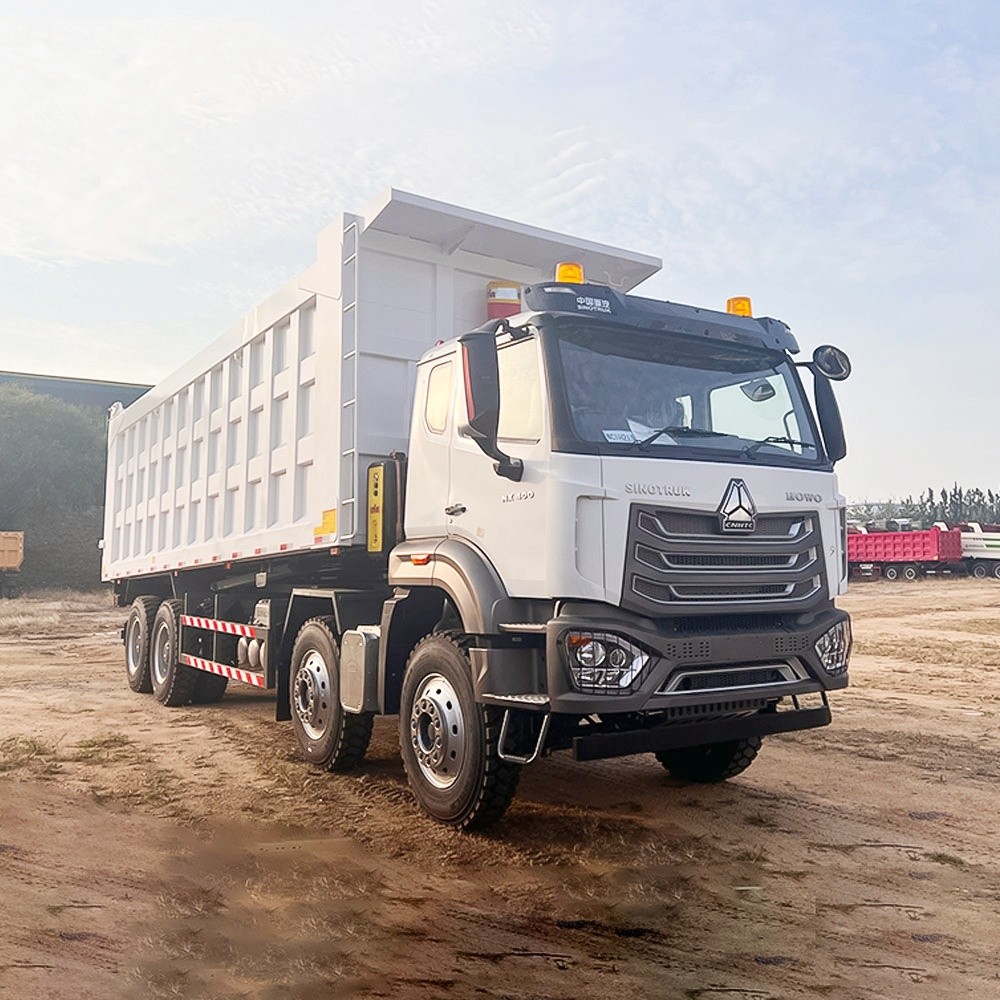
Areas where HOWO often performs well
- Heavy-duty frame suitability for rough haul roads
- Common 6x4 and 8x4 configurations for ore, overburden, and support material movement
- Serviceable mechanical layout for field maintenance teams
- Competitive parts pricing compared with some premium European platforms
- Availability in multiple body formats for tipping and construction-mining crossover use
To clarify how these strengths translate into site decisions, the table below compares core selection points relevant to Tanzania mine transport fleets.
The key takeaway is that HOWO’s reliability case is closely linked to practical fleet economics. It may not be selected for prestige, but it is often selected because it can keep transport moving at a manageable cost per ton when specified correctly.
Limits, Risks, and Where Reliability Can Drop
No serious buyer should ask only, is SINOTRUK HOWO reliable for copper mining operations in Tanzania, without also asking under what conditions reliability declines. Mining is harsh, and truck performance falls quickly when payload, route quality, or maintenance discipline exceed design expectations.
Common causes of preventable failure
The most common issue in mine transport is not always the truck itself. It is overloading, inconsistent lubrication, late filter replacement, poor tire matching, or assigning a road-focused configuration to off-road work. These mistakes can shorten component life by 20% to 40% in demanding cycles.
Cooling systems also matter. In hot operating windows and low-speed climbing conditions, engines and transmissions work harder. If radiators are not cleaned regularly or coolant quality is inconsistent, overheating risk rises. Brake wear can also increase on routes with repeated descent if retardation support is limited.
Areas that need close procurement attention
- Body thickness and material grade for abrasive ore loads
- Axle capacity and suspension matching for rough haul roads
- Tire specification for rock cuts, heat, and sidewall impact resistance
- Spare parts plan covering 6 to 12 months of fast-moving items
- Driver training for shifting, braking, and daily inspection routines
A low purchase price loses value if the fleet waits 10 to 14 days for a clutch component or runs on unsuitable tires that fail every few weeks. Reliability in mining depends on package planning, not unit price alone.
How to Specify HOWO for Better Reliability in Tanzanian Mining
If the question is is SINOTRUK HOWO reliable for copper mining operations in Tanzania, the most useful answer is: it is reliable when the specification is mining-oriented. That means choosing the truck around route condition, payload, body type, and service support rather than selecting a generic transport unit.
Recommended specification logic
For shorter internal haul cycles with rough surfaces, many buyers prioritize reinforced suspension, higher ground clearance, durable dump bodies, and tire packages built for cut resistance. For mixed road and site transport, drivability, fuel efficiency, and legal axle loading become equally important.
The table below shows a practical specification framework buyers can use before placing an order.
This comparison shows why two fleets can report very different results with the same truck brand. The more closely the specification reflects actual mine duty, the more likely HOWO will perform reliably over 12, 18, or 24 months.
4-point pre-purchase checklist
1. Define the true payload band
Do not buy by headline tonnage. Measure actual ore density, body volume, and site loading method. A mismatch of even 10% can push axles, tires, and springs beyond their comfortable working range.
2. Map the route profile
List gradients, turning radius, road surface, average trip distance, and seasonal changes. A route with 3 steep climbs and frequent stop-start cycles needs a different setup from a flatter 40 km shuttle road.
3. Lock in parts support before delivery
Fast-moving items such as filters, brake linings, seals, suspension parts, and clutch components should be planned in advance. Even a reliable truck becomes unreliable if the supply chain is weak.
4. Confirm operator and technician readiness
Daily inspection routines can prevent a high share of field issues. A 10-minute check for tire damage, fluid leaks, fastener looseness, and brake feel can reduce avoidable breakdowns significantly over a monthly operating cycle.
Maintenance Reality: Can HOWO Stay Productive Over Time?
Long-term reliability in mining is mostly a maintenance question. A HOWO truck that receives routine servicing, clean fuel, correct lubrication, and timely wear-part replacement will usually remain far more dependable than a neglected premium truck.
Maintenance priorities for copper mining fleets
- Daily checks on tires, brake air system, fluid leaks, lights, and body mounting points
- Weekly cleaning of cooling components in dusty conditions
- Scheduled greasing of suspension and driveline points
- Routine monitoring of filter condition where fuel quality varies
- Monthly review of wear rates across tires, brakes, and spring packs
For many mines, a preventive maintenance plan every 250 to 500 engine hours works better than waiting for road-distance intervals alone. That is especially true where idle time, loading time, and low-speed torque work are high.
What buyers should expect from support partners
Before purchase, ask 6 direct questions: What spare parts are stocked locally? What is the average delivery lead time? Is field service available? Are technicians trained on the configuration supplied? Can consumables be bundled for the first 6 months? Is operator training included at handover?
These support details often matter more than small specification differences. When answering is SINOTRUK HOWO reliable for copper mining operations in Tanzania, the honest response should include dealer support, workshop capability, and stock planning, not just vehicle design.
Final Verdict for Buyers and Fleet Managers
For many mining transport applications, HOWO can be a reliable and commercially sensible option in Tanzania, particularly for companies that need durable hauling capacity without the cost level of premium heavy-duty imports. Its strongest case appears where buyers value practical mechanics, scalable fleet deployment, and manageable parts economics.
However, reliability is not automatic. It depends on matching the truck to the mine route, controlling payload, securing spare parts, and enforcing preventive maintenance. If those 4 conditions are handled well, HOWO can deliver solid uptime and cost efficiency for copper mining support operations.
If you are comparing heavy-duty trucks for Tanzania mining transport, the best next step is a site-based evaluation of route conditions, load profile, and maintenance resources. Contact us now to discuss your operating scenario, get a tailored truck recommendation, and learn more about practical transport solutions for copper mining fleets.
Please give us a message
Our engineers help you choose the right truck or trailer based on:
- Your cargo type
- Road condition
- Payload requirement
- Local regulations