
How to Choose a Container Flatbed Trailer for High Load Capacity
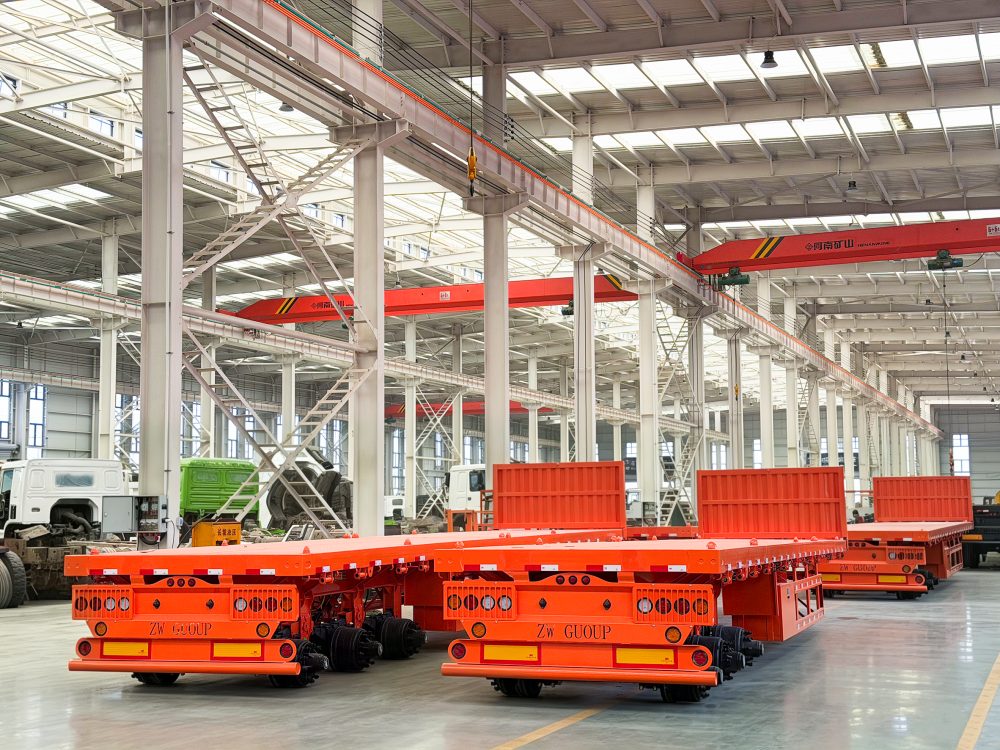
Choosing the right container flatbed trailer for high load capacity is essential for safe, efficient, and cost-effective transport operations. From load distribution and structural strength to axle configuration and compliance standards, the right trailer can directly affect performance and long-term value. This guide will help you understand the key factors to consider so you can select a trailer that meets demanding transportation needs with confidence.
When users search for a container flatbed trailer high load capacity solution, their core intent is practical and purchase-driven. They usually want to compare options, avoid under-spec equipment, and choose a trailer that can handle heavy containers safely.
For most buyers, the main concern is not simply maximum payload on paper. They want to know whether the trailer will stay stable, comply with road rules, resist structural fatigue, and deliver reliable service under repeated heavy-duty use.
The most useful content, therefore, is decision-oriented content. Readers need clear guidance on load ratings, axle layouts, frame strength, deck design, suspension choices, brake systems, and the trade-offs that affect operating cost and long-term value.
General descriptions of trailers are less helpful here. The body of the article should focus more on how to evaluate real working capacity, how to match the trailer to routes and cargo patterns, and how to avoid expensive specification mistakes.
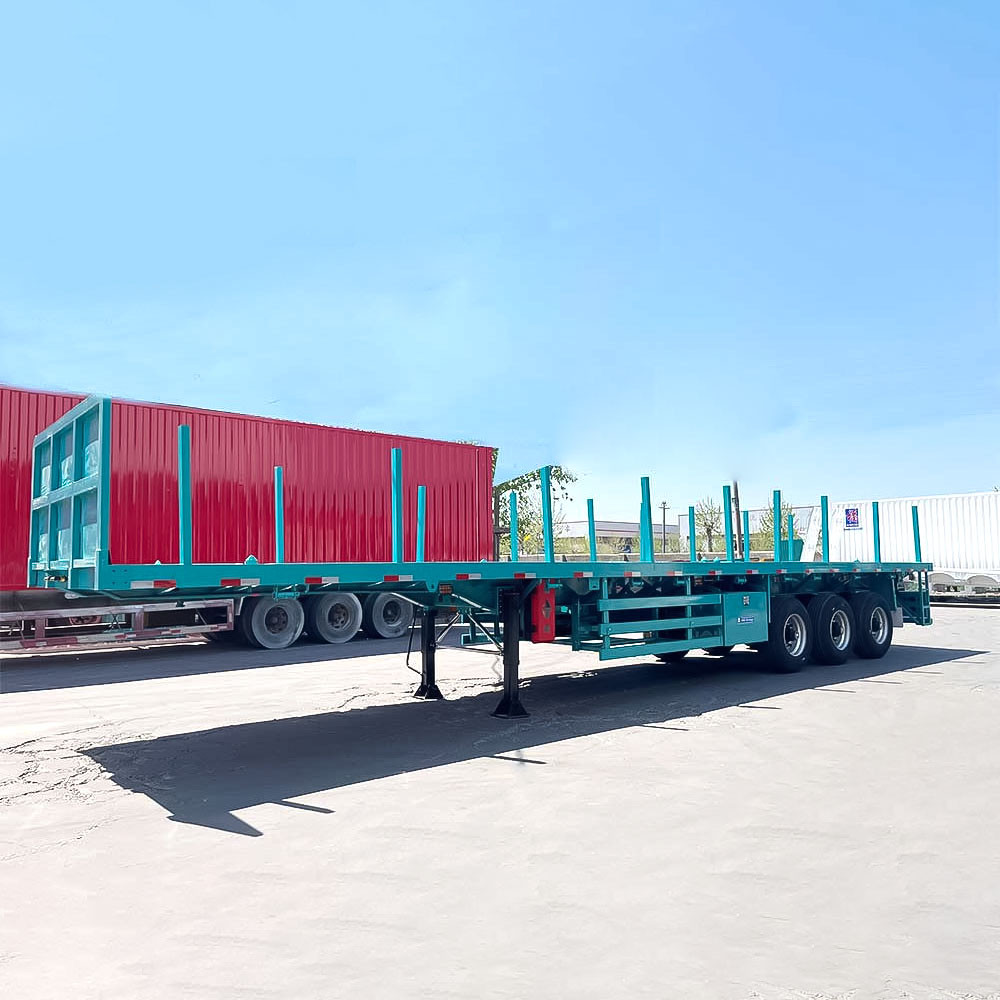
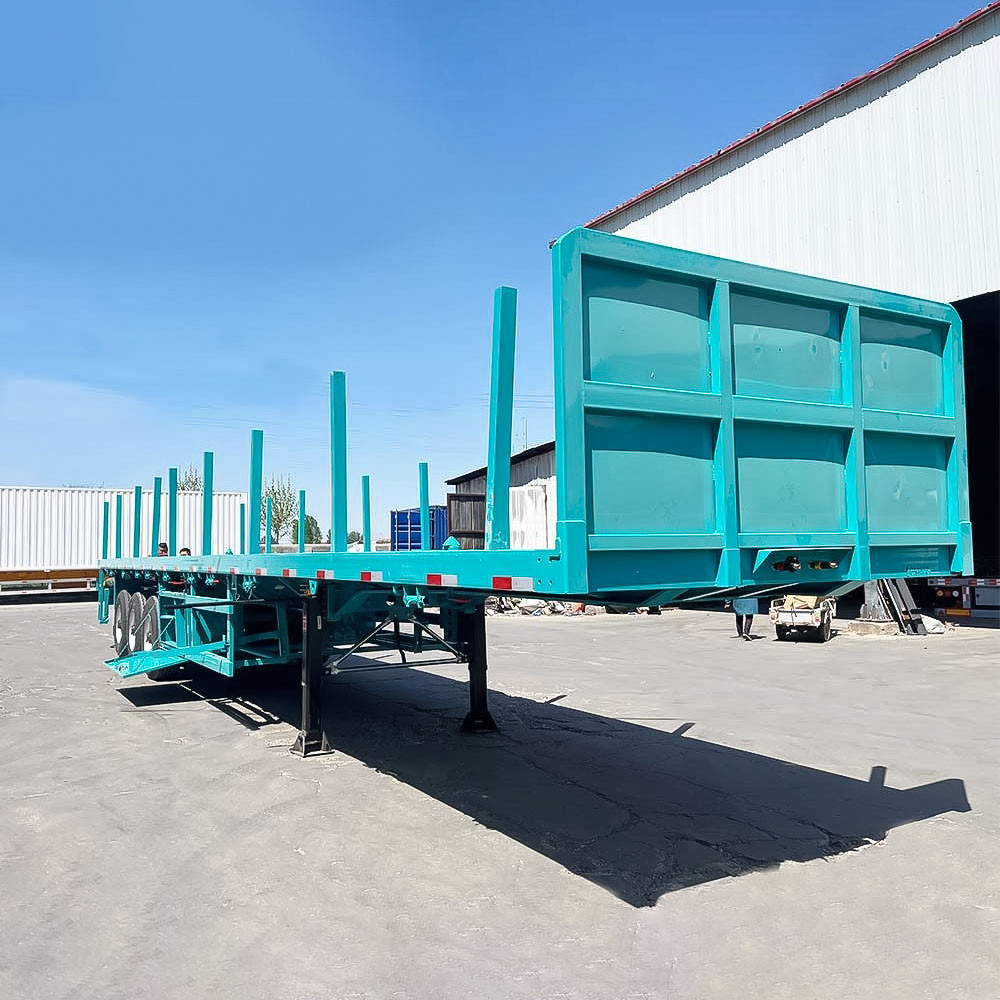
Start With the Real Load Requirement, Not the Brochure Rating
The first step in choosing a high-capacity container flatbed trailer is defining your actual operating load. That includes container size, gross cargo weight, loading frequency, road conditions, and whether transport happens on highways, ports, yards, or mixed routes.
Many buyers make the mistake of comparing trailers only by advertised payload. A trailer may list a high capacity, but actual performance depends on how that weight is distributed, how often the unit runs at full load, and local legal restrictions.
If you frequently move 20-foot containers with dense cargo, point loading becomes a serious consideration. A trailer designed for general use may not handle concentrated weight as effectively as one engineered specifically for heavy container transport.
By contrast, if your operation mostly handles 40-foot containers at moderate loads, deck length, twist lock placement, and balance across axles may matter more than extreme structural reinforcement. The right choice depends on the real transport profile, not the highest number in a sales sheet.
A useful buying approach is to document the heaviest loads you actually move, the average load you carry, and the routes you use most often. That gives you a better basis for trailer selection than choosing purely by theoretical maximum capacity.
Understand What “High Load Capacity” Really Means
In this market, high load capacity is not only about how much weight a trailer can carry once. It also refers to how well the trailer maintains stability, structural integrity, and braking performance over thousands of heavy-load cycles.
There is a major difference between static capacity and working capacity. Static capacity may describe what the frame can physically support under ideal conditions. Working capacity reflects real road use, repeated loading, vibration, braking, turning, and uneven surfaces.
That distinction matters because heavy transport creates stress in more than one place. Cross members, main beams, kingpin area, suspension mounts, and axle connections all experience repeated force, especially when the trailer operates on rough roads or in high-frequency port service.
Buyers looking for a container flatbed trailer high load capacity configuration should ask suppliers how the rating is defined. Is it based on design calculations, road testing, compliance standards, or internal factory estimates? The answer reveals the reliability of the specification.
If the supplier cannot explain the capacity rating clearly, that is a warning sign. A dependable trailer manufacturer should be able to describe the design basis, material grade, axle limits, and intended operating conditions behind the payload claim.
Frame Strength and Structural Design Matter More Than Marketing Language
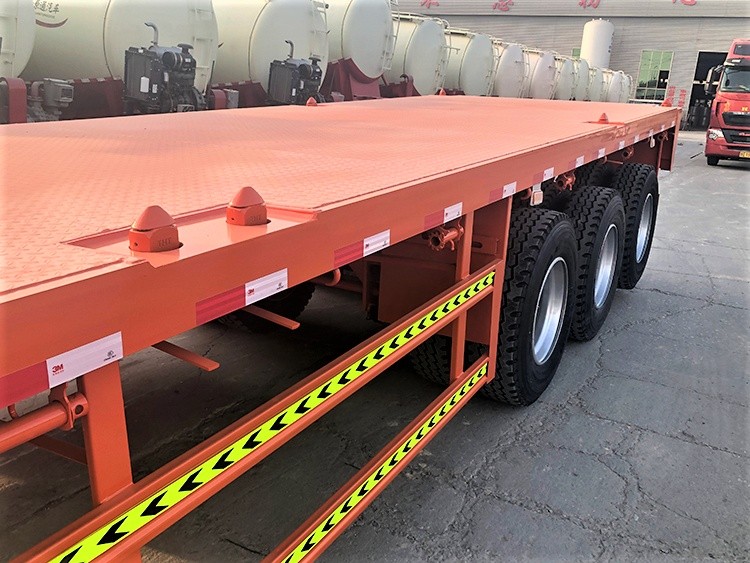
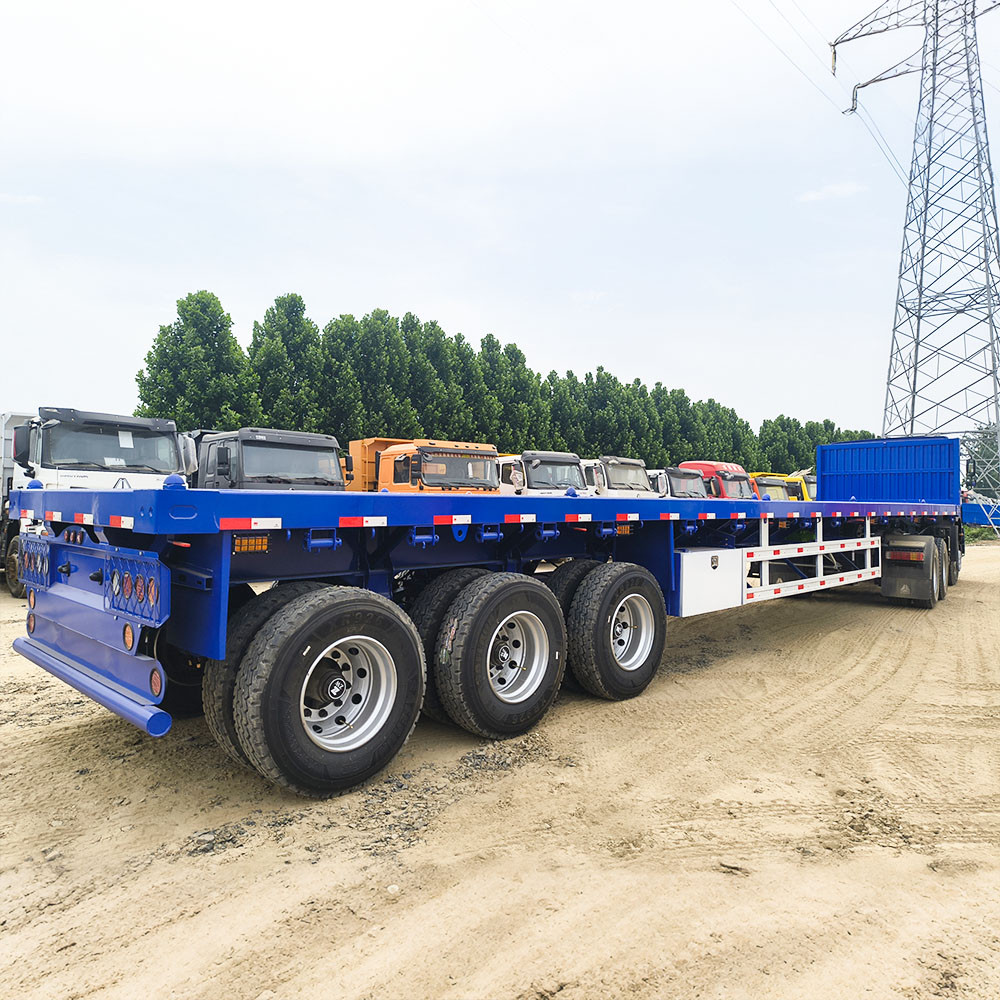
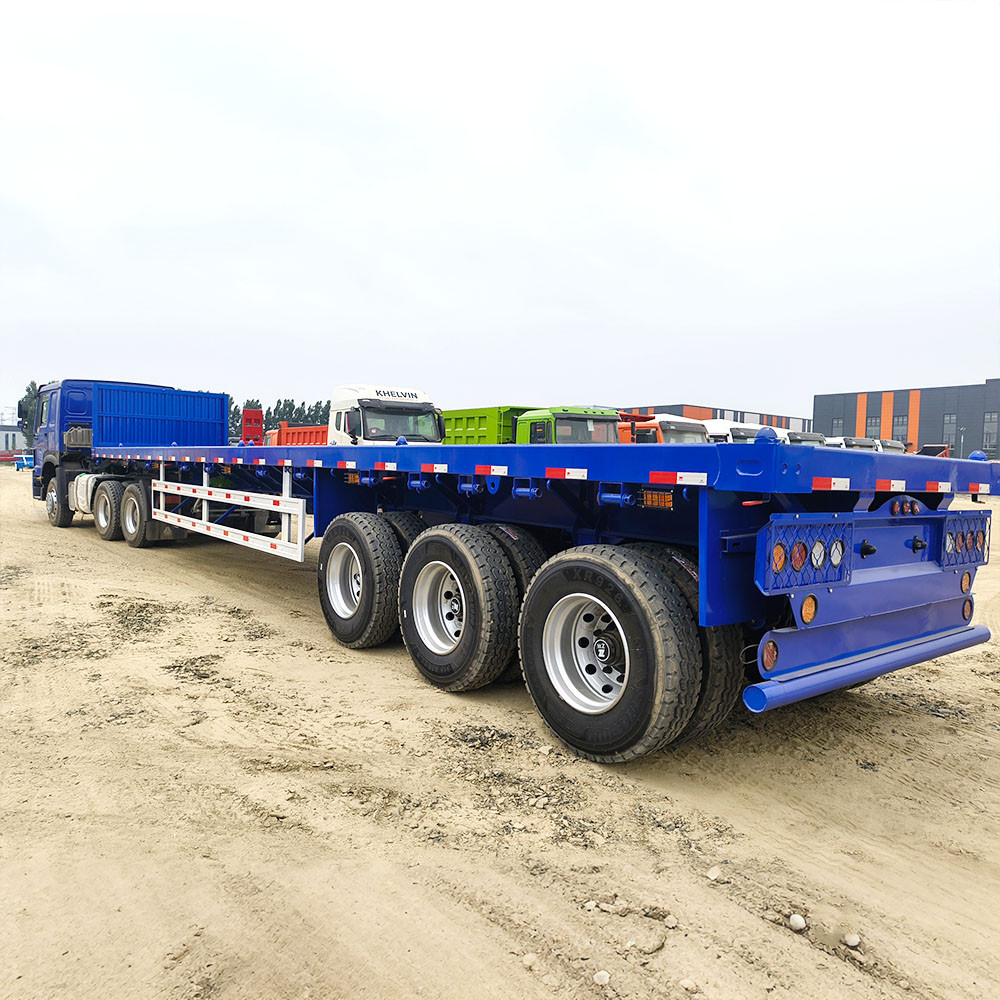
The frame is the core of a high-capacity trailer. If the chassis is weak, every other feature becomes less meaningful. A strong frame supports heavy containers, resists flexing, and reduces the chance of fatigue cracks over the trailer’s working life.
Main beam design deserves close attention. Look at beam height, flange thickness, web thickness, and reinforcement around critical stress areas. These details directly affect the trailer’s ability to handle concentrated loads and repeated heavy-duty operation.
Material quality is equally important. High-tensile steel can improve strength-to-weight ratio, but the benefit depends on proper engineering and welding quality. Better material alone does not guarantee durability if the structural design or fabrication process is poor.
Cross members also play an important role in load distribution. Closely spaced and properly reinforced cross members help the deck carry container weight more evenly, which is especially valuable when handling dense cargo in 20-foot container positions.
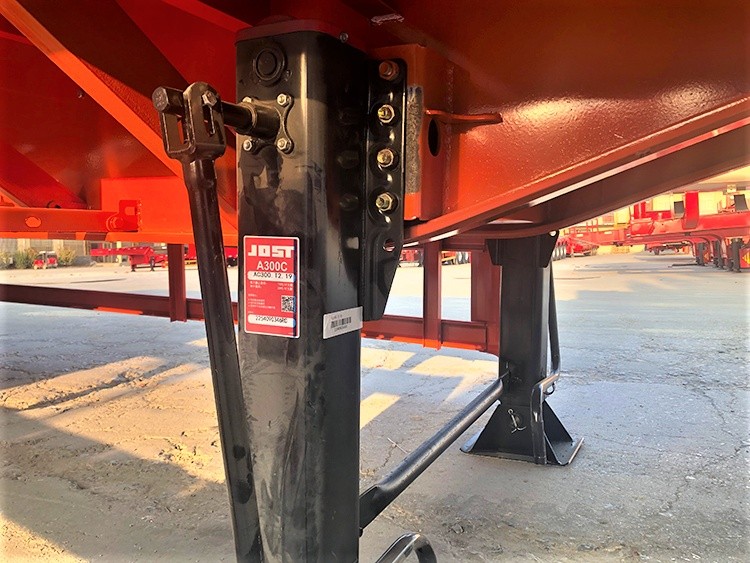
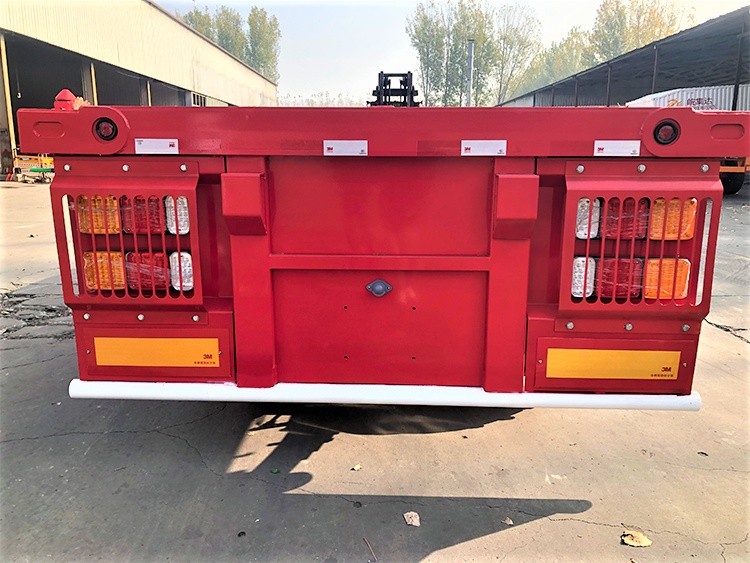
Pay particular attention to high-stress zones such as the gooseneck, kingpin connection, landing gear mounts, and rear section near the suspension. These are common fatigue points on trailers exposed to long-term heavy loading and demanding road conditions.
Choose the Right Axle Configuration for Capacity and Compliance
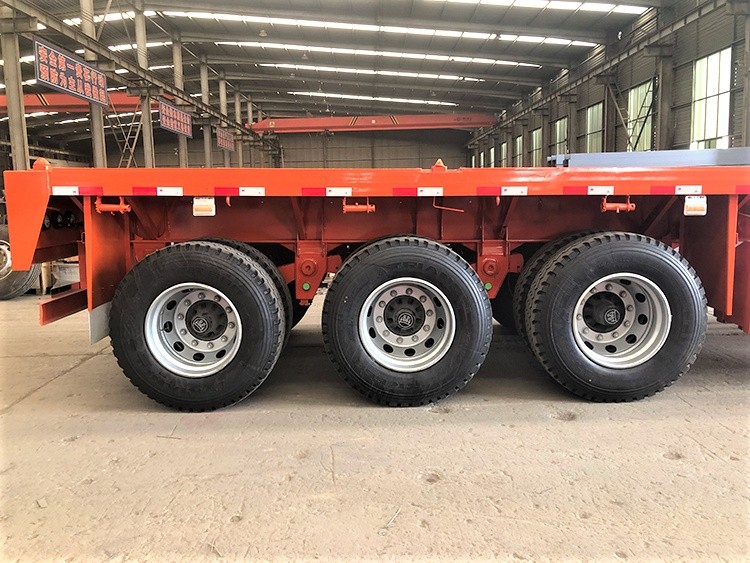
Axle configuration has a direct effect on payload, stability, tire wear, and legal road use. In many cases, selecting the right axle arrangement is just as important as choosing the right frame structure.
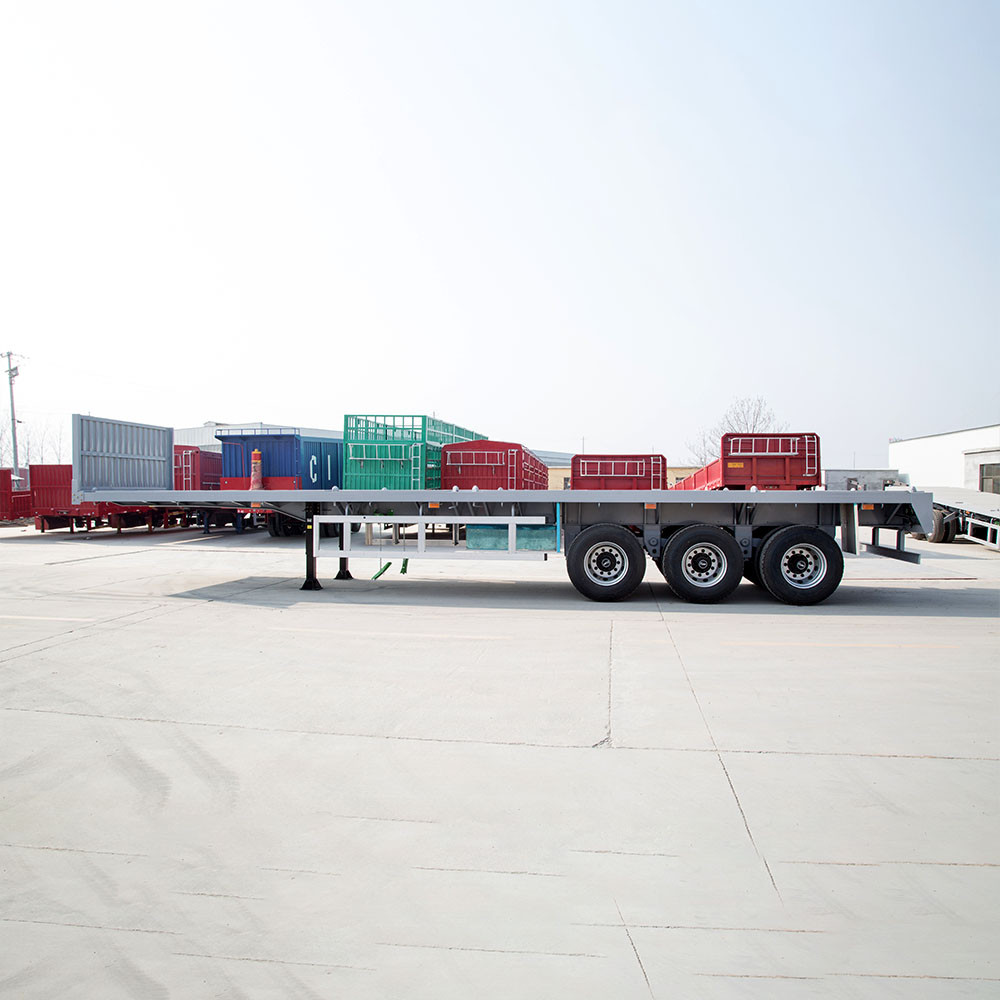
A two-axle trailer may be suitable for lighter operations, but high load applications often require three axles or more. Additional axles help distribute weight more effectively, reduce stress on each axle, and improve compliance with regional gross vehicle weight regulations.
That said, more axles are not automatically better. Extra axles increase purchase cost, maintenance requirements, and sometimes maneuvering complexity. The right setup depends on legal limits, road type, turning requirements, and the containers you handle most often.
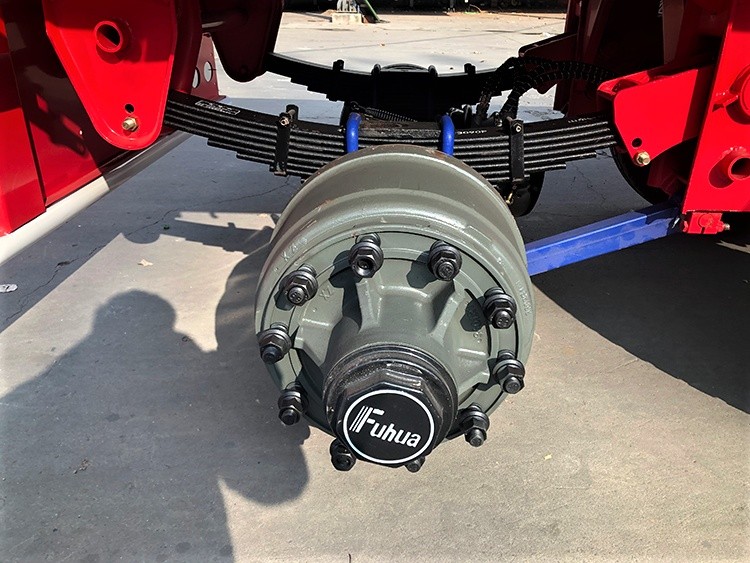
Suspension pairing also matters. Mechanical suspension is often valued for durability and simplicity, while air suspension can offer better ride quality and cargo protection. For repeated heavy container transport, the decision should reflect route conditions and maintenance capability.
Ask how the axle system performs under full load during braking, cornering, and uneven pavement. The goal is not only carrying weight but carrying it with predictable control, reduced component stress, and lower risk of premature wear.
Do Not Overlook Load Distribution and Container Positioning
One of the most common operational problems with heavy trailers is poor load distribution. Even a well-built trailer can perform badly if the container position creates imbalance across the kingpin, axles, or rear overhang.
This issue is especially important when transporting 20-foot containers on trailers designed to carry multiple container sizes. Dense 20-foot loads can create concentrated stress if the locking positions and structural reinforcement are not optimized for that arrangement.
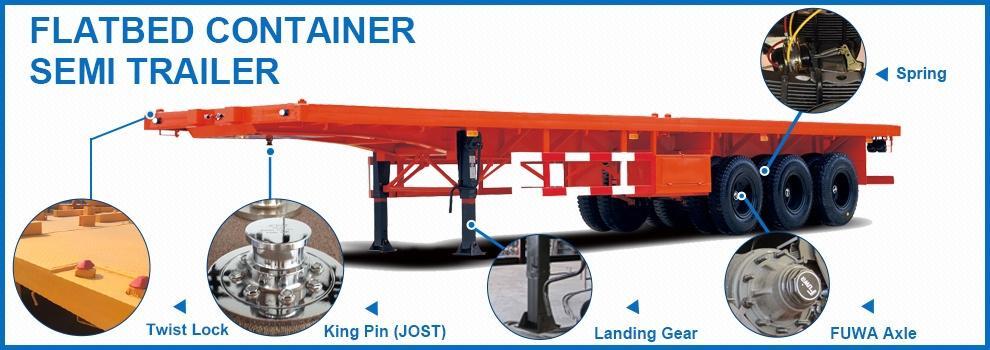
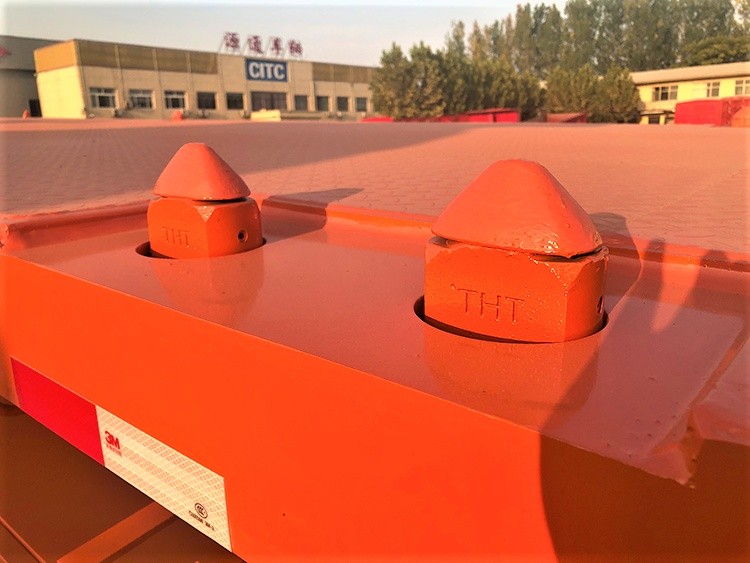
A good trailer should support proper container placement through well-designed twist lock positions and a structure that matches intended load patterns. This reduces axle overloading, improves road handling, and helps maintain legal weight distribution.
Operators should also consider how often loads vary. If your business handles both empty repositioning and heavy loaded containers, the trailer should remain stable under very different weight conditions. Balance and control across load ranges are part of real performance.
Before purchase, request the trailer’s recommended loading layouts. A supplier that understands heavy transport should be able to explain how the trailer is intended to carry 20-foot, 40-foot, or mixed container configurations safely.
Check Brake Performance, Tires, and Running Gear Carefully
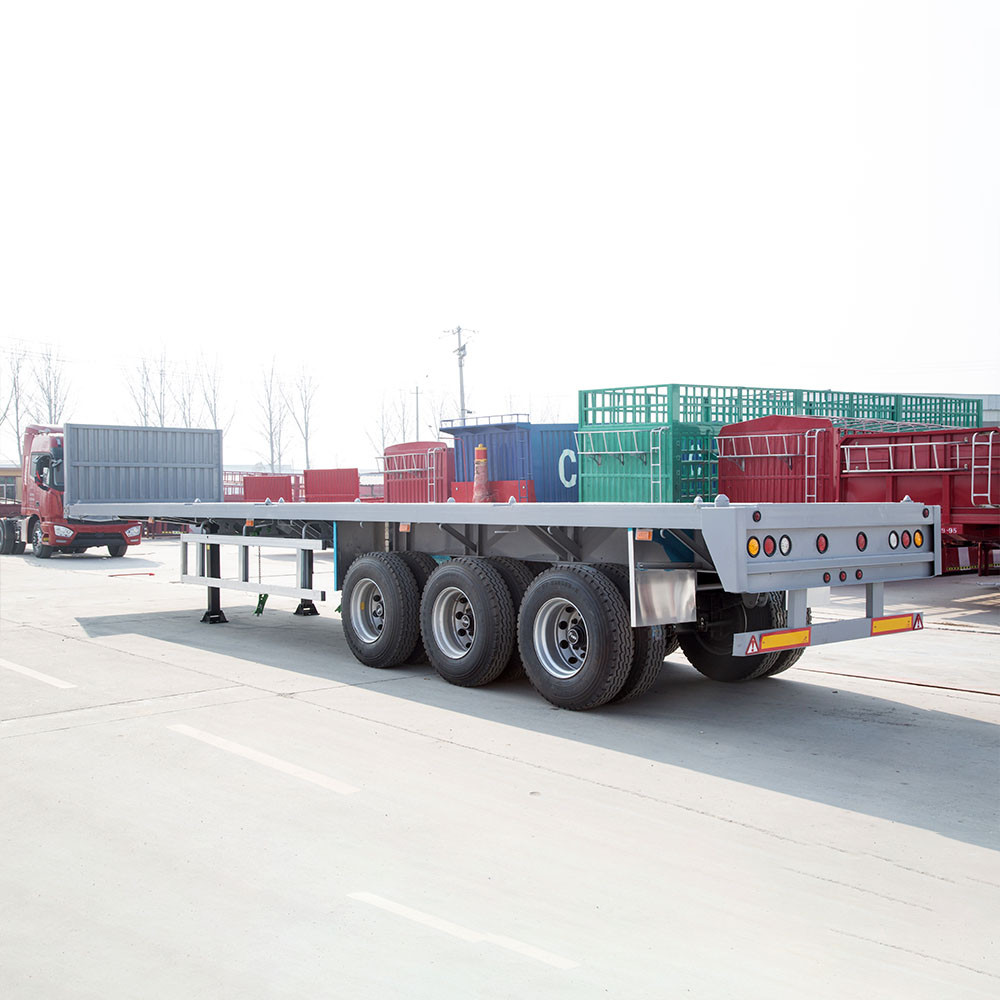
When cargo weight increases, braking performance becomes a bigger risk factor than many buyers expect. High load capacity means little if the trailer cannot stop safely and consistently under full operating conditions.
Evaluate the brake system together with the axle and suspension package. Reliable braking depends on component quality, system compatibility, and proper setup. In demanding transport environments, weak brakes create safety risks and raise maintenance costs quickly.
Tires also deserve careful attention. Heavy loads place intense stress on tires, especially during long hauls, sharp turns, and uneven surfaces. Tire specification should match axle load, speed requirements, and expected route conditions rather than minimum purchase price.
Wheel rims, hubs, bearings, and landing gear should be reviewed with the same seriousness. These parts are sometimes treated as secondary details, but failures in the running gear can cause downtime, cargo delays, and higher total operating cost.
For buyers comparing several trailer options, it is worth asking whether the running gear components come from recognized suppliers and whether spare parts are easy to source locally. Serviceability is a major part of long-term value.
Match the Trailer to Your Operating Environment
A trailer that works well in one transport environment may be the wrong choice in another. High-capacity container transport can involve highways, industrial zones, construction-linked routes, mining corridors, logistics yards, or port terminals, each with different demands.
If the trailer will operate mainly on paved long-distance routes, fuel efficiency, tire life, and ride quality may have greater importance. If it will run through port yards or rough access roads, structural reinforcement and suspension toughness may matter more.
Ground clearance, rear protection design, corrosion resistance, and ease of container locking can all affect day-to-day performance. These are practical factors that shape uptime and maintenance needs, especially in harsh or high-frequency operating environments.
Climate should also be considered. Regions with heavy rain, coastal air, or corrosive conditions can shorten trailer life if surface treatment and protective coatings are inadequate. Buyers should review paint process, anti-rust measures, and drainage design.
The most effective trailer choice is rarely the most extreme specification available. It is the one that best fits the environment where it will actually work and the load cycle it will repeatedly face.
Look Beyond Purchase Price to Total Cost of Ownership
For business buyers, the cheapest trailer is often the most expensive one over time. A lower upfront price can quickly be offset by higher maintenance, shorter service life, more downtime, and reduced operational reliability.
Total cost of ownership should include fuel impact, tire wear, brake wear, service intervals, spare parts access, resale value, and the likelihood of structural repairs. These factors become even more important in high load operations because equipment stress is greater.
A stronger, properly engineered trailer may cost more initially, but it can deliver lower long-term cost by reducing failures and maintaining performance under demanding use. That difference is especially important for fleet operators with tight delivery schedules.
It is also worth evaluating warranty coverage and after-sales support. A supplier with weak technical support can become a serious problem if you need replacement parts, maintenance guidance, or rapid service response after the trailer enters operation.
When comparing quotations, ask each supplier to explain what is included in the base specification. Differences in steel grade, axle brand, brake system, suspension type, and coating process can significantly change the real value behind the price.
Questions to Ask Before You Buy
A smart purchase process includes a direct technical review with the supplier. This helps verify whether the trailer is truly suited to heavy container transport or simply presented that way in marketing material.
Ask what load rating applies to each container configuration. Confirm whether the trailer is optimized for dense 20-foot loads, balanced 40-foot loads, or both. Capacity without configuration detail is incomplete information.
Request details on steel specification, beam dimensions, cross member layout, axle brand, suspension type, and brake system. These factors are more informative than general statements about durability or heavy-duty performance.
You should also ask about compliance with local road regulations and any relevant manufacturing or testing standards. A trailer that meets design expectations but fails legal operating requirements can create immediate business problems.
Finally, ask for maintenance recommendations, expected service intervals, and common wear points. A supplier that can answer these questions clearly is usually more reliable than one focused only on payload claims and unit price.
Conclusion: The Best Trailer Is the One That Fits Real Heavy-Duty Work
Choosing a container flatbed trailer for high load capacity is ultimately a matter of matching structure, axle layout, braking performance, and compliance to your real operating conditions. The best option is not simply the highest advertised capacity.
Buyers should focus on working load reality, not brochure numbers. Frame design, load distribution, running gear quality, and route suitability all determine whether a trailer will perform safely and economically over the long term.
If you evaluate the trailer from both an engineering and business perspective, you will make a better investment. That means asking detailed questions, comparing real specifications, and choosing a model designed for the loads you actually move.
In heavy transport, the right trailer protects more than cargo. It supports uptime, safety, compliance, and profitability. A careful selection process is the most reliable way to secure those benefits from the start.
Please give us a message
Our engineers help you choose the right truck or trailer based on:
- Your cargo type
- Road condition
- Payload requirement
- Local regulations