
How Often Do Heavy-Duty Truck Parts Need Replacement?
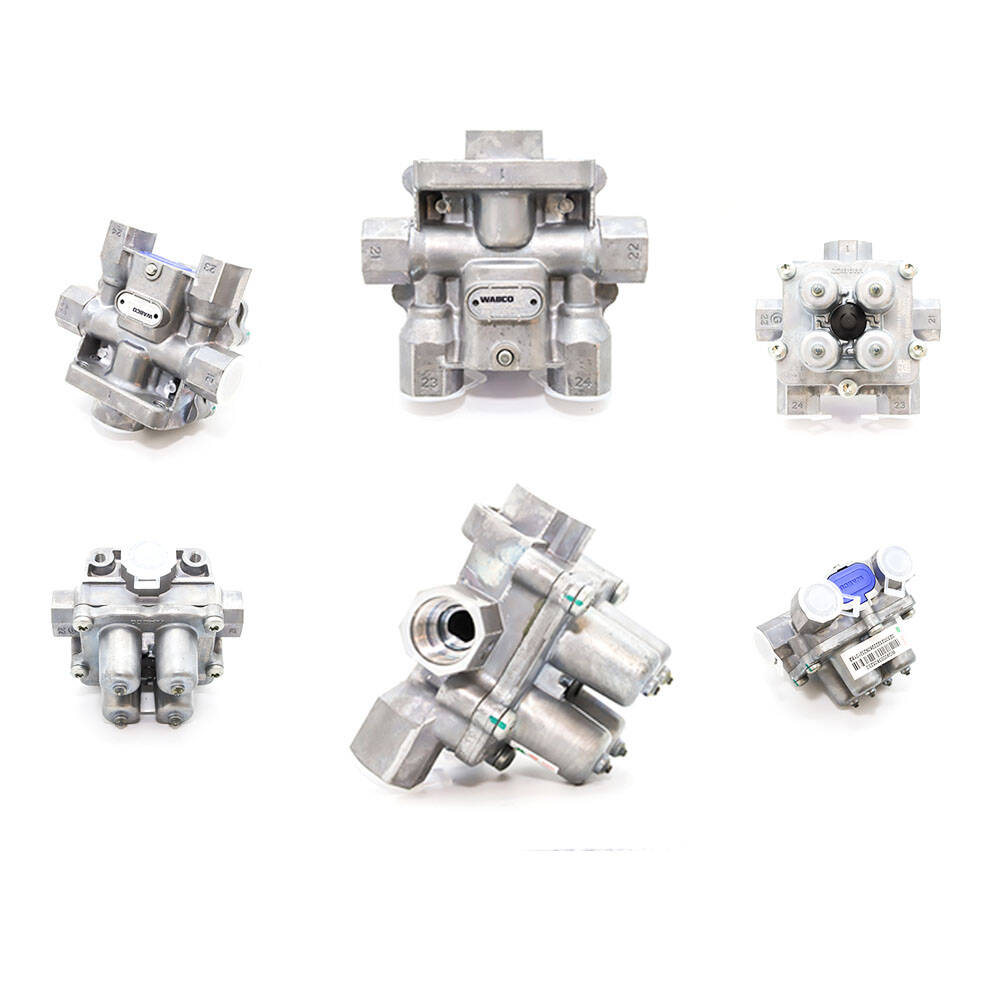
How often do heavy-duty truck spare parts need replacement? The answer depends on the component, operating conditions, mileage, and maintenance practices. Brake parts, filters, tires, and other high-wear components can deteriorate at different rates, making regular inspections essential for preventing breakdowns and controlling costs. This guide explains the factors that influence replacement intervals, common signs of wear, and how to plan maintenance around your truck’s workload and manufacturer recommendations.
The distinction is between an inspection interval and a replacement interval. A technician may check a component at every scheduled service, yet leave it in operation until measurements, condition, or the applicable maintenance schedule justify replacement. Other items, such as certain filters, are normally replaced on a prescribed schedule rather than judged by appearance alone.
Is there a standard replacement schedule for truck parts?
There is no single schedule that works for every heavy-duty truck. Start with the service information for the vehicle, engine, axle, transmission, and other relevant component manufacturers. Their intervals may be based on distance, engine hours, calendar time, fuel consumption, or a combination of these. Check which maintenance schedule applies to the way the truck actually operates, not just its advertised duty cycle.
A long-haul tractor that spends most of its time at a steady highway speed puts wear on parts differently from a refuse truck making frequent stops. A construction truck may travel relatively few miles while accumulating engine hours and exposure to dust. In those applications, mileage alone can make a service look overdue—or make a heavily used component look younger than it is.
Use the manufacturer’s schedule as the baseline, then adjust inspection frequency when operating history supports it. Shortening an inspection interval is not the same as automatically replacing every part earlier: the goal is to find deterioration before it causes downtime without throwing away serviceable components.
How often should brake components be replaced?
Brake linings, pads, drums, and rotors are generally replaced according to measured condition and the applicable limits, not a universal mileage figure. Inspect them during scheduled maintenance and whenever symptoms suggest a problem. The right frequency depends heavily on route, load, driving style, brake adjustment, and whether other braking systems are working properly.
A truck on repeated urban deliveries or steep grades may consume friction material faster than one running open highway routes. Uneven wear across a wheel end or between positions deserves investigation: replacing the lining alone may not correct a seized component, air-system fault, contamination, or another cause of imbalance.
Squealing is worth checking, but noise alone does not establish remaining lining life. Heat discoloration, cracks, scoring, oil contamination, pulling under braking, or a change in pedal feel are also reasons for prompt inspection. A qualified technician should measure the relevant components against the manufacturer’s specifications and applicable local requirements. If braking performance is impaired, do not wait for the next service appointment.
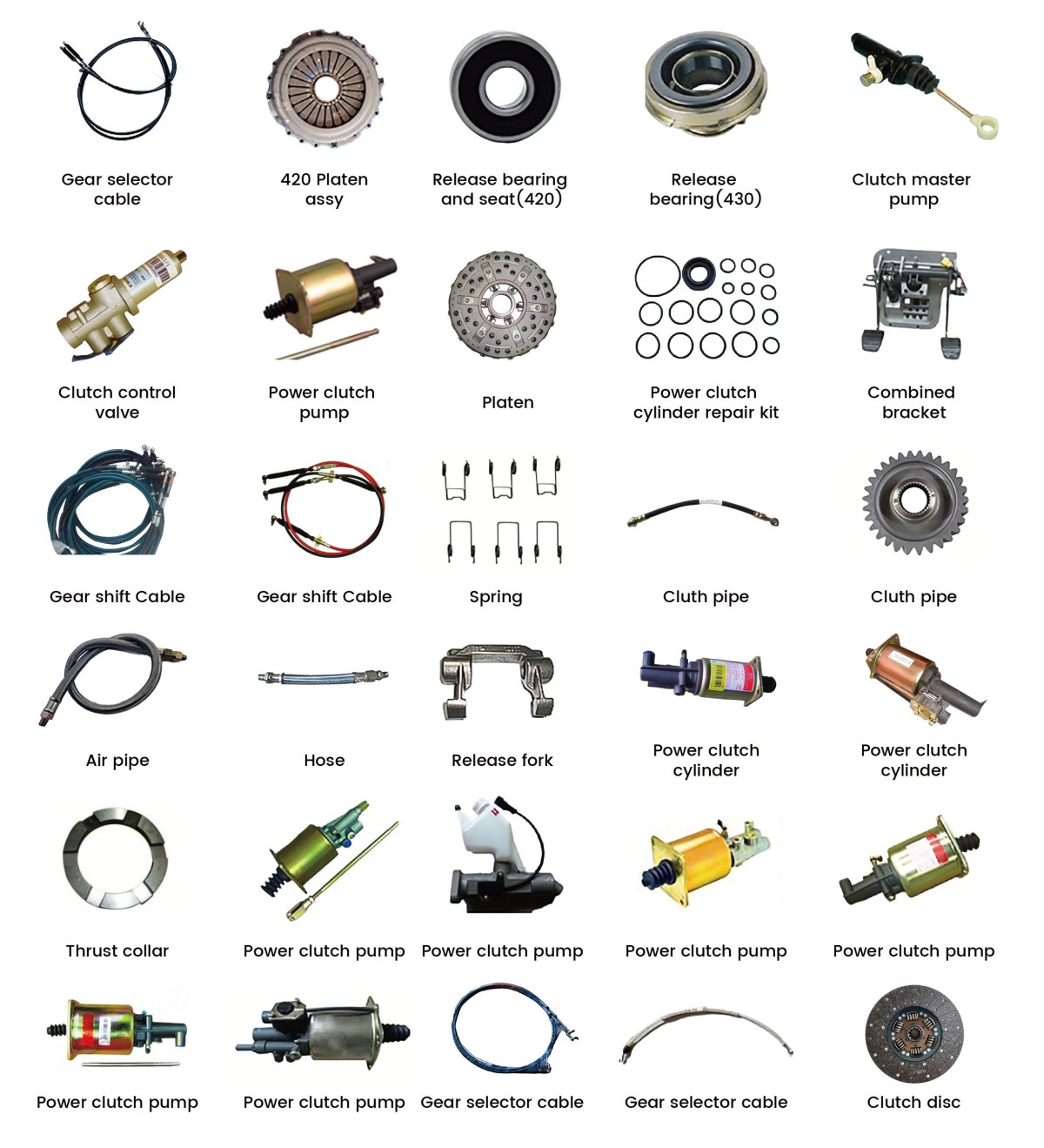
When do filters need changing?
Oil and fuel filters
Engine oil filters are normally replaced with the oil at the interval specified for the engine, lubricant, and duty cycle. Extended intervals should not be assumed just because a truck covers mostly highway miles. Idling, fuel dilution, operating temperature, and the approved oil specification can all matter. Oil analysis may help a maintenance team identify trends, but it should be interpreted alongside the engine manufacturer’s guidance rather than used as a standalone permission to extend service.
Fuel filter service depends on the fuel system and its specified maintenance schedule. Water, contamination, or a restriction can make an earlier intervention necessary. Follow the manufacturer’s instructions for checking or draining a water separator where fitted. Loss of power or hard starting can have several causes, so diagnose the system rather than assuming that every symptom means a blocked filter.
Engine air filters and air dryer cartridges
Air filter life varies with dust exposure. Use a functioning restriction indicator or the engine manufacturer’s approved measurement method, and observe any stated time limit. Replacing an element solely because it looks dusty can waste a usable filter; leaving a damaged or poorly sealed element in place can let unfiltered air reach the engine. Check the housing, seals, and intake ducting when the filter is serviced.
The air dryer cartridge has its own service requirements, influenced by the dryer design and air-system duty. Excessive moisture in the system warrants investigation, but it does not automatically prove the cartridge is the only fault. Compressor condition, leaks, and drain procedures may also need attention.
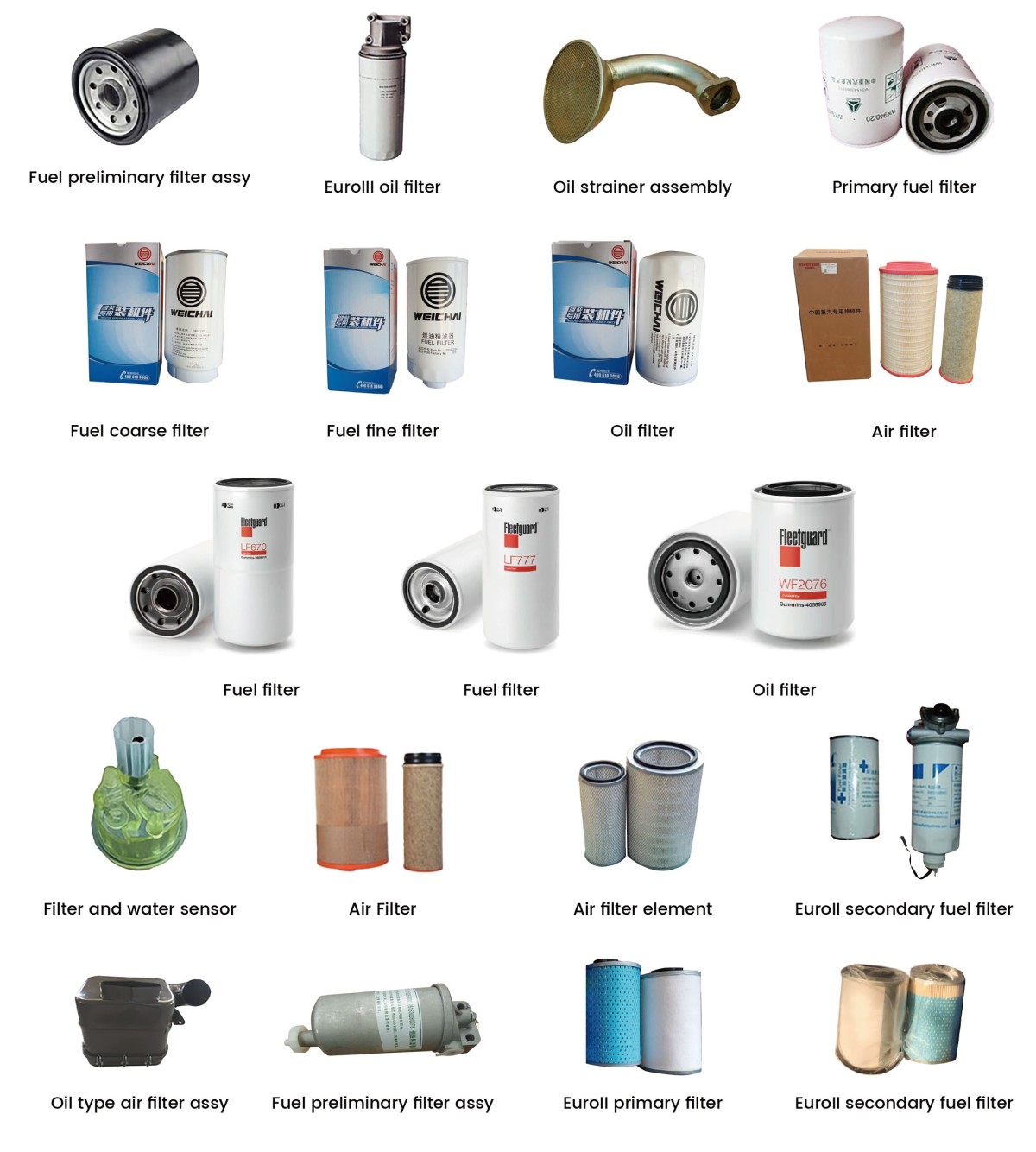
How can you tell when truck tires need replacement?
Tires should be assessed for tread depth, damage, and overall condition, with replacement before they fall below the applicable legal or manufacturer limits. Requirements can differ by jurisdiction and wheel position, so a fleet operating across borders should check the rules for its routes. Measure tread at multiple points; a single reading can miss irregular wear.
Cuts exposing internal material, bulges, separation, persistent air loss, or significant sidewall damage require prompt professional assessment. Age and storage conditions matter too, even when tread remains. Follow the tire manufacturer’s guidance on inspection and service life rather than treating tread depth as the only decision.
Look for the reason behind a worn tire before fitting its replacement. Underinflation, misalignment, worn suspension components, mismatched duals, and wheel-end problems can all contribute to abnormal wear. Check pressures when tires are cold and use the pressure appropriate to the load and tire manufacturer’s recommendations. Simply replacing a tire without correcting the cause can repeat the problem.
What about belts, hoses, batteries, and cooling system parts?
These parts do not all wear in the same way, and failure may be more closely related to age, heat, vibration, or contamination than mileage. Inspect them at scheduled services and follow any component-specific replacement interval.
- Belts and tensioners: Check for damage, abnormal noise, misalignment, and tensioner condition. A new belt may not last if a pulley or tensioner is causing the problem.
- Hoses and connections: Look for leaks, abrasion, swelling, hardening, or damage at clamps and fittings. Inspect routing as well; a replacement hose can fail early if it rubs against another component.
- Batteries and cables: Test battery and charging-system condition when starting performance changes. Loose connections, corrosion, and voltage drop can mimic a weak battery.
- Coolant and related components: Follow the engine manufacturer’s coolant specification and service schedule. Investigate repeated coolant loss instead of treating regular top-ups as normal maintenance.
Do not open a hot, pressurized cooling system to inspect it. Cooling-system work, electrical testing, and other repairs should follow the vehicle manufacturer’s safety procedures.
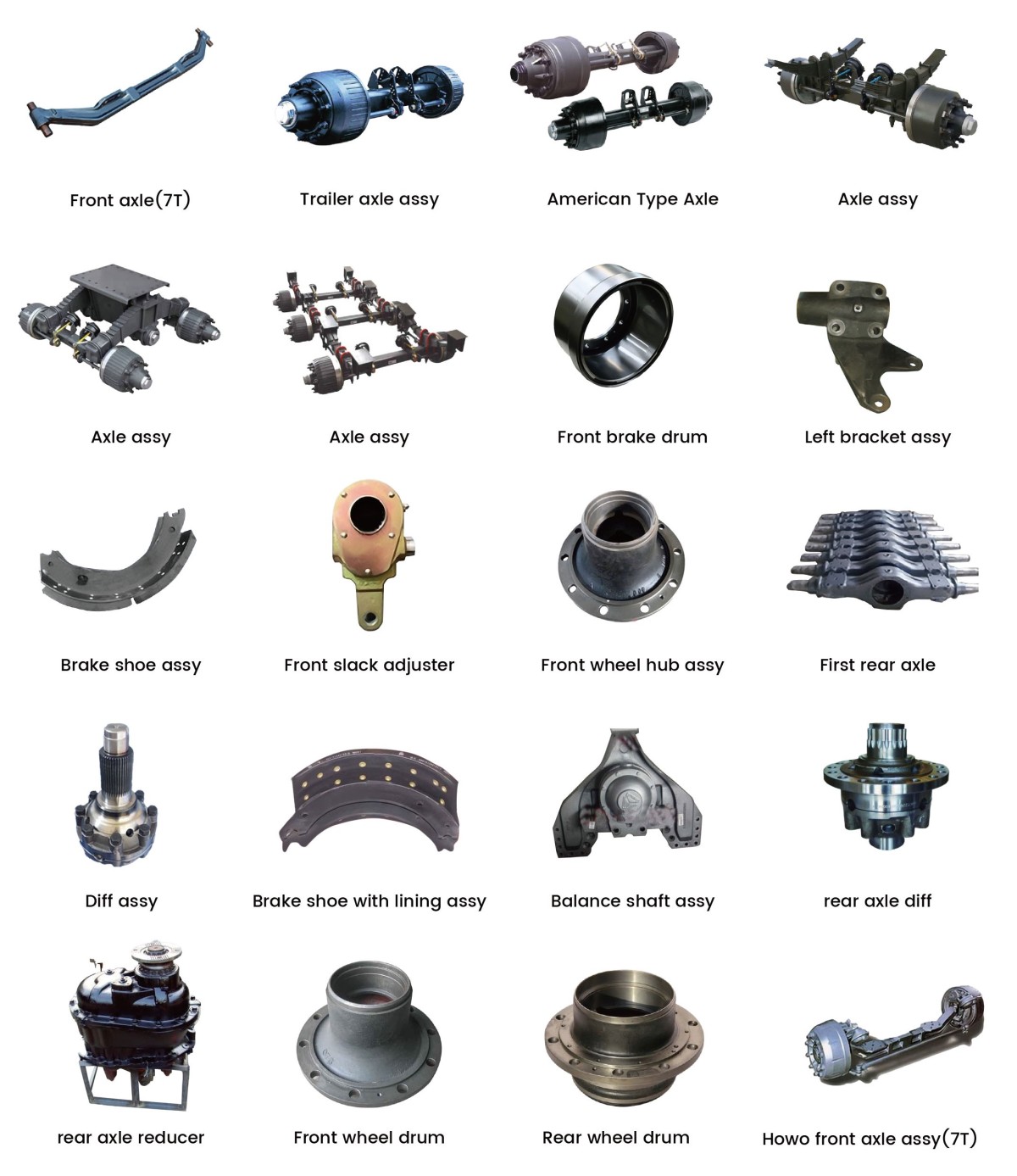
Do suspension and steering parts have fixed replacement intervals?
Many steering and suspension components are replaced when inspection reveals wear, damage, or movement beyond the manufacturer’s limits. Bushings, torque rods, springs, air springs, shock absorbers, and steering linkages can deteriorate at different rates on the same vehicle.
Pay attention to abnormal tire wear, changes in ride height, wandering, vibration, clunking, or an air leak. None identifies a failed part on its own. A shock absorber that looks dirty, for example, is not necessarily defective, while a handling complaint may involve tires, alignment, or several worn components together.
Steering and suspension inspections need the correct procedure and safe support equipment. If a driver reports a sudden change in steering or vehicle stability, have it assessed before continuing the trip rather than waiting for a mileage-based service.
Should drivetrain and wheel-end parts be replaced preventively?
Clutches, universal joints, wheel bearings, seals, and related drivetrain parts often have no single useful replacement mileage. Their service life depends on lubrication, load, adjustment, alignment, operating conditions, and component design. Scheduled checks and lubrication, where required, are usually more informative than replacing them at an arbitrary distance.
A leaking wheel seal, unusual wheel-end heat, driveline vibration, or metal found during a lubricant inspection calls for diagnosis. The visible symptom may be secondary to another fault. For example, replacing a seal without checking the bearing and mating surfaces can leave the original cause unresolved.
Preventive replacement can make sense when a manufacturer specifies it, when measurements show a part is approaching its limit, or when credible service history shows a recurring problem under comparable conditions. It may also be practical to replace an accessible, age-sensitive part during a larger repair—but only after weighing its condition and the additional labor against the risk of disturbing sound components.
How should a fleet set maintenance intervals?
Build the schedule around the truck’s actual work. Record mileage and engine hours, service dates, operating environment, measurements, fault codes, and the reason each part was replaced. Separate vehicles by duty where useful: a highway tractor’s history is a poor predictor for a truck working around a dusty site.
At each service, ask the shop to record measurements rather than just “checked” or “replaced.” Brake lining readings, tire tread measurements, and observations about uneven wear make the next decision easier. Driver reports matter as well: a new vibration under load or a change in air-pressure behavior may appear between scheduled inspections.
Review failures and early replacements for patterns, but compare like with like. A part removed because it reached a wear limit tells a different story from one damaged by contamination or an installation fault. If several similar vehicles show the same issue, investigate the operating conditions and repair process before changing the entire fleet’s schedule.
Is it better to replace parts early or wait until they show wear?
Neither approach is right for every component. Scheduled consumables should be serviced at the specified interval, while many durable parts are better managed through inspection and measurement. Waiting for a safety-critical component to fail is not a maintenance strategy; replacing sound parts indiscriminately can add cost and introduce avoidable installation errors.
For the next maintenance review, identify which items have a prescribed time or usage interval and which have measurable condition limits. Then check whether the truck’s duty calls for more frequent inspections. That distinction gives the maintenance team a defensible reason to replace a part—or to keep it in service until the next check.
Please give us a message
Our engineers help you choose the right truck or trailer based on:
- Your cargo type
- Road condition
- Payload requirement
- Local regulations