
How Much Fuel Does a Semi Trailer Tractor Combination Use per 100 km?
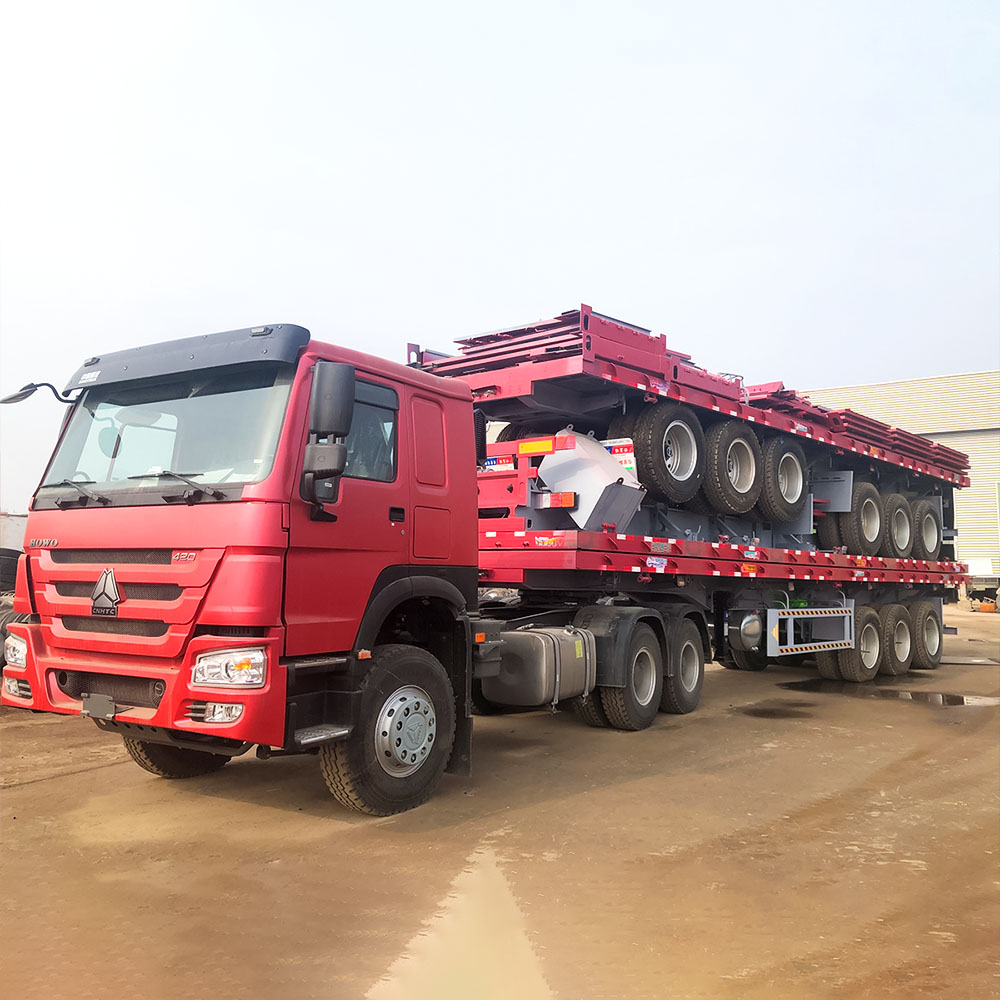
If you’re wondering how much fuel does a semi trailer tractor combination consume, the answer depends on load weight, road conditions, driving habits, and engine efficiency. In freight transport, fuel use per 100 km is a key cost factor that directly affects operating profit. Understanding the typical consumption range can help fleet managers and drivers plan routes, control expenses, and improve overall transport efficiency.
What Is a Normal Fuel Consumption Range per 100 km?
In long-haul road transport, the question of how much fuel does a semi trailer tractor combination consume usually starts with a practical range rather than a single number. Under normal freight conditions, many tractor-semitrailer combinations use about 28 to 45 liters per 100 km.
The lower end is more common when the truck runs with a streamlined trailer, moderate cargo, flat highways, and steady speed. The higher end appears in mountain routes, city distribution with frequent stops, overloaded operations, poor maintenance, or aggressive driving.
For transport operators, the real issue is not only average fuel use. It is how stable that figure remains across routes, seasons, drivers, and cargo types. Stable consumption helps with quotation accuracy, cost control, and contract profitability.
- Light to medium load on expressways often falls around 28 to 34 L/100 km.
- Standard regional freight often falls around 32 to 38 L/100 km.
- Heavy load, difficult terrain, or stop-and-go traffic can rise to 38 to 45 L/100 km or more.
The table below gives a useful benchmark for those comparing operating scenarios and asking how much fuel does a semi trailer tractor combination consume in daily transport work.
These figures are reference values, not fixed rules. A fleet that monitors route conditions, payload discipline, and driver behavior can often reduce fuel use noticeably without changing the tractor itself.
Why Does Fuel Use Vary So Much in Freight Transport?
Load Weight and Cargo Type
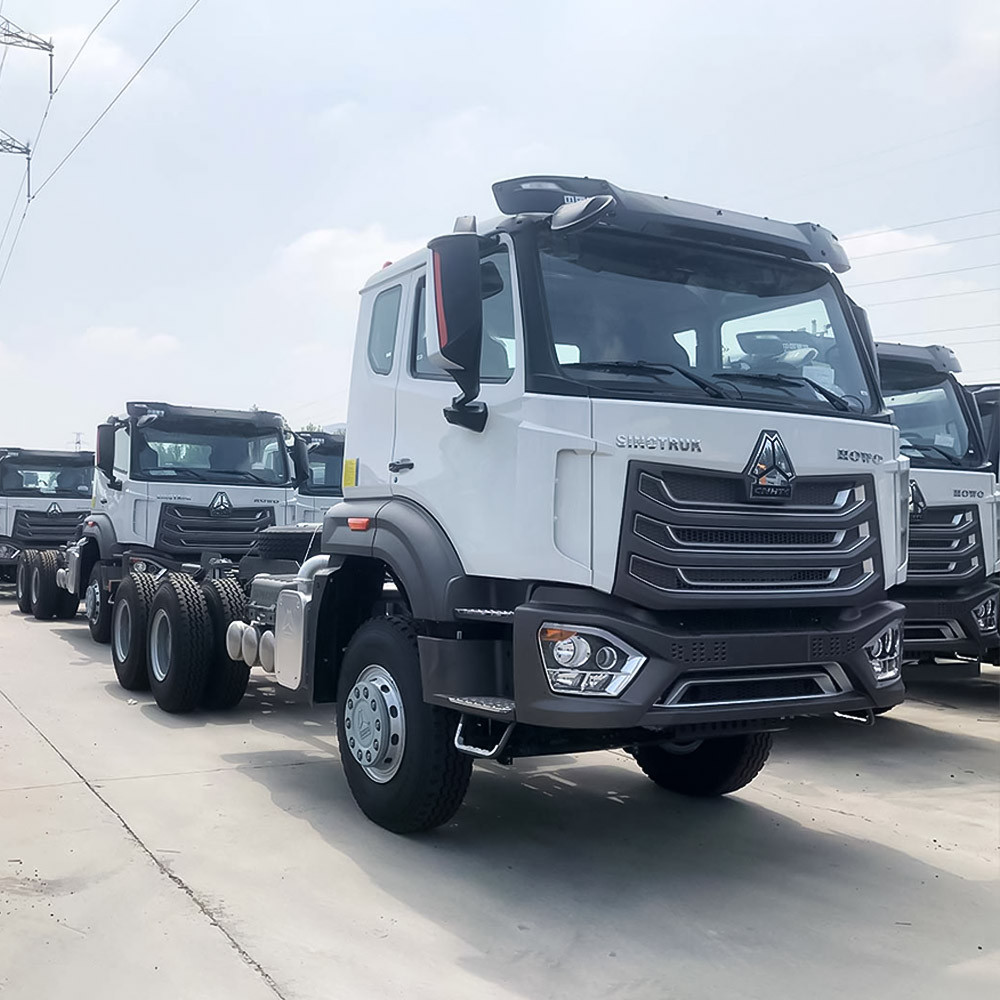
One of the biggest factors behind how much fuel does a semi trailer tractor combination consume is total gross vehicle weight. More weight requires more engine output during acceleration, climbing, and overtaking. Bulk cargo, steel, construction materials, and dense container loads usually push consumption upward.
Cargo type also matters because volume affects aerodynamics. A high-cube trailer with poor airflow management may consume more fuel than a lower profile setup even when the actual payload is lighter.
Road Conditions and Route Profile
Flat expressways allow stable cruising and lower fuel burn. Mountain roads, uneven pavement, congestion, toll queues, and urban delivery patterns increase braking, shifting, and idling time. That is why two trucks carrying the same load can produce very different liters per 100 km.
Driving Habits
Harsh acceleration, excessive idling, poor gear selection, and unnecessary high-speed driving quickly raise diesel costs. In many fleets, the gap between the best and worst driver can exceed several liters per 100 km on the same route.
Mechanical Condition
Dirty air filters, underinflated tires, injector issues, wheel alignment errors, and brake drag all increase fuel use. A tractor in poor maintenance condition can appear underpowered while actually burning more fuel to do the same work.
- Check tire pressure against real axle load, not guesswork.
- Monitor idling hours as carefully as route mileage.
- Inspect trailer alignment and rolling resistance during routine service.
- Compare fuel records by route, payload band, and driver, not by monthly average alone.
How Much Fuel Does a Semi Trailer Tractor Combination Consume in Different Use Cases?
Transport managers rarely operate under one fixed condition. Fuel planning becomes more accurate when consumption is judged by mission type. This is especially important for quoting freight rates, scheduling refueling stops, and selecting tractors for dedicated lanes.
The following comparison table helps explain how much fuel does a semi trailer tractor combination consume across common transport scenarios.
This comparison shows why a single fleet average can be misleading. If your tractors serve multiple business lines, a route-by-route fuel model gives better control than one universal target.
Which Technical Factors Should Buyers and Fleet Managers Evaluate?
Engine and Driveline Matching
A tractor with too little power may struggle under load and consume more fuel from frequent downshifts. A tractor with excess power for the route may also waste fuel if its operating profile stays far below efficient torque zones. Matching engine torque, gearbox ratios, and rear axle ratio to route demand is more important than chasing a single horsepower number.
Aerodynamic Design
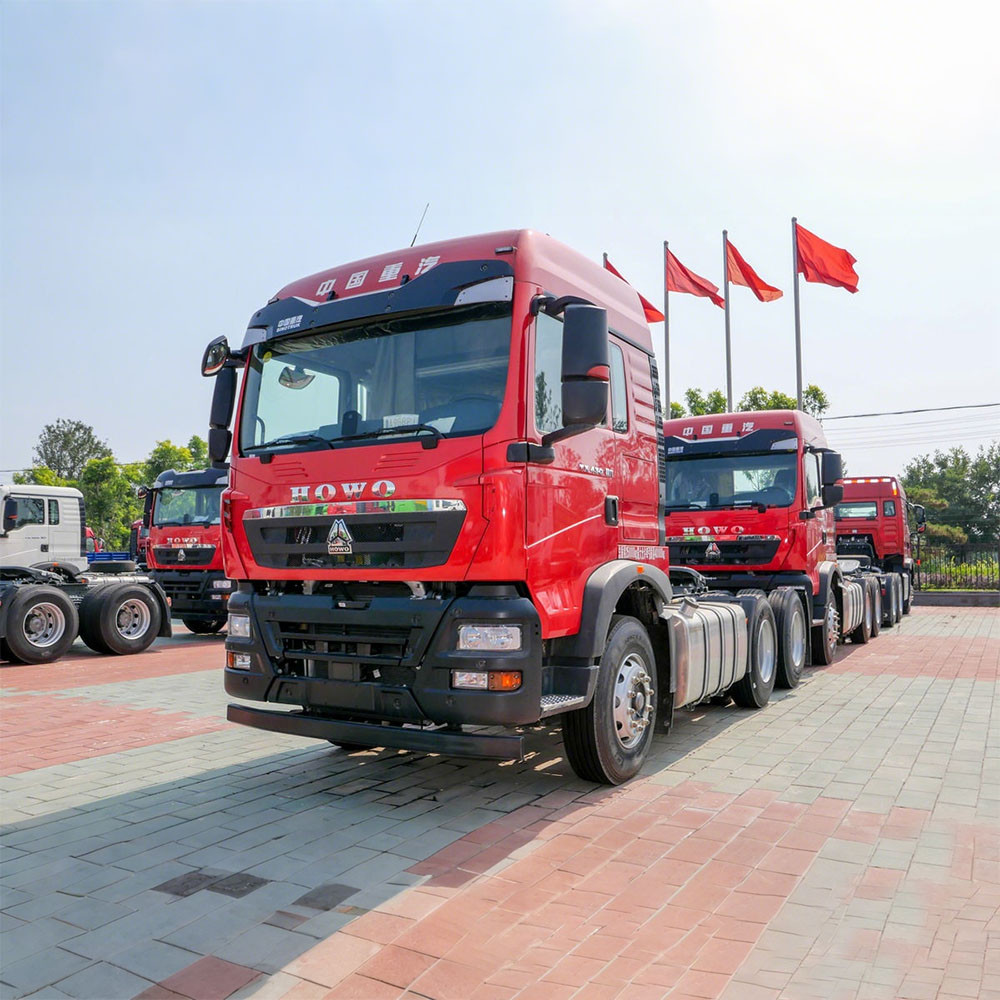
At highway speed, airflow matters. Roof fairings, side extenders, trailer gap control, and side skirts can improve fuel economy. For fleets asking how much fuel does a semi trailer tractor combination consume on long expressway routes, aerodynamics often delivers one of the fastest savings returns.
Tires and Rolling Resistance
Low rolling resistance tires can help reduce consumption, but they should be selected according to route, climate, and axle position. A poor match between tire design and actual service conditions may shorten tire life even if fuel use improves slightly.
Telematics and Data Visibility
Fuel efficiency improves when managers can see actual speed patterns, idle time, harsh braking, and route deviation. Telematics does not reduce fuel use by itself, but it supports corrective action and more informed purchasing decisions.
- Define your main route type before selecting engine output and axle ratio.
- Estimate average payload, not only legal maximum payload.
- Compare aerodynamic and tire options by yearly mileage, not purchase price alone.
- Ask for fuel data from similar operating conditions when evaluating equipment.
How to Reduce Fuel Consumption Without Disrupting Delivery Capacity
Most fleets do not need radical changes to improve fuel performance. Practical savings usually come from coordinated adjustments in operation, maintenance, and equipment specification. This approach is especially useful when transport demand is high and downtime must stay low.
Operational Improvements
- Control cruise speed. A modest speed reduction on highways can cut fuel use without a major impact on arrival time.
- Plan routes to avoid congestion windows, steep detours, and unnecessary empty returns.
- Train drivers on progressive acceleration, predictive braking, and reduced idle time.
Maintenance Improvements
- Keep engines tuned and filters clean to maintain efficient combustion.
- Maintain proper wheel alignment for both tractor and trailer.
- Use scheduled inspections to detect brake drag, bearing issues, and tire wear patterns early.
Specification Improvements
If you are buying or renewing fleet assets, fuel should be evaluated together with route type, cargo density, maintenance resources, and driver turnover. A lower sticker price can become expensive if the vehicle regularly consumes more diesel across its service life.
What Should You Check Before Purchasing or Assigning a Tractor-Trailer Combination?
When asking how much fuel does a semi trailer tractor combination consume, buyers should look beyond brochure figures. Real transport efficiency depends on whether the equipment fits the intended task. Procurement mistakes usually come from weak route analysis rather than poor hardware alone.
Use the checklist below to compare options before purchase, lease, or route assignment.
This kind of structured review reduces trial-and-error costs. It also helps buyers compare suppliers and configurations on operating value, not just acquisition price.
What Are the Most Common Mistakes When Estimating Fuel Use?
Using One Number for All Routes
A common mistake is to assume a fixed fleet benchmark applies everywhere. In reality, urban freight, port drayage, and long-haul transport create very different fuel patterns.
Ignoring Trailer Impact
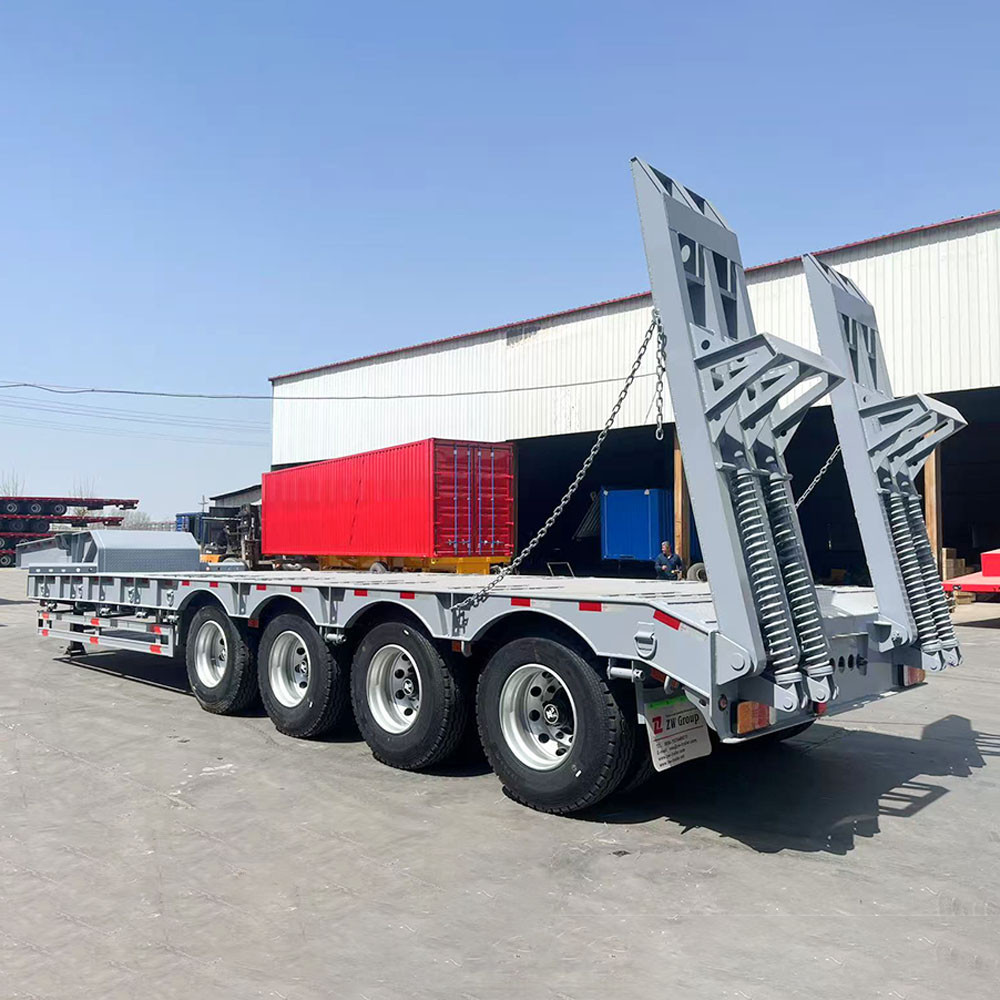
Some operators focus only on the tractor. But trailer height, body type, axle condition, and aerodynamic features strongly influence how much fuel does a semi trailer tractor combination consume.
Comparing Drivers Without Normalizing Conditions
Driver analysis is useful, but only when route, weight, weather, and loading patterns are considered. Otherwise, conclusions may be unfair and operational decisions may be wrong.
Looking Only at Purchase Cost
The cheapest configuration at delivery may consume more fuel year after year. In transport operations with high annual mileage, lifecycle cost often matters more than the initial invoice.
FAQ: Practical Questions from Fleet Operators and Buyers
Is 30 liters per 100 km good for a semi trailer tractor combination?
Yes, in many highway-based operations, 30 L/100 km is considered efficient, especially with moderate payload and steady speed. However, whether it is good depends on route profile, gross combination weight, trailer design, and idle time.
How much fuel does a semi trailer tractor combination consume when fully loaded?
A fully loaded unit often consumes around 35 to 45 liters per 100 km, sometimes more on steep gradients or poor roads. The exact figure depends on legal weight limits, engine-driveline matching, and how often the truck must stop or climb.
Can driver training really reduce diesel cost?
Yes. In many fleets, improved driving discipline reduces unnecessary acceleration, overspeeding, and idle time. Even a modest reduction of 2 to 4 L/100 km can produce substantial annual savings when trucks cover long distances.
What should be measured first if fuel consumption suddenly rises?
Start with route changes, payload changes, tire pressure, idle hours, and maintenance records. Then inspect for brake drag, alignment problems, and engine-related faults. Sudden fuel increases are often caused by a combination of operating and mechanical issues.

Why Choose Us for Transport Fuel Analysis and Equipment Selection Support?
If your team is evaluating tractors, trailers, or route assignments, we can help turn the question of how much fuel does a semi trailer tractor combination consume into a practical operating decision. Our support focuses on transport reality: load pattern, route condition, duty cycle, maintenance demands, and cost sensitivity.
You can contact us for specific and useful discussions, including parameter confirmation, configuration comparison, route-based fuel estimation, delivery cycle planning, custom transport solutions, and quotation communication. If your business handles mixed freight scenarios, we can also help you sort equipment options by payload, road type, and expected running cost.
- Confirm suitable tractor and trailer matching for your route and cargo profile.
- Review likely fuel consumption bands before procurement or fleet renewal.
- Discuss maintenance and operating factors that influence long-term diesel cost.
- Request support for solution selection, lead time, and quotation planning.
In transport, small differences in liters per 100 km can reshape yearly profit. If you want a clearer basis for purchasing, route planning, or fleet optimization, contact us with your operating scenario and we can help you evaluate the most suitable direction.
Please give us a message
Our engineers help you choose the right truck or trailer based on:
- Your cargo type
- Road condition
- Payload requirement
- Local regulations