
How Do I Choose a Semi Trailer for Rough Roads?
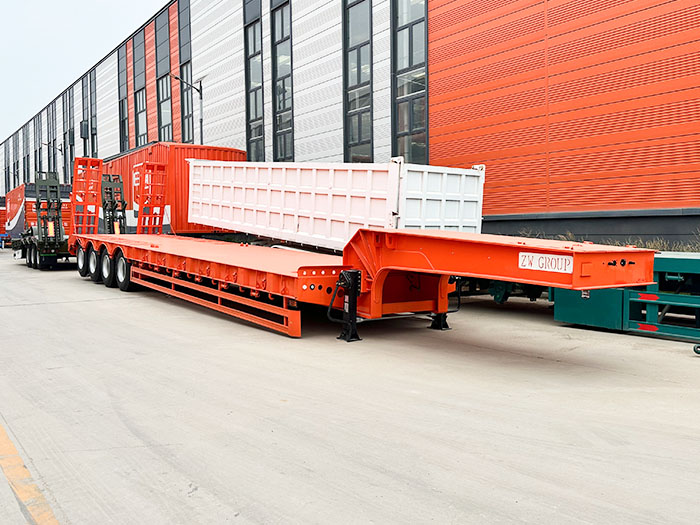
How Do I Choose a Semi Trailer for Rough Roads?
How do I choose a semi trailer for rough roads? The right choice starts with matching the trailer to your cargo, route conditions, and operating demands—not simply selecting the strongest-looking frame. Uneven surfaces, potholes, and unpaved routes place extra stress on suspension systems, tires, axles, and structural components. This guide explains which specifications matter most, from ground clearance and load distribution to chassis durability and maintenance access, helping you compare options, reduce avoidable downtime, and select a trailer suited to demanding routes.
The difficult part is separating useful capability from unnecessary weight. A heavily reinforced trailer may survive demanding work but sacrifice payload on highway trips. A lightweight highway model may carry more cargo yet require repairs when used regularly on corrugated gravel. Neither is automatically wrong; the duty cycle decides.
Define the Route Before Comparing Trailers
“Rough roads” is too broad to serve as a purchasing specification. Potholes on paved roads create impact loads. Washboard surfaces produce repeated vibration. Deep ruts challenge clearance, while uneven tracks twist the chassis. Mud and loose gravel add traction and braking concerns that trailer strength alone cannot solve.
Describe the route in terms a manufacturer can evaluate: surface type, frequency of rough-road exposure, expected operating speed, gradients, tight turns, water crossings, and seasonal changes. Include access roads at loading and unloading sites. A short, steep entrance can be more restrictive than the rest of the journey.
Photographs and route measurements are more useful than requesting a generic “heavy-duty package.” Record where an existing trailer bottoms out, where tires suffer damage, and whether failures occur loaded or empty. These observations help distinguish a specification problem from an operating or maintenance problem.
Choose the Body Type Around the Cargo
Rough-road capability does not replace the basic need for a suitable trailer type. Machinery, aggregates, palletized goods, and temperature-sensitive freight require different loading arrangements and structural details.
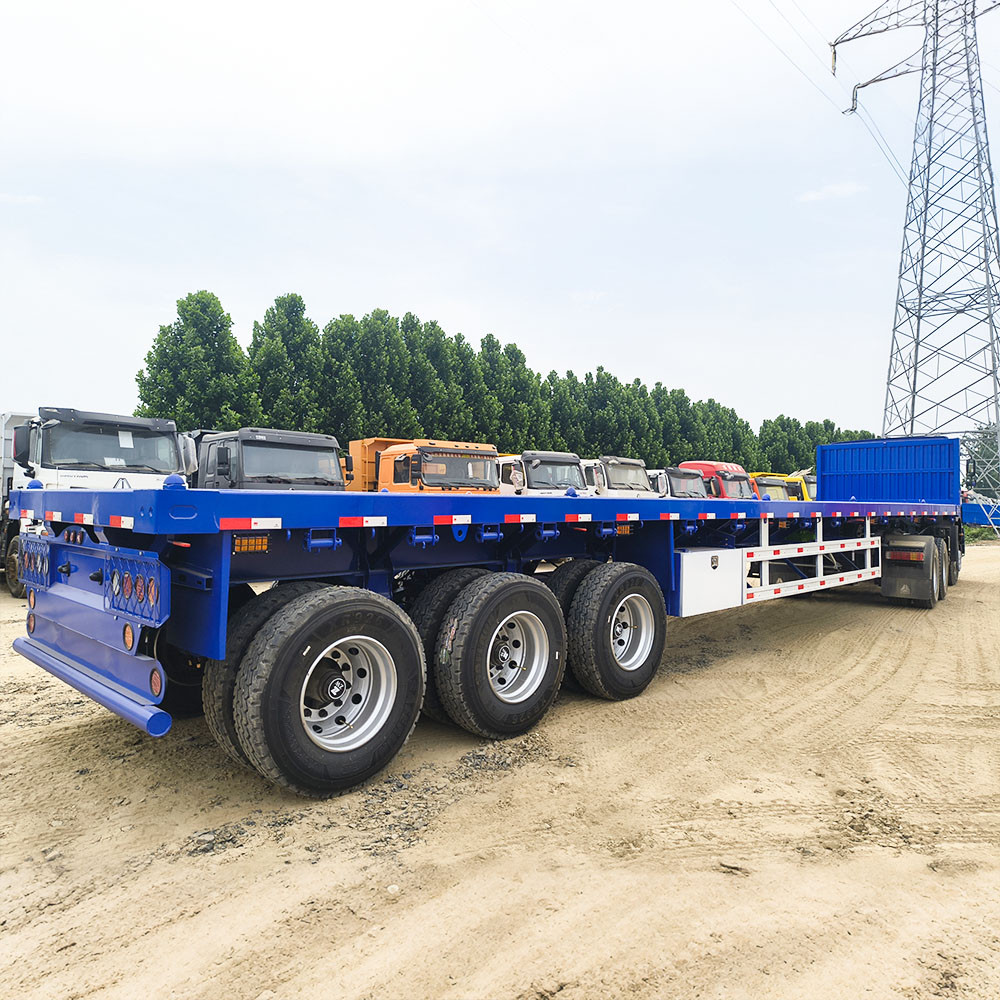
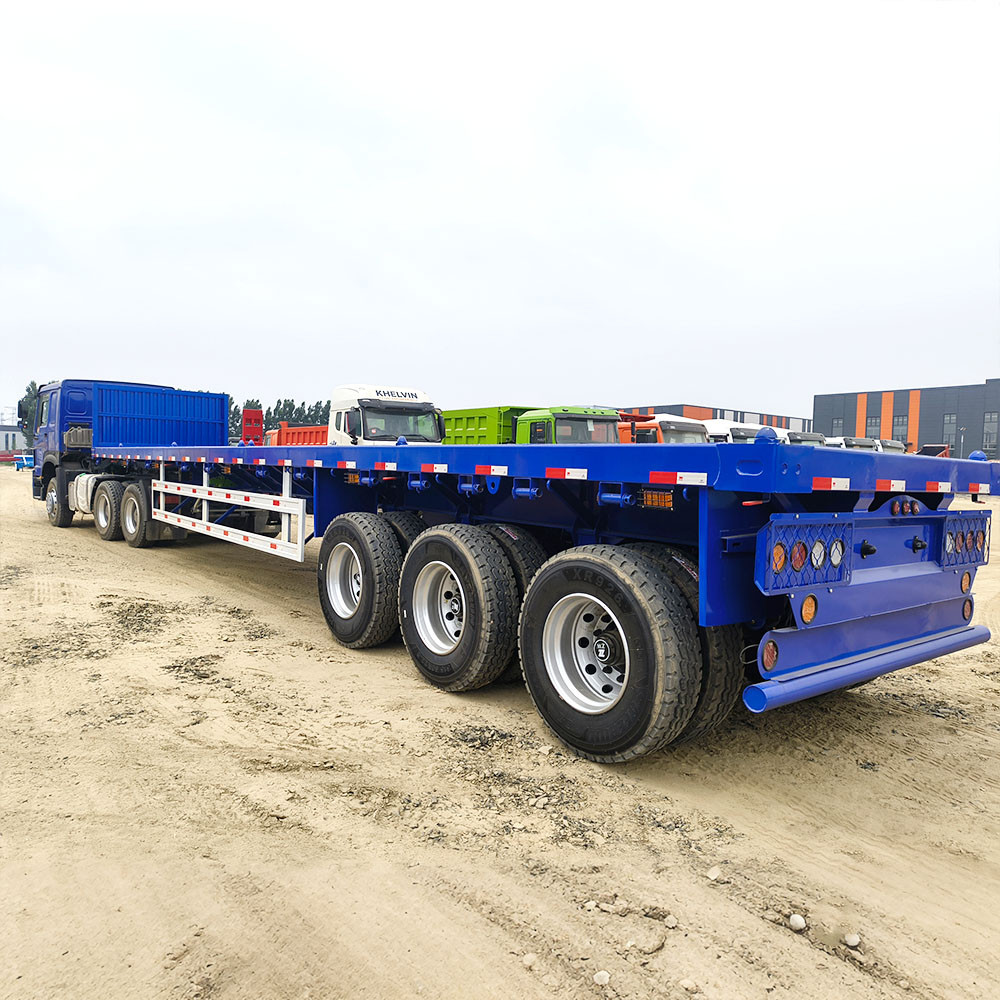
A flatbed offers flexible loading, but its deck, crossmembers, and restraint points must suit the cargo footprint. Machinery concentrated on a few contact points can impose very different stresses from an evenly distributed load of the same total weight. Ask for the permitted loading pattern, not just the headline payload.
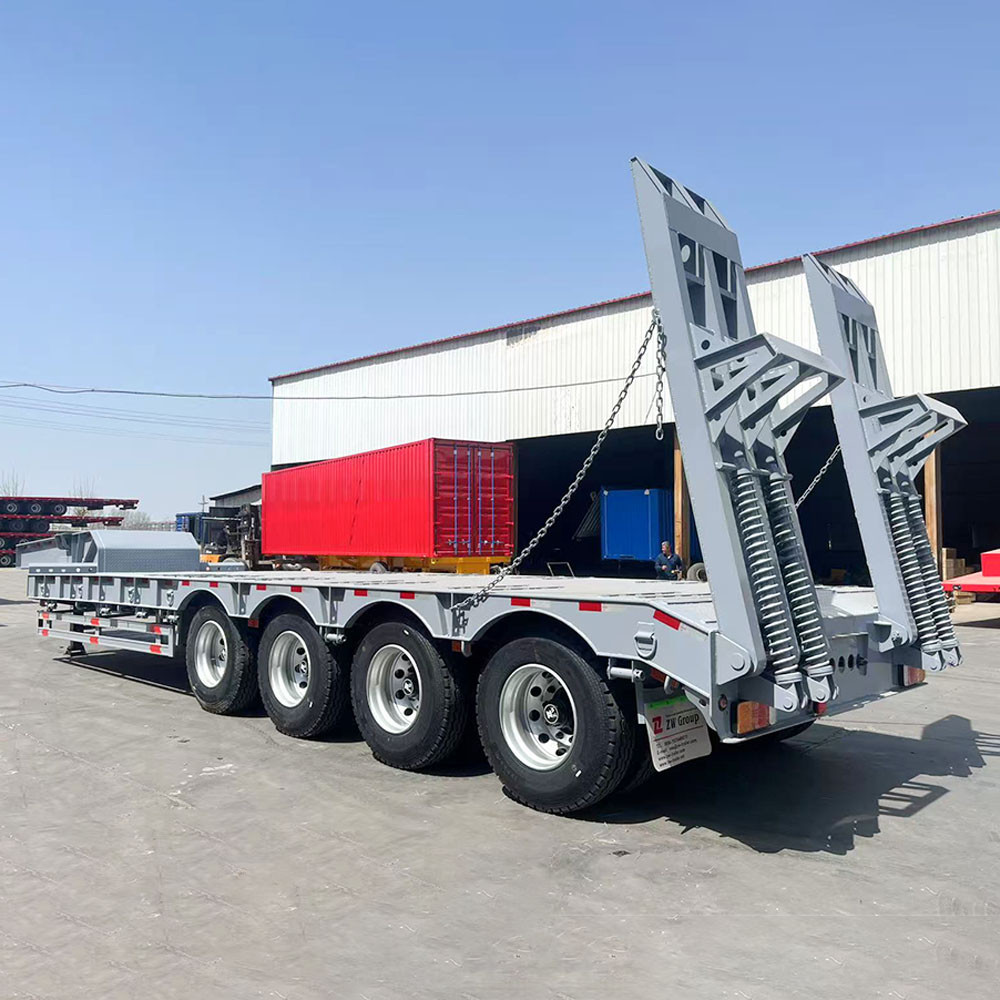
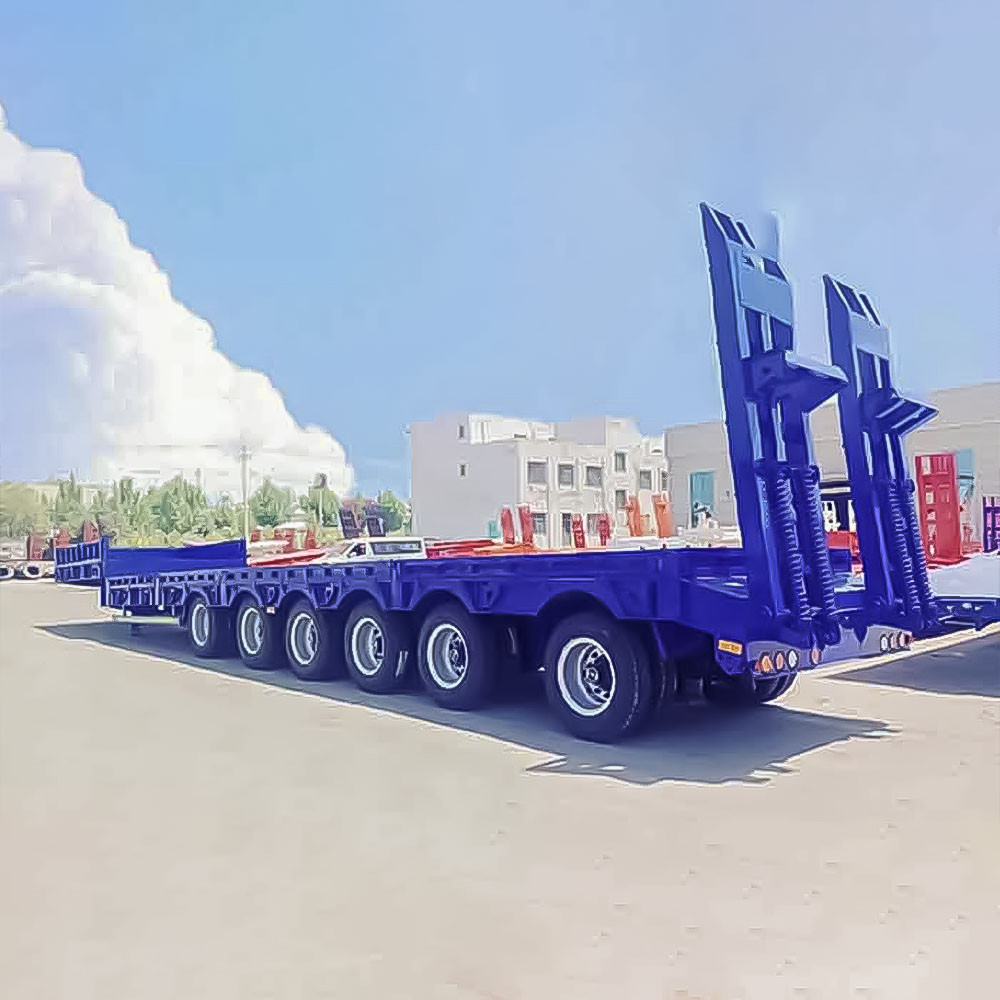
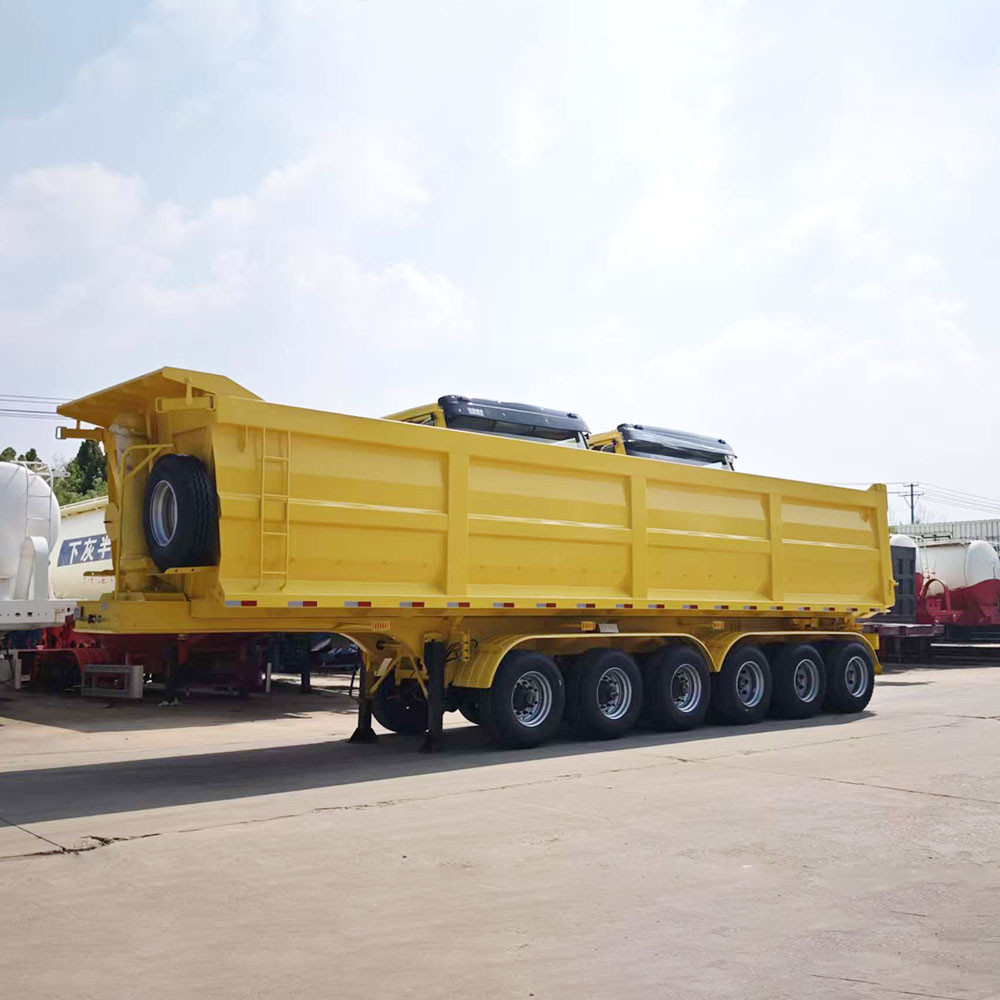
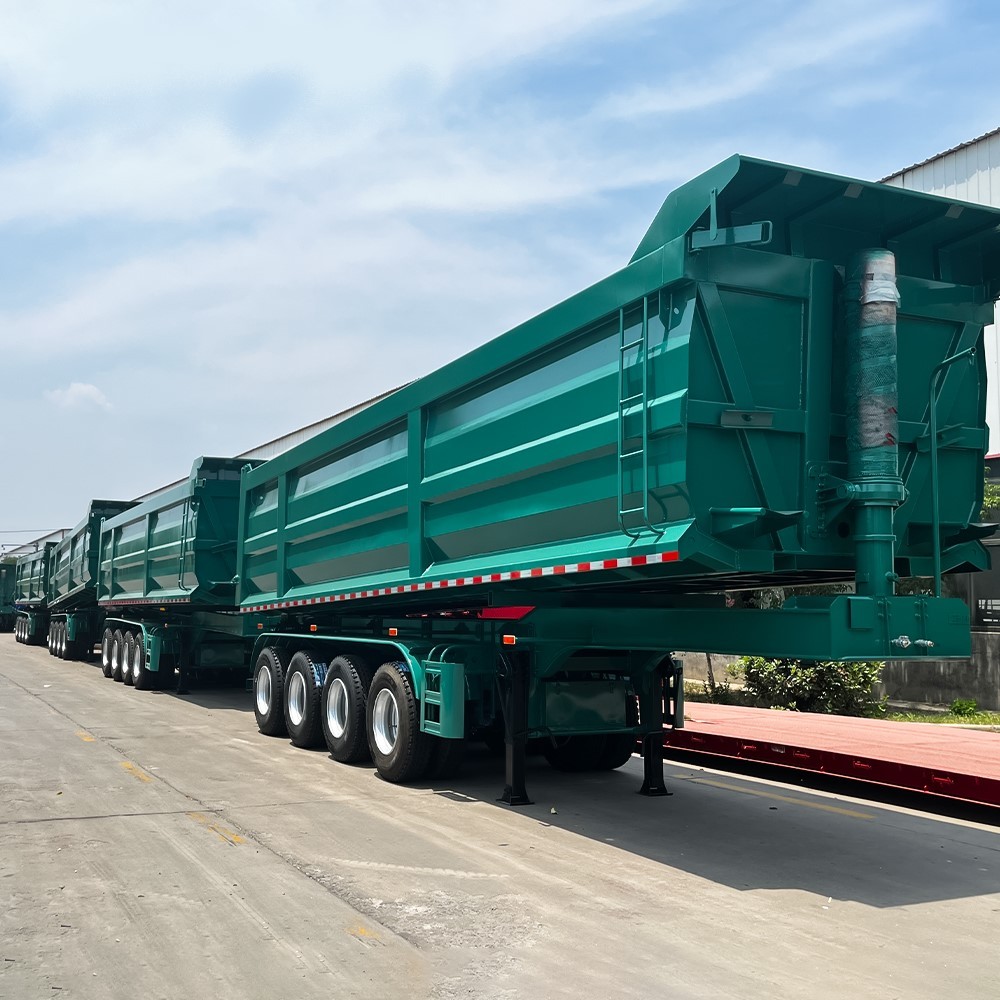
Low-bed trailers reduce machinery transport height and can lower the loaded center of gravity, but limited underbody clearance may become a problem on crests and rutted tracks. A tipper suits bulk materials, yet tipping requires a separate stability assessment. Uneven or soft ground that is passable during transport may be unsafe for raising the body.
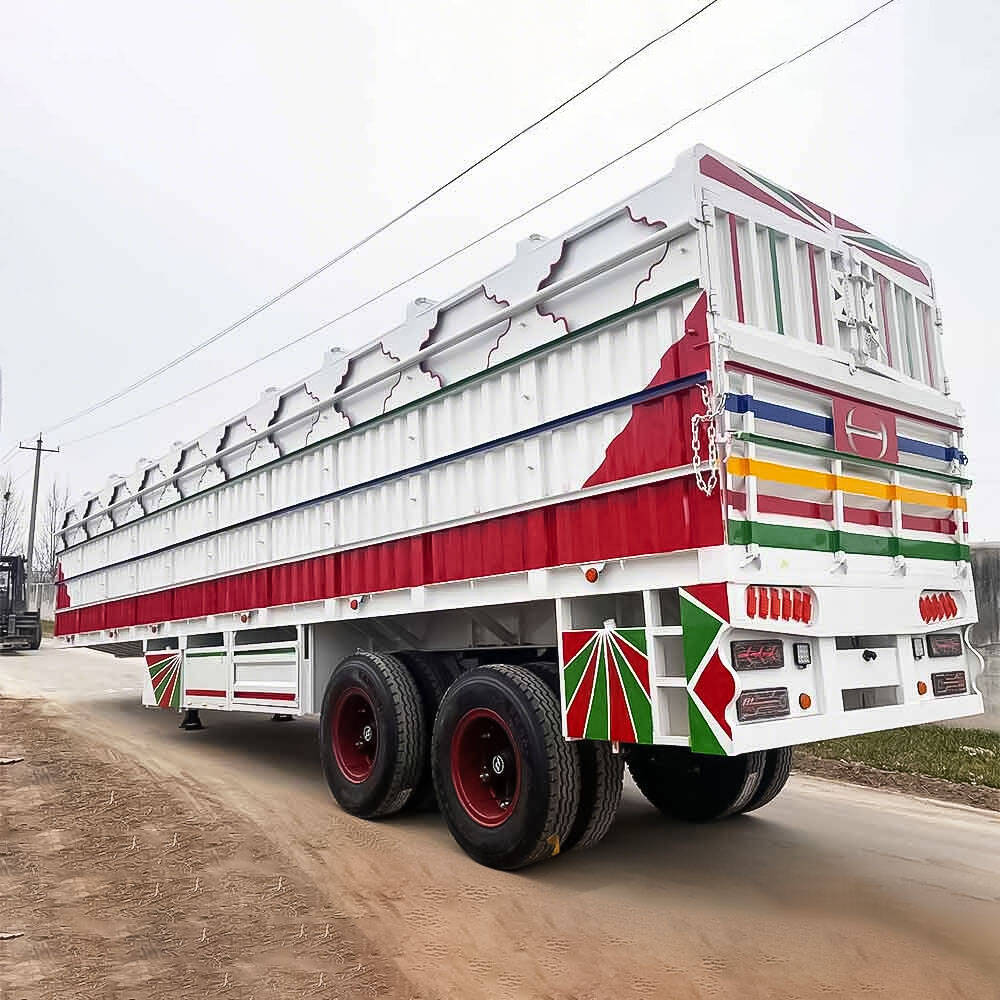
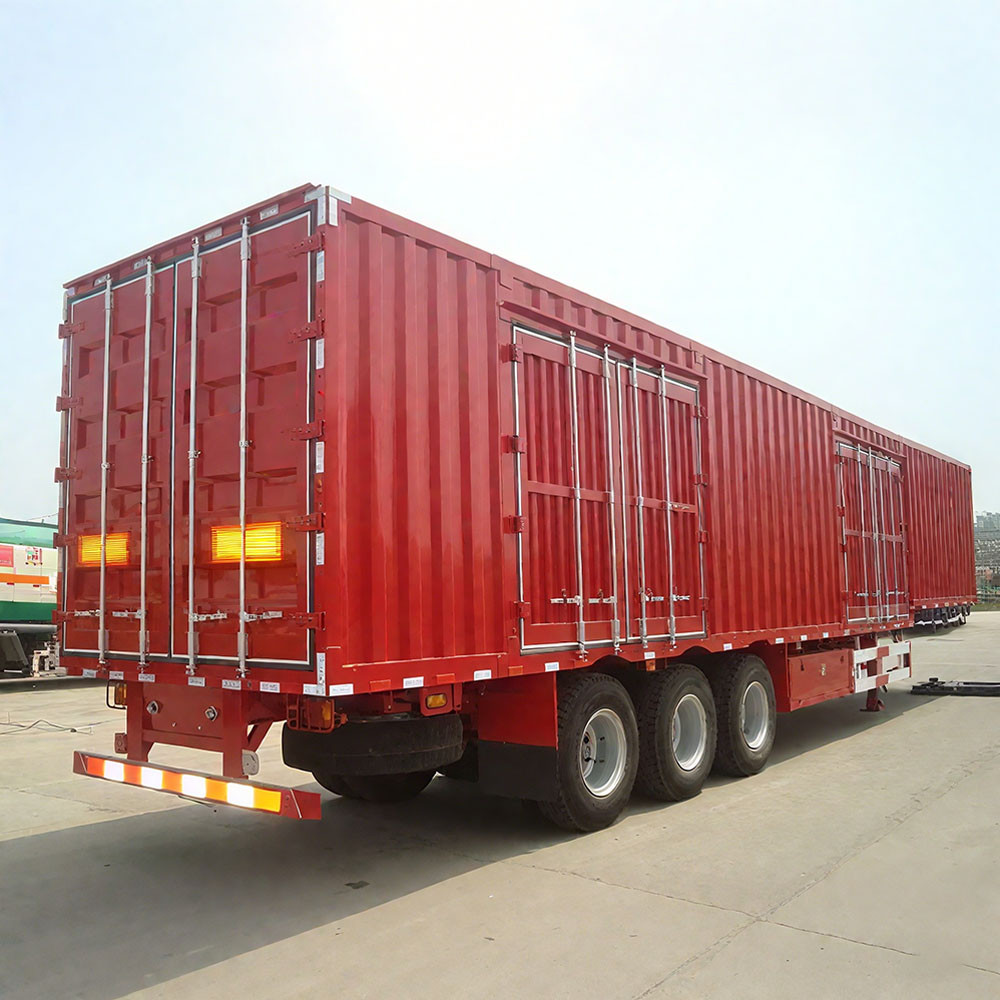
Enclosed and refrigerated trailers also need scrutiny beyond the running gear. Repeated chassis movement can affect door alignment, body joints, cargo restraints, and mounted equipment. Confirm that the complete trailer—not only its axle assembly—is intended for the proposed service.
Look Beyond Frame Thickness
A thick main beam is not proof of a durable rough-road chassis. Structural life depends on material selection, geometry, fabrication quality, load paths, and how repeated stresses are managed. Abrupt changes in stiffness or poorly detailed attachments can create local stress concentrations even when the overall frame looks substantial.
Pay particular attention to suspension mounting areas, crossmember connections, the kingpin region, landing-leg supports, and body mounts. These locations transfer significant forces or connect components with different stiffness. Request an explanation of the reinforcement strategy and the loading assumptions behind it.
More rigidity is not always better. Uneven terrain can force different wheels to different heights, introducing torsion into the structure. The trailer needs an engineered response to that movement; adding plates without considering the complete design can shift stress elsewhere.
Ask what evidence supports the proposed duty rating. Depending on the supplier, that may include engineering calculations, defined test conditions, inspection criteria, or documented service experience. A claim of “off-road strength” without a stated load and operating envelope provides little basis for comparison.
Evaluate Suspension as a Complete System
The suspension must support the load while managing wheel movement and shock transmission. Its suitability depends on axle travel, damping, articulation, mounting geometry, and maintenance requirements—not simply whether it uses air springs or steel springs.
Air suspension can provide useful ride isolation and ride-height control, particularly for sensitive freight. However, air springs, valves, hoses, and shock absorbers need appropriate protection and service support. Confirm the manufacturer's rough-road limitations and required ride height. Operating at an incorrect height can compromise travel and component life.
Mechanical suspensions may suit applications where simplicity and local repairability matter. They still differ substantially in load equalization, articulation, bushing design, and ride behavior. “Mechanical” should not be treated as shorthand for indestructible, just as “air” should not be treated as unsuitable for every unpaved route.
For either design, ask what happens when one wheel enters a rut or crosses a raised obstacle. The answer should address usable travel, axle loading, and component limits. Nominal suspension capacity alone does not describe that behavior.
Check Axle Loads, Tires, and Braking Together
Trailer payload, axle capacity, and legal carrying capacity are different figures. Actual usable payload depends on tare weight, axle-group limits, tractor compatibility, kingpin load, tires, and local road requirements. A higher-rated axle does not automatically permit a heavier shipment.
Request loaded and empty weight-distribution calculations for realistic cargo positions. Loading everything toward the rear can overload the trailer axle group; moving it too far forward can exceed tractor or coupling limits. Adding axles may spread weight, but it also affects tare weight, turning behavior, tire scrub, and maintenance.
For tires, compare the intended service category, load and speed ratings, rim compatibility, and resistance to the route's likely damage mechanisms. Sharp stone, sidewall contact in ruts, and sustained highway running impose different demands. Tire pressure should follow the tire manufacturer's load guidance and operating conditions. Arbitrarily reducing pressure for a softer ride can create heat and casing damage.
Braking deserves equal attention. Confirm tractor-trailer compatibility, applicable approval requirements, and protection of air lines, electrical wiring, and ABS or EBS components where fitted. Long descents require an operating plan as well as suitable equipment; stronger running gear does not compensate for overheated brakes or excessive speed.
Measure Clearance Where Contact Actually Happens
A single ground-clearance figure can conceal the real obstacle. The lowest vulnerable point may be an axle component, brake chamber, landing leg, spare-wheel carrier, rear structure, or exposed line. Check these locations with the trailer loaded and at its specified operating ride height.
The wheelbase and overhangs matter too. A long trailer can ground near its center while crossing a crest even if static clearance appears adequate. Rear overhang can contact the ground when leaving a steep ramp. Assess the combination's breakover and rear departure geometry against actual route obstacles.
Raising the deck may improve clearance but increase loading height and the loaded center of gravity. That trade-off becomes important on side slopes and sharp curves. Evaluate clearance, stability, loading access, and overall height together, including any applicable restrictions on rear protection devices.
Make Repairability Part of the Purchase Decision
On remote routes, a replaceable part that takes weeks to arrive can be a bigger problem than a modest difference in purchase price. Check local availability of wheel bearings, seals, brake parts, suspension bushings, air springs where fitted, and compatible tires. Obtain actual part references rather than a general assurance that components are standard.
Inspect service access. Technicians need to reach lubrication points, inspect mounts, replace hoses, and check fasteners without unnecessary dismantling. Stone protection, routing of lines, drainage, and corrosion protection are worth examining closely, particularly where mud or abrasive material accumulates.
Request a maintenance schedule appropriate to severe service. Rough-road work may justify more frequent inspections, but intervals should follow manufacturer guidance and operating experience. Confirm which defects require immediate withdrawal from service and which repairs need an approved procedure. Welding a cracked frame without understanding the cause can conceal rather than resolve the failure.
Turn the Shortlist into a Verifiable Specification
Before comparing prices, give each supplier the same route and cargo brief. Ask them to identify assumptions, exclusions, and recommended operating restrictions. This makes it easier to distinguish genuine design differences from differently worded sales claims.
- Confirm payload and axle distribution for the intended cargo positions.
- Request loaded clearance information and tractor coupling requirements.
- Record the exact suspension, axle, tire, and brake specifications.
- Clarify whether the proposed rough-road duty is covered by warranty terms.
- Agree on inspection documents, spare-parts support, and delivery acceptance checks.
Where practical, arrange a controlled route assessment with representative loading and qualified personnel. Check clearance, handling, cargo movement, and post-run condition without exceeding approved limits. An empty demonstration on smooth pavement cannot establish suitability for loaded work on rough tracks.
The purchase should leave you with a defined operating envelope, not merely a tougher-looking trailer. If a supplier cannot explain how the proposed design handles your load, terrain, maintenance conditions, and tractor combination, resolve those gaps before accepting the quotation.
Please give us a message
Our engineers help you choose the right truck or trailer based on:
- Your cargo type
- Road condition
- Payload requirement
- Local regulations