
How Do African Fleet Buyers Compare Shacman With Other Chinese Trucks?
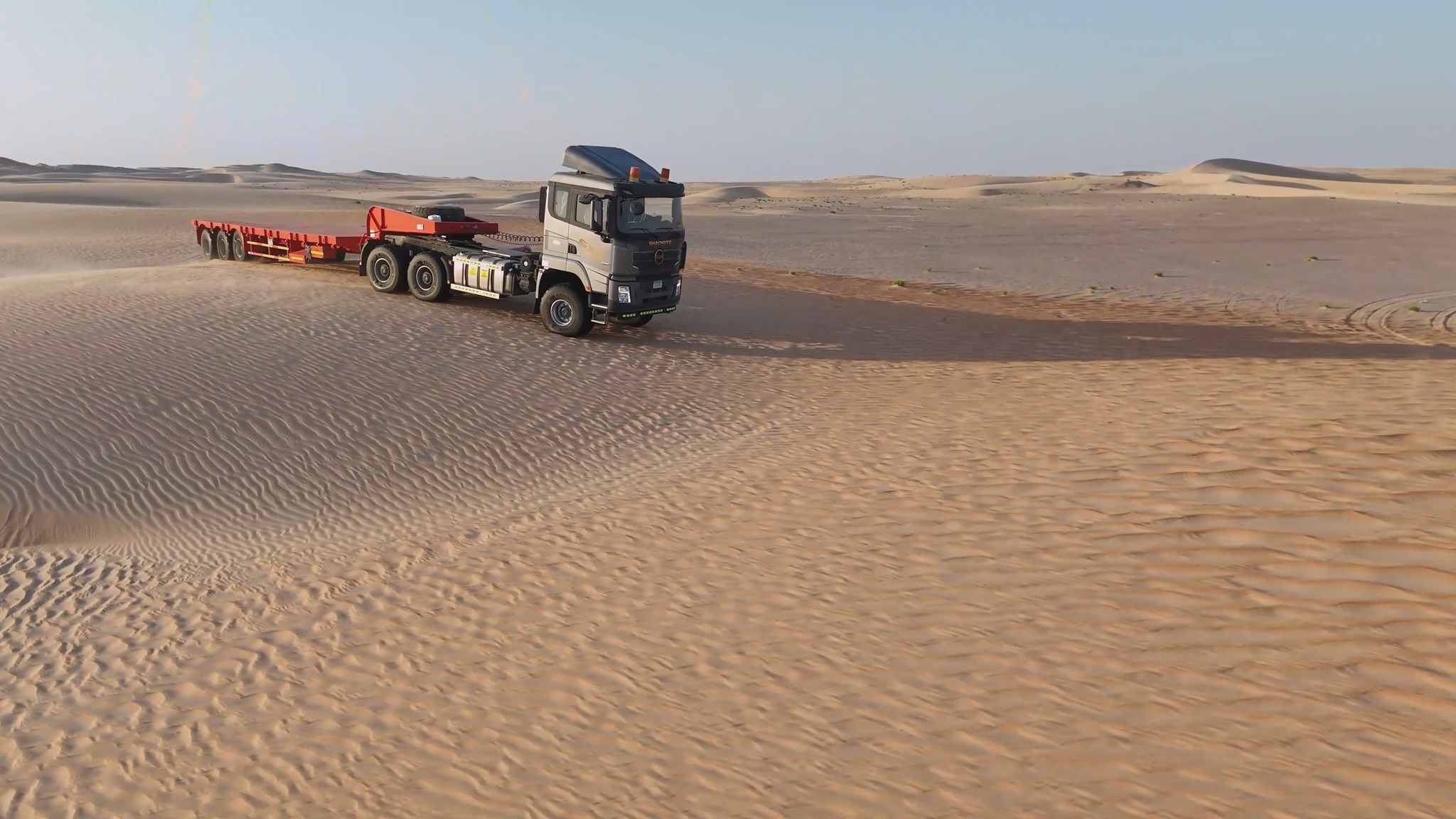
When evaluating heavy-duty vehicles for demanding routes and budgets, many importers and fleet managers ask the same question: Shacman truck vs other Chinese brands for Africa—which delivers better value, durability, and after-sales support? From mining roads to long-haul logistics, African fleet buyers compare performance, parts availability, fuel efficiency, and total operating cost before making a decision.
In practice, this comparison is rarely about sticker price alone. Buyers in East, West, Central, and Southern Africa often assess how a truck performs over 3 to 5 years, how fast critical parts can be sourced, and whether local mechanics can keep the unit running in remote conditions.
That is why the debate around Shacman truck vs other Chinese brands for Africa continues to grow. The right answer depends on route type, payload demands, axle configuration, maintenance planning, and the depth of dealer or importer support in each target market.
Why African Fleet Buyers Compare Shacman So Closely With Other Chinese Truck Brands
Chinese heavy trucks have become more visible across African transport corridors over the past 10 to 15 years. For many fleet operators, the comparison is no longer between Chinese trucks and non-Chinese trucks, but between Chinese brands with different strengths in cost, durability, and service support.
Shacman often enters the shortlist for 6x4 tractor heads, dump trucks, and cargo units used in mining, construction, fuel distribution, and long-haul freight. Competing brands may also offer similar engine power bands, such as 340 hp to 430 hp, but the buying decision usually goes deeper than engine output.
The main buying pressures in African transport operations
Fleet managers face at least 4 recurring pressures: difficult road conditions, fuel cost control, parts lead time, and uptime reliability. A truck that saves 5% on purchase cost but loses 10 to 15 days per year due to parts shortages may become more expensive in real operation.
- Rough terrain on mining, agricultural, and cross-border routes
- Long distance use of 500 to 1,500 km per trip
- Pressure to reduce fuel consumption per ton-kilometer
- Need for fast repair turnaround within 24 to 72 hours
Where Shacman is commonly evaluated
In many procurement reviews, Shacman is compared against other Chinese brands in 3 key applications: tipper work, tractor-head hauling, and general cargo transport. These categories matter because each one puts different pressure on the chassis, suspension, driveline, and brake system.
A tipper operating 20 to 25 days per month on uneven haul roads needs different strengths than a highway tractor pulling container loads between inland depots and ports. This is where a careful Shacman truck vs other Chinese brands for Africa analysis becomes more useful than broad brand claims.
The table below outlines the most common evaluation points African buyers use when comparing heavy-duty Chinese trucks for fleet deployment.
The key takeaway is that African buyers are comparing operating resilience, not only factory specifications. A strong procurement decision weighs both technical fit and service practicality in the local market.
Shacman Truck vs Other Chinese Brands for Africa: Core Comparison Areas
A meaningful comparison should focus on 5 practical areas: durability, powertrain suitability, maintenance access, cost structure, and resale confidence. These are the factors that usually influence performance over the first 100,000 to 300,000 km of service.
Durability under overload and rough-road conditions
Shacman is often viewed as a strong option for harsh-duty applications, especially where dump trucks and tractor units are exposed to quarry access roads, unpaved mining lanes, and heavy cargo cycles. Buyers often check spring packs, chassis reinforcement, and axle tolerance before placing bulk orders.
Other Chinese brands may compete well on paved-road logistics or lighter cargo use, but the right result depends on actual duty cycle. A fleet carrying 35 to 50 tons in repeated off-road movements should prioritize structural durability over cosmetic features.
What to inspect before purchase
- Axle configuration: 4x2, 6x4, or 8x4 based on payload pattern
- Ground clearance for poor road sections and seasonal mud conditions
- Leaf spring and suspension setup for repetitive heavy loading
- Brake system suitability for downhill and mixed-terrain use
Fuel efficiency and power matching
When buyers assess Shacman truck vs other Chinese brands for Africa, fuel use is a major decision point. On long-haul routes, a difference of 2 to 4 liters per 100 km can materially change yearly transport cost, especially in fleets of 10, 20, or 50 units.
However, the most fuel-efficient truck on paper is not always the best real-world choice. If engine torque is too low for the route profile, drivers may overwork the drivetrain, causing higher wear and unstable fuel figures under full payload.
Spare parts access and maintenance simplicity
This is often the deciding factor. Many African fleet buyers accept a slightly higher initial vehicle cost if service parts can be obtained within 3 to 7 days instead of 3 to 6 weeks. Filters, brake linings, clutch parts, suspension items, and electrical components are especially important.
A practical brand is one that local workshops can support without long technical delays. If the truck uses widely understood systems and common service items are stocked by importers, workshop downtime usually falls.
The next table compares common decision points buyers use when weighing Shacman against other Chinese truck brands in African markets.
This comparison shows why a low purchase quote should never be the sole selection factor. In many fleets, the better truck is the one that balances durability, workshop familiarity, and predictable parts access over the operating cycle.
How to Choose the Right Truck for Different African Transport Scenarios
The best answer to Shacman truck vs other Chinese brands for Africa changes by application. Buyers should define route length, road quality, average payload, service interval planning, and expected monthly utilization before selecting a brand or configuration.
Scenario 1: Mining, quarry, and construction haulage
For severe-duty work, 6x4 and 8x4 configurations are often prioritized. Here, stronger suspension, robust frame design, and stable brake performance matter more than cabin appearance. If units run 2 shifts per day, uptime becomes the top buying metric.
In this scenario, buyers often favor trucks with a reputation for handling overload stress better, provided there is a reliable parts channel nearby. A 48-hour parts response can be more valuable than a lower upfront price.
Scenario 2: Long-haul logistics and cross-border freight
For transport corridors linking ports, inland depots, and neighboring countries, the focus shifts toward fuel use, driver comfort, and cruise stability. Fleets may target maintenance intervals around every 15,000 to 25,000 km depending on operating conditions and lubricant quality.
In these cases, fleets should compare not just engine rating but gearbox match, rear axle ratio, sleeper cab practicality, and actual road-speed behavior with loaded trailers. Better matching can reduce fatigue and improve delivery consistency.
Scenario 3: Regional cargo and mixed-road distribution
Mixed-road fleets need versatility. A truck may spend 60% of the month on paved roads and 40% on damaged rural links. This means buyers should avoid overly specialized units and instead choose balanced configurations that simplify service and driver training.
A 5-step buying process for fleet managers
- Define route profile and average payload range
- Match engine, gearbox, and axle layout to duty cycle
- Check parts stocking plan for the first 6 to 12 months
- Inspect service capability in the target country or region
- Calculate total operating cost, not unit price alone
A disciplined process prevents the common mistake of buying a truck optimized for brochure appeal instead of transport reality. For many buyers, the most successful procurement decision is the one supported by a local parts list, workshop plan, and driver feedback loop.
Common Risks, Buying Mistakes, and After-Sales Questions
Even a technically suitable truck can underperform if procurement planning is weak. African buyers comparing Shacman truck vs other Chinese brands for Africa should watch for 4 common risks that increase hidden operating cost.
Mistake 1: Choosing by price without parts planning
A discount at purchase can disappear quickly if essential items must be imported case by case. Buyers should request a recommended fast-moving parts package covering filters, belts, brake parts, clutch items, and suspension wear components for at least the first 6 months.
Mistake 2: Ignoring local mechanic familiarity
If local workshops are unfamiliar with the truck system layout, diagnostics and repair cycles may become slow. Before ordering 5, 10, or 30 units, importers should check whether local technicians can handle routine service without heavy dependence on remote support.
Mistake 3: Using the wrong configuration for the route
A 4x2 tractor may be efficient on stable highways, but less suitable for poor loading yards or seasonal access roads. Likewise, an overly heavy configuration may raise fuel and tire cost in lighter-duty applications. Configuration discipline is one of the fastest ways to protect ROI.
Frequently asked buyer questions
Many procurement teams ask whether Shacman is better than every other Chinese truck brand for Africa. The more accurate question is whether Shacman is better for a specific transport task, support network, and ownership model. There is no universal answer for all markets and all fleet types.
Another frequent question concerns resale. In general, resale confidence improves where the brand has visible road presence, accessible parts, and an active used-truck buyer base. That is why market familiarity in a specific country can matter as much as technical specification.
African fleet buyers comparing Shacman with other Chinese trucks should look beyond catalog promises and focus on operational fit. The strongest decision usually comes from matching the truck to actual route conditions, payload patterns, service capacity, and spare-parts planning over a 3 to 5 year period.
If your business is assessing Shacman truck vs other Chinese brands for Africa, a structured comparison can reduce risk, improve uptime, and protect total fleet cost. Contact us today to discuss your transport application, request a tailored truck selection plan, and learn more about practical solutions for African fleet operations.
Please give us a message
Our engineers help you choose the right truck or trailer based on:
- Your cargo type
- Road condition
- Payload requirement
- Local regulations