
HOWO TX vs NX: Which Truck Is Better for African Buyers?
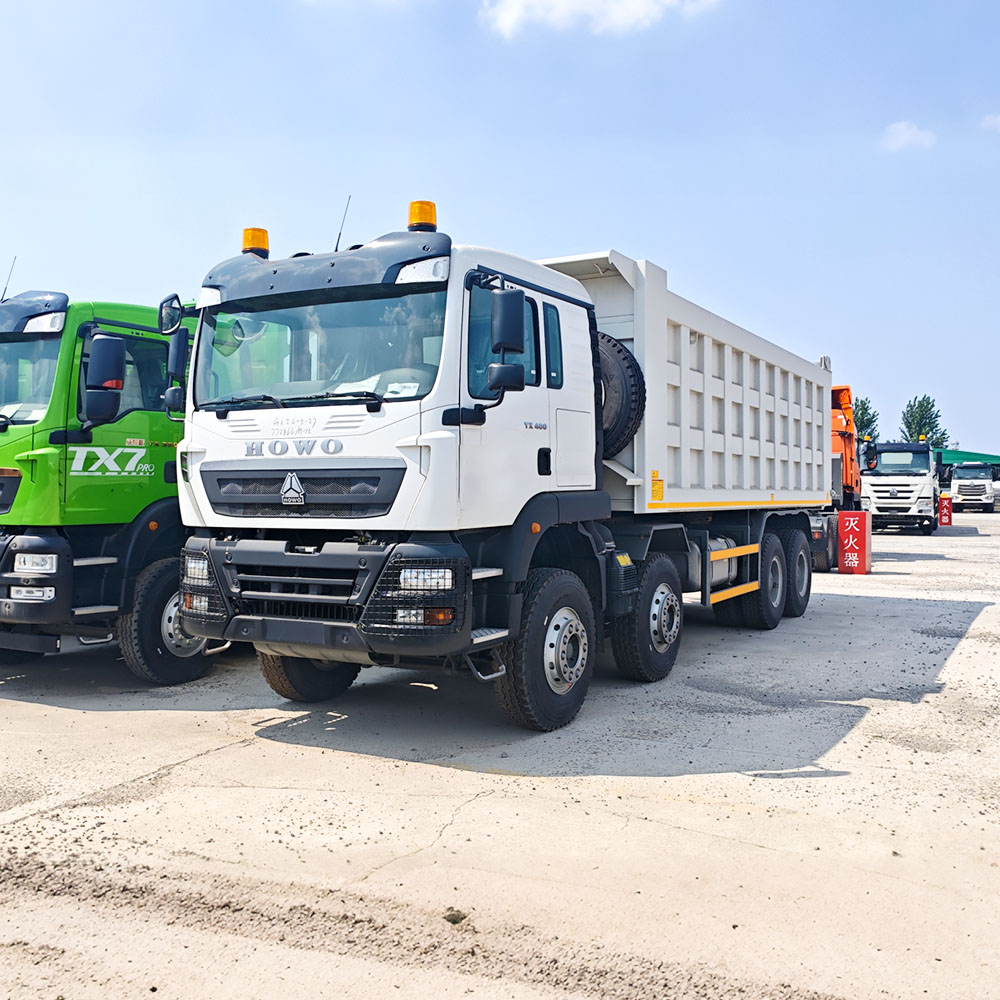
HOWO TX vs NX: Which Is Right for African Buyers?
Choosing between the HOWO TX and HOWO NX is an important decision for African fleet owners, logistics companies, construction contractors, and independent operators. Both truck series are designed for commercial applications, but the right choice depends on more than the model name.
Road conditions, payload, transport distance, driver comfort, maintenance support, parts availability, and operating costs should all be considered before placing an order.
For example, a truck running between a port and an inland warehouse may prioritize fuel efficiency and driver comfort, while a tipper working on construction or quarry roads may need greater attention to chassis strength, suspension, tyres, and repairability.
This HOWO TX vs NX comparison explains the key differences and helps African buyers choose a truck configuration that matches their actual working conditions.
The Short Answer: It Depends on the Application
In general, the HOWO TX can be a strong choice for buyers who prioritize practical heavy-duty operation, straightforward maintenance, and cost control. It is suitable for many construction, regional haulage, distribution, and general cargo applications.
The HOWO NX can be attractive to operators who place greater emphasis on cab comfort, driving experience, and long-distance road transport. It can be considered for logistics fleets, intercity transportation, and operations where drivers spend long hours on highways.
However, there is no universal winner.
A truck working on rough construction roads has different requirements from a tractor truck pulling a container over long-distance highways. The actual engine, gearbox, axle configuration, suspension, tyres, body, and other specifications can have a major impact on performance.
Therefore, buyers should compare the complete truck configuration, rather than choosing only according to the TX or NX name.
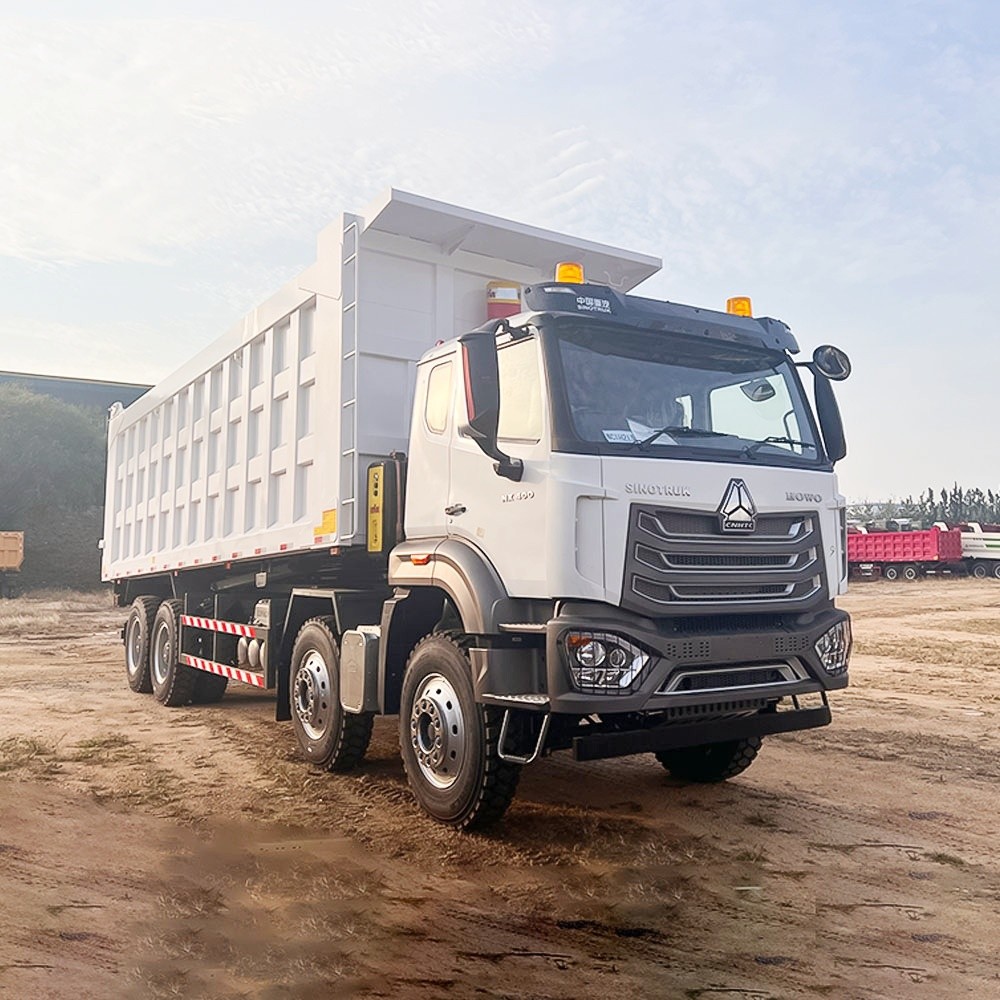
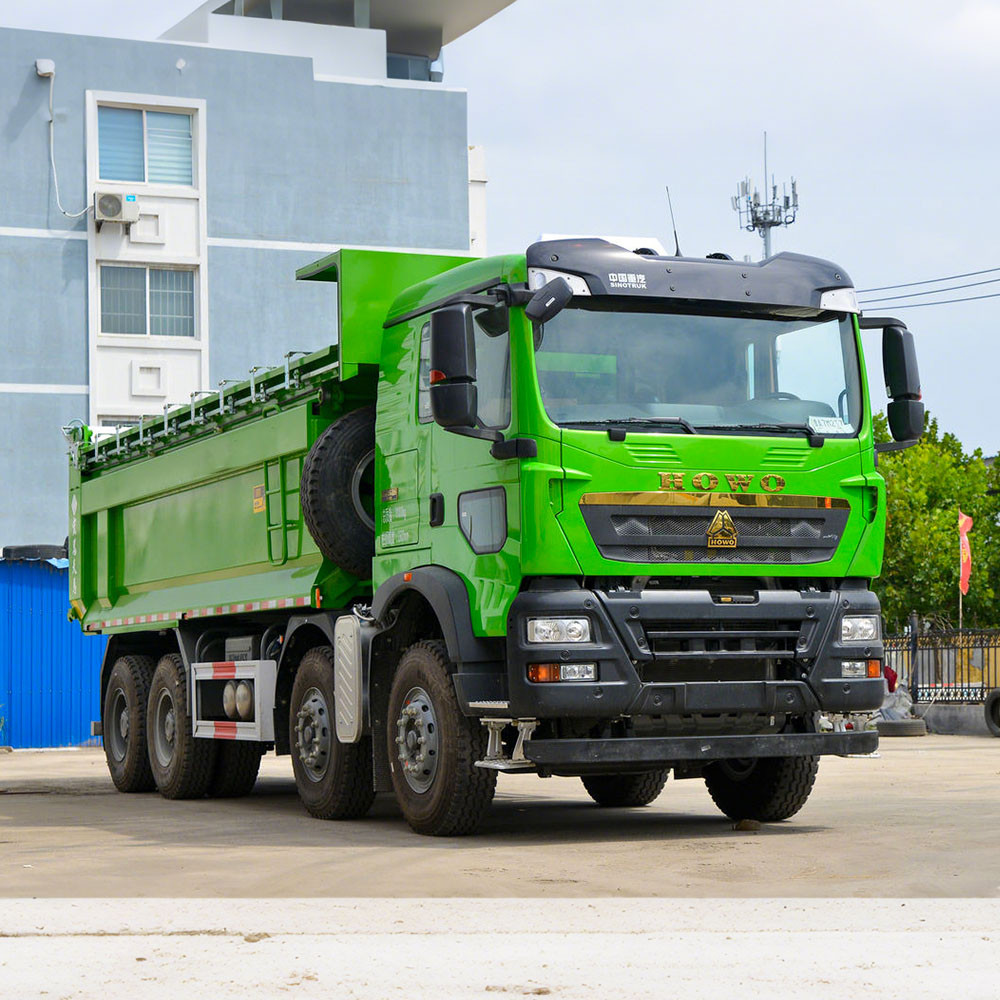
HOWO TX vs NX at a Glance
These are general characteristics rather than fixed rules. Both series can be supplied in different configurations, so the final specification should always be matched to the intended application.
HOWO TX: A Practical Choice for Heavy-Duty Work
The HOWO TX is often considered by buyers looking for a straightforward heavy-duty truck for demanding commercial applications.
For construction companies, aggregate transporters, quarry operators, and regional freight businesses, the priority is often simple: the truck needs to work reliably every day and be easy to maintain when service is required.
The TX can be suitable for applications such as:
- Construction material transport
- Sand and aggregate haulage
- Mining support
- Regional cargo transportation
- General heavy-duty transport
- Tipper operations
- Short- and medium-distance haulage
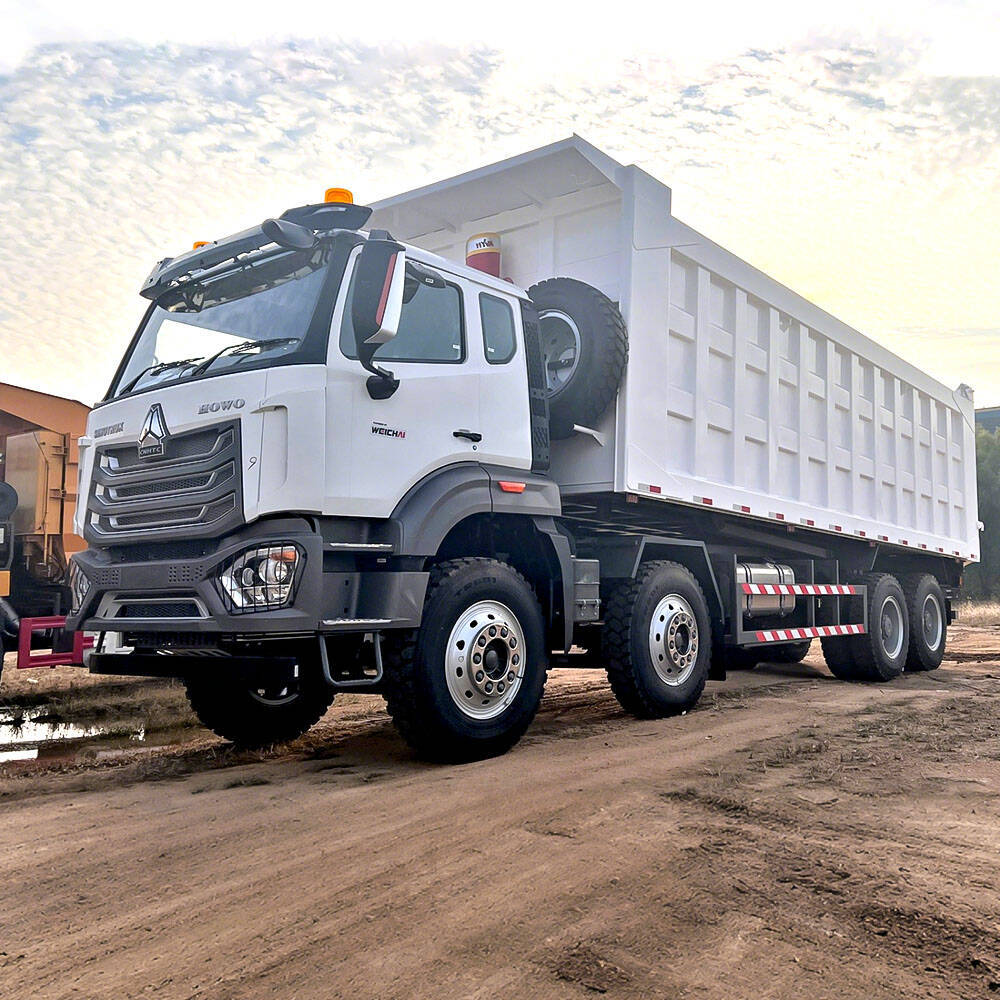
For a dump truck, buyers should pay particular attention to the complete working configuration. A suitable axle arrangement, suspension system, tyre specification, tipping body, hydraulic system, and chassis setup can be more important than choosing a particular cab series.
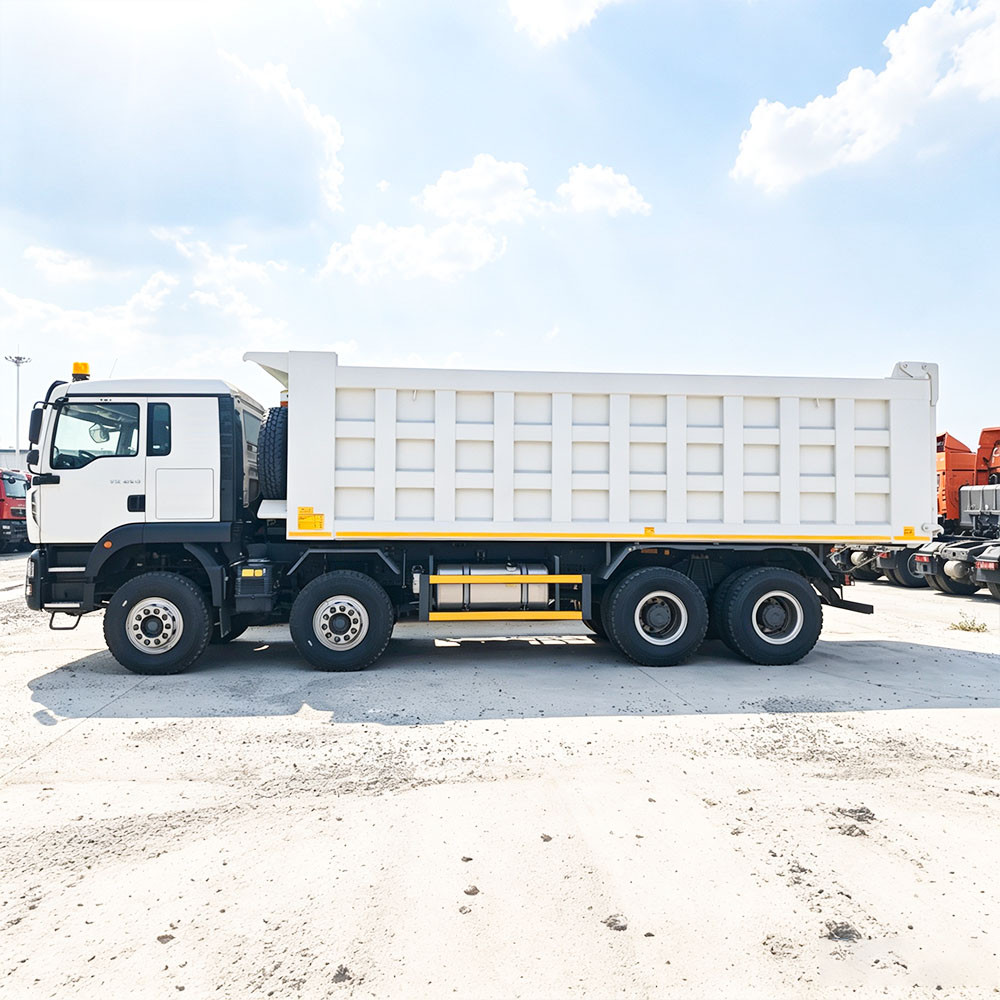
For example, an 8×4 HOWO TX dump truck may be considered for higher-capacity construction and aggregate transportation, while a 6×4 configuration can be suitable for many regional and mixed-duty applications.
The important point is to match the truck to the actual load and road conditions rather than simply selecting the largest available configuration.
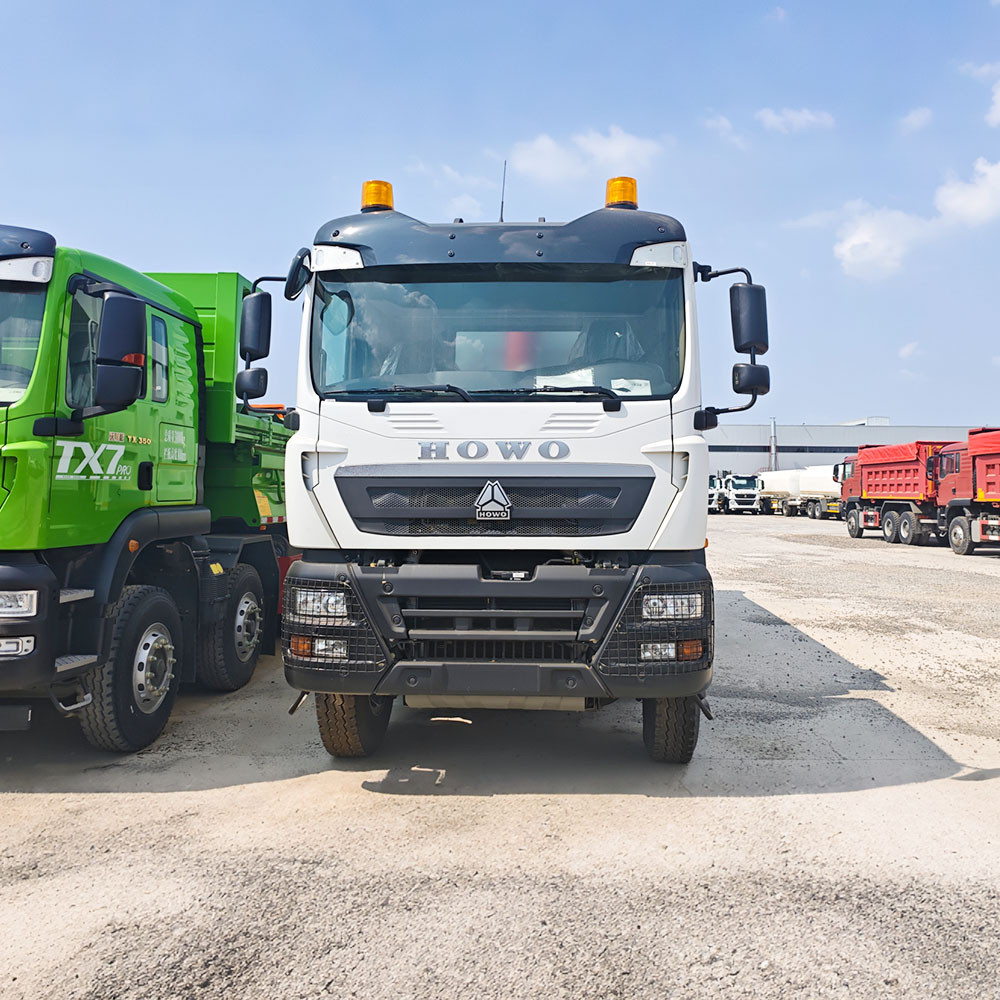
HOWO NX: A More Driver-Focused Option for Road Transport
The HOWO NX can be attractive to buyers who spend more time on highways and long-distance routes.
For logistics companies, fleet operators, and businesses involved in intercity or cross-border transportation, the cab environment becomes increasingly important. Drivers may spend many hours behind the wheel and, in some operations, several days away from their home base.
A more driver-oriented truck can help provide a better working environment through factors such as:
- Cab ergonomics
- Driver visibility
- Storage space
- Seating comfort
- Control layout
- Resting environment
The NX can therefore be considered for applications such as:
- Long-distance freight
- Container transportation
- Regional logistics
- FMCG distribution
- Intercity cargo transportation
- Cross-border transport
However, comfort should not be considered separately from serviceability. Before purchasing an NX truck, buyers should also confirm the availability of parts, technical support, warranty service, and diagnostic capabilities in their operating area.
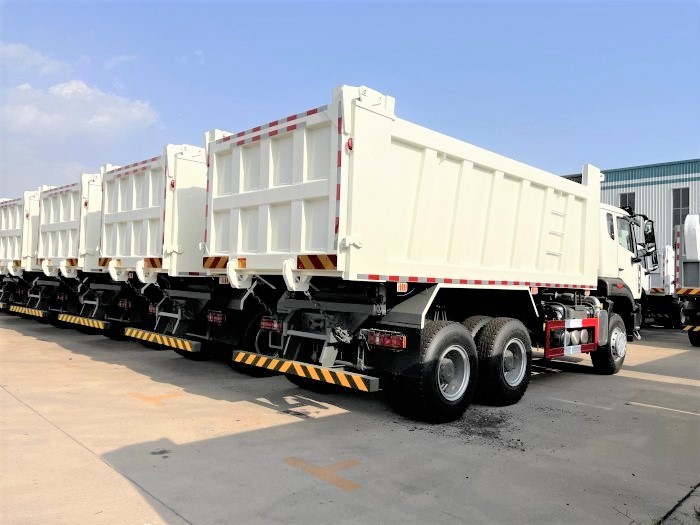
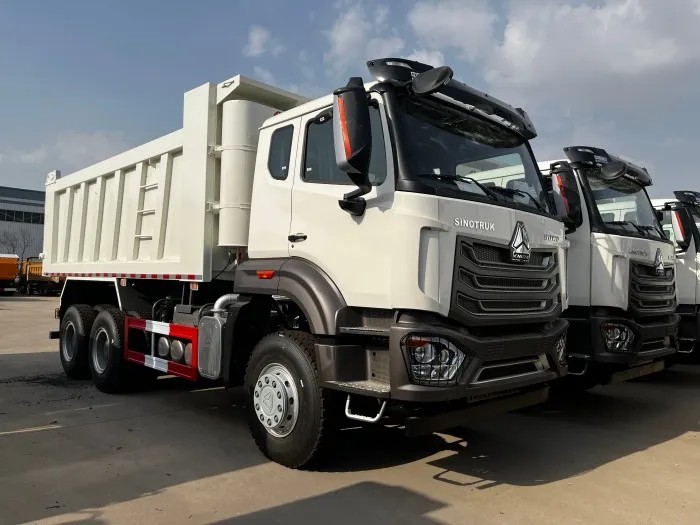
Fuel Efficiency: Look Beyond the Claimed Consumption Figure
Fuel is one of the largest operating costs for many African transport businesses, particularly on long-distance routes.
It is natural to ask whether the HOWO TX or NX provides better fuel economy. However, comparing fuel consumption only by truck series can be misleading.
Actual fuel consumption can be affected by:
- Engine specification
- Transmission
- Axle ratio
- Vehicle weight
- Payload
- Tyre pressure and condition
- Road gradient
- Traffic conditions
- Driving habits
- Idling time
- Maintenance condition
For example, a tractor truck operating mainly on highways may benefit from a configuration optimized for cruising efficiency. A dump truck working on steep construction roads has completely different requirements.
This means a correctly configured TX can potentially deliver better operating results than a poorly configured NX, and vice versa.
Before purchasing, ask the supplier for the exact engine and driveline specification rather than relying on a general fuel-consumption claim. Ideally, compare trucks under similar conditions, including payload, route distance, road conditions, and average operating speed.
Payload, Chassis, and Construction Applications
For construction and heavy-duty applications, buyers should look beyond the advertised payload.
A truck carrying aggregate, sand, stone, or construction materials may operate on rough access roads, construction sites, quarry roads, and uneven surfaces. These conditions place additional demands on the chassis, suspension, axles, tyres, and body.
When selecting a HOWO dump truck, consider:
- 6×4 or 8×4 configuration
- Axle capacity
- Suspension type
- Chassis strength
- Dump body design
- Body thickness
- Hydraulic system
- Tyre size and pattern
- Ground clearance
- Fuel tank protection
- Local legal axle-load limits
The HOWO TX can be a practical option for buyers who need a work-focused truck for repeated loading and unloading cycles.
The NX can also be configured for heavy-duty applications, but buyers should not assume that every NX specification is suitable for the same working conditions as every TX.
For example, a tractor truck designed for container transportation should not automatically be treated as equivalent to a construction dump truck. The body, gearing, suspension, tyres, and axle configuration all need to match the application.
Maintenance and Parts Availability Matter
A truck only generates revenue when it is operating.
For African fleet owners, maintenance and parts availability can therefore be just as important as the initial purchase price.
The HOWO TX can be particularly attractive in markets where local mechanics and workshops are already familiar with the platform and common replacement parts are readily available.
This can make routine maintenance and repairs more convenient, especially for operators working far from major cities.
The HOWO NX can also be a good choice when reliable dealer, distributor, and technical support is available. Before purchasing, buyers should confirm how quickly common parts can be supplied.
Ask the supplier about the availability of:
- Oil and fuel filters
- Air filters
- Brake components
- Clutch components
- Suspension parts
- Electrical components
- Sensors
- Air-system components
- Lamps
- Windshields
- Cab components
Do not only ask whether a part can be ordered. Ask how long it normally takes to reach your market.
A truck that costs less initially can become expensive if it remains parked for weeks because a relatively small replacement part is unavailable.
Which HOWO Model Fits Your Type of Transport?
For Long-Haul Freight and Cross-Border Routes
The HOWO NX may be a strong candidate when the operation places greater importance on driver comfort, highway performance, and long-distance driving.
It can be considered for container haulage, general cargo, logistics, and intercity transportation.
However, the route and service network should still determine the final specification. Buyers should confirm that maintenance and parts support are available along the main transportation corridors.
For Tippers and Construction Work
The HOWO TX can be a practical choice for repeated heavy-duty work, particularly in construction, aggregate transportation, and other applications involving frequent loading cycles.
For these operations, tyres, suspension, body design, hydraulic components, and correct gearing can have a major influence on operating performance.
A strong truck can still suffer from premature wear if it is overloaded or equipped with a body and tyres that are not suitable for the working environment.
For Regional Cargo Transportation
Both TX and NX can be considered for regional cargo operations.
The decision should depend on:
- Daily mileage
- Payload
- Road quality
- Driver requirements
- Maintenance resources
- Fleet standardization
- Purchase budget
For shorter routes where drivers return to base every day, a practical configuration may be more important than additional cab features.
For longer routes, comfort and driver environment may become more significant.
For Mixed Fleet Operations
Some transport companies handle several types of work, such as construction materials, general cargo, and regional logistics.
In this situation, fleet standardization can be more important than choosing a different truck for every individual job.
Using similar engines, transmissions, filters, brake components, and maintenance procedures can simplify:
- Driver training
- Parts inventory
- Workshop procedures
- Preventive maintenance
- Fleet management
Instead of buying whichever truck has the lowest individual quotation, fleet owners should consider how each truck fits into the company's overall operating system.
HOWO 6×4 or 8×4: Which Should You Choose?
The TX vs NX decision is only one part of the buying process.
For dump truck buyers, another important question is whether to choose 6×4 or 8×4.
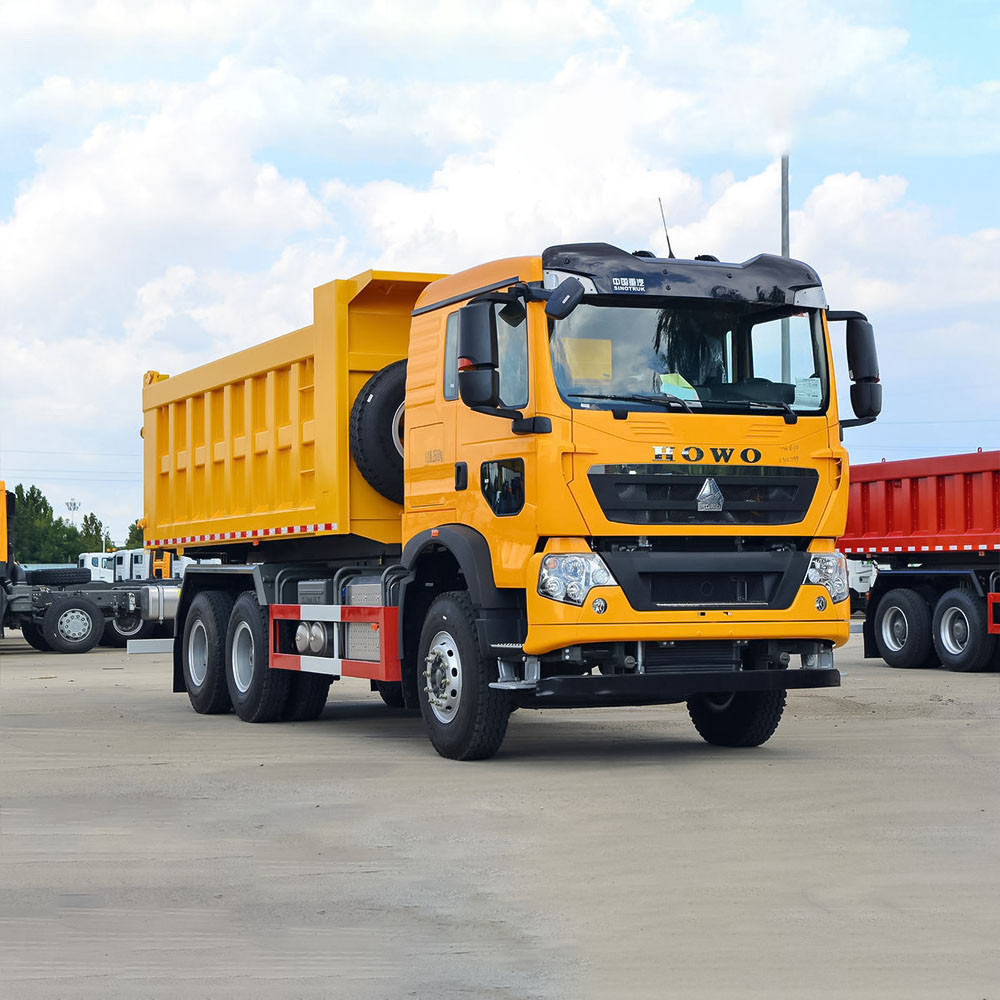
A 6×4 truck can be suitable for many construction, regional haulage, and general heavy-duty applications. It offers a balance between payload, manoeuvrability, operating cost, and purchase investment.
An 8×4 truck provides an additional axle and can be considered when higher payload capacity and greater load distribution are required, subject to local regulations and road conditions.
For example:
Choose 6×4 when:
- Loads are within the suitable axle and payload range
- Roads include tight construction access areas
- Manoeuvrability is important
- The operation involves mixed road conditions
Consider 8×4 when:
- Higher payload capacity is required
- The truck is mainly used for heavy construction materials
- Local regulations allow the intended axle loading
- The operating conditions justify the additional axle
The best configuration depends on the actual cargo and local regulations, not simply on which truck has more axles.
Do Not Compare Only the Purchase Price
A lower purchase price does not automatically mean a lower total cost.
African buyers should consider the complete operating cost, including:
- Purchase price
- Financing cost
- Fuel consumption
- Tyres
- Routine maintenance
- Spare parts
- Insurance
- Downtime
- Driver productivity
- Resale value
It is also important to compare the same specification.
Two quotations may both describe a vehicle as a “HOWO TX 6×4” while using different engine outputs, gearboxes, axle ratios, tyres, fuel tanks, or body configurations.
These differences can explain a significant price gap.
For this reason, buyers should request a complete technical specification before comparing quotations.
Practical Pre-Purchase Checklist
Before choosing between a HOWO TX and NX, consider the following:
- Define the main application: highway freight, construction, tipping, logistics, or mixed transport.
- Choose the correct wheel arrangement: determine whether 6×4 or 8×4 better matches the load and road conditions.
- Confirm the complete specification: check the engine, gearbox, axle ratio, suspension, wheelbase, tyres, and body.
- Consider local roads: rough roads and construction sites may require a different configuration from highway transport.
- Check parts availability: identify the common parts that are stocked locally.
- Confirm technical support: ask who will provide warranty service, diagnostics, and major repairs.
- Consider driver requirements: long-distance operations may place greater importance on cab comfort.
- Calculate operating costs: compare expected fuel, tyres, maintenance, and downtime.
- Check legal requirements: confirm local axle-load, vehicle-dimension, and road regulations.
- Plan for the entire fleet: consider whether the new truck fits your existing maintenance and parts system.
The Better Truck Is the One That Fits the Route
So, HOWO TX or NX—which should African buyers choose?
There is no single answer for every operation.
The HOWO TX can be a strong choice when practical heavy-duty operation, straightforward maintenance, durability, and cost control are the main priorities.
The HOWO NX can be a good option for operators who place greater emphasis on driver comfort, modern cab features, and long-distance road transportation.
But the model name should never be the only deciding factor.
Start with the cargo, route, road conditions, daily mileage, driver requirements, maintenance network, and local parts availability. Then select the engine, gearbox, axle configuration, suspension, tyres, and body to match those requirements.
A properly configured HOWO TX or NX can become a productive working asset. The key is not simply choosing the more expensive or newer-looking truck—it is choosing the right truck for the job.
Need Help Choosing a HOWO Truck?
If you are comparing HOWO TX and NX trucks for your market, ZW Group can help you select a suitable configuration based on your payload, road conditions, transport distance, and application.
Contact ZW Group for a suitable HOWO truck configuration and quotation.
Please give us a message
Our engineers help you choose the right truck or trailer based on:
- Your cargo type
- Road condition
- Payload requirement
- Local regulations