
Does Trailer Type Affect Heavy Truck Fuel Consumption?
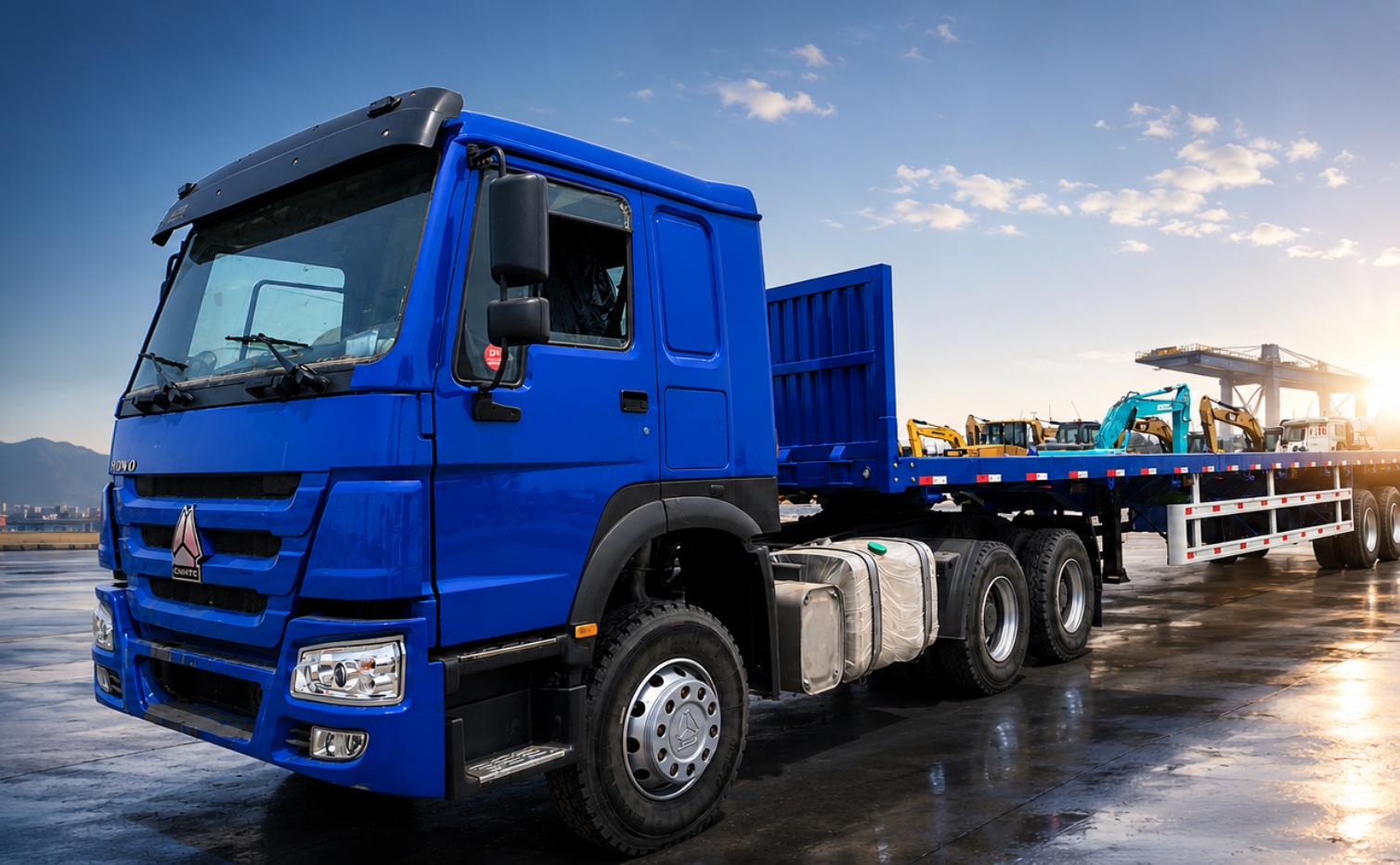
Does trailer type affect heavy truck fuel consumption? Absolutely, and for many fleets the answer shows up quickly in monthly fuel spend. Trailer design changes how much weight a truck pulls, how much drag it fights, how cargo is distributed, and how hard the powertrain must work across different routes.
For transport operators, this is not a minor technical detail. A mismatch between trailer type, freight profile, and route conditions can raise fuel use enough to erode margins across an entire fleet. The good news is that trailer-related fuel losses are measurable, manageable, and often improvable without replacing every truck.
Why Fleet Managers Ask This Question in the First Place
When people search does trailer type affect heavy truck fuel consumption, they usually want a practical answer, not a theory lesson. They are trying to understand whether trailer choice materially changes fuel cost, and whether changing specifications or operating practices will deliver a worthwhile return.
That concern is especially relevant in road transport, where fuel remains one of the largest variable expenses. Even a modest percentage improvement can matter when a fleet runs long distances, operates under tight delivery schedules, or manages low-margin contracts where every operational gain has financial value.
The real question is broader than fuel alone. Operators also want to know which trailer types work best for specific loads, whether aerodynamic upgrades pay back fast enough, and how route conditions affect the usefulness of one trailer design over another.
Yes, Trailer Type Can Significantly Affect Fuel Consumption
The short answer is yes. Trailer type affects heavy truck fuel consumption because different trailers create different demands on the tractor. Those demands come mainly from weight, aerodynamic drag, rolling resistance, cargo characteristics, and loading behavior during real-world operation.
A box trailer, flatbed, refrigerated trailer, tanker, tipper, and lowboy do not move through the air the same way. They also do not carry cargo with the same center of gravity, surface exposure, or tare weight. That means the engine and drivetrain see different resistance even on similar routes.
The impact is often most visible at highway speeds, where aerodynamic drag rises sharply. In urban or mixed operation, trailer weight, stop-start frequency, and load variability may matter more. So the fuel effect is real, but the size of the effect depends on how and where the trailer is used.
Weight: The Most Obvious Fuel Driver, but Not the Only One
Heavier trailers generally require more energy to accelerate, climb grades, and maintain momentum in congested traffic. A trailer with a high tare weight leaves less room for payload efficiency and pushes the vehicle combination toward greater fuel consumption, especially on regional routes with frequent braking and restarting.
This is why trailer material and structural design matter. Steel trailers may offer durability and lower upfront cost, while aluminum or lightweight composite designs can reduce mass and improve fuel performance. For some operators, that difference adds up over thousands of trips each year.
Still, weight alone does not tell the whole story. A slightly heavier trailer with better aerodynamics may outperform a lighter trailer at sustained highway speed. Fleet decisions should therefore compare total operating effect, not just empty trailer weight listed on a specification sheet.
Aerodynamics Often Decide Fuel Performance on Long Hauls
For long-distance transport, aerodynamic drag can be one of the largest reasons trailer type affects heavy truck fuel consumption. The faster the truck travels, the more energy it needs to push air aside. Trailer shape, height, underbody exposure, and rear-end airflow all influence this resistance.
Dry vans with smooth sides usually perform better aerodynamically than flatbeds carrying exposed freight. Refrigerated trailers may have additional frontal and underbody complexity. Tankers can vary depending on profile and fittings. Flatbeds with irregular loads often create especially poor airflow, which raises fuel demand.
Operators can improve this with side skirts, trailer tails, gap reducers, wheel covers, and careful tractor-trailer matching. These features do not change the cargo itself, but they can meaningfully reduce drag. On highway fleets, that often makes them among the most cost-effective fuel-saving investments available.
Different Trailer Types Create Different Fuel Profiles
Dry van trailers are often a strong baseline for fuel efficiency because they combine enclosed cargo protection with relatively controlled aerodynamics. On standard palletized freight and stable long-haul work, they usually support predictable fuel performance and are easier to optimize with aerodynamic add-ons.
Flatbed trailers often consume more fuel in practice because cargo is exposed to airflow. The issue is not just the trailer deck. Tall, uneven, or loosely shaped loads can create major drag. Securement methods such as tarps also affect airflow and may increase resistance if they are not fitted cleanly.
Refrigerated trailers typically use more total energy because they are heavier and also require refrigeration power. Even if the reefer unit is accounted for separately, the trailer still influences truck fuel use through weight and aerodynamic differences. For temperature-controlled logistics, fuel planning must consider both vehicle and refrigeration energy demand.
Tanker trailers can be efficient or inefficient depending on design, fill level, and route. Their curved shape may help airflow, but liquid surge and partial loads can affect driving stability and acceleration behavior. The fuel result depends heavily on how consistently the trailer is loaded and dispatched.
Dump trailers, lowboys, and specialized heavy-haul units usually prioritize function over fuel economy. They serve essential jobs, but their structure, weight, and use on difficult terrain often mean higher fuel consumption. In these applications, the best strategy is usually operational optimization rather than expecting passenger-like efficiency gains.
Load Type and Load Distribution Matter More Than Many Buyers Expect
Two identical trailers can produce different fuel results if they carry different cargo. Dense freight, oversized equipment, temperature-sensitive goods, and partially filled loads all change how efficiently the truck-trailer combination operates. This is why trailer selection should always be tied to actual freight patterns.
Load distribution also matters. Poorly balanced cargo can increase rolling resistance, reduce handling stability, and create avoidable tire wear. Those effects may not appear immediately in a fuel report, but over time they contribute to higher consumption and higher maintenance costs across the asset life cycle.
For operators moving mixed freight, the best trailer is not always the one with the lowest theoretical fuel use. It is the one that supports high utilization, legal payload compliance, consistent loading quality, and acceptable fuel performance across the largest share of the fleet’s workload.
Road Conditions and Duty Cycle Change the Answer
There is no universal ranking of trailer efficiency because usage context changes everything. A trailer that performs well on flat interstate routes may not be the best choice for urban distribution, mountain corridors, port drayage, or construction support work.
On highways, aerodynamic improvements often dominate the fuel equation. In city driving, repeated acceleration and idling make weight, maneuverability, and route density more important. On rough roads, tire condition, suspension behavior, and rolling resistance can influence the outcome as much as basic trailer shape.
This is why fuel comparisons should be tied to duty cycle. If a fleet evaluates trailer types without separating route classes, average speed bands, payload patterns, and seasonal conditions, the conclusion may be misleading. Good decisions come from comparing like-for-like operating scenarios.
How to Evaluate Whether a Trailer Change Will Actually Pay Off
Many businesses know trailer type affects heavy truck fuel consumption, but they struggle to turn that insight into procurement decisions. The right approach is to calculate total cost of ownership rather than focusing only on purchase price or isolated fuel anecdotes from drivers.
Start with a simple business case. Compare current and proposed trailer types based on tare weight, typical payload, route mix, annual mileage, expected fuel consumption difference, maintenance profile, and residual value. Then estimate payback under realistic fuel price assumptions rather than best-case projections.
It is also useful to run controlled comparisons. Assign similar tractors, similar drivers, and similar routes to different trailer configurations, then review telematics and fuel data over a meaningful period. Short tests can be distorted by weather, traffic, and loading variation, so the sample must be large enough to trust.
For larger fleets, this process should be built into trailer specification strategy. Procurement, operations, and maintenance teams should align on what the trailer is meant to do. The most fuel-efficient option on paper may fail commercially if it limits loading flexibility, serviceability, or customer requirements.
Operational Changes That Improve Fuel Economy Without Replacing Trailers
Not every fleet can replace trailers quickly, and in many cases that is not necessary. Significant gains can come from improving how existing trailers are maintained, loaded, and paired with tractors. That matters because fuel performance is shaped by condition and use, not only by original design.
Underinflated tires increase rolling resistance and can quietly raise fuel consumption across an entire fleet. Misaligned axles, worn wheel bearings, damaged fairings, loose side skirts, and poor door sealing can also reduce efficiency. Regular inspection of trailer-specific fuel factors is often underemphasized in maintenance programs.
Driver behavior matters too. Smooth acceleration, reduced speeding, better anticipation of braking, and disciplined idling control all help, but the effect is strongest when the trailer setup supports efficient operation. A well-driven truck cannot fully overcome a poor trailer match for the route and freight.
Load planning is another practical lever. Reducing empty miles, improving cube utilization, and minimizing avoidable partial loads can deliver meaningful savings. In many fleets, better dispatch discipline generates faster fuel improvement than waiting for the next equipment replacement cycle.
Common Mistakes When Comparing Trailer Fuel Efficiency
One common mistake is treating manufacturer claims as universal results. Published performance data can be useful, but it is usually based on controlled conditions. Real-world fleets operate with variable weather, maintenance quality, driver habits, payloads, and traffic patterns that change the outcome.
Another mistake is evaluating fuel in isolation. A trailer that saves fuel but reduces payload, increases damage risk, or limits freight compatibility may weaken profitability. The best equipment decision balances fuel economy with revenue potential, compliance, uptime, and operational flexibility.
Some fleets also ignore the effect of trailer aging. Aerodynamic parts become damaged, doors lose alignment, tires wear unevenly, and structural repairs add weight. A trailer specification that once performed well may drift over time if maintenance and performance monitoring are inconsistent.
What Transport Businesses Should Take Away
So, does trailer type affect heavy truck fuel consumption? Yes, and often enough to justify close attention from fleet managers, owners, and procurement teams. Trailer choice shapes drag, weight, load behavior, and route suitability, all of which influence fuel use and operating cost.
The most useful decision is not simply choosing the lightest or newest trailer. It is selecting the trailer type that fits the freight, the road conditions, the utilization model, and the commercial goals of the business. That is where fuel efficiency becomes a practical advantage rather than a marketing claim.
For fleets that want better results, the path is clear: measure current performance, compare trailers by duty cycle, improve maintenance discipline, and invest where the payback is real. Fuel economy improves most when trailer strategy is treated as an operational decision, not just a purchasing detail.
In a transport market where margins are constantly pressured, small efficiency gains compound quickly. Trailer type is one of the variables operators can control, and when it is matched intelligently to the job, the savings can be substantial over the life of the equipment.
Please give us a message
Our engineers help you choose the right truck or trailer based on:
- Your cargo type
- Road condition
- Payload requirement
- Local regulations