
Can SINOTRUK HOWO Operate Reliably Above 50°C?
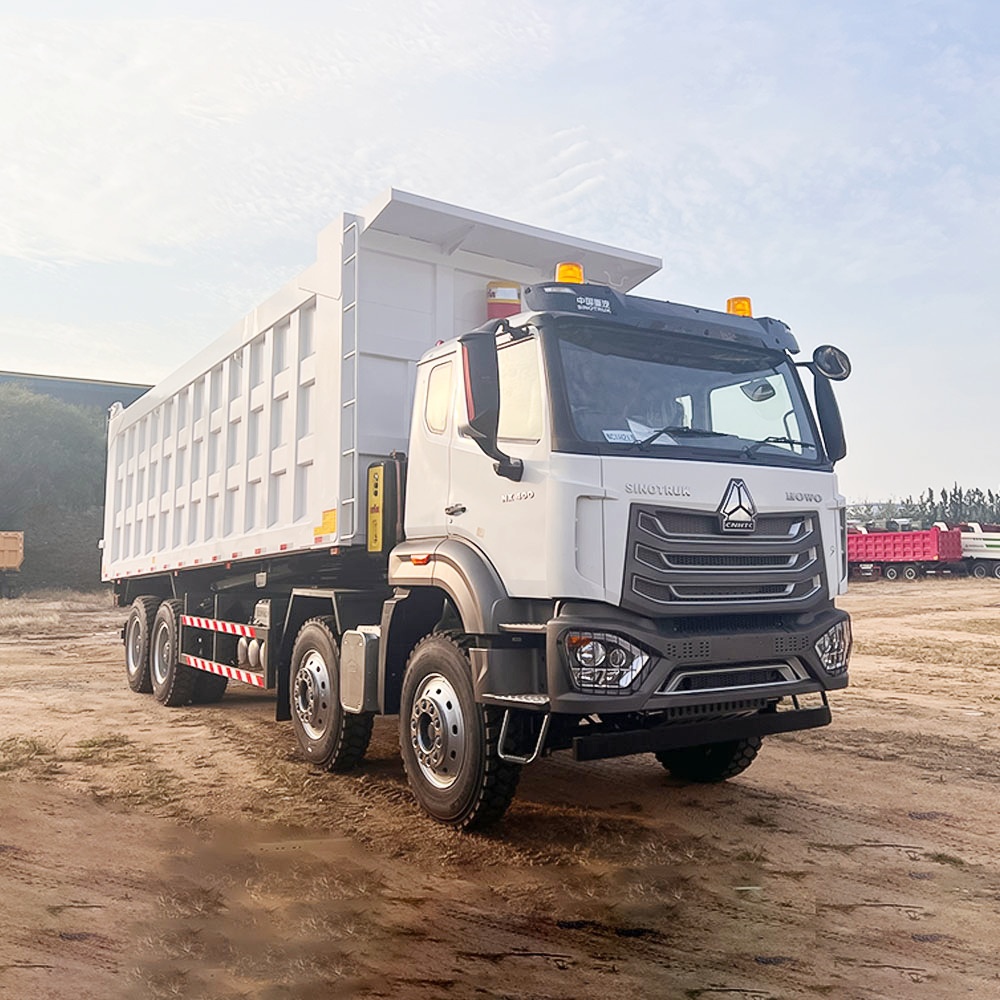
For fleets operating in deserts, mining zones, and high-temperature logistics routes, one key question matters most: can SINOTRUK HOWO handle extreme heat above 50 degrees Celsius? This article explores how HOWO trucks perform under intense thermal stress, from engine cooling and material durability to uptime, safety, and maintenance needs, helping buyers and operators assess whether these heavy-duty vehicles can deliver reliable results in harsh environments.
What does reliable operation above 50°C really mean for transport fleets?
When buyers ask whether SINOTRUK HOWO can handle extreme heat above 50 degrees Celsius, they are not asking a simple yes-or-no question. They are asking whether the truck can keep hauling, idling, climbing, braking, and restarting without frequent overheating, premature wear, or unexpected downtime.
In transport operations, extreme heat affects far more than coolant temperature. It changes tire pressure behavior, reduces air density for combustion, stresses hoses and seals, raises cabin discomfort, and can shorten lubricant life. A truck that appears capable on paper may still struggle if its cooling package, airflow management, and maintenance setup are not suited to desert or mining conditions.
For this reason, the better question is not only can SINOTRUK HOWO handle extreme heat above 50 degrees Celsius, but under what payload, route profile, duty cycle, and service discipline can it do so reliably.
- Long-haul desert roads require stable cooling at sustained engine load and highway speed.
- Mining haul routes require repeated low-speed torque, dust resistance, and strong thermal recovery after climbs.
- Urban or regional heat exposure often adds stop-start cycles, idling, and pressure on air-conditioning performance.
The core reliability indicators buyers should check
A truck suitable for severe heat should be evaluated through operating stability rather than brochure language. Ask for practical confirmation on coolant control, intake and exhaust heat management, axle and brake endurance, and service access for filters, belts, and radiators.
- Cooling reserve during high-load climbs or low-speed hauling
- Durability of hoses, gaskets, seals, wiring, and insulation under heat soak
- Cabin and electrical performance during long daytime shifts
- Ease of preventive maintenance in dusty and remote operating zones
Can SINOTRUK HOWO handle extreme heat above 50 degrees Celsius in real-world scenarios?
In general, HOWO trucks are widely used in demanding transport environments, which suggests they can be configured for high-temperature work. However, reliability above 50°C depends heavily on configuration quality, operating discipline, and environment. A dump truck in a quarry faces a different heat burden than a tractor head crossing desert highways with steady airflow.
The table below helps clarify where a HOWO truck is more likely to perform well and where extra technical preparation is necessary before purchase.
The table shows that the answer to can SINOTRUK HOWO handle extreme heat above 50 degrees Celsius is often conditional rather than absolute. If the truck is matched to the right route and prepared with the correct cooling, filtration, and maintenance regime, performance can be dependable. If not, heat-related issues can appear quickly.
Why some fleets report stable performance while others struggle
Two operators can buy similar trucks and get very different results. The difference usually comes from specification discipline. Fleets that define payload, gradient, speed, idle time, dust level, and fuel quality before ordering usually see better uptime than fleets buying on price alone.
Heat failures are rarely caused by one part only. They often come from combined stress: overloaded operation, clogged radiator fins, poor coolant chemistry, weak fan performance, delayed filter replacement, and tire choices not intended for extreme surface temperatures.
Which technical systems matter most in extreme heat?
To judge whether SINOTRUK HOWO can handle extreme heat above 50 degrees Celsius, focus on the systems that absorb or transfer heat every day. Buyers often look at horsepower first, but thermal reliability depends more on supporting hardware and maintenance access.
Engine cooling and airflow management
A high-temperature truck needs a radiator and fan system that can keep coolant and engine oil within acceptable working range when ambient temperature rises sharply. In desert and mine conditions, airflow can be reduced by dust buildup, making radiator cleanliness just as important as radiator size.
Filtration and dust control
Heat and dust are a dangerous combination. Fine dust blocks heat exchange surfaces and lowers combustion efficiency when air filters load up too fast. A HOWO truck assigned to extreme heat should be reviewed for intake filtration design, replacement interval practicality, and service access in field conditions.
Lubrication, hoses, and seals
At temperatures above 50°C, fluid stability becomes critical. Engine oil, transmission fluid, and grease all face faster degradation if the duty cycle is severe. Rubber hoses, seals, and gaskets must also tolerate repeated heat soak without cracking, swelling, or leakage.
Brakes, tires, and suspension under hot ground conditions
Road surface temperature can exceed air temperature significantly. That raises tire and brake stress, especially on downhill routes or under heavy payload. Suspension bushings and shock absorbers also age faster in intense heat if roads are rough and loads are inconsistent.
The following table summarizes the key systems transport buyers should inspect before committing to a HOWO fleet for high-heat service.
A fleet manager who reviews these points in advance is far more likely to get a HOWO truck that performs reliably in hot climates. The key is to specify for the environment, not just for rated payload.
How does HOWO compare with common heavy-duty heat risks?
Rather than comparing brands with unverified claims, it is more useful to compare the truck against the operating risks itself. This approach gives procurement teams a practical framework when asking can SINOTRUK HOWO handle extreme heat above 50 degrees Celsius in their own region.
- If payloads are consistently above planned levels, even a robust truck may show coolant or tire stress.
- If roads are dusty and maintenance access is limited, filter and radiator service become decisive.
- If duty involves long idle periods, under-hood heat soak and A/C demand can become hidden failure points.
- If fuel quality is unstable, injector and combustion performance may suffer, increasing thermal strain.
Typical warning signs that the specification is not heat-ready
Operators should treat recurring coolant top-ups, weak A/C under load, rapid air filter restriction, brake fade on descents, and uneven tire wear as early signals. These do not always mean the truck is poor. Often they mean the truck is working outside its intended thermal margin or service schedule.
What should buyers ask before selecting a HOWO truck for desert or mining routes?
Procurement errors usually happen before the truck is delivered. Many fleets focus on engine output and price but ignore route elevation, average speed, waiting time, loading cycle, and daytime operating window. These factors decide whether can SINOTRUK HOWO handle extreme heat above 50 degrees Celsius becomes a success story or a maintenance burden.
A practical selection checklist
- Define the actual ambient range, not the annual average. Peak daytime heat matters more than monthly averages.
- Map the duty cycle: highway cruise, quarry climb, border waiting, urban delivery, or mixed service.
- Confirm payload discipline and whether overloading is common in real operation.
- Review cooling, filtration, tire, and brake specifications together rather than separately.
- Check parts availability for filters, belts, hoses, coolant, and wear items in the operating region.
- Ask for maintenance guidance tailored to high heat, dust, and extended shift operation.
This checklist helps buyers move from a generic truck purchase to a route-specific transport solution. That is especially important in remote fleets where every breakdown creates recovery cost, cargo delay, and safety exposure.
What operating and maintenance practices improve uptime in 50°C environments?
Even if SINOTRUK HOWO can handle extreme heat above 50 degrees Celsius in the right configuration, reliability still depends on disciplined daily practice. Preventive maintenance is not an administrative detail in hot transport corridors; it is part of the truck’s thermal defense system.
The table below outlines practical maintenance priorities for fleets running HOWO trucks in severe heat.
These maintenance measures are simple, but in high-temperature transport they have direct impact on uptime and operating cost. Fleets that shorten inspection intervals often spend less overall than fleets that wait for failures.
Driver habits also matter
Driver behavior influences thermal stress every day. Long idle periods, hard acceleration after heat soak, poor descent control, and skipped pre-trip inspections all add load to the system. Training drivers to recognize early heat symptoms is one of the lowest-cost ways to protect truck availability.
FAQ: common buyer questions about HOWO trucks in extreme heat
Is a HOWO truck suitable for desert logistics all year round?
It can be suitable if the configuration matches the route and if maintenance is adjusted for sand, heat, and long-distance operation. Buyers should not assume that a standard road-going setup is identical to a desert-ready setup. Cooling, filtration, tires, and service planning must be reviewed together.
What is the biggest mistake when evaluating whether SINOTRUK HOWO can handle extreme heat above 50 degrees Celsius?
The biggest mistake is focusing only on engine power and price. A truck may have enough power but still lose uptime because of weak heat management around the radiator, air intake, coolant circuit, or braking system. Total operating conditions matter more than a single specification line.
Do high temperatures always mean shorter truck life?
Not always. Severe heat accelerates wear if the truck is overloaded, poorly serviced, or mismatched to the route. But with correct preventive maintenance, sensible loading, and proper consumables, fleets can manage the risk and maintain acceptable service life.
Which routes need the most caution?
Low-speed heavy-haul work, long uphill gradients, congested border routes, and dusty mine roads usually require the most caution. These conditions reduce cooling effectiveness and increase brake, tire, and filtration stress at the same time.
Why contact us before ordering a HOWO truck for high-temperature transport?
If your fleet is evaluating can SINOTRUK HOWO handle extreme heat above 50 degrees Celsius, the best next step is a route-based technical review rather than a generic quote. A truck that works well in one hot market may still need different tires, filtration, cooling attention, or service planning in another.
You can contact us to discuss the points that directly affect procurement and uptime:
- Vehicle parameter confirmation based on payload, road grade, and daily distance
- Model selection guidance for desert logistics, mining transport, or regional hauling
- Delivery cycle discussion for fleet orders and urgent operational replacement needs
- Heat-oriented configuration advice covering filtration, cooling, tires, and maintenance planning
- Quotation support for different operating scenarios and cost-control priorities
A precise inquiry saves time and reduces selection risk. Share your route temperature range, cargo type, axle requirement, and maintenance conditions, and we can help you assess whether a HOWO configuration is appropriate for reliable service in extreme heat.
Please give us a message
Our engineers help you choose the right truck or trailer based on:
- Your cargo type
- Road condition
- Payload requirement
- Local regulations