
Are Chinese Heavy Duty Trucks Reliable for Long-Haul Freight?

Chinese heavy duty trucks are no longer discussed only as low-cost alternatives. In many export markets, they are now part of serious fleet planning for construction logistics, mining support, regional haulage, and increasingly long-haul freight. That shift is not happening by accident. Manufacturers have improved driveline quality, cab design, fuel efficiency, and emissions compliance, while global parts distribution and overseas assembly footprints have expanded.
The harder question is not whether Chinese trucks have improved. It is whether they are reliable enough for long-distance, high-utilization freight work where downtime is expensive and support gaps become visible very quickly. The answer is more nuanced than either the skeptics or the promoters suggest: some Chinese heavy duty trucks can be reliable for long-haul operations, but reliability depends far more on model selection, route conditions, maintenance discipline, parts access, and used-unit inspection quality than on country of origin alone.
For buyers evaluating new or pre-owned units, especially in cross-border procurement, the real issue is operational fit. A truck that performs well in domestic short-cycle logistics may not hold up the same way on harsh interstate, mountain, desert, or remote freight corridors. That is why knowing what to check before buying a used heavy duty truck is often more important than broad brand claims.
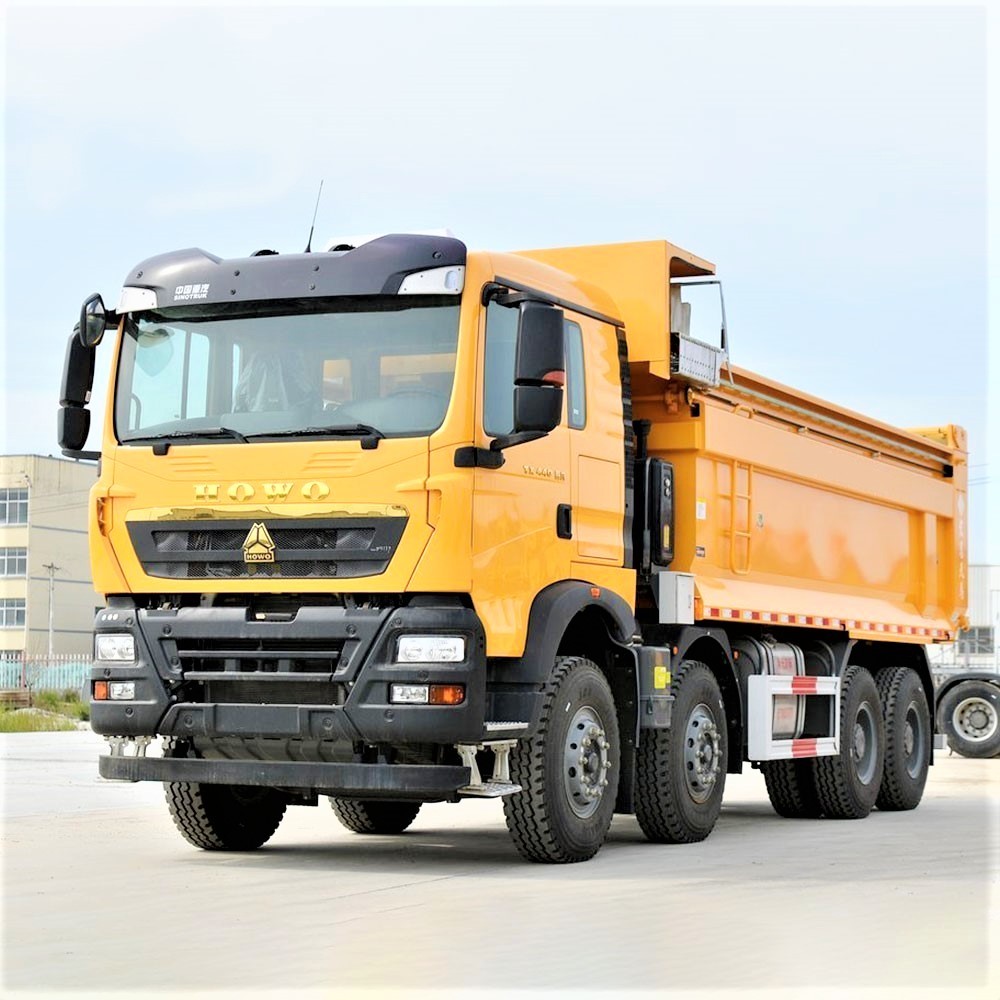
Are Chinese heavy duty trucks reliable enough for long-haul freight?
They can be, but not uniformly across every brand, engine platform, or export market. Reliability in long-haul freight is measured less by brochure specifications and more by consistency over time: engine durability under load, gearbox behavior on gradients, axle performance, braking stability, cooling efficiency, electrical reliability, and the ability to keep the truck moving with minimal unplanned stoppages.
Chinese truck makers have made visible progress in these areas over the past decade. In several markets, fleets report acceptable uptime when the trucks are operated within the intended payload, serviced correctly, and supported by a competent local dealer or parts partner. Problems tend to rise when trucks are overloaded, spec’d incorrectly for terrain, or sold into markets without technical support infrastructure.
So the short answer is yes, some are reliable enough. The more useful answer is that reliability is conditional, and buyers should evaluate the truck as a system: machine quality, supply chain support, operator habits, road conditions, and service capability.
Why is there still doubt about their long-haul performance?
The skepticism comes from three sources.
One is historical reputation. Earlier generations of export-oriented Chinese trucks often competed mainly on price, and quality consistency was not always strong. In some regions, that reputation still affects current buying decisions even when newer models are technically better.
The second is market variability. “Chinese heavy duty truck” is not a single quality category. There are large differences between manufacturers, between vehicle generations, and between domestic-market and export-spec configurations. Buyers sometimes generalize from one poor experience with a low-spec or badly maintained unit.
The third is support risk. Even a mechanically sound truck can become operationally unreliable if basic parts take weeks to arrive, diagnostic tools are unavailable, or local workshops are unfamiliar with the engine management system. In long-haul freight, support failures often get mistaken for product failures.
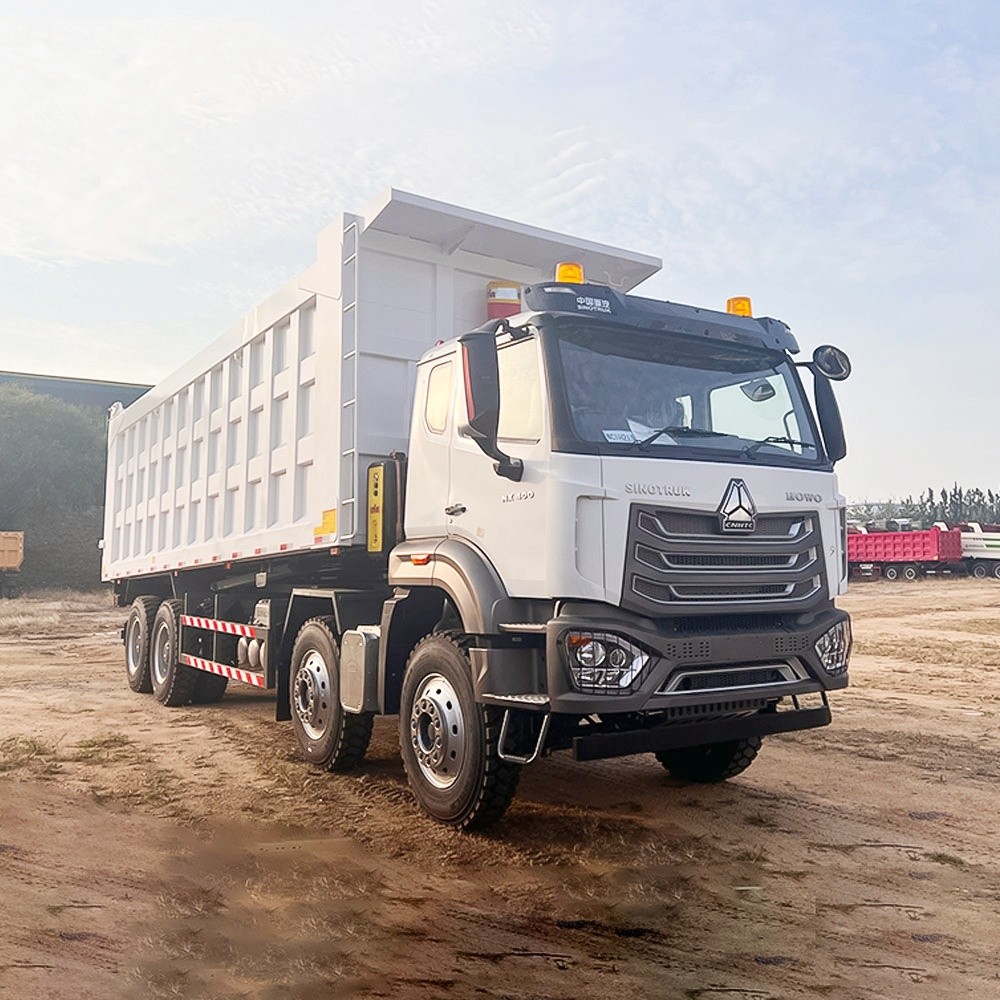
What matters most in real-world long-haul reliability?
Engine and transmission matching matters more than headline horsepower. A truck used on flat highways with stable loads can tolerate a broader range of specifications. Long-distance routes with hills, heat, stop-start traffic, or poor road surfaces require a more carefully matched drivetrain. Underpowered configurations may look economical at purchase, but they often suffer from fuel inefficiency, higher wear, and driver dissatisfaction.
Cooling performance is another key factor that buyers sometimes underestimate. In hot climates or mountain corridors, marginal radiator performance, poor fan clutch function, or neglected coolant systems can cause recurring overheating. This is especially important in used trucks where previous maintenance records may be incomplete.
Brake system durability also deserves close attention. Long-haul reliability is not only about whether the engine starts every day. It includes whether braking remains stable under heavy loads and repeated descents, whether air systems hold pressure properly, and whether ABS or related electronics function consistently where required.
Electrical systems remain a practical checkpoint. Sensors, wiring harnesses, connectors, and dashboard electronics are often the difference between a truck that runs continuously and one that loses hours to intermittent faults. For cross-border operators, electronic reliability matters because roadside diagnosis is harder outside major service networks.
Are Chinese trucks cheaper only at the time of purchase, or across the full life cycle?
That depends on utilization and support conditions. Purchase price is usually where Chinese heavy duty trucks are most attractive, but long-haul buyers should focus on total cost of ownership instead. A lower acquisition cost can be offset by higher fuel use, faster wear of consumables, lower resale value, or downtime from parts delays.
On the other hand, if the truck is properly matched to the route and there is reliable spare parts access, the economics can be favorable. Many buyers make the mistake of comparing sticker price against a premium European or Japanese truck without modeling maintenance intervals, tire wear, payload discipline, expected annual mileage, workshop competence, and driver behavior.
For commercial fleets, the question is not “Is it cheaper?” but “What is the cost per kilometer once downtime risk is included?” That is the figure that decides whether the truck is genuinely competitive in long-haul freight.
What should buyers check before buying a used heavy duty truck?
This is where many costly mistakes happen. A used heavy duty truck may look visually acceptable and still be a poor long-haul asset. Buyers should go beyond cosmetic condition and focus on evidence of actual working life.
Start with service history. If maintenance records are missing, fragmented, or inconsistent with the odometer reading, caution is warranted. In some markets, mileage alone is not a reliable indicator because trucks may idle extensively, operate in heavy terrain, or have had instrument changes. Engine hours, if available, can be more revealing.
Inspect the engine for cold-start behavior, smoke, blow-by, oil leaks, coolant contamination, and abnormal noise under load. A truck that starts easily when warm but struggles when cold may indicate deeper wear. Check turbo condition, intake cleanliness, and signs of neglected filtration. Dust ingress is a serious issue for trucks that worked in quarry, mining, or unsealed-road environments.
Look closely at the transmission and clutch response. Long-haul work demands smooth gear engagement and predictable power transfer. Hard shifting, driveline vibration, delayed clutch engagement, or axle noise can indicate expensive repairs ahead.
Chassis inspection is critical. Examine the frame for cracks, weld repairs, corrosion, misalignment, and evidence of overload stress. A repaired frame is not automatically a rejection, but undocumented structural repair should be treated carefully, especially if the truck is intended for high-mileage freight service.
Check suspension, steering linkage, wheel bearings, differential condition, and brake wear patterns. Uneven tire wear can reveal alignment issues, axle damage, or chronic overloading. Air leaks in the braking or suspension system are small signs with large operational consequences.
Electrical diagnosis should not be skipped. Fault codes, non-functioning gauges, warning lights that fail to illuminate during startup, or improvised wiring repairs are all red flags. In used truck trade, hidden electrical issues often consume more time than visible mechanical defects.
Finally, verify parts support before purchase, not after. Even if the used truck is priced well, it is a weak fleet asset if filters, sensors, brake components, clutch parts, injectors, and body/cab items are difficult to source in the destination market.
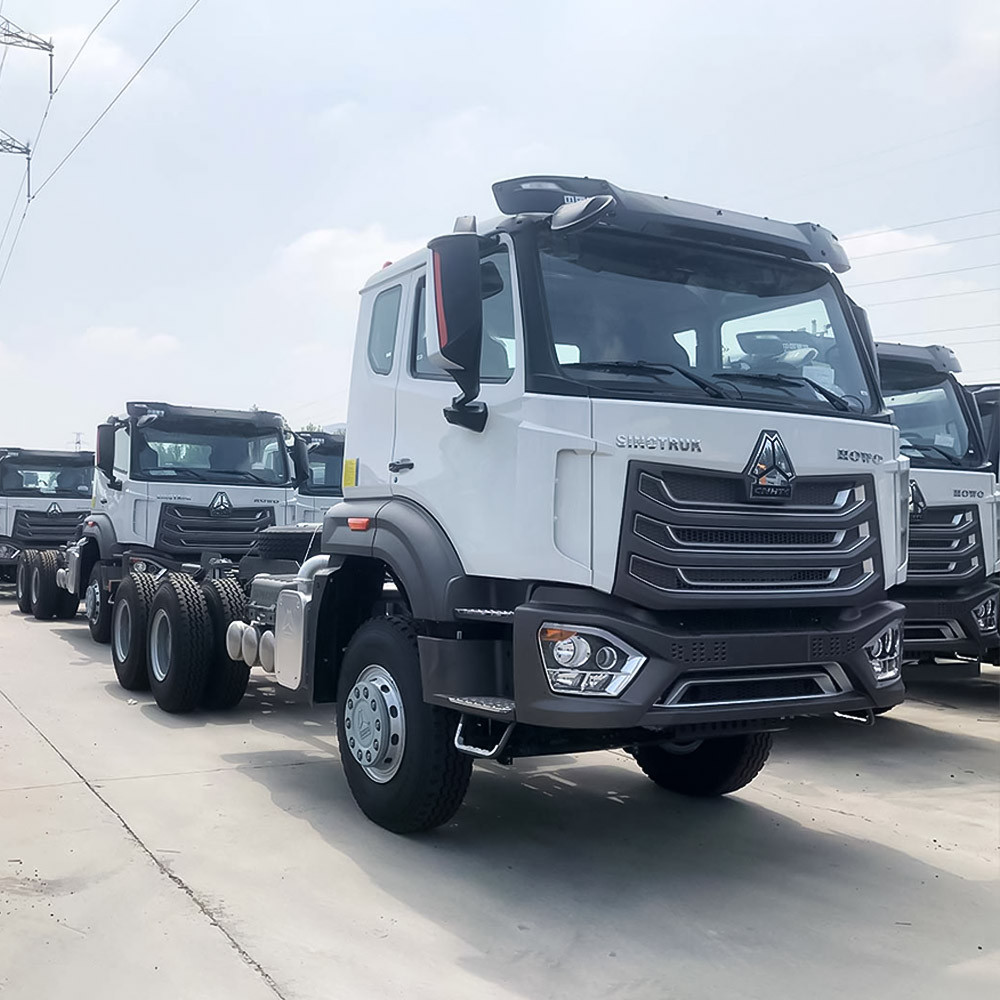
Which used-truck checks are especially important for Chinese brands?
Parts interchangeability and specification traceability. Some Chinese truck models are sold in multiple export variants with differences in engines, axles, gearbox suppliers, emissions systems, and electronic architecture. Two trucks that look nearly identical may not share key components. That makes VIN verification and parts catalog matching essential.
Buyers should also examine whether the truck was originally built for the target climate and regulatory environment. Imported used units may have been designed for a different emissions regime, fuel quality level, or ambient temperature range. In markets with variable diesel quality, fuel system durability becomes a particularly important checkpoint.
Another practical issue is repair history quality. In some secondary markets, fleet maintenance practices are uneven, and informal repair methods can hide underlying defects. Pay attention to non-standard hoses, bypassed sensors, modified wiring, and undocumented ECU-related work.
Do Chinese heavy duty trucks perform equally well in all long-haul environments?
No. Route profile matters enormously.
On relatively stable highway corridors with predictable load cycles and access to service points, many modern Chinese trucks can perform satisfactorily. In these settings, operators may benefit most from the lower acquisition cost and acceptable fuel economy.
In extreme-duty long-haul conditions—high altitude, severe cold, heavy mountain braking, corrosive coastal environments, or remote freight lanes with weak service access—the margin for error becomes much smaller. Here, support capability may matter as much as truck build quality. A vehicle that is “reliable enough” in one country may become operationally risky in another because the service ecosystem is different.
How important is the dealer and parts network?
It is often the deciding factor. Reliability in fleet operations is not only about failure rate; it is about recovery speed. If a truck needs a sensor, clutch actuator, brake chamber, or ECU-related diagnosis, how quickly can it return to service? That depends on local inventory, technician training, and access to technical documentation.
For importers and fleet buyers, it is worth asking practical questions rather than brand-image questions: Which parts are stocked locally? What is the average lead time for non-stock parts? Are diagnostic tools available in-country? Can independent workshops handle the platform, or must all major work go through one dealer? Is remote technical support available in the local language?
A truck with moderate mechanical reliability and excellent support can outperform a technically better truck with weak aftersales coverage.
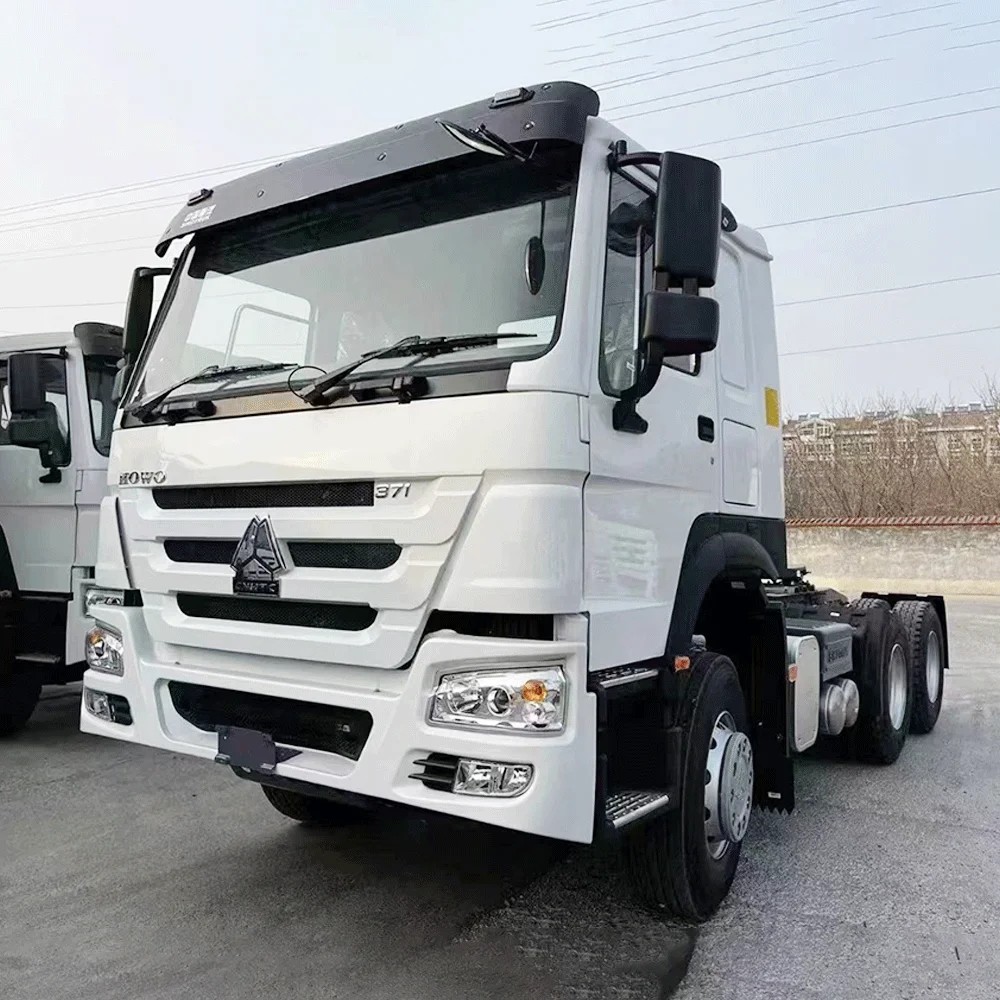
Are there common misconceptions buyers should avoid?
One misconception is that all Chinese trucks are low-quality. That view is outdated and too broad to guide procurement. Quality has improved significantly in several product lines, though not evenly.
Another is the opposite extreme: assuming that a modern-looking cab and lower price mean a truck is automatically a smart long-haul buy. That ignores route severity, resale uncertainty, and support limitations.
There is also a persistent mistake in used-truck purchasing: overemphasizing mileage while underchecking maintenance history, frame integrity, and parts support. For heavy duty freight vehicles, the condition of the machine and the quality of prior operation matter more than odometer reading alone.
So, are they a good choice for long-haul freight?
For some operators, yes. Chinese heavy duty trucks can be a commercially sound choice when buyers are disciplined about specification, support planning, and inspection. They are most compelling where fleets need to control capital expenditure, have access to service capability, and operate on routes that do not expose every weakness in the support chain.
They are less compelling when the truck will run in remote, unforgiving corridors with minimal downtime tolerance and uncertain spare parts access. In those cases, a higher-priced platform with stronger service penetration may still be the lower-risk business decision.
The right conclusion is not that Chinese heavy duty trucks are universally reliable or unreliable. It is that reliability for long-haul freight is now a brand-by-brand, model-by-model, and market-by-market question. Buyers who understand what to check before buying a used heavy duty truck, and who evaluate lifecycle support rather than purchase price alone, are far more likely to make the right decision.
Please give us a message
Our engineers help you choose the right truck or trailer based on:
- Your cargo type
- Road condition
- Payload requirement
- Local regulations