
Why a Returning Customer from Chad Chose ZW for Fuel Tanker Semi Trailers?

A repeat order for a fuel tanker semi trailer can reflect a practical calculation: the buyer already knows something about the supplier, the equipment and the work needed to put it into service. For a customer in Chad choosing ZW again, that familiarity may reduce uncertainty—but a repeat purchase alone does not establish exactly why the customer returned or how the earlier trailer performed.
No details have been provided about the customer’s routes, previous order, operating results or reasons for choosing ZW. The decision is therefore best understood as a basis for examining the factors that can make an existing supplier worth considering again: a suitable tanker configuration, a manageable buying process and support that remains useful after delivery.
Familiarity has value when the next trailer must do a specific job
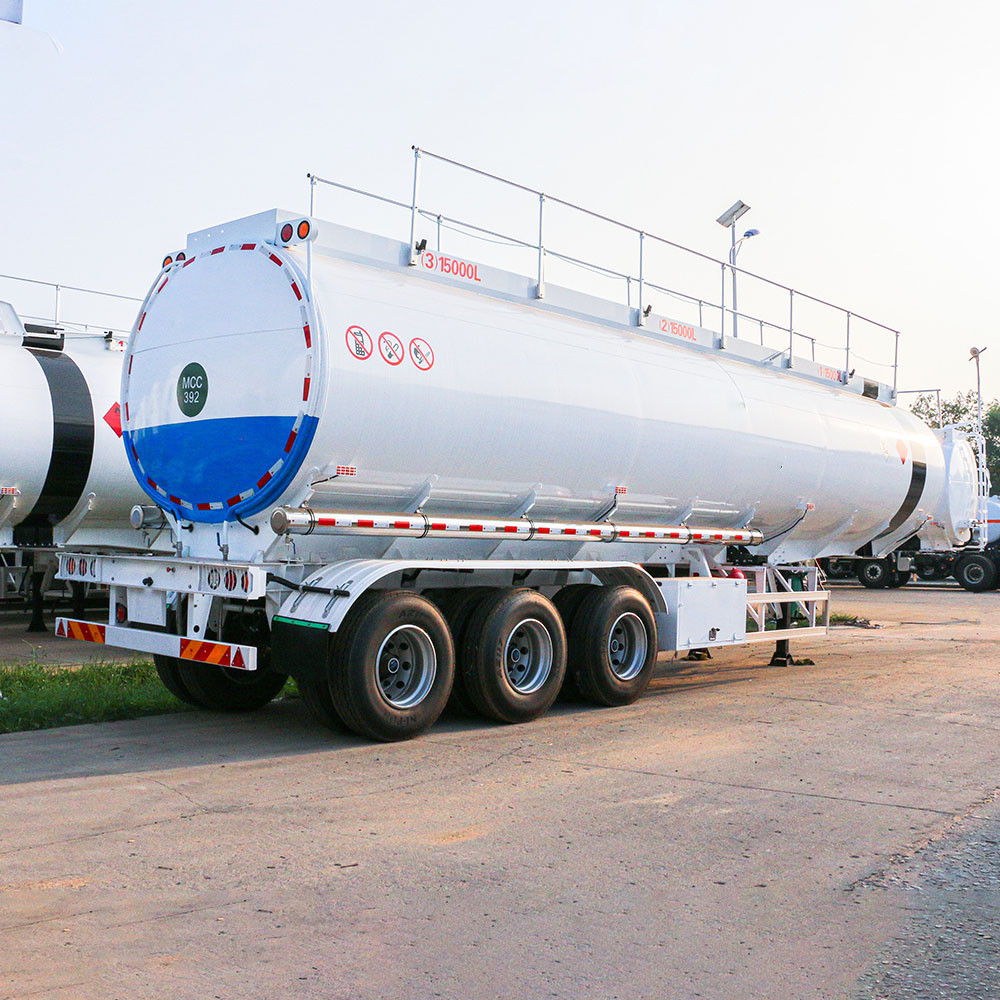
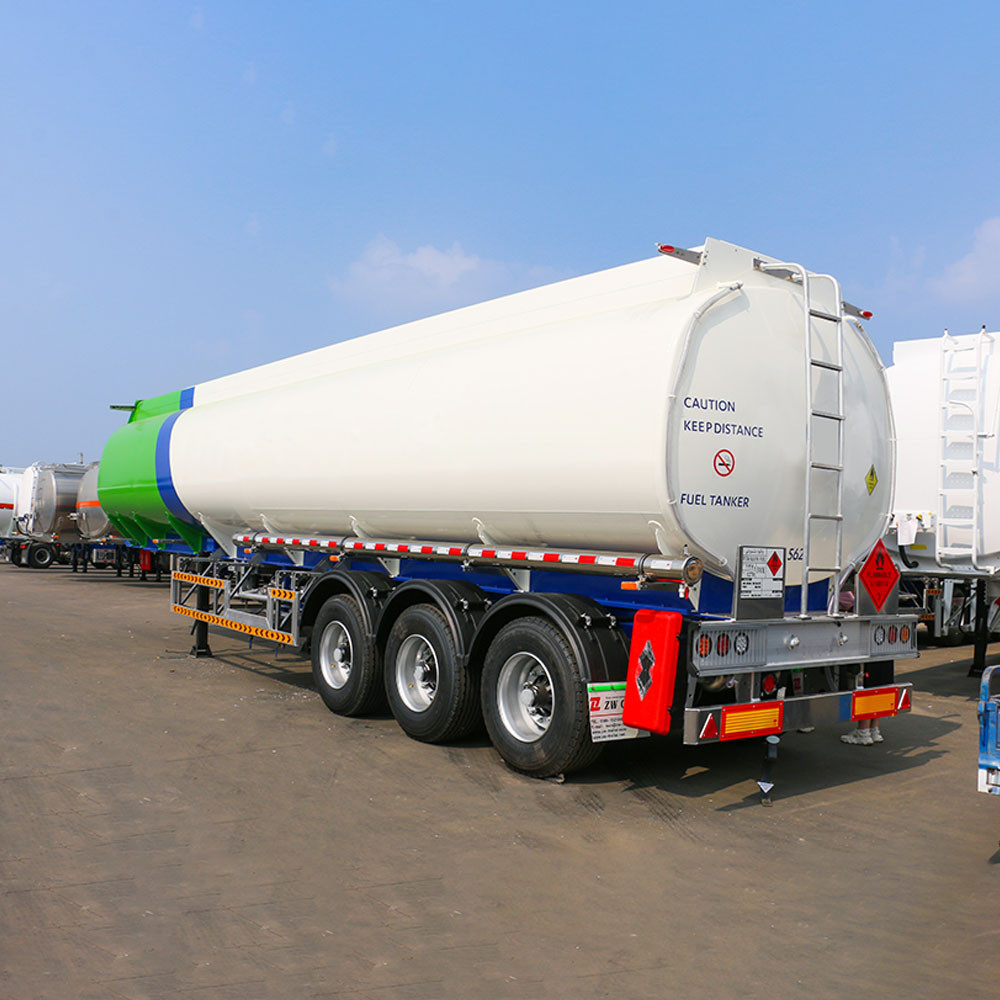
A fuel tanker semi trailer is not selected on tank capacity alone. Its suitability depends on what it will carry, where it will operate, how it will be loaded and discharged, and which tractor will pull it. A returning customer may already have discussed some of these requirements with ZW, giving both parties a starting point that a new supplier would not necessarily have.
That starting point can shorten the technical discussion. Instead of describing the whole operation from scratch, the buyer can identify what should remain the same and what needs to change. Perhaps the next trailer needs a different compartment arrangement, a discharge connection suited to another depot, or a suspension specification better matched to the intended route. These are examples of decisions a repeat buyer might face, not confirmed changes in this customer’s order.
Familiarity can also expose limitations. If an earlier configuration made loading inconvenient or required parts that were difficult to source, repeating it without review would carry the same problems into the next purchase. The useful part of an established relationship is not that it eliminates specification work; it is that both sides can discuss the next order against a more concrete reference.
Capacity must be considered alongside payload and axle limits
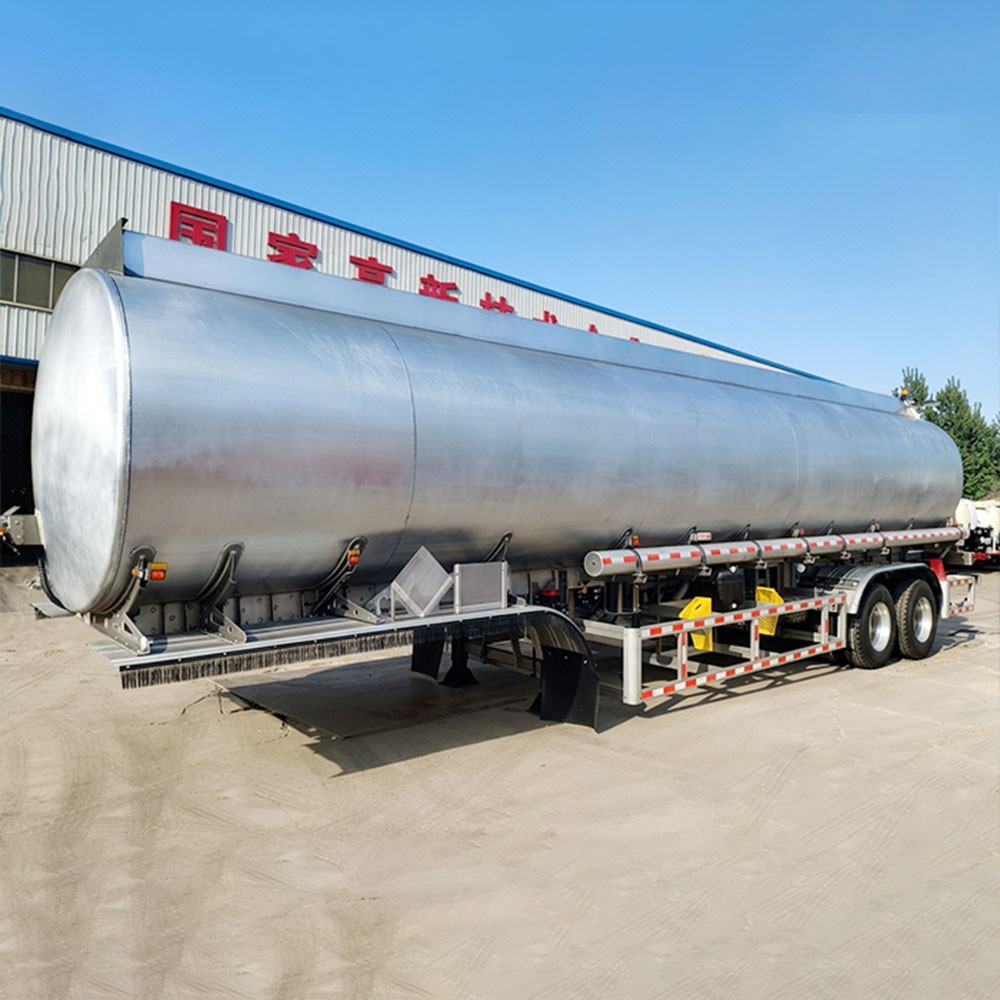
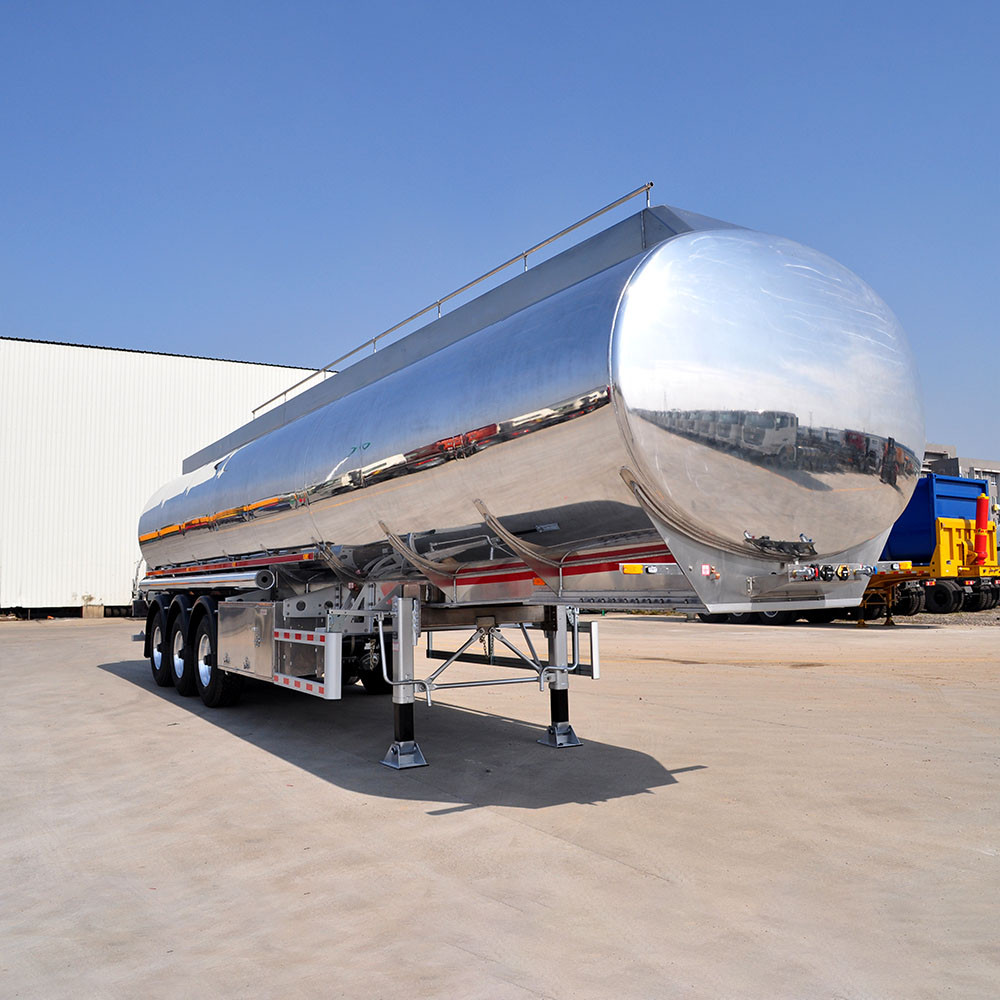
The volume displayed in a tanker quotation tells only part of the story. The fuel’s density affects its weight, while the trailer’s own weight and the tractor’s characteristics affect the load imposed on axles and on the road. A larger tank does not automatically mean a larger legal or operational payload.
The intended loading pattern matters as well. A trailer may carry one fuel grade for a single destination, or it may need separate compartments for deliveries to several customers. Compartments can make multi-product distribution more practical, but they also affect tank construction, fittings, operating procedures and the amount that can be allocated to each delivery. A configuration suited to depot-to-depot transport is not necessarily the best choice for a route involving several unloading points.
For a repeat order, the relevant question is whether the previous capacity and compartment layout matched actual deliveries. Did the operator routinely use the available volume? Were compartment sizes suitable for customer orders? Did the truck and trailer combination remain within applicable weight limits when loaded? Without that information, matching the previous tank volume is an assumption rather than a proven improvement.
Chad-bound equipment may also need to work across routes with different road and loading conditions. The route should be described in enough detail to assess axle configuration, tyre selection, ground clearance and suspension requirements. None of those choices can be judged from the destination country alone; the expected roads, payload and maintenance arrangements are more informative than a general claim that a trailer is suitable for Africa.
Tank fittings affect safety as well as turnaround time
The tank shell is only one part of a fuel transport system. Loading and discharge equipment, valves, vents, manholes, hoses and connections all influence how the trailer is used. Small differences in fitting type or location can become costly if a trailer arrives and cannot connect conveniently to the facilities where it is meant to work.
The loading method should therefore be established before the specification is finalized. A facility’s available connections, access layout and operating procedures affect the configuration required. The same applies at delivery points: the position of outlets, hose reach and the way fuel is received can determine whether unloading is straightforward or requires workarounds.
Separate compartments also need a clear arrangement for identifying products and controlling flow. The purpose is not simply convenience. Incorrect connections, product mixing and leaks can create safety, quality and financial consequences. A buyer comparing a repeat order with an alternative quotation should examine the complete loading and discharge arrangement rather than treating all trailers with the same stated capacity as equivalent.
Venting and overfill protection deserve particular attention because the appropriate design depends on the product, operating method and applicable requirements. A supplier should provide the proposed equipment specification and its intended function; the operator should confirm that the arrangement is compatible with the loading facilities and procedures it will use. Equipment should not be assumed compliant or safe merely because it appears on an earlier trailer.
The previous purchase is useful evidence—but only if it is reviewed
A returning customer has an opportunity that a first-time buyer does not: an existing transaction can be assessed against what was agreed. The review can cover the accuracy of documents, the condition of the equipment on arrival, the clarity of handover information and how questions were handled after delivery. If the earlier trailer has operated for long enough, maintenance records and operator feedback can add another layer of evidence.
That evidence needs to be separated from assumptions. A second order may indicate that the first transaction was acceptable, but it does not prove that the trailer achieved a particular service life, reduced costs or operated without incident. The customer’s actual reasons for returning to ZW remain undisclosed.
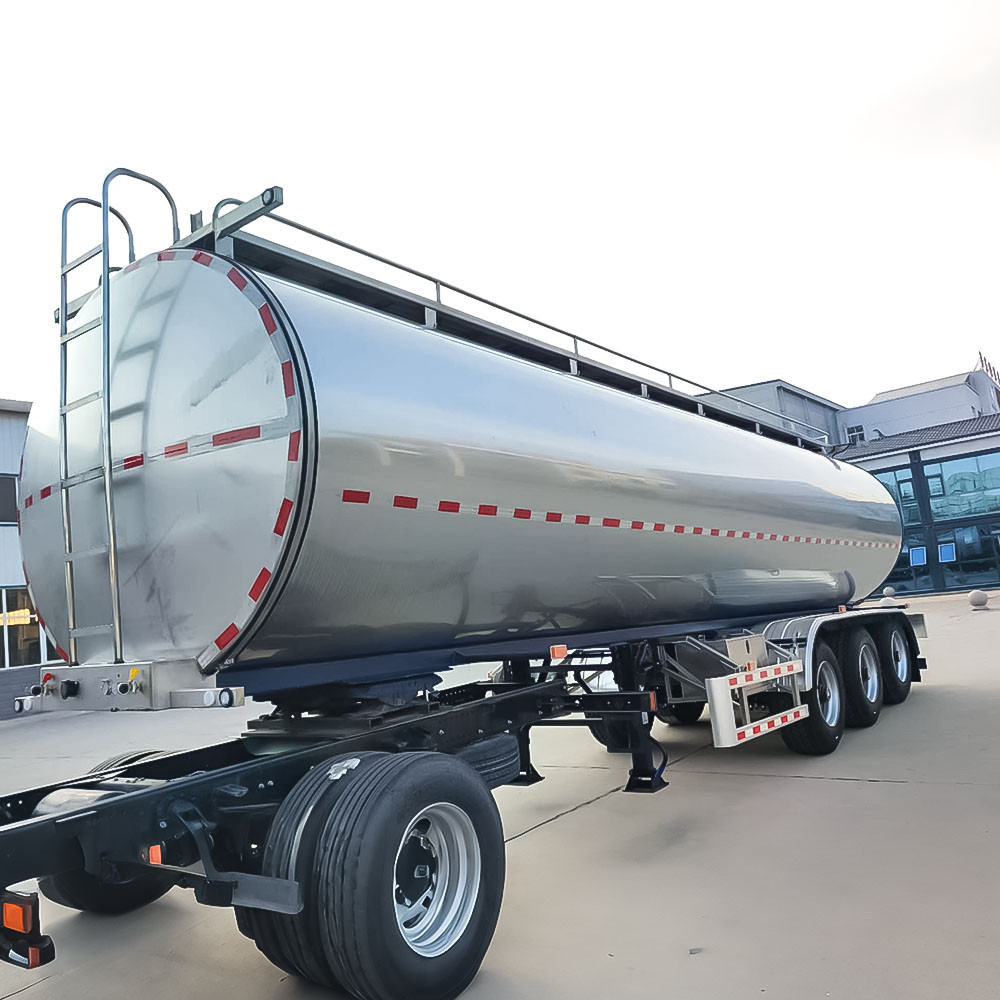
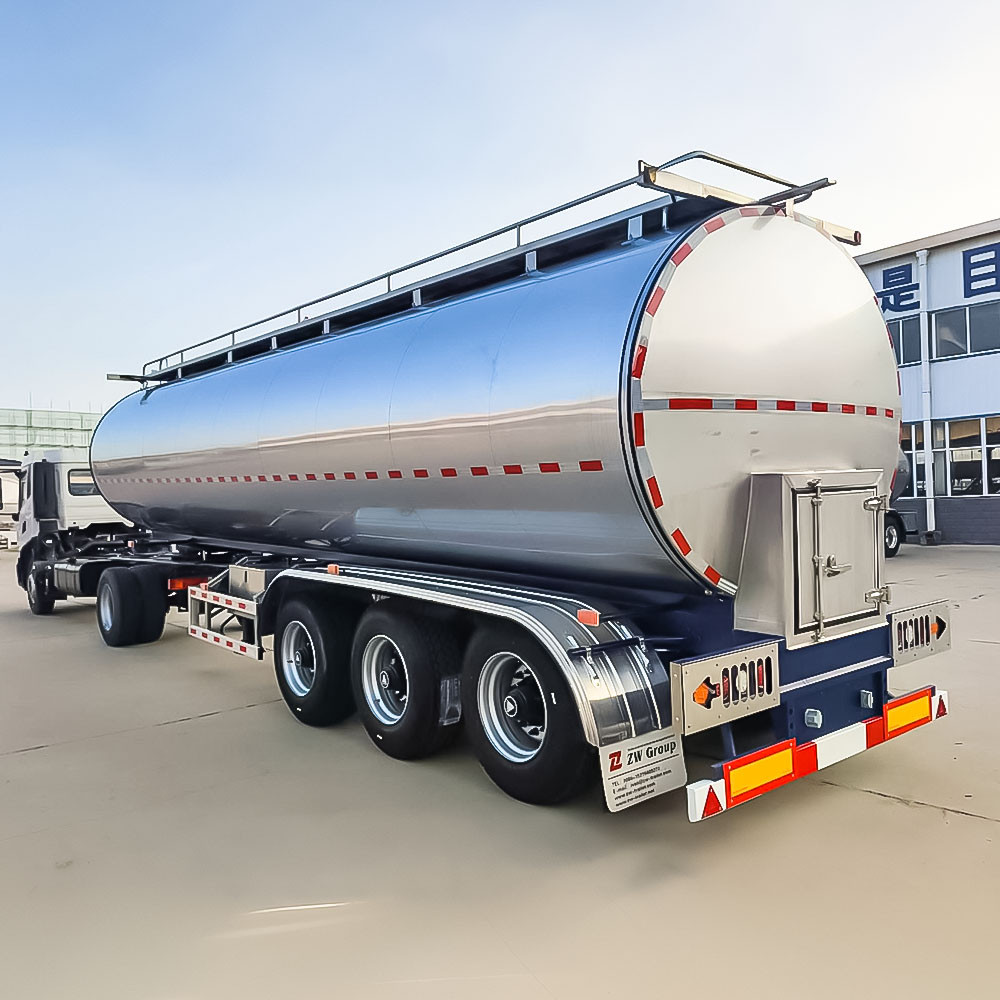
Even where the previous purchase went smoothly, the next contract should state the agreed configuration in detail. A model name or reference to a past order may leave room for disagreement if components, drawings or sourcing arrangements have changed. The specification should identify the tank arrangement, running gear, valves and fittings, required documentation and any agreed inspections. Where the new trailer differs from the earlier one, those differences should be recorded explicitly.
Photographs and drawings can help clarify the arrangement before production, but they do not replace a written specification or an inspection plan. The buyer and supplier should agree which features will be checked, when checks will take place and what records will be supplied. This is especially important for features that are difficult to verify after assembly or after the trailer has entered service.
After-sales support matters most when it is defined in advance
For equipment delivered across borders, support is not just a promise that assistance is available. Its practical value depends on whether the operator can identify a failed part, obtain the correct replacement and receive useful instructions. A relationship with a familiar supplier can make those conversations easier if records from the earlier order are accessible and component details have been retained.
The first question is which parts are specific to the trailer and which can be sourced through other channels. Brake components, suspension parts, seals, valves and lights may have different replacement requirements. A visually similar part is not necessarily interchangeable; compatibility depends on its specifications and the system in which it is installed.
A repeat buyer can use the earlier trailer to identify parts that should be held in stock and information that should accompany delivery. Parts lists, component identification, maintenance instructions and electrical or pneumatic diagrams can reduce delays when servicing is needed. The list should correspond to the equipment actually supplied, including any agreed changes from the previous order.
Warranty terms also need operational detail. They should explain the coverage period, exclusions, claim process and evidence required, as well as how replacement parts will be supplied. A warranty can help allocate responsibility for defects, but it does not automatically cover transport delays, local labour or every cost associated with taking a trailer out of service.
Delivery and compliance are part of the equipment decision
Buying from an overseas supplier involves more than agreeing on a trailer price. The parties need a shared understanding of delivery terms, the point at which risk transfers, the documents to be provided and responsibility for transport, insurance, import procedures and associated charges. A lower equipment quotation can become less attractive if important costs or obligations sit outside it.
Documentation should match the actual transaction and equipment. Errors in descriptions, identification details or shipping paperwork can delay clearance or complicate registration. A previous order may have established a workable process, but the requirements for the next shipment still need to be checked against its route, delivery terms and intended registration.
Fuel transport also raises regulatory questions that cannot be resolved by a general certificate claim. Applicable requirements may depend on where the trailer is registered and operated, the products carried, the routes used and the rules governing loading sites. Cross-border operations can introduce additional requirements. The buyer should identify the relevant authorities and confirm which approvals, inspections and documents apply before finalizing the specification.
That distinction matters when comparing suppliers. A statement that a trailer is built to a named standard is not the same as evidence that the complete vehicle is approved for a particular operation. The scope of any certificate, the equipment it covers and its acceptance by the relevant authority are separate questions.
What a repeat choice can—and cannot—tell us
The customer’s decision to return to ZW is consistent with the practical value of an established supplier relationship: known specifications, an existing communication history and a reference point for evaluating delivery and support. It does not, by itself, establish which of those considerations determined the purchase.
The strongest basis for repeating a fuel tanker order is a documented comparison between the earlier equipment and the next assignment. If the previous configuration fits the required payload, route and loading facilities, and if its support arrangements remain workable, continuity may reduce the effort and uncertainty of procurement. If the assignment has changed, the same relationship is most valuable when it allows the specification to change with it.
Please give us a message
Our engineers help you choose the right truck or trailer based on:
- Your cargo type
- Road condition
- Payload requirement
- Local regulations