
Why Are DR Congo Clients Inspecting ZW Fuel Tanker Trailers?

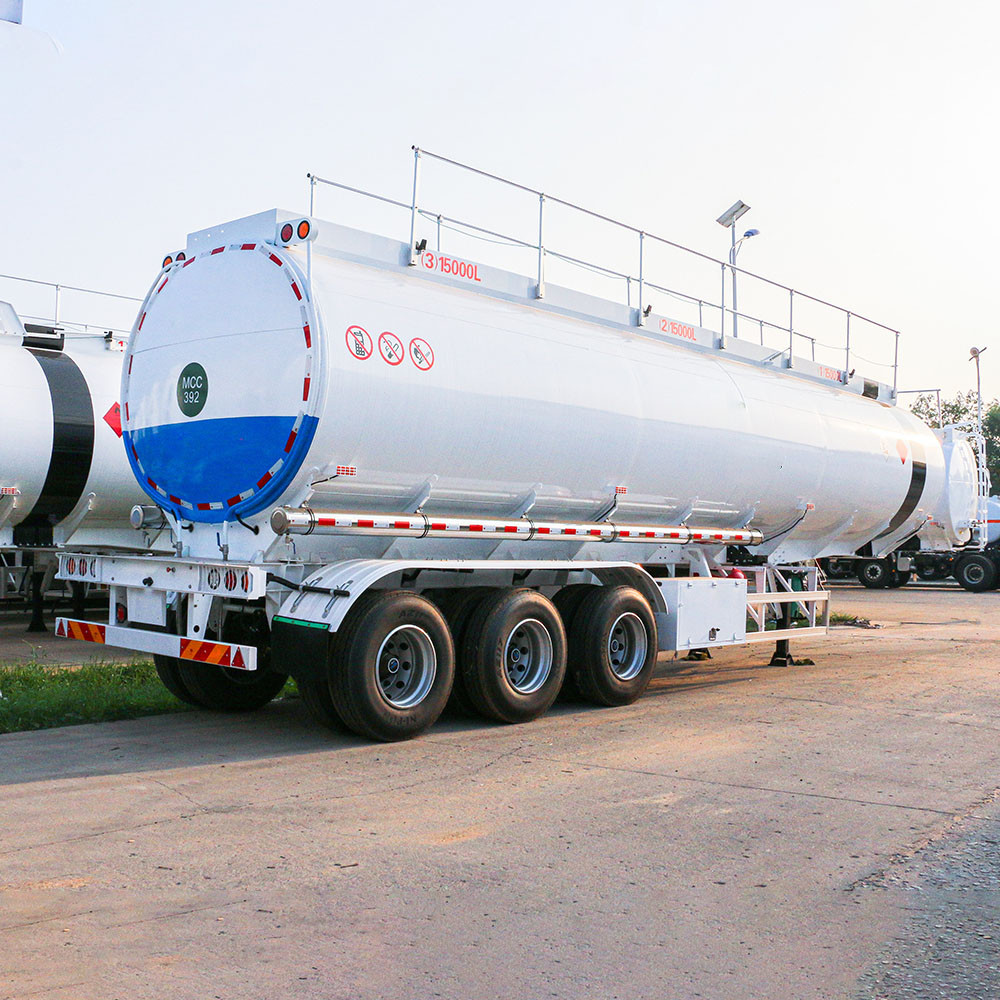
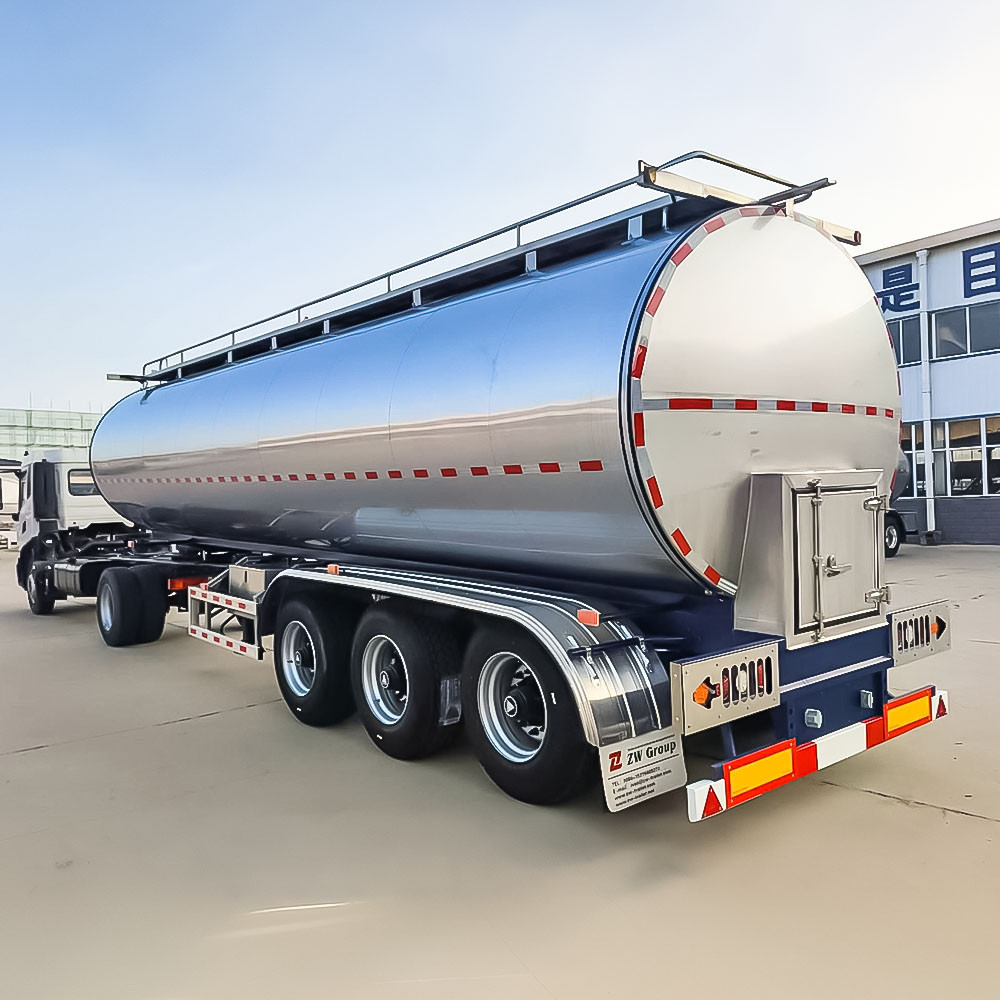
Across Congo's growing logistics sector, DR Congo clients are increasingly inspecting ZW fuel tanker trailers before purchase or deployment. They want assurance that each trailer meets safety standards, corrosion resistance, payload capacity, and local regulatory compliance — factors critical to reducing downtime and environmental risks. Inspections also help verify build quality, custom fittings, and after-sales support, giving buyers confidence in long-haul performance and fueling operations. Understanding these inspection drivers reveals how manufacturers and suppliers can better align features, documentation, and service to win Congo's demanding transport market.
What DR Congo buyers focus on: core inspection themes
DR Congo fleet managers and fuel distributors commonly prioritize three core safety areas during a pre-purchase inspection: structural integrity, leak prevention, and braking/stability systems. These three areas directly affect incident risk, insurance acceptance and cross-border clearance. Buyers often frame inspections around 5 critical inspection items that reflect operational realities on Congolese routes.
Typical on-site checks fall into operational, regulatory and lifecycle categories. Operational checks verify payload handling and coupling compatibility. Regulatory checks verify markings, documentation and emission-related fittings. Lifecycle checks target anti-corrosion treatments and weld quality. Each set of checks reduces unexpected downtime that otherwise can add 7–15 days per incident for repairs in remote regions.
Five recurring inspection checkpoints
- Tank shell and weld seams: visual and dye-penetrant or ultrasonic sampling for suspected defects.
- Anti-corrosion coating and sacrificial anodes: verify coating thickness and treatment coverage.
- Pumping, valves and emergency shut-offs: operational testing under pressure for 2–4 minutes per unit.
- Chassis, suspension and braking systems: load simulation tests across 3 load points.
- Documentation and traceability: welding records, material certificates and test reports for at least 3 production stages.
Grouping inspection results into these categories gives procurement teams quantified acceptance thresholds and helps prioritize repairs that affect immediate roadworthiness versus long-term durability. For buyers in DR Congo, this prioritization often separates acceptable units from those needing pre-delivery remediation.
Market background and regulatory considerations for Congo operations
The DR Congo transport environment combines long distances, variable road quality and evolving regulatory enforcement. Typical delivery routes include stretches that require continuous operation of 12–18 hours and repeated crossings of unpaved roads. These conditions elevate corrosion risk and mechanical wear, which buyers quantify as part of inspection planning.
International references such as ISO manufacturing practices, ADR guidance for road transport of dangerous goods, and regional customs documentation remain useful benchmarks. Many buyers ask suppliers for conformity statements or test reports covering at least 3 production stages: raw material, mid-fabrication and final inspection, even if local authorities do not mandate a specific international certificate.
A common procurement expectation is a standard delivery window of 4–12 weeks for stock or small-batch orders and 10–20 weeks for customized builds. Suppliers who can document a 4-step quality gate and provide 2–4 week pre-shipment inspection slots often win repeat orders because they reduce lead-time uncertainty.
Compliance checklist (lead-in)
The following table summarizes typical compliance and documentation items that DR Congo clients request during inspection. Use it as a baseline for vendor assurance and customs clearance planning.
Interpreting the table helps procurement teams set contract clauses: require test reports at three checkpoints, mandate pre-shipment trials, and define remediation lead times. Clear contract terms reduce disputes during customs inspections and field acceptance.
Technical performance checks: parameters you must measure
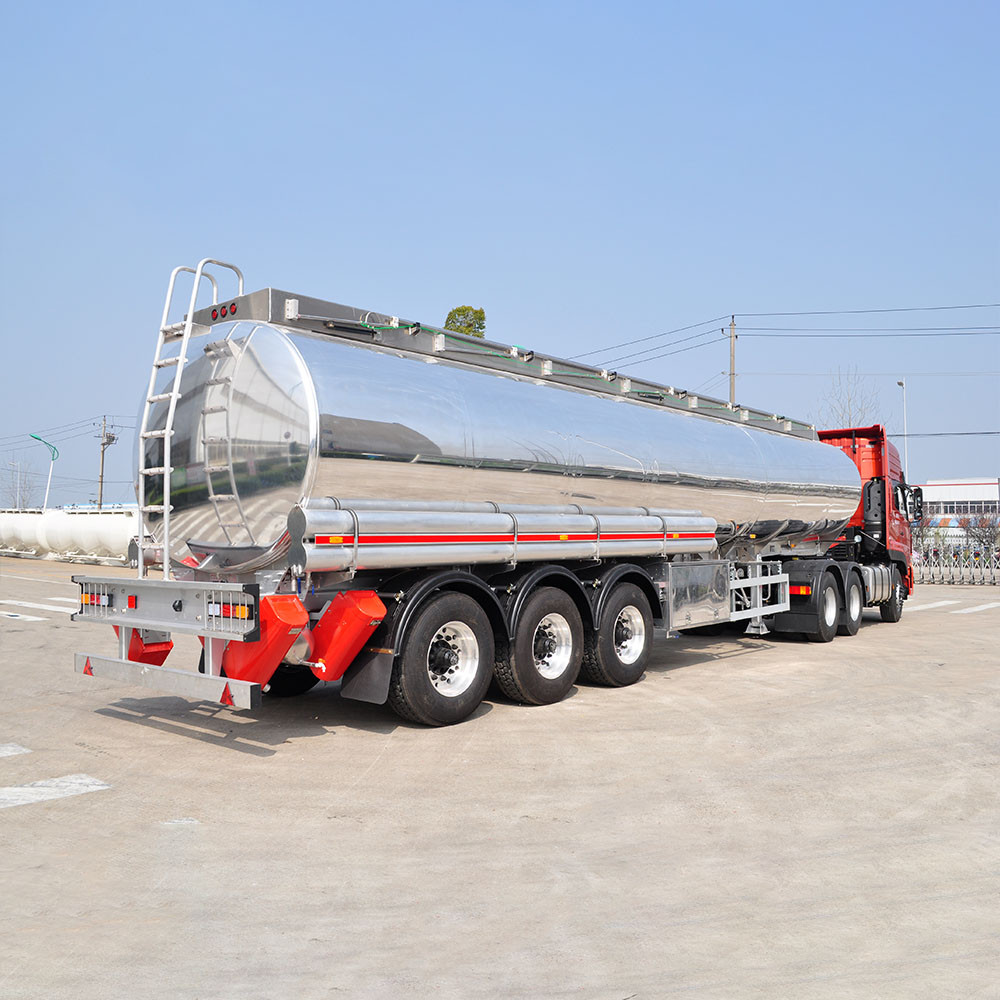
Technical inspection revolves around physical parameters that determine operational suitability: tank capacity, shell thickness, payload rating and valve/piping compatibility. For fuel tankers intended for regional operations, practical capacity ranges commonly fall between 20,000–40,000 liters depending on axle configuration and road regulations. Buyers should confirm nominal versus usable volume and verify baffling design for safe transport.
Wall thickness and material grade are critical for corrosion allowance and fatigue life. Typical fabrication uses shell thicknesses in the range of 6–10 mm for medium-sized road tankers, with thicker sections at high-stress nodes. Welding quality should be verified at 3–5 critical seam locations using either visual, dye-penetrant or ultrasonic techniques.
Parameter comparison (lead-in)
The table below compares three common parameter sets that buyers evaluate when deciding on a trailer specification. Use it to map fleet needs to supplier offers and to quantify trade-offs between payload and corrosion protection.
Use measured parameters to create pass/fail thresholds in procurement contracts: for example, require shell thickness ±0.5 mm tolerance, and mandate payload test at 10% above nominal. These numeric rules reduce ambiguity during acceptance testing and lower the risk of in-field failures.
Procurement, inspection workflow and acceptance criteria
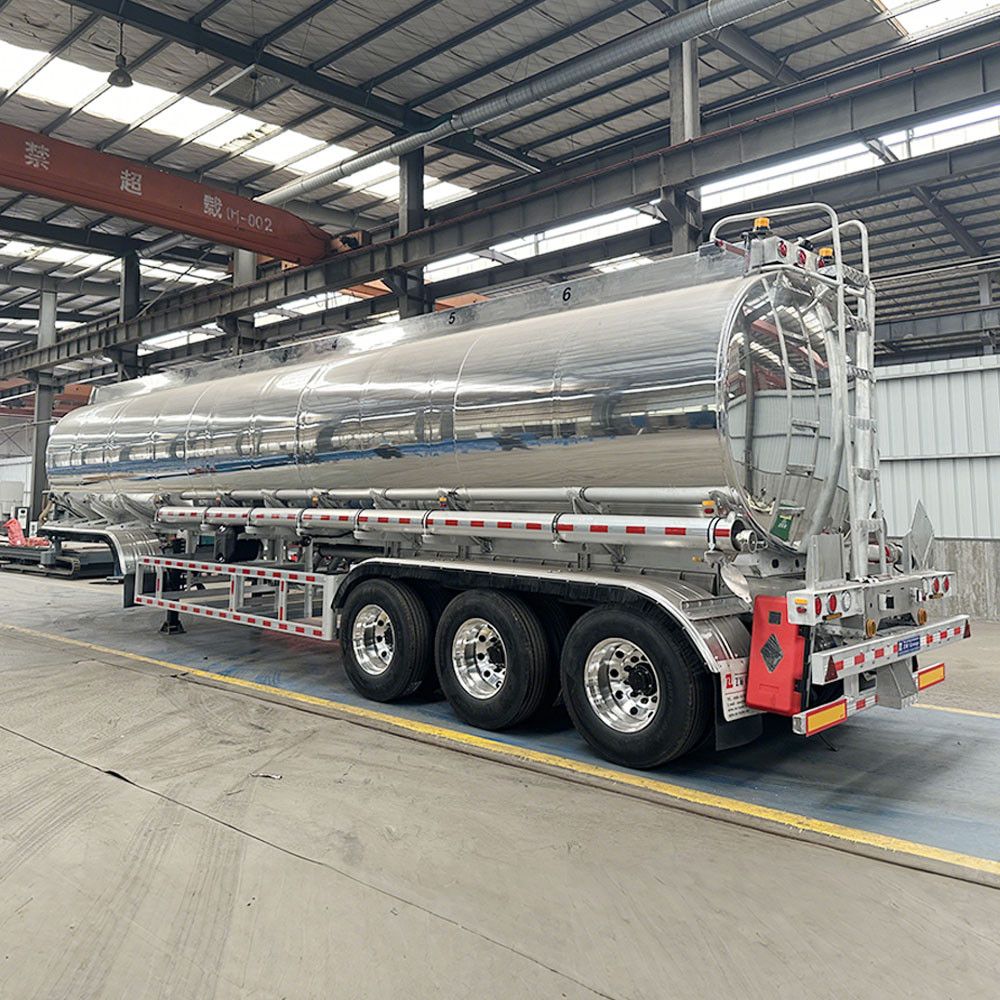
A practical procurement process usually follows a 4-step workflow: specification confirmation, factory audit, pre-shipment inspection and in-country acceptance. Each step should map to measurable outputs: specification sheet, audit report, test certificates and signed acceptance note. When timelines are tight, buyers can compress steps but must preserve key numeric checks.
Many DR Congo buyers adopt a 4-step acceptance checklist that includes visual, pressure, functional and documentation checks. Visual checks take 1–2 days per unit, pressure and functional tests require a controlled environment of 2–4 hours, and documentation review is a task of 1–2 business days. Plan logistics accordingly to avoid unexpected delays at port or borders.
Acceptance process — step list
- Step 1 — Specification confirmation: lock capacity, valve types and chassis interface, allow 1–3 business days for approval.
- Step 2 — Factory audit: sample checks across 3 production stages, schedule 1–2 weeks in advance.
- Step 3 — Pre-shipment testing: hydrostatic and functional tests, typically 2–4 hours per trailer.
- Step 4 — In-country acceptance: on-site roadworthiness check and documentation sign-off within 3–5 days of arrival.
For fleets that pair new tankers with local tractors, compatibility checks reduce commissioning time. For example, pairing with a reliable tractor model ensures immediate operation; some buyers specify matching units such as Hohan N7W 400HP 6×4 Tractor Truck to guarantee axle and hitch compatibility and to simplify aftermarket support planning.
FAQ & common misconceptions
This FAQ addresses common procurement and inspection questions that appear in DR Congo searches and RFQs. Answers emphasize measurable checkpoints, realistic lead-times and contractual remedies for defects.
How long does a typical pre-shipment inspection take?
A focused pre-shipment inspection that covers visual checks, pressure testing and documentation review typically takes 1–3 days per unit. If a third-party inspector performs sampling across multiple trailers, allow 3–7 days for scheduling and consolidated reporting.
What are the most common defects found during inspections?
Frequent findings include insufficient coating coverage, small pinhole leaks at weld toes, underspecified valve seals and incomplete material test records. Addressing these items before shipment typically adds 2–4 weeks to lead time but prevents costly rework after arrival.
Does higher shell thickness always mean better value?
Not necessarily. Thicker shells improve durability but increase tare weight and reduce usable payload. Buyers balance shell thickness (commonly 6–10 mm) against payload needs and road axle limitations. Specify performance targets rather than only numerical thickness to achieve the best lifecycle value.
Why engage a specialist and next steps to take
Engaging a partner familiar with DR Congo operational constraints reduces procurement risk. A specialist can translate fleet requirements into measurable specifications, propose a 4-step acceptance plan, and arrange third-party testing windows within a 2–4 week timeframe prior to shipment. This reduces post-delivery remediation by a typical margin of 30–50% in validated cases.
If you are preparing an RFQ, collect and confirm at least these items before supplier engagement: target capacity, expected payload, preferred valve configurations and acceptable delivery window. Defining these 4–6 parameters upfront shortens negotiation cycles and aligns inspection scopes across stakeholders.
Contact recommendations are action-oriented: request parameter confirmation, ask for sample test reports, negotiate pre-shipment inspection slots, discuss custom fittings and secure a clear delivery commitment. Providers that offer on-shore support or sample support during the first 3 months post-delivery usually ease commissioning and reduce operational interruptions.
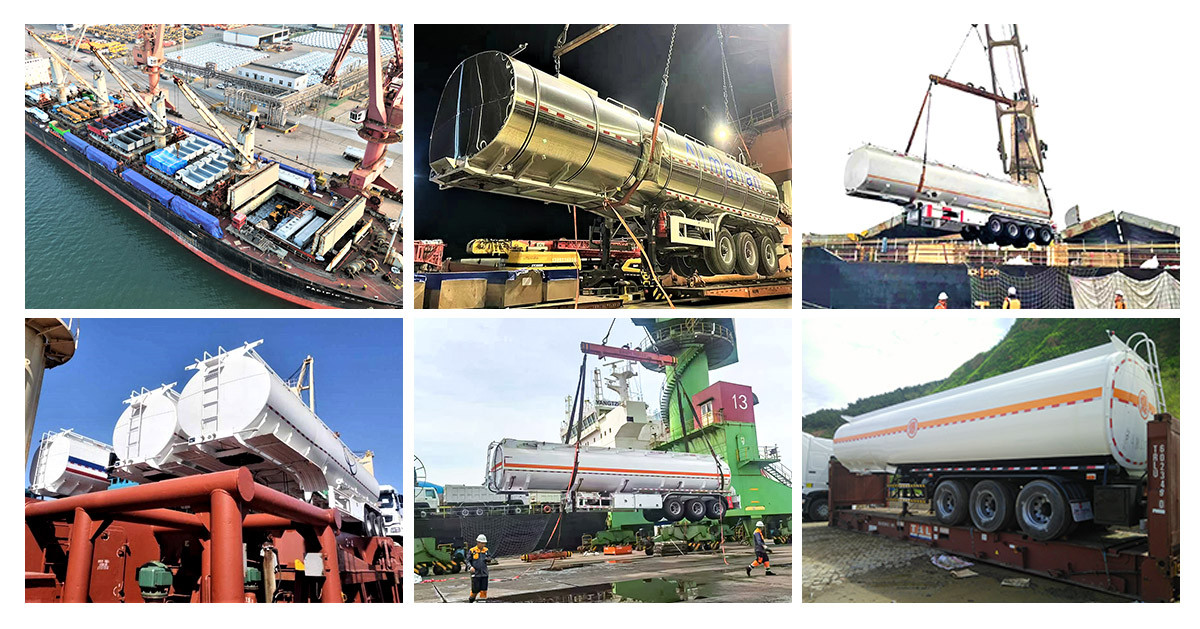
Action checklist before you buy
- Confirm 3 core performance targets: capacity, payload and corrosion protection strategy.
- Request material and pressure test reports for at least 3 production stages.
- Schedule pre-shipment inspection within 2–4 weeks before planned shipping date.
- Agree on an acceptance protocol with measurable pass/fail thresholds and remediation SLA.
If you need assistance translating operational needs into a defensible inspection scope—parameter confirmation, product selection, delivery schedule, custom fittings, certification review, sample support or a formal quote—reach out with a concise specification list including capacity, intended routes, expected payload and preferred delivery window. A focused specification reduces ambiguity and speeds up procurement decisions.


Please give us a message
Our engineers help you choose the right truck or trailer based on:
- Your cargo type
- Road condition
- Payload requirement
- Local regulations