
Why Are Lebanon Clients Ordering Beiben Trucks & Lowbed Trailers?
Across Lebanon: why Beiben trucks & lowbed trailers are gaining traction
Across Lebanon, clients are increasingly turning to Beiben trucks & lowbed trailers to meet demanding transport needs, but why the surge? From rugged durability and high payload capacity to tailored financing and local after-sales support, Lebanese clients find these heavy-duty combinations ideal for construction, logistics and oil-field projects. This introduction outlines the practical reasons driving orders so transport managers and procurement teams can quickly assess fit and next steps.
This article focuses on transport-industry procurement pain points: uncertain lifecycle costs, rough-terrain performance, regulatory compliance and delivery timelines. It targets fleet managers, project procurement leads and logistics planners who must evaluate vehicle total cost of ownership, uptime and serviceability under Lebanese operating patterns and seasonality.
Key themes covered include market context, technical fit for uneven terrain, procurement and financing options, scenario-based selection, and an actionable vendor engagement checklist. Each section includes dataized guidance such as typical lead times, axle and payload ranges, inspection checkpoints and handover steps to support timely decisions.
Readers will get concrete comparison tables, parameter checklists and FAQ responses to resolve common uncertainties: what to prioritize when ordering Beiben combinations, how to verify spec compliance, and which service commitments minimize downtime during a project's 12–36 month active phase.
Market overview: demand drivers in Lebanon
Lebanon’s transport demand for heavy-duty trucks and lowbed trailers is shaped by reconstruction, infrastructure works and energy-sector mobilization. Project-driven procurement cycles commonly span 6–18 months from tender to first delivery, creating recurring windows where reliable heavy combinations are prioritized for quick mobilization.
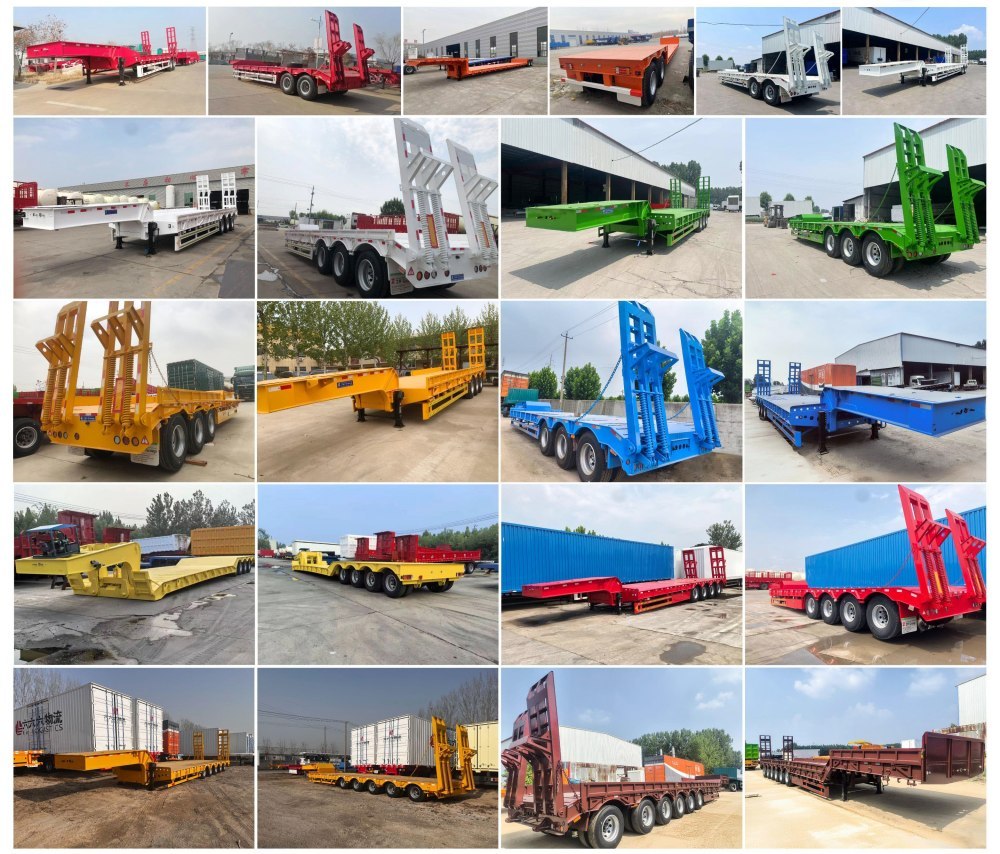
Key market drivers include site-access constraints (steep gradients, narrow approaches), diverse cargo types (excavators, modular plant, pipe sections), and centralized staging yards. These conditions favor heavy trucks with robust drivelines and trailers with 60–120 ton gross combination capacity, enabling single-move transfers instead of multi-lift transloads.
Procurement behavior shows three common demand tiers: small batch (1–5 units) for contractors, mid-size fleets (6–25 units) for specialized logistics providers, and large project pools (25+ units) for multi-site developers. Each tier has different service expectations: small buyers require fast quotes and 7–15 day responses; larger buyers emphasize 12–36 month maintenance contracts and spare-part guarantees.
From a sourcing perspective, Lebanese buyers value local presence for parts and technical support, financing terms aligned to contract cash flow, and vehicles with commonality to existing fleets to reduce spare-part SKUs. These procurement priorities help explain why Beiben combinations are selected when they meet service and financing thresholds.
Technical performance: what to check for harsh Lebanese conditions
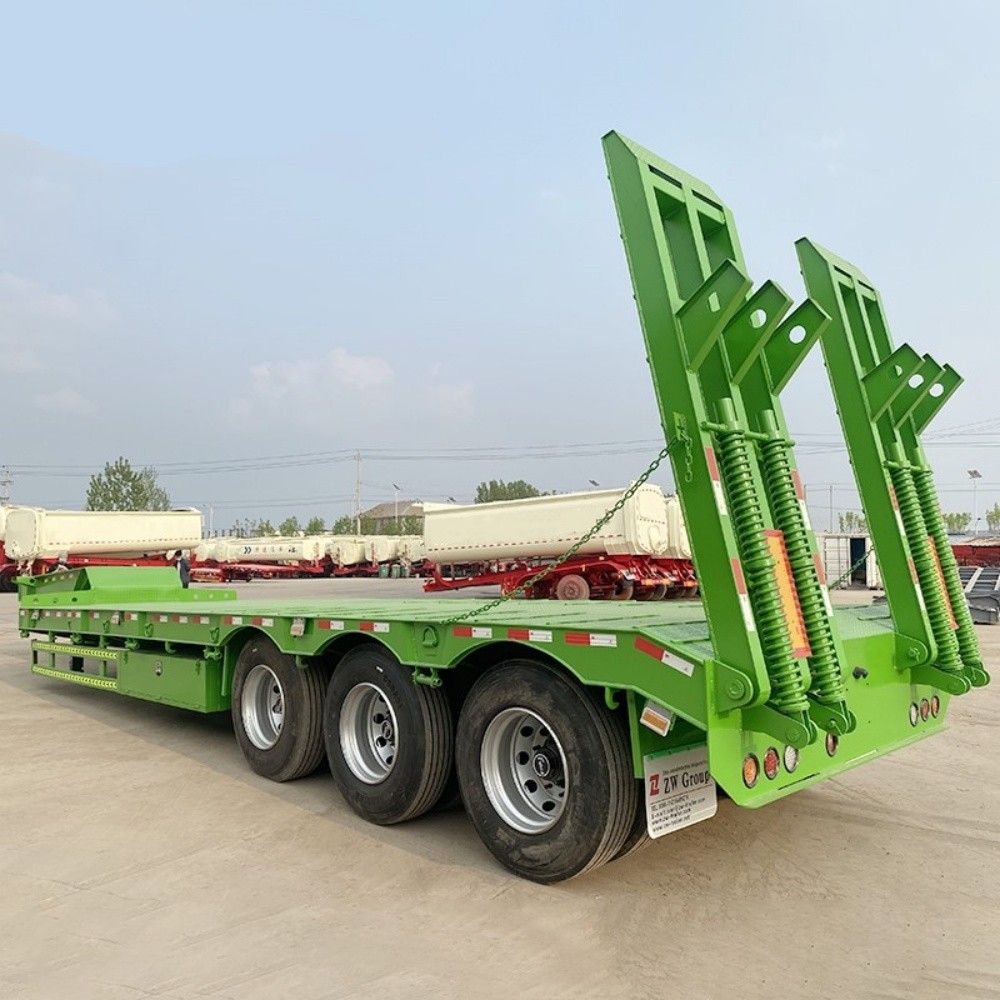
Assessing technical fit requires focused checks on chassis strength, suspension travel, engine torque curve, and trailer deck layout. For sites with mixed paved and rocky approaches, spec priorities typically rank as: engine torque at low rpm, reinforced frame with anti-fatigue treatment, and axles rated for 12–20 ton per axle to sustain repeated overloads.
A useful parameter table helps buyers compare critical items quickly. Below is a table showing typical technical ranges and inspection checkpoints to verify before order confirmation.
Interpreting the table: prioritize axle and suspension ratings when expected payloads exceed 50% of the trailer’s nominal load and when average trip lengths exceed 50 km with mixed road types. These checks reduce mid-project substitutions and unscheduled downtime.
Operational metrics to monitor
Set measurable targets during acceptance: initial inspection within 48 hours of delivery; scheduled maintenance every 5,000–8,000 km or 3–6 months depending on duty cycle; and parts lead-time commitments of 7–21 days for critical spares. These thresholds keep fleet availability above acceptable project limits.
Procurement and cost: lifecycle value over sticker price
Procurement decisions should be anchored to total cost of ownership (TCO) over a realistic lifecycle window such as 3–5 years for project fleets. TCO assessments include fuel consumption, scheduled maintenance, spare-part availability, and residual value at contract end, not just initial price.
Use the following comparison table to weigh upfront price vs. anticipated operating cost across typical procurement options: new factory-standard, new customized spec, and used-certified units (0.5–2 years old). Each column estimates common cost drivers for a 36-month operating period.
Interpretation: choosing based on lowest headline price often increases TCO by 10%–30% over project life due to higher downtime or expensive expedited parts. Confirm lead-time commitments: standard delivery is often 4–12 weeks for factory stock and 8–20 weeks for significant customizations.
Procurement checklist (3–5 minute review)
- Verify axle certification and rated load per axle (3 core checks).
- Confirm spare-part stock: 7–21 day availability for critical components.
- Agree inspection gates: pre-delivery test, 48-hour on-site acceptance, and 30-day operational review.
- Lock warranty terms: minimum 12 months or 20,000 km, with defined exclusions.
Application scenarios: which Lebanese projects fit Beiben combinations
Beiben trucks paired with heavy lowbed trailers are commonly specified for three scenario clusters: construction heavy lifts, long-haul modular transport, and oil & gas site mobilization. Each cluster implies different spec emphases and service expectations over 12–36 month campaign durations.
Scenario A — urban reconstruction: needs tight steering, compact chassis and reliable braking for short runs. Scenario B — intercity heavy modules: requires high payload, multi-axle lowbed options and compliance with route permits for loads of 30–80 tons. Scenario C — oil-field mobilization: demands off-road gearing, reinforced underbody and fast spare logistics within 7–15 days.
Buyers should map mission profiles to spec sheets: expected average payload per trip, average road class, trip frequency per week, and criticality of single-move deliveries (single-move reduces handling risk but increases equipment demands). Typical fleet planners use 5–10 mission templates to standardize spec selection.
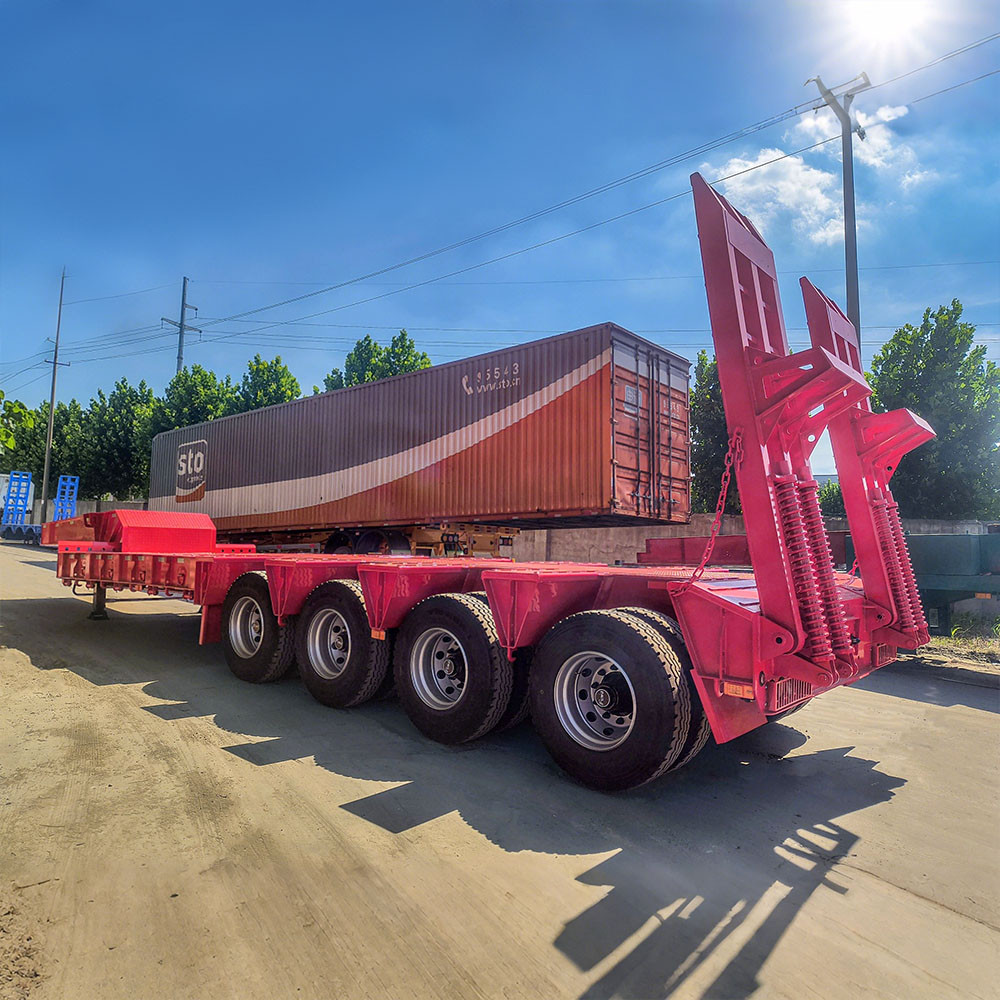
In one practical selection, a reinforced lowbed with multi-axle spread reduces axle load by 15%–30% on each axle compared to narrow configurations, enabling route approval and reducing road damage risk. For a turnkey option, consider the balance between axle count (4–6) and steerable axles to maintain maneuverability.
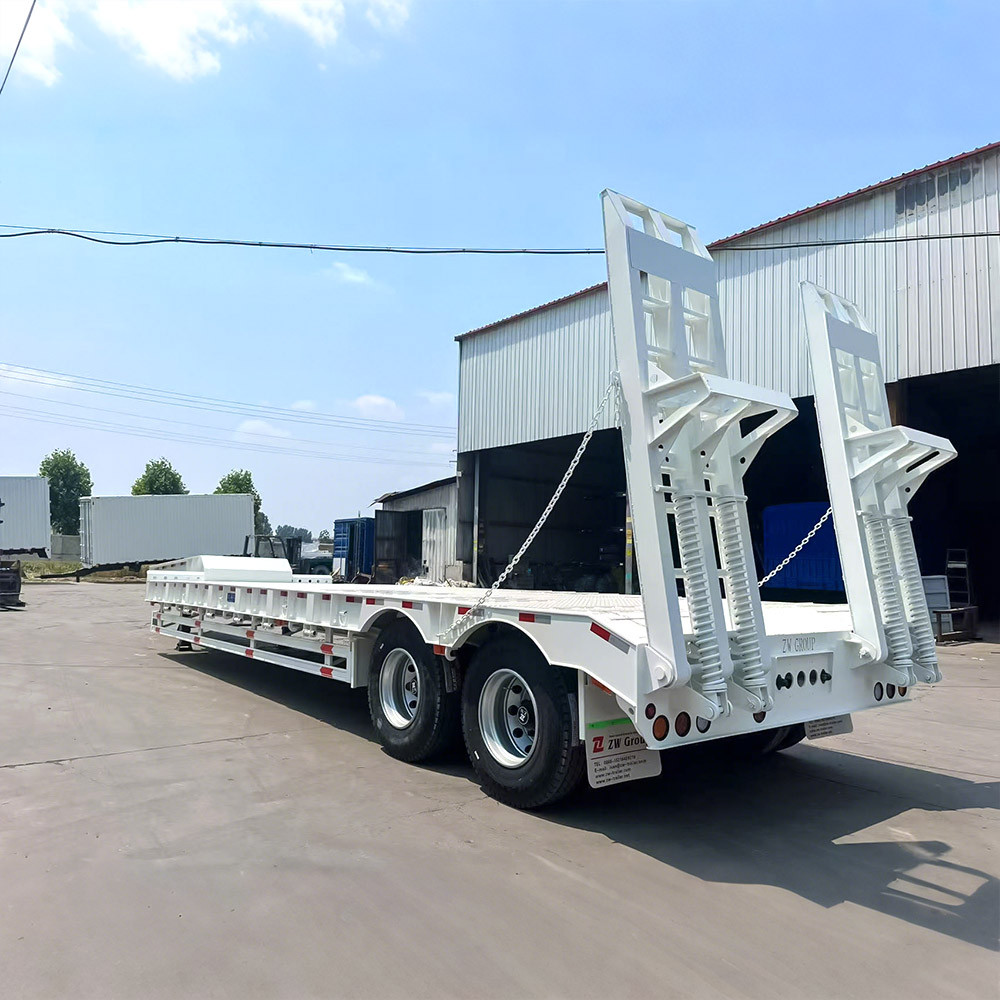
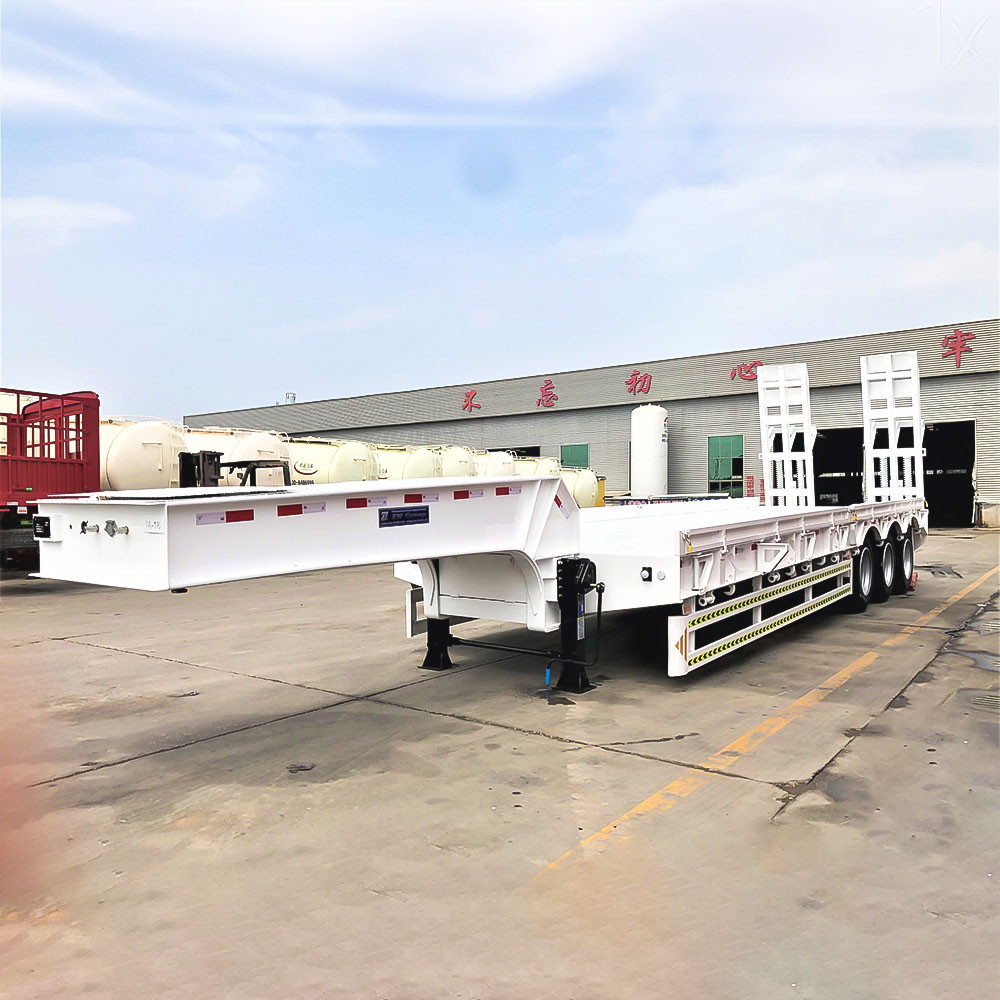
For buyers evaluating specific equipment, a common recommended model for heavy on-site moves is the 4 Axle 80Ton Flatbed Semi Trailer, which aligns with many mid-size project payload and route constraints while offering configurable deck and ramp options.
Implementation, service process and risk mitigation
A clear implementation process reduces acceptance friction. Structure delivery in 4 steps: (1) pre-shipment factory checklist, (2) shipping & customs clearance, (3) on-site acceptance within 48–72 hours, and (4) 30–90 day operational review. Each stage should have defined acceptance criteria and sign-off forms to manage disputes.
Service process table (3-step example)
Below is a compact service-flow table that procurement teams can embed into contracts to lock response times and deliverables.
After the table: require a clause tying spare-part lead times and on-site response to penalties or credit notes for high-criticality projects. This aligns supplier incentives with buyer uptime goals and reduces negotiation friction when incidents occur.
Risk mitigation checklist: pre-define acceptable mean time to repair (MTTR) targets (e.g., 24–72 hours for minor electrical faults), require critical spare kits to be stocked locally for 80% of fleet types, and schedule a 30-day operational tuning window post-delivery to capture early defects.
FAQ & common procurement questions
How long is typical delivery lead time?
Typical delivery lead times vary by configuration: standard stock variants can ship in 4–8 weeks, while custom spec or extra-axle configurations commonly require 8–20 weeks. Confirming drawings and payment milestones early reduces lead-time uncertainty.
What should I verify during on-site acceptance?
On-site acceptance should include: visual frame inspection, axle and suspension load test, brake function at varying loads, lighting and electrical checks, and a 20–50 km road test under loaded conditions if feasible. Document any deviations in a signed acceptance report within 48 hours.
Is financing or lease available for mixed fleets?
Many suppliers offer tailored financing or lease-to-own structures for mixed fleets, often aligning repayment to project cash flow with terms of 12–48 months. Negotiate maintenance inclusion and defined residuals to manage balance-sheet impact and cash requirements.
How to validate spare-part availability?
Request a parts availability matrix showing SKU lead times (target 7–21 days for critical spares) and local stock holding commitments. Include an escalation path and annual parts consumption forecast for accurate stocking strategy.
Why choose us / Contact for specification & procurement support
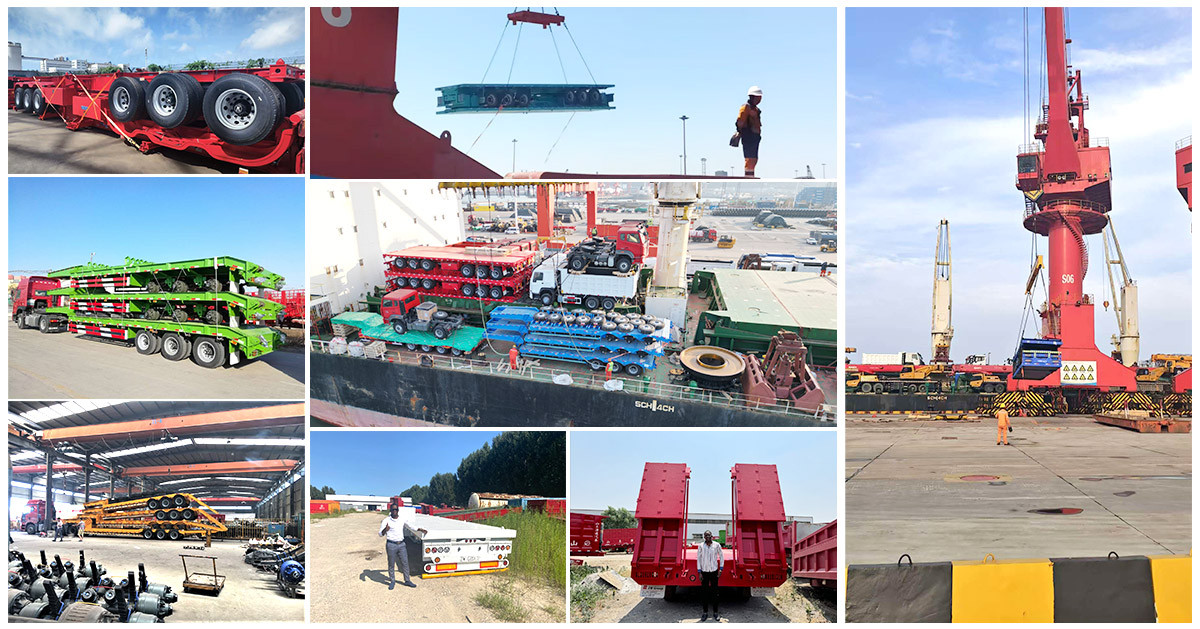
If you are evaluating Beiben trucks and lowbed trailers for Lebanese projects, we offer targeted procurement support to reduce risk and speed deployment. Typical engagements include parameter confirmation workshops (1–2 sessions), on-site acceptance checklist templates, and tailored spare-part stocking plans for 12–36 month campaigns.
You can consult us on: technical parameter confirmation, product selection for mission profiles, firm delivery and lead-time commitments, customization feasibility, certification and route-permit guidance, sample inspection coordination and formal quotation preparation. Each engagement follows a 3-step intake: requirements, proposal within 3–7 business days, and agreement on milestones.
To proceed, prepare the following for an efficient review: mission profile (average payload, trip length, road class), expected annual utilization (hours or km), delivery window target (4–20 weeks), and any local permit constraints. With those inputs we provide a spec-constrained quote and a spare-part stocking plan.
Next steps: request parameter confirmation, product selection assistance, delivery timeline and warranty clarification, customized configuration proposals, certification requirements review, sample or pilot support, and a competitive quotation for the required fleet size. Contact details and a tailored intake form will be provided on request.
Please give us a message
Our engineers help you choose the right truck or trailer based on:
- Your cargo type
- Road condition
- Payload requirement
- Local regulations