
How Are Senegal Clients Exploring ZW Flatbed Trailers & HOWO Trucks?

Senegal's transport operators are increasingly evaluating ZW Flatbed Trailers and HOWO Trucks to boost cargo capacity and withstand West African road conditions. This introduction explores why ZW flatbeds and HOWO truck models attract interest—from load versatility and fuel-efficient engines to pricing, local service networks, and financing options—helping fleet managers weigh total cost of ownership and operational uptime. Whether you’re sourcing vehicles for agriculture, construction, or cross-border logistics, understanding these practical factors will guide smarter procurement decisions and ensure reliable performance on Senegal’s diverse routes.


Market overview: Why Senegal operators compare ZW Flatbed Trailers and HOWO Trucks
Senegal’s road freight sector demands vehicles that balance payload, durability and maintainability. Operators evaluating ZW Flatbed Trailers typically seek high deck versatility for mixed cargo, while those looking at HOWO Trucks focus on tractor and rigid chassis strength for heavy haul and regional haulage. Typical procurement evaluation cycles run 4–12 weeks from specification to initial delivery, with shorter lead times preferred for seasonal agricultural peaks.
Regional conditions push buyers to consider axle configurations and ground clearance: common axle ranges for local fleets span 4x2–8x4 depending on application, and practical payload bands for routes in Senegal are often between 10–40 tonnes. These ranges inform decisions on suspension type, tire selection and engine cooling capacity to reduce roadside downtime during the rainy season.
Beyond hardware, procurement teams weigh service network density and spare-parts lead time: a realistic spare-parts delivery window for imported heavy components is 7–21 days for stocked parts, longer if parts must be shipped. Financing options and total cost of ownership (TCO) projections over 3–5 years frequently tip decisions between lower upfront price and lower operating cost alternatives.
Search interest and RFPs from Dakar to regional operators commonly query: “payload vs fuel consumption,” “local maintenance support,” and “financing terms 12–36 months.” These search themes underscore the practical trade-offs procurement managers must document before awarding purchase orders or lease contracts.
Technical performance: Key parameters and what they mean on Senegal routes
When comparing ZW Flatbed Trailers and HOWO Trucks, technical parameters directly affect uptime and trip economics. Important dimensions include engine power band, transmission type, suspension design, braking system, and chassis reinforcement. For heavy haul on mixed surfaces, operators typically assess engines in the 220–420 hp range with robust cooling and particulate filtration suited to dusty environments.
Suspension choice matters: leaf-spring setups trade cost for simplicity and field-serviceability, while air-suspension provides better load distribution and reduces cargo damage for fragile loads. Maintenance intervals for driveline and brake systems commonly fall in a 5,000–10,000 km window depending on operating load and local maintenance practices.
Tire and wheel configurations influence both mobility and cost: dual tires on drive axles and reinforced rims are typical for gravel and laterite roads. For planners, designing fleet mixes with 2–3 tire specifications reduces spares complexity. Cooling systems and air intake filtration designed for 40℃ ambient conditions help avoid overheating during peak daytime runs.
Below is a compact parameters table to compare common technical ranges and the practical impact for Senegal operations. Use it to translate specification sheets into operational outcomes.
Interpreting the table: choose the payload and axle setup that matches average trip loads rather than peak loads, and prefer engine options that offer a 5%–15% fuel consumption advantage under your typical duty cycle to lower lifecycle cost.
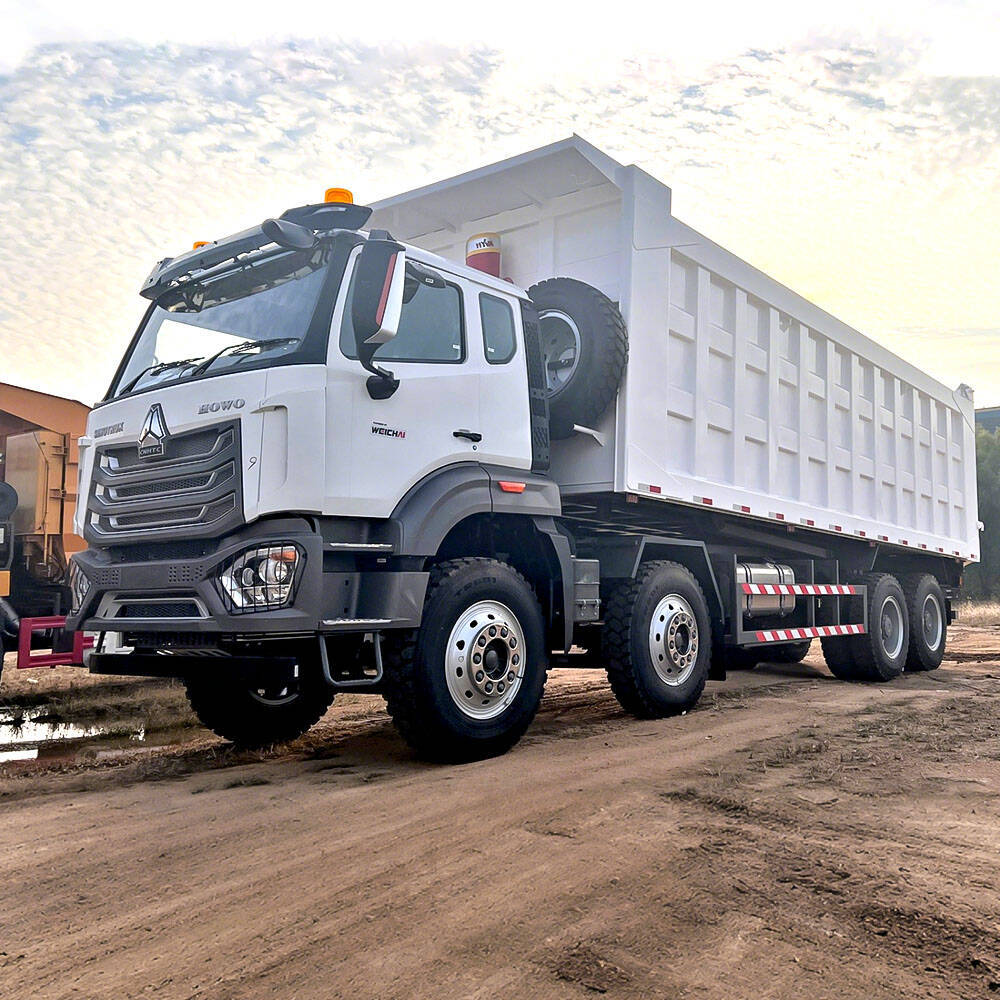
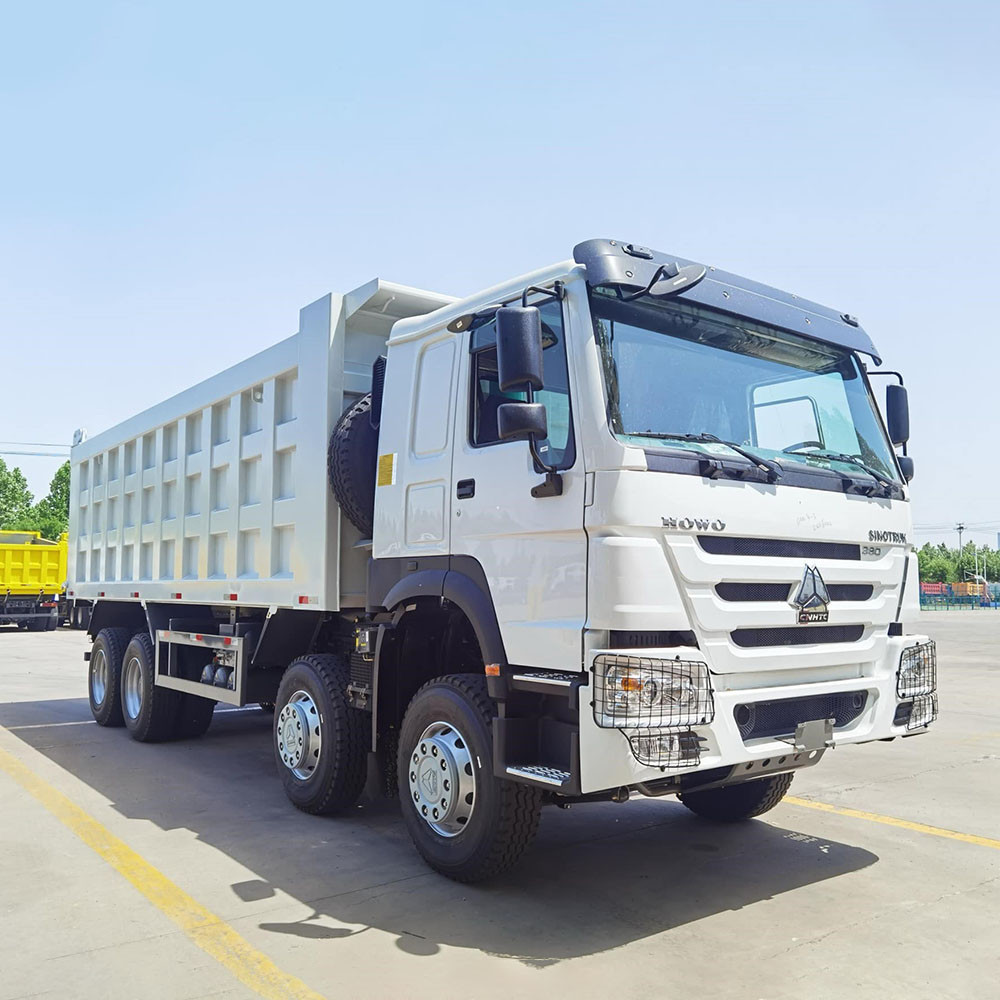
Procurement and selection guide: what fleet managers should verify
Procurement in Senegal needs to balance technical fit, cashflow, and supplier reliability. Start with a clear definition of primary routes (short haul 0–200 km, regional 200–800 km, international >800 km) and expected load profiles (light, mixed, concentrated). Mapping those to vehicle specs narrows options quickly and supports accurate TCO modeling over a 3–5 year horizon.
Key checks before issuing purchase orders include: warranty coverage duration and scope, spare-parts list and lead times, local service partner availability, fuel and emissions configuration, and proven performance under similar climates. A standard due diligence timeline includes vendor responses in 7–21 days and sample inspection or demonstration runs within 2–4 weeks when possible.
Below are practical procurement checkpoints; follow them to reduce delivery surprises and unexpected retrofit costs.
- Specification alignment: confirm axle loads, chassis reinforcements, and cargo securing points match typical cargo dimensions and weights.
- Service readiness: verify at least 3 certified service locations within 200–500 km of your main depots or confirm express parts shipping arrangements.
- Financial terms: negotiate 12–36 month payment plans, include spare-parts packages, and lock exchange rates on international orders where applicable.
- Trial and acceptance: require a 7–15 day acceptance trial with defined acceptance criteria and a joint inspection checklist.
- Spare-parts kit: include a basic spare-parts bundle covering wear items for the first 20,000 km.
To help choose between ZW flatbeds and HOWO tractors for specific roles, consult the comparison matrix below. It distills typical strengths and trade-offs and supports quick decision-making during bid evaluation.
Interpretation: choose flatbeds when cargo versatility and lower per-axle cost matter; select HOWO tractors when sustained heavy-duty performance and integrated powertrain advantages translate to higher payload throughput and reduced driver fatigue on long runs. For mixed fleets, a ratio of 60:40 (mixed-use flatbeds:heavy tractors) often balances utilization rates across seasonal demand swings.
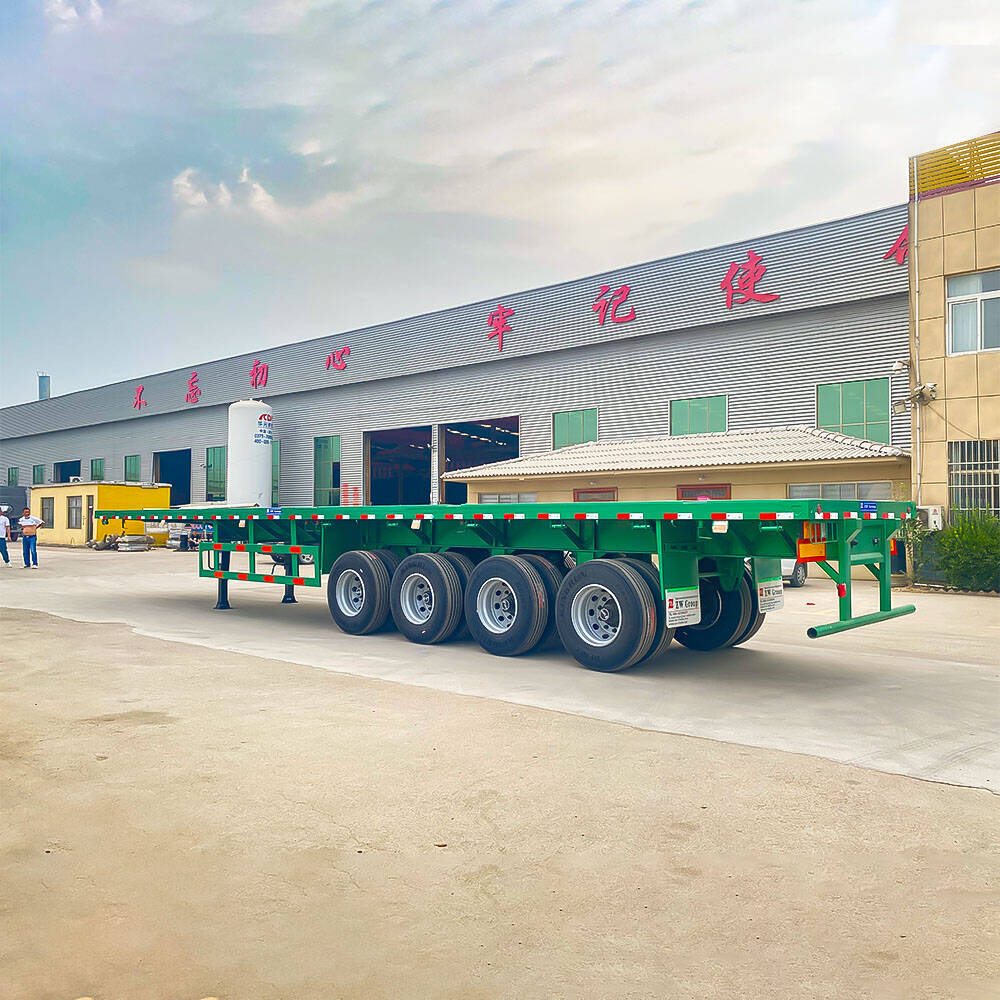
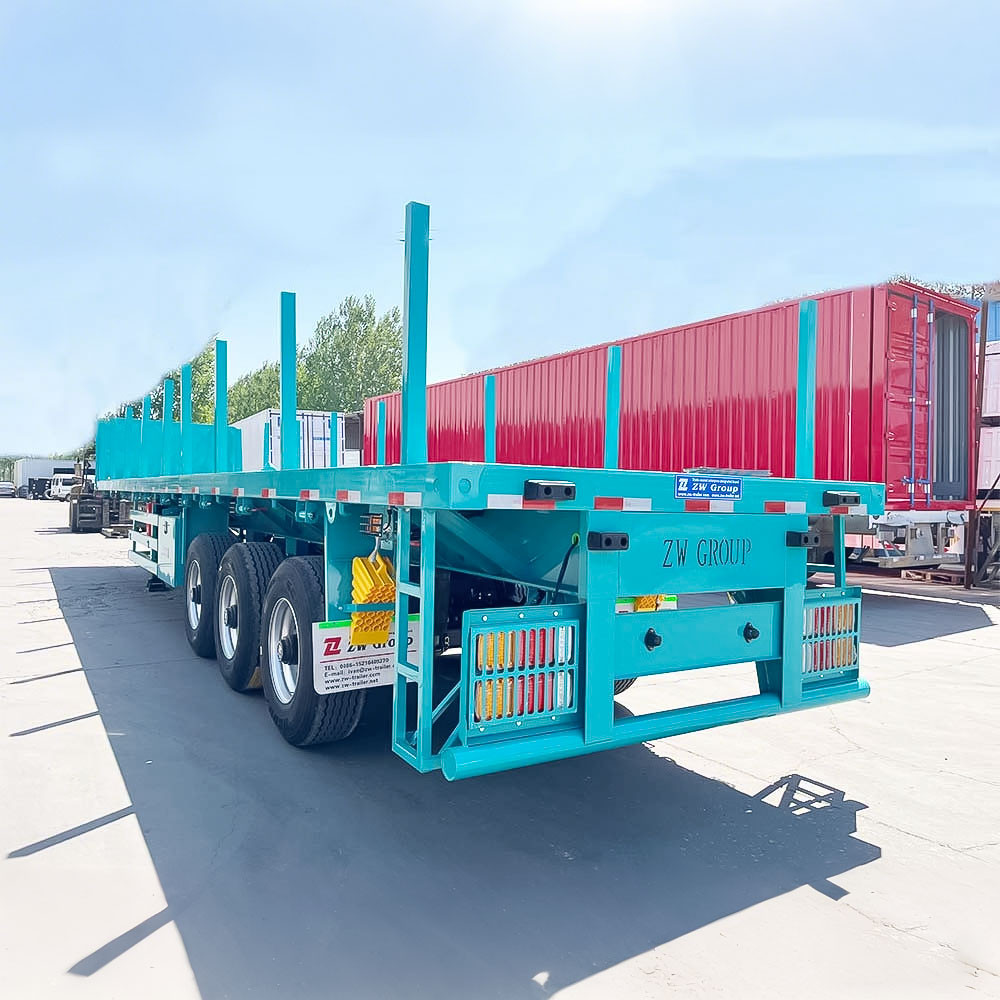
Cost, service network and TCO: practical figures to model
TCO modeling should cover acquisition, financing, fuel, maintenance, driver costs, and downtime risk. For a 3–5 year ownership window, estimate maintenance events at roughly 4–6 scheduled stops per year for heavy tractors and 2–4 for simpler flatbed trailers, depending on annual mileage. These event counts shape spare-part inventories and workshop scheduling.
Spare-parts and service availability materially affect uptime: target an operational uptime metric of 95%–98% for commercially viable routes. To approach this, ensure spare-part kits cover 6–8 wear items and that the vendor commits to a parts replenishment lead time of 7–21 days for commonly replaced components.
Financing terms can change project viability. Typical financing scenarios include: 0–30% down payment with 12–36 month repayment or lease structures that shift maintenance responsibility. Model both CAPEX and OPEX to see how lower monthly payments might increase lifecycle cost due to higher interest or residual value terms.
For suppliers offering demo units, insist on a 7–15 day operational trial with predefined KPIs: fuel consumption per 100 km, average loaded speed, and mean time between failures (MTBF) to validate vendor claims under local conditions. These KPIs feed directly into the fleet replacement or expansion decision.
FAQ & common procurement misconceptions
This FAQ addresses frequent search queries and procurement pitfalls when evaluating ZW Flatbed Trailers and HOWO Trucks. Each answer includes actionable thresholds and checks to reduce procurement risk.
How do I decide between a flatbed trailer and a full HOWO truck for my fleet?
Decide based on cargo profile and route length: use flatbeds for irregular, oversized, or containerized goods and HOWO trucks for concentrated heavy loads and long regional runs. If 60%–70% of trips are local deliveries under 200 km with varied cargo, prioritize a higher flatbed ratio; if average haul exceeds 300 km with heavy bulk, prioritize tractors.
What are the realistic delivery and trial timeframes?
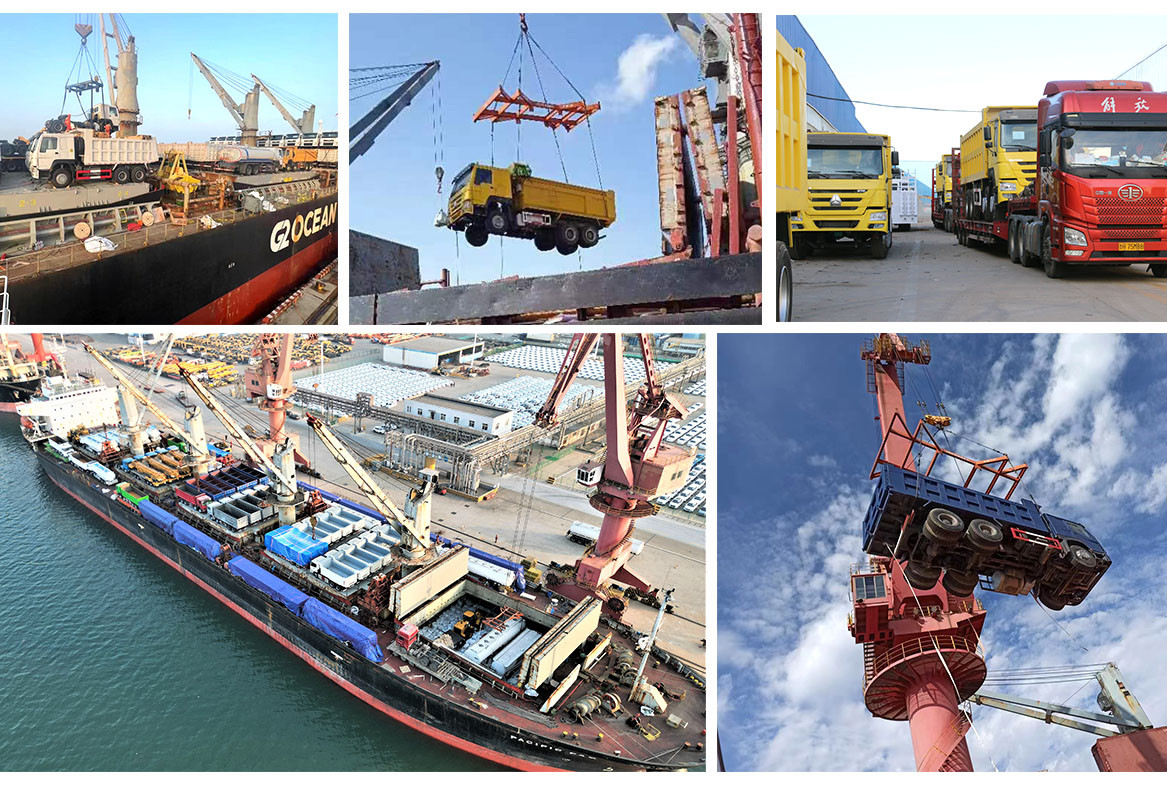
Standard procurement cycles include vendor quote and specification alignment in 7–21 days, factory lead time commonly 4–12 weeks, and on-the-ground acceptance trials of 7–15 days. Factor customs and inland transport, which can add 1–3 weeks depending on port clearance and local logistics.
What are common mistakes fleet managers make during selection?
Common errors include sizing for peak loads instead of typical loads, under-provisioning spare parts (leading to 2–4 week repair delays), and overlooking service-network density. Avoid these by documenting 3 core operating scenarios, maintaining a 20,000 km spare-parts plan, and scoring vendors on parts lead time and local service count.

Actionable next steps and contact guidance: why choose us and how we support procurement
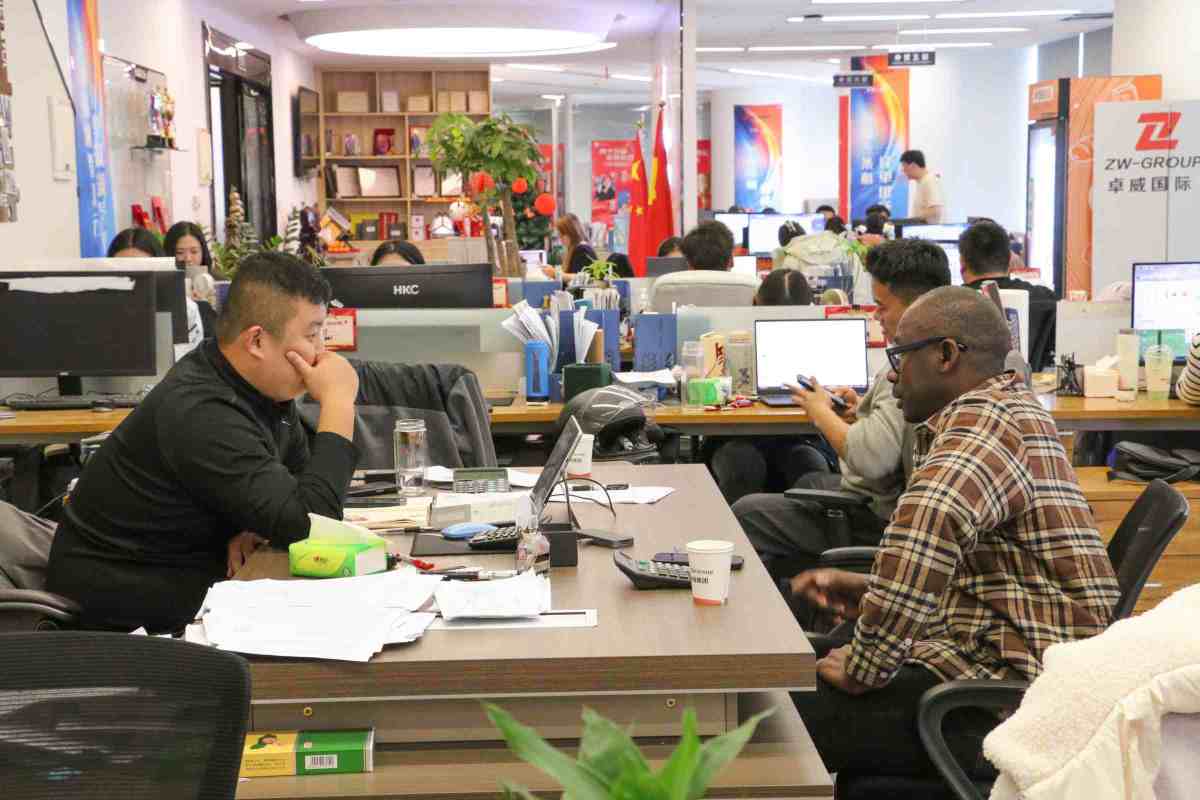
If you need tailored support, we offer structured procurement assistance that covers specification confirmation, sample trials, and delivery coordination. Our engagement includes a 3-stage process: requirements capture, vendor shortlisting and trial coordination, and acceptance testing with KPI verification over 7–15 days.
We can assist with: parameter confirmation against your route map and payload profile, product selection (flatbed vs tractor), negotiating delivery lead times (typical goal 4–12 weeks), and arranging spare-parts kits sized for initial 20,000 km operations. For example, we can include a demonstration unit such as Shacman X5000 6X4 Tractor Truck in a trial package upon request.
When you contact us please be ready to provide: expected annual kilometers, average load (tonnes), primary route types (percentage local/regional/international), and preferred financing window (12–36 months). With these inputs we will produce a comparative TCO over a 3–5 year horizon and a prioritized purchase or lease recommendation.
Next-step checklist you can act on now:
- Prepare route and load profile (3 key routes; 3 months sample data).
- Request vendor quotes with 7–21 day response windows and parts lead times documented.
- Schedule a 7–15 day in-field trial for shortlisted units and collect KPI data.
- Negotiate financing and spare-parts bundle terms before final PO to cap TCO variability.
If you want help turning specifications into procurement-ready RFQs, verifying technical sheets, or arranging demonstration runs, we can coordinate parameter confirmation, product selection, delivery scheduling, custom configuration, certification support, sample trials, and formal quote comparisons. Provide your basic fleet profile and we will produce a prioritized purchase plan with estimated delivery windows and spare-parts strategy.
Please give us a message
Our engineers help you choose the right truck or trailer based on:
- Your cargo type
- Road condition
- Payload requirement
- Local regulations