
Why DRC Clients Refer Friends to Buy HOWO Dump Trucks?

In the Democratic Republic of the Congo (DRC), choosing a dump truck is a decision that can affect operating costs, delivery schedules, and business growth. When buyers recommend HOWO dump trucks to friends, their referrals often reflect practical considerations such as load capacity, maintenance, parts availability, and dealer support. This article explores the factors that can shape owner satisfaction and influence word-of-mouth recommendations in the DRC transport market.
A recommendation is not proof that every HOWO truck will suit every job. It is a starting point for a more useful conversation: What does the owner transport, where does the truck operate, and who keeps it running? The answers matter more than the badge alone.
A truck earns trust on the route, not in the brochure
Dump trucks serving construction, quarrying, mining support, and general materials transport can face very different working conditions. A vehicle that spends most of its time moving sand between a depot and a nearby building site has a different duty cycle from one hauling rock over rough access roads. Distance, gradients, road surface, loading practices, and waiting time all affect wear and productivity.
For an operator, the practical question is whether a truck completes its assigned work without consuming an unreasonable share of time and cash in repairs. An owner who has found a suitable HOWO configuration may recommend it because the vehicle fits a familiar type of work and can be supported by mechanics and suppliers the owner already knows.
That experience does not automatically transfer to another route. A buyer should ask whether the referring owner carries comparable material, drives similar distances, and operates under similar loading and road conditions. A recommendation from a nearby business with the same duty cycle is more informative than a general statement that a truck is “strong.”
Payload is a balance, not a number to maximize
The attraction of a dump truck is straightforward: move a useful quantity of material and return for another load. But body volume, legal payload, axle ratings, tire capacity, and the truck’s own weight are different things. A large body does not mean the chassis can safely carry that body filled with any material.
Material density changes the calculation. Loose sand, wet soil, and broken rock can place different demands on the same truck. Loading concentrated in one area can also stress the body and chassis. Before comparing offers, buyers should ask for the vehicle’s rated gross weight, axle ratings, unladen weight, body dimensions, and the basis on which any advertised payload is calculated. Actual permitted loading must also be checked against applicable local requirements and the intended route.
The body itself deserves attention. A truck carrying abrasive rock may need different body construction and wear protection from one carrying lighter material. The tipping system must be appropriate for the load and the site: unloading on uneven or soft ground increases stability risk, regardless of brand. Drivers need a firm, reasonably level tipping area and should follow the equipment manufacturer’s operating instructions.
A smaller legal load that moves reliably may be more useful than a larger advertised capacity that cannot be used safely or within route restrictions. This is one reason experienced owners tend to discuss the whole configuration rather than engine output alone.
Maintenance support can turn a purchase into a recommendation
For many transport businesses, a stopped truck is costly twice: it needs repair, and it cannot complete the next delivery. The purchase price matters, but it tells only part of the story. Routine servicing, tires, brakes, lubricants, filters, suspension components, and unplanned repairs all influence the cost of keeping a truck available for work.
An owner may speak positively about a HOWO dump truck because a local workshop knows the vehicle, replacement parts can be identified without guesswork, or the seller responds when a problem arises. None of those advantages should be assumed for every location or every model. Support in one part of the DRC may not be the same as support in another, and a dealer’s ability to supply a truck is not necessarily the same as its ability to support it afterward.
Ask specific questions before signing. Which workshop will handle warranty work? Which service items are normally stocked locally? If a part is unavailable, where will it come from and how will the order be tracked? Can the supplier identify the correct parts using the vehicle identification number and component details? A practical answer is more valuable than a general promise of “full support.”
It is also worth separating routine availability from major-component availability. Filters and belts may be easy to source while a particular gearbox, axle component, hydraulic cylinder, or electronic control module takes longer to obtain. For trucks assigned to remote work, an agreed stock of critical service items and wear parts may be sensible. The right list depends on the configuration, maintenance plan, and consequences of downtime.
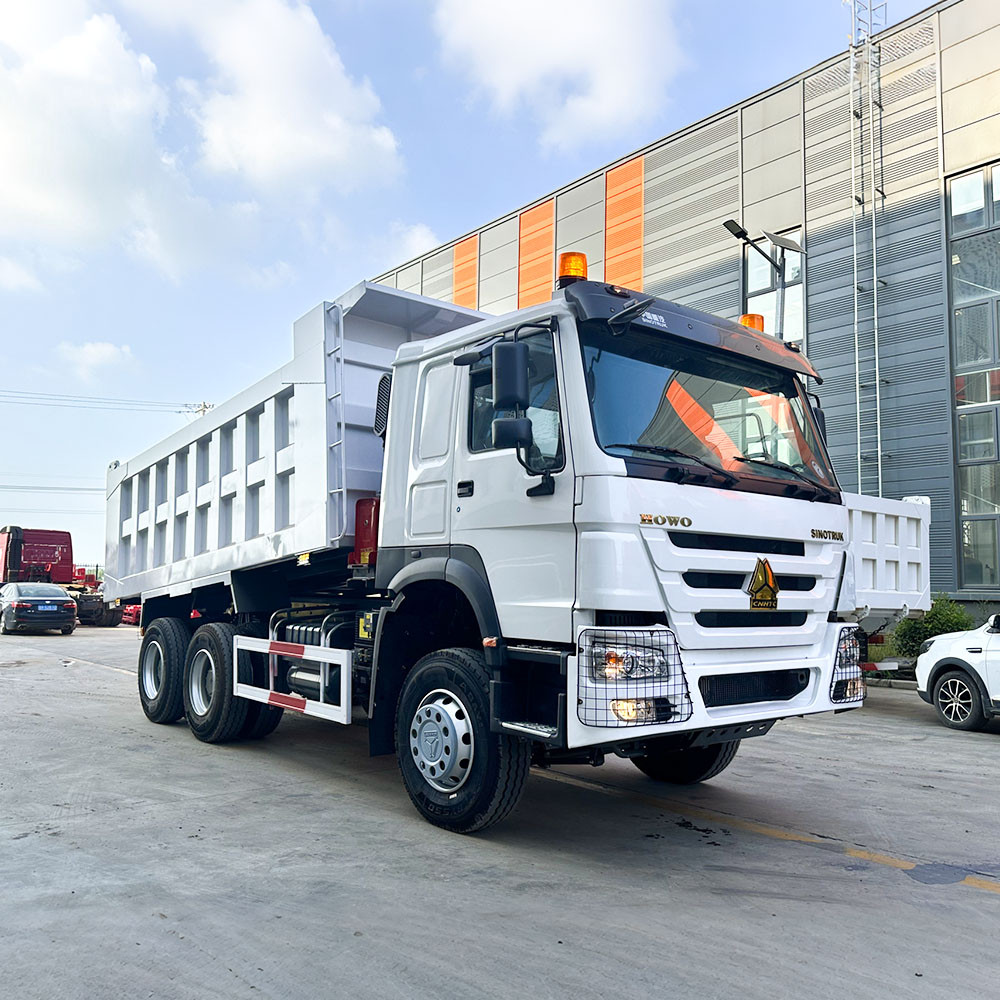
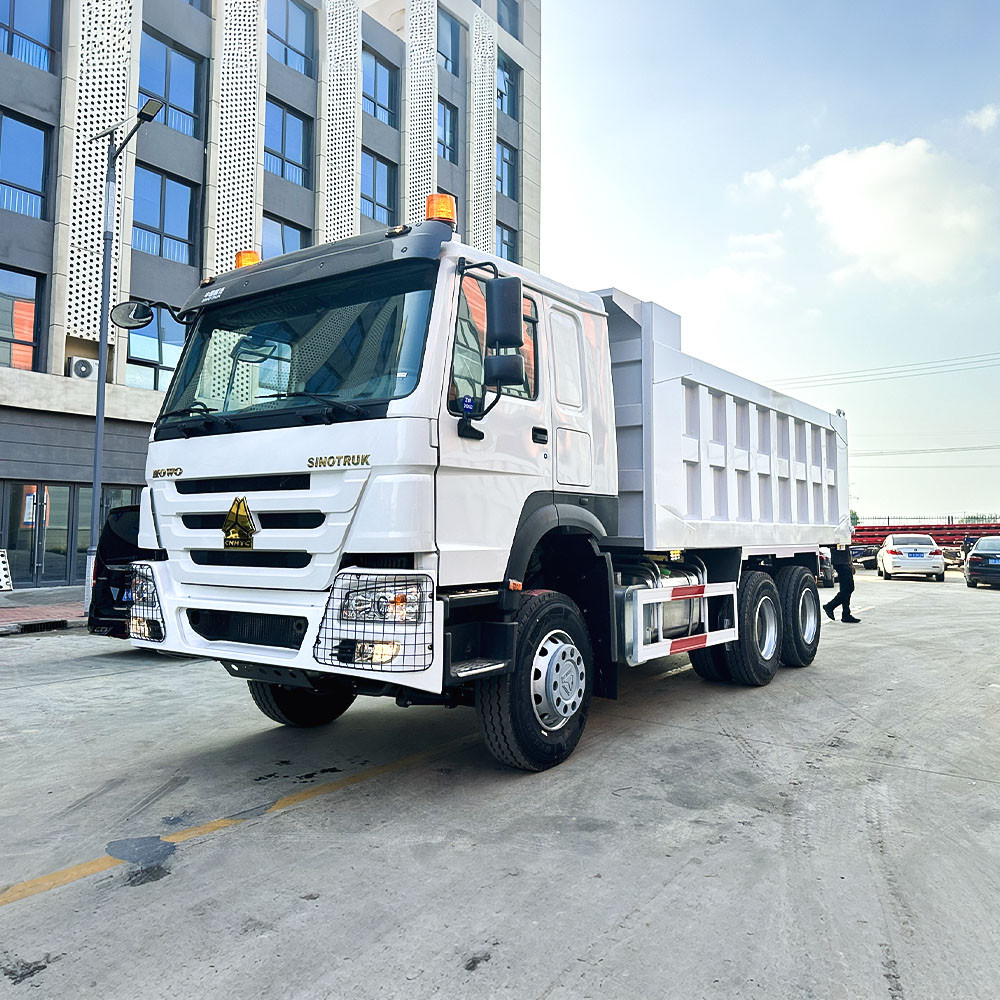
Why fleet familiarity matters
A referral can reflect an existing local network as much as the truck itself. When several businesses use similar vehicles, drivers may be familiar with their controls, mechanics may have relevant experience, and owners may know where to ask about service issues. That familiarity can reduce the uncertainty of introducing a truck into a small fleet.
Still, the name HOWO covers vehicles with different configurations and production histories. Two trucks that look similar may not use interchangeable components. Engine, transmission, axle, cab, electrical system, and body equipment should be checked against the actual vehicle documentation. Assuming that every part from another HOWO will fit can create delays and unnecessary purchases.
For a buyer adding one vehicle to an existing fleet, standardization can be useful if it genuinely simplifies training, tools, and inventory. It should not override a clear mismatch between the truck and the job. A configuration suited to shorter construction runs may not be the best choice for longer loaded journeys with steep grades.
The dealer’s role starts before delivery
A useful seller does more than repeat a model name and quote a price. The discussion should cover the material, expected load, road conditions, operating distance, unloading method, and service arrangements. If the seller cannot explain the vehicle specification or provide the relevant documents, the buyer has a reason to slow down.
The sales agreement should make clear what is included: the chassis and body specification, tools and accessories, manuals, delivery location, inspection process, and any agreed spare parts. Warranty terms should identify the provider, coverage period, exclusions, claims procedure, and where approved repairs can be carried out. Buyers should also clarify who is responsible for transport, insurance, customs formalities, taxes, and registration-related steps under the agreed transaction terms.
Delivery timing needs the same precision. An estimated arrival date is not the same as a truck being ready for work at the operating site. Inspection, paperwork, inland transport, registration, and installation or adjustment of equipment may all affect the handover schedule. Requirements and responsibilities should be confirmed for the specific transaction rather than assumed.
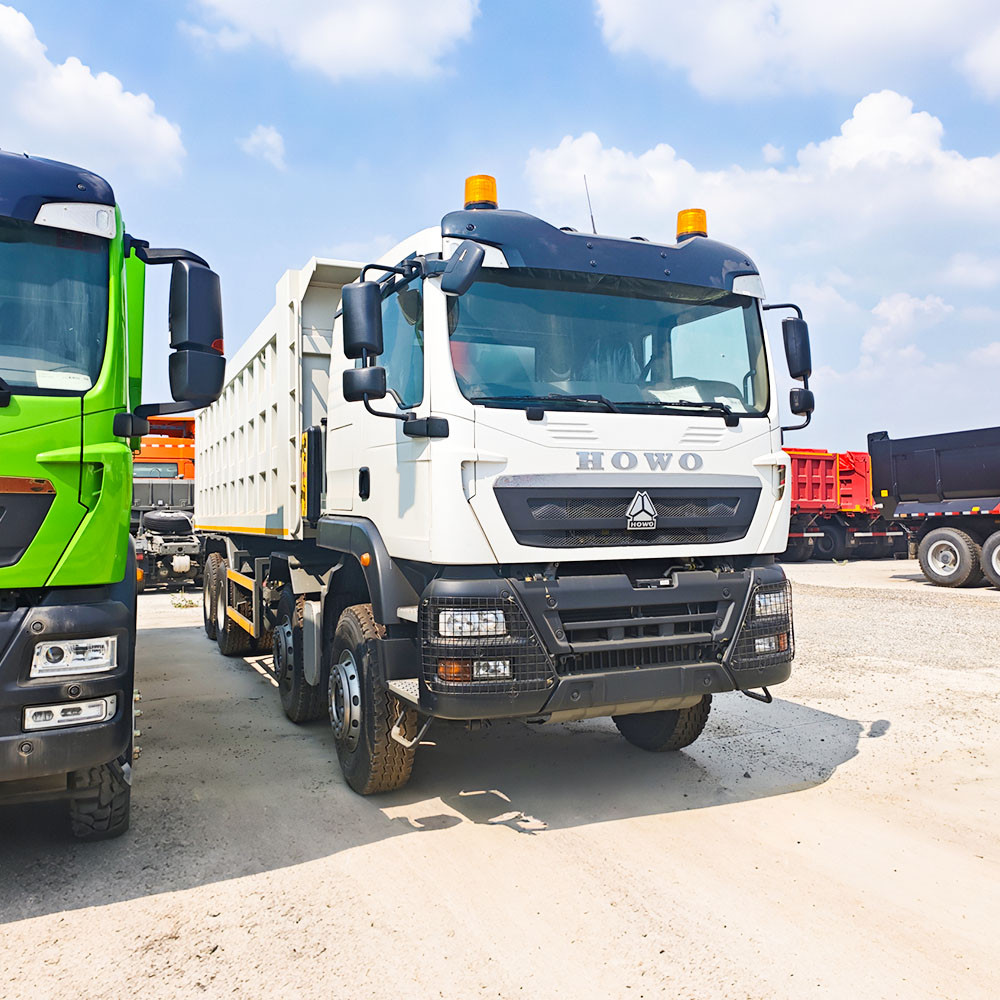
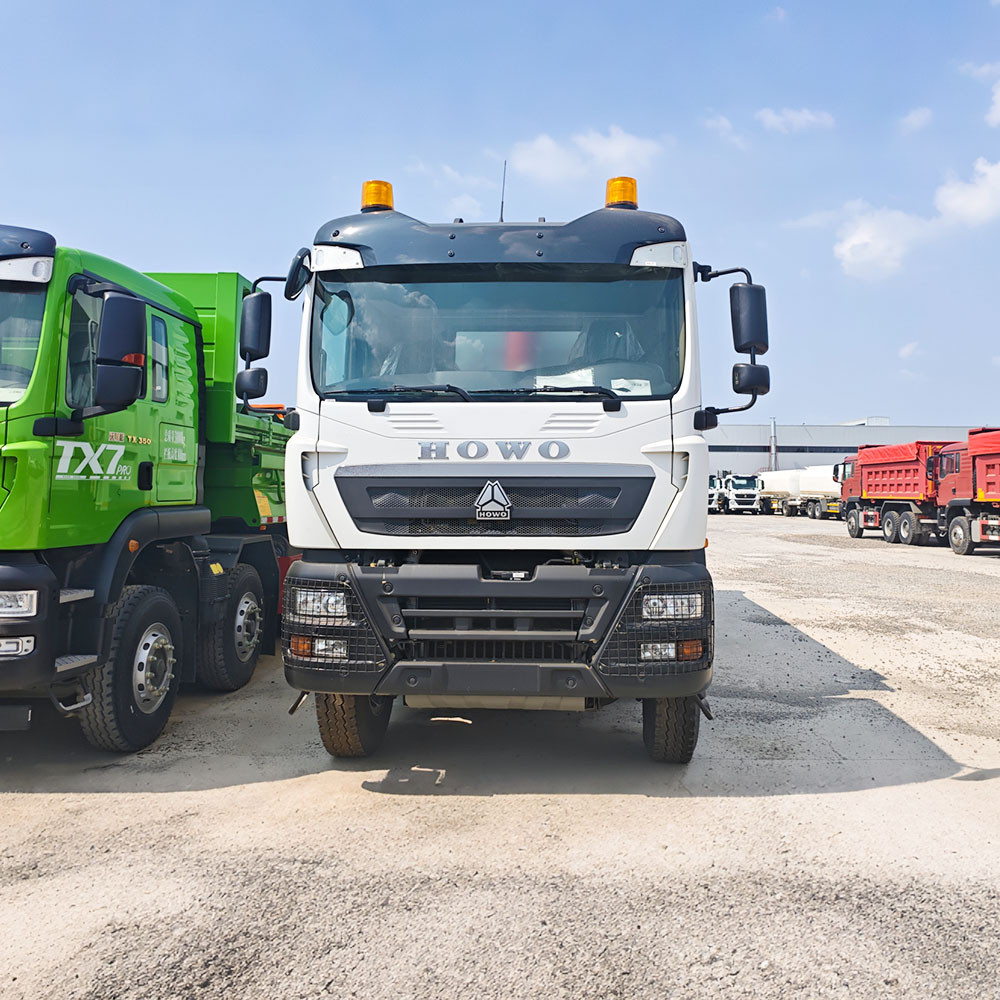
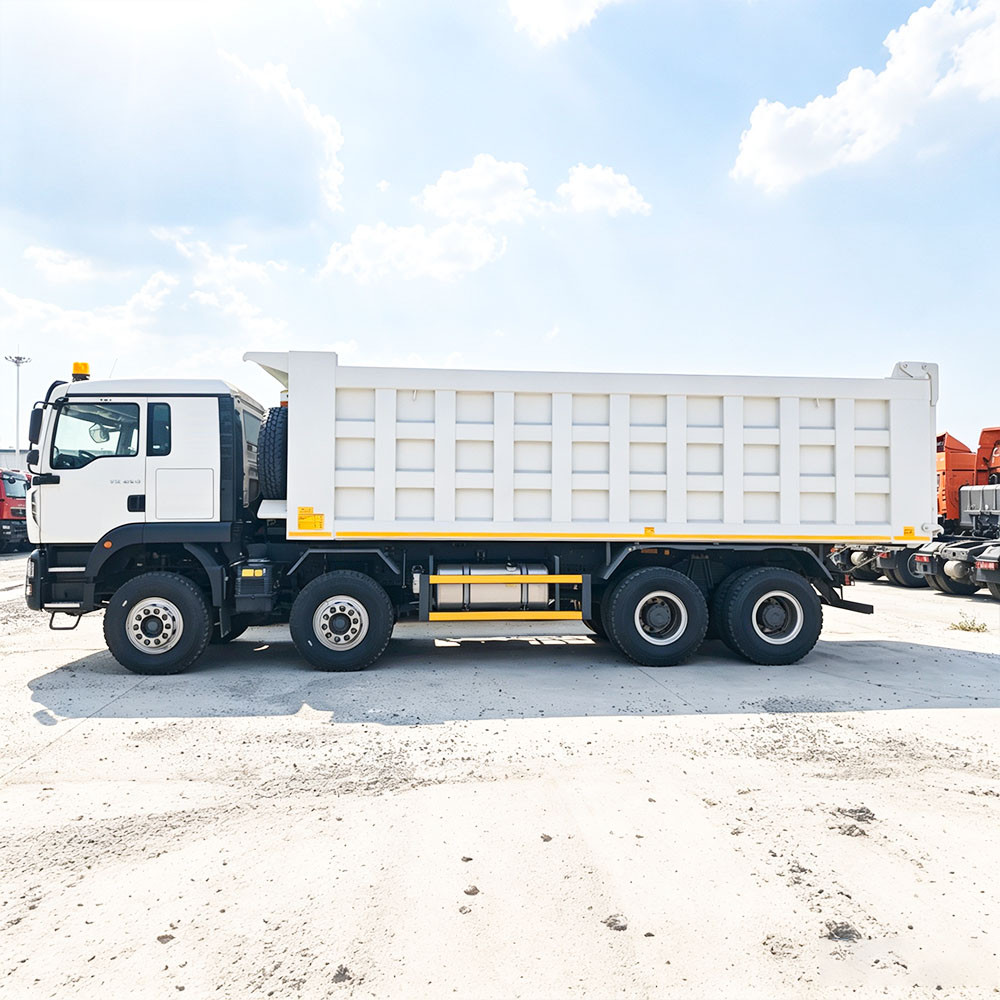
New and used trucks require different questions
A new truck allows the buyer to specify the vehicle and start with a documented service schedule, but it still needs a careful pre-delivery inspection. Check that the identification details and major specifications match the contract, and test the body, tipping mechanism, lights, brakes, and other relevant systems as part of an agreed handover process.
A used truck may have a lower initial price, but its condition can vary considerably. Service records, ownership documents, and the reason for sale are useful starting points, not substitutes for inspection. Look for chassis cracks or repairs, abnormal tire wear, hydraulic leaks, damaged suspension, signs of overheating, and excessive wear in the dump body. Inspect the truck when it is safe to do so and use a qualified technician where possible.
A road test and operational check can reveal issues that photographs miss, although neither guarantees future reliability. Buyers should also verify identification numbers and documentation, confirm the availability of parts for the exact configuration, and budget for immediate servicing or repairs. A trusted friend’s positive experience with a new truck is not evidence that an older vehicle has been maintained properly.
How to judge a referral before placing an order
The most helpful recommendation includes details that can be tested. Ask the owner how long the truck has been in service, what it carries, what maintenance has been needed, and whether parts or technical help were available when required. Ask about difficulties as well as strengths. A credible answer can include repairs; the more useful question is whether problems were identified and resolved without unacceptable disruption.
Then compare the referral with your own operating plan. Estimate the number of trips required, account for loading and unloading time, and consider whether the truck will return empty. Review the expected service intervals and the location of workshops along the route. If work depends on a contract with demanding schedules, consider what happens when the only truck is unavailable.
Before committing, request a written specification for the exact vehicle, a clear breakdown of the delivered price, and a realistic support plan for the area where it will operate. A HOWO owner’s referral can narrow the search. The final decision should rest on whether that particular truck, its supplier, and its maintenance arrangements match the work ahead.
Please give us a message
Our engineers help you choose the right truck or trailer based on:
- Your cargo type
- Road condition
- Payload requirement
- Local regulations