
How Did Tanzania Clients Confirm Orders for 10 LPG Tanker Trailers?

Discover how Tanzania clients confirmed orders for 10 LPG tanker trailers, from initial inquiry to final delivery. This case study outlines the procurement timeline, quality checks, custom specifications, logistics coordination, and communication strategies that ensured a seamless confirmation process. Transportation managers and suppliers will learn practical steps for contract negotiation, inspection protocols, payment terms, and export logistics tailored to the LPG tanker trailers market in Tanzania. Read on to see the decisive factors and actionable best practices that turned tentative interest into a confirmed large-volume order.
Market overview: demand drivers and timeline expectations
Tanzania's LPG distribution network has been expanding due to urbanization and increased household adoption. For fleet owners and logistics operators, purchasing LPG tanker trailers often follows a 3-phase decision cycle: needs assessment, supplier evaluation, and final contracting. Typical procurement lead times range from 8–12 weeks for manufacturing plus 4–6 weeks for shipping, so buyers commonly plan a 12–18 week end-to-end timeline for large-volume orders.
In this case, the Tanzania client evaluated options in a 4–6 week window, comparing technical specs, capacity ranges, and local compliance needs. The project targeted medium-to-large capacity trailers with common industry capacity ranges of 15,000–40,000 L, suitable for both distribution and bulk transfer. During vendor shortlisting, practical factors such as after-sales support, spare-part availability, and the supplier's export experience carried equal weight to unit price.
One factor that accelerated confirmation was the supplier's flexible offering that included complementary cargo truck options for mixed fleet deployment. For example, a supporting chassis solution referenced during negotiations was Shacman L5000 245HP 4X2 Cargo Truck, which helped the client plan combined logistics for LPG and general cargo operations. This practical bundling helped reduce total fleet acquisition complexity and improved the client's operational readiness within a projected 16-week rollout.
Key market metrics used by the client included expected utilization (3–5 trips per week), average trip distance (50–400 km), and seasonal peak demand windows (2–3 months). Those metrics guided selection of pump compatibility, valve configuration, and trailer tare weight to ensure the trailers met performance targets under local operating conditions.
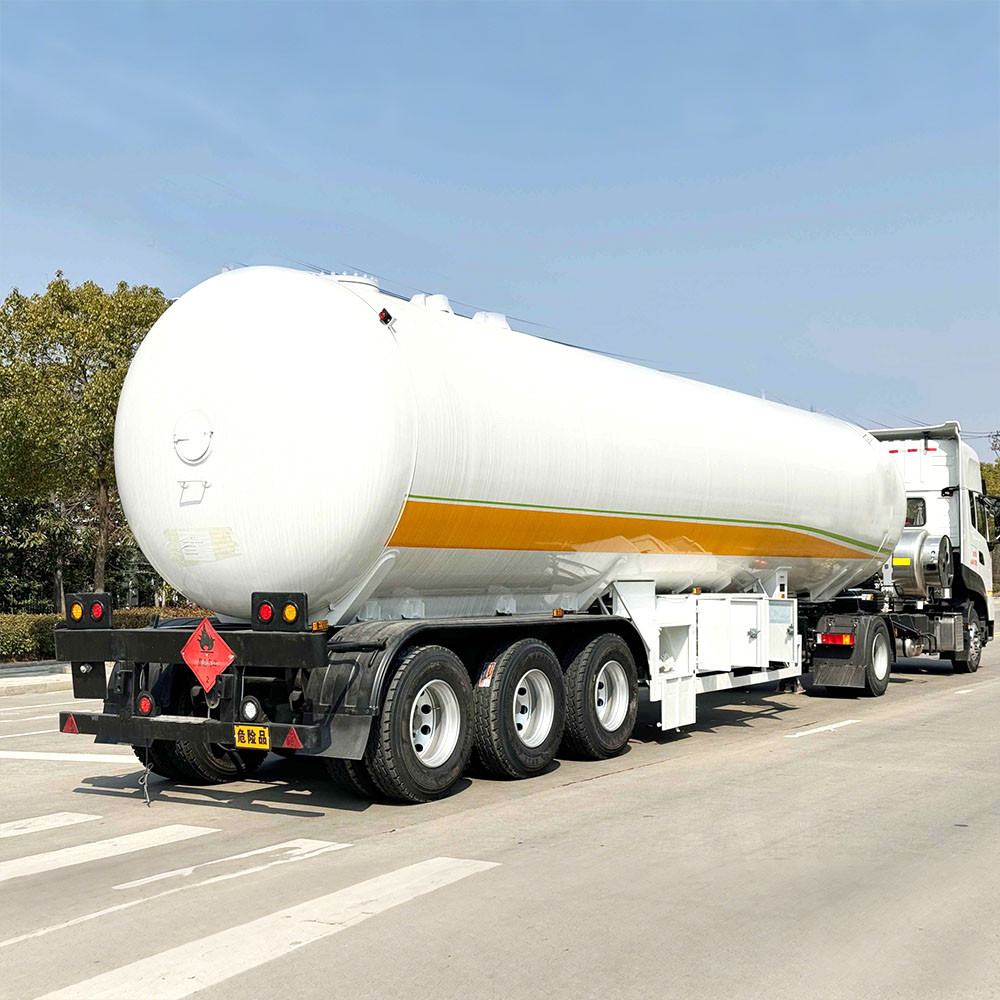
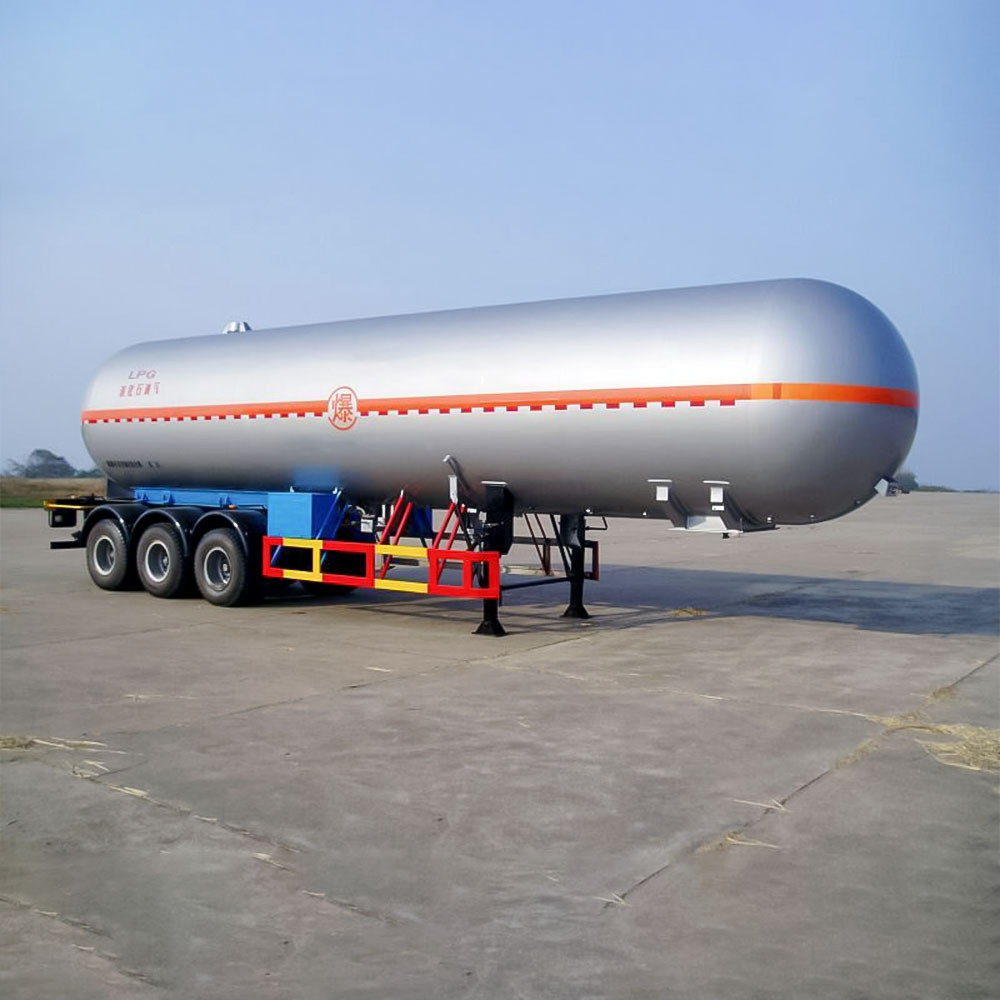
Procurement and order confirmation: process, milestones, and governance
The order confirmation followed a clear 4-step procurement flow: RFQ and technical clarification, sample/inspection scheduling, contract signing with payment milestones, and shipment coordination. Each step had defined timelines: RFQ response within 3–7 days, factory inspection window 7–14 days before shipment, and final payment 7–14 days prior to loading. These time-bound checkpoints ensured transparency and reduced cycle time to confirmation.
To structure decision governance the client used a 3-tier approval matrix: technical lead, procurement manager, and finance director. The matrix required 3 contract milestones to be met before full approval: prototype verification, batch inspection approval (first 2 units or equivalent sample checks), and documentary compliance for export. This approach limited procurement risk while enabling a faster go/no-go decision after each milestone.
A short checklist used during vendor evaluation contained 5 core criteria: structural design compliance, tank material certification, valve and manifold compatibility, payload-to-axle ratio, and after-sales spare-part lead time. The checklist was scored on a 0–10 scale for each trailer variant, which allowed objective comparison across multiple offers and drove the final confirmation for the 10-unit order.
Practical negotiation points that influenced order volume included staged production (deliver in 2 batches of 5 units), a 30% deposit with 70% balance before shipment, and an explicit clause for third-party inspection within 7 days prior to loading. These elements aligned supplier cashflow needs with buyer assurance targets and were instrumental in moving from intent to signed contract within a 2–3 week negotiation window.
Service flow table: supplier-to-client milestones
The following table summarizes the supplier's service flow and acceptable duration ranges for each node, used by the client to set expectations and internal timelines.
The client required objective acceptance criteria for each node to release the next payment milestone. Using timeboxes such as 3–7 days for RFQ responses and 7–14 days for pre-shipment inspection reduced ambiguity and accelerated the confirmation for 10 trailers to a signed contract within 21 days after initial RFQ receipt.
Technical quality checks and inspection protocol
A rigorous inspection protocol was central to client confidence. The procurement team mandated a 6-point quality checklist that covered tank material traceability, weld integrity, pressure testing, valve and safety device certification, tare weight verification, and surface corrosion protection. Each item had pass/fail criteria and allowable tolerances to prevent subjective assessment during factory acceptance testing (FAT).
Pressure testing parameters used were typical industry ranges, e.g., hydrostatic tests at 1.25–1.5 times working pressure and leak tests under 0.5 bar differential for joint verification. The supplier provided non-destructive testing (NDT) reports where applicable and allowed a buyer-witness program for the first two units, which represented 20% of the batch and sufficed to confirm process consistency for the remaining units.
To present technical parameters concisely, the team used a parameter table that compared the agreed specification against buyer minimums and supplier-proposed values. This table was used as the contractual annex and as a checklist during FAT to avoid interpretation gaps during inspections.
Using a parameter table that matched contractual clauses allowed both sides to reference the same baseline during inspection. The client required that at least 80% of the batch pass all critical tests during FAT; otherwise, corrective actions and partial rework timelines were triggered before shipment.
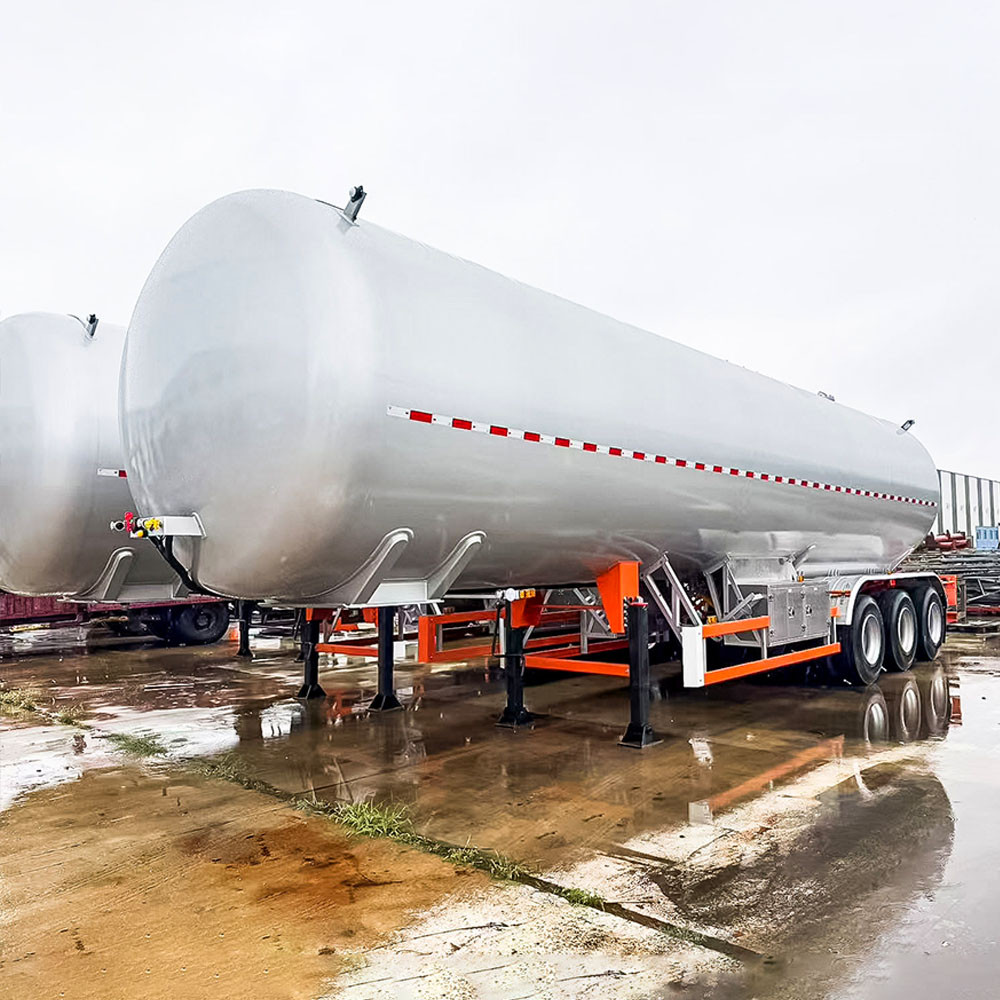
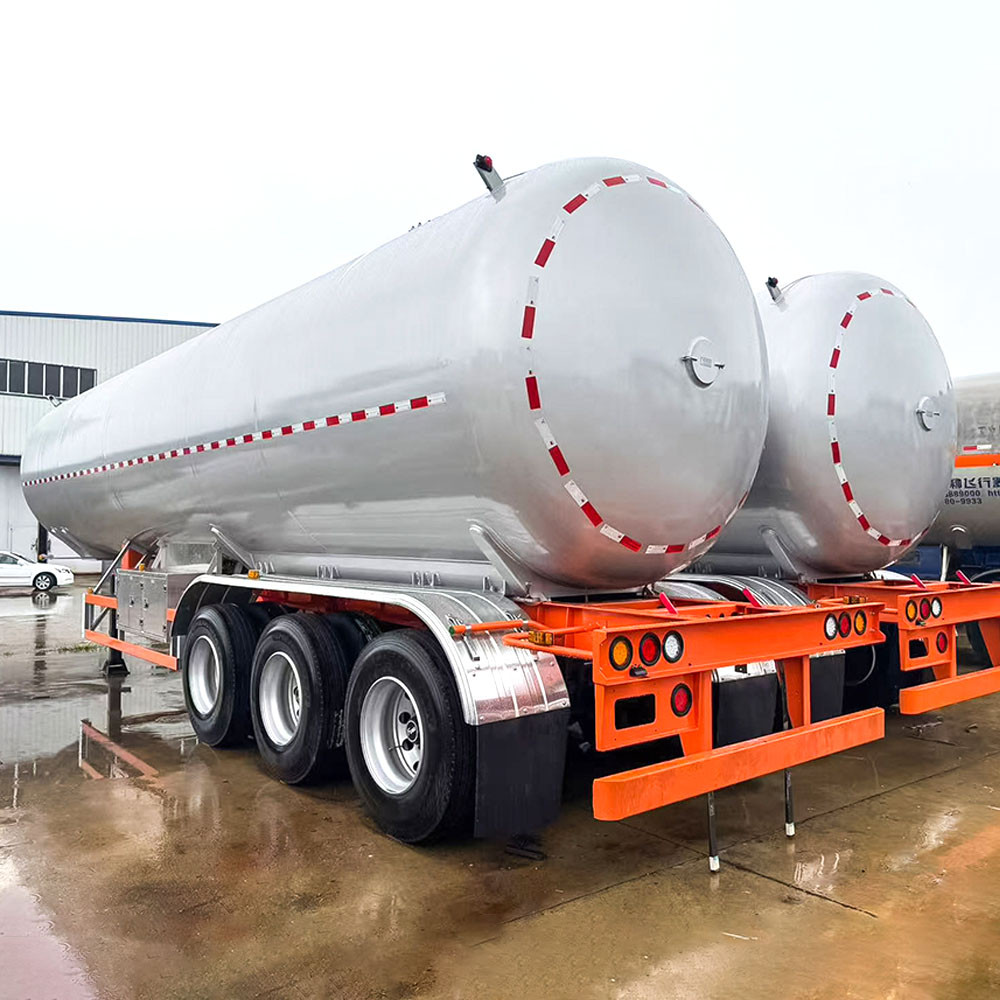
Logistics, export compliance and payment terms
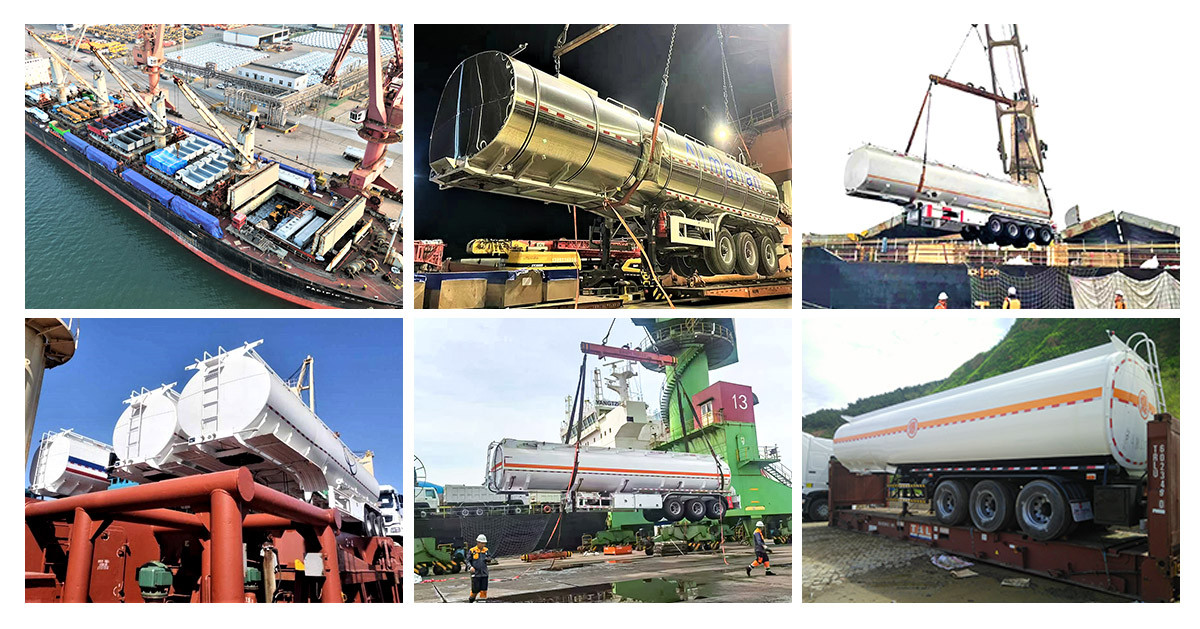
Logistics planning covered domestic transport to port, sea freight, and inland delivery in Tanzania. Estimated sea transit time from major Asian ports to Dar es Salaam was 4–6 weeks; inland transport to distribution depots was expected within 3–10 days depending on final destinations. These timelines informed the client's fleet deployment schedule and helped align insurance coverage and handover dates.
Export compliance documentation included commercial invoice, packing list, certificate of origin, material mill certificates, and bill of lading. The buyer required all documentation to be uploaded 7–10 days before vessel ETD to allow bank processing of the balance payment and to avoid demurrage delays. Payment milestones were clearly defined: 30% deposit, 60% before shipment documentation release, and 10% on final acceptance within 30 days of delivery.
Risk mitigation measures included arranging marine insurance covering at least Institute Cargo Clauses (A) equivalent, requiring supplier to provide pre-shipment photos and a 3rd-party packing inspection, and specifying packaging with 3 protective layers for exposed components during multi-modal transit. These measures reduced the likelihood of damage during the typical 6–12 week delivery window.
Customs and local compliance were planned in parallel with shipment: classification codes, temporary import permissions for testing (if needed), and coordination with a local customs broker. The client allocated a 2–4 week buffer for customs clearance and local certification validation to avoid operational disruption upon arrival.
Lessons learned, procurement checklist and next steps
Key lessons that converted a tentative inquiry into a confirmed 10-unit order included structured milestones, objective inspection criteria, staged payment, and explicit logistics planning. The client prioritized supplier transparency, independent verification rights, and a clear escalation path for technical disputes, which reduced approval cycles from an anticipated 6 weeks to 3 weeks in this case.
A concise procurement checklist that other fleet managers can reuse includes: 1) define operating profile and capacity range, 2) request mill certificates and material traceability, 3) require factory inspection windows and 3rd-party test reports, 4) set staged delivery and payment terms, and 5) plan customs and inland logistics with buffer windows of 2–4 weeks. This 5-item checklist maps to typical industry decision points and reduces procurement ambiguity.
For teams still evaluating vendors, recommended next steps are to run a pilot acceptance on 1–2 units (representing 10–20% of a small batch), lock critical parameters into the purchase contract, and request a clear spare-parts lead time (typical ranges 4–12 weeks for major components). These actions preserve continuity of operations while limiting upfront exposure.
Why choose us / Contact us: If you need help with parameter confirmation, product selection, delivery scheduling, custom specification drafting, certification guidance, sample support, or a formal quotation, we can provide a structured procurement pack and templates to accelerate your decision. Contact options should include a technical spec review (3–5 business days), sample inspection coordinating (7–14 days), and a tailored delivery plan with milestone dates to match your operational window.
FAQ: common questions from fleet managers
How long does full delivery of 10 LPG tanker trailers typically take?
End-to-end delivery usually requires 12–18 weeks from order confirmation, including 8–12 weeks for production and 4–6 weeks for sea transit. Buffer planning of an additional 2–4 weeks for customs clearance and inland transport is advisable for Tanzania destinations.
What inspection items should be mandatory before shipment?
At minimum, mandate: material mill certificates, weld NDT or visual acceptance, hydrostatic pressure test, valve function and leak test, tare weight verification, and final coating inspection—six items that balance safety and operational reliability.
Is staged delivery or batch inspection preferable for large orders?
For 10 units, staged delivery in 2 batches (e.g., 5+5) with batch inspection is common and reduces risk. A first-batch FAT followed by a conditional release for the second batch provides both assurance and production continuity.
What payment terms balance supplier and buyer needs?
Standard terms include 30% deposit, 60% before shipment upon document release, and 10% final retention or payment upon acceptance within 30 days. Adjustments can be negotiated based on supplier capacity and buyer credit terms.
This structured case demonstrates how a Tanzania client moved from inquiry to confirmed order for 10 LPG tanker trailers through disciplined procurement governance, measurable inspection criteria, and logistics coordination. If you are evaluating LPG trailers for Tanzania or similar markets, request a procurement pack that includes a parameter table, inspection checklist, sample FAT protocol, and a shipment milestone schedule to reduce procurement cycle time and mitigate delivery risk.
Please give us a message
Our engineers help you choose the right truck or trailer based on:
- Your cargo type
- Road condition
- Payload requirement
- Local regulations