
Why a Mali Client Chose ZW Group for Flatbed Trailer & Shacman Truck?
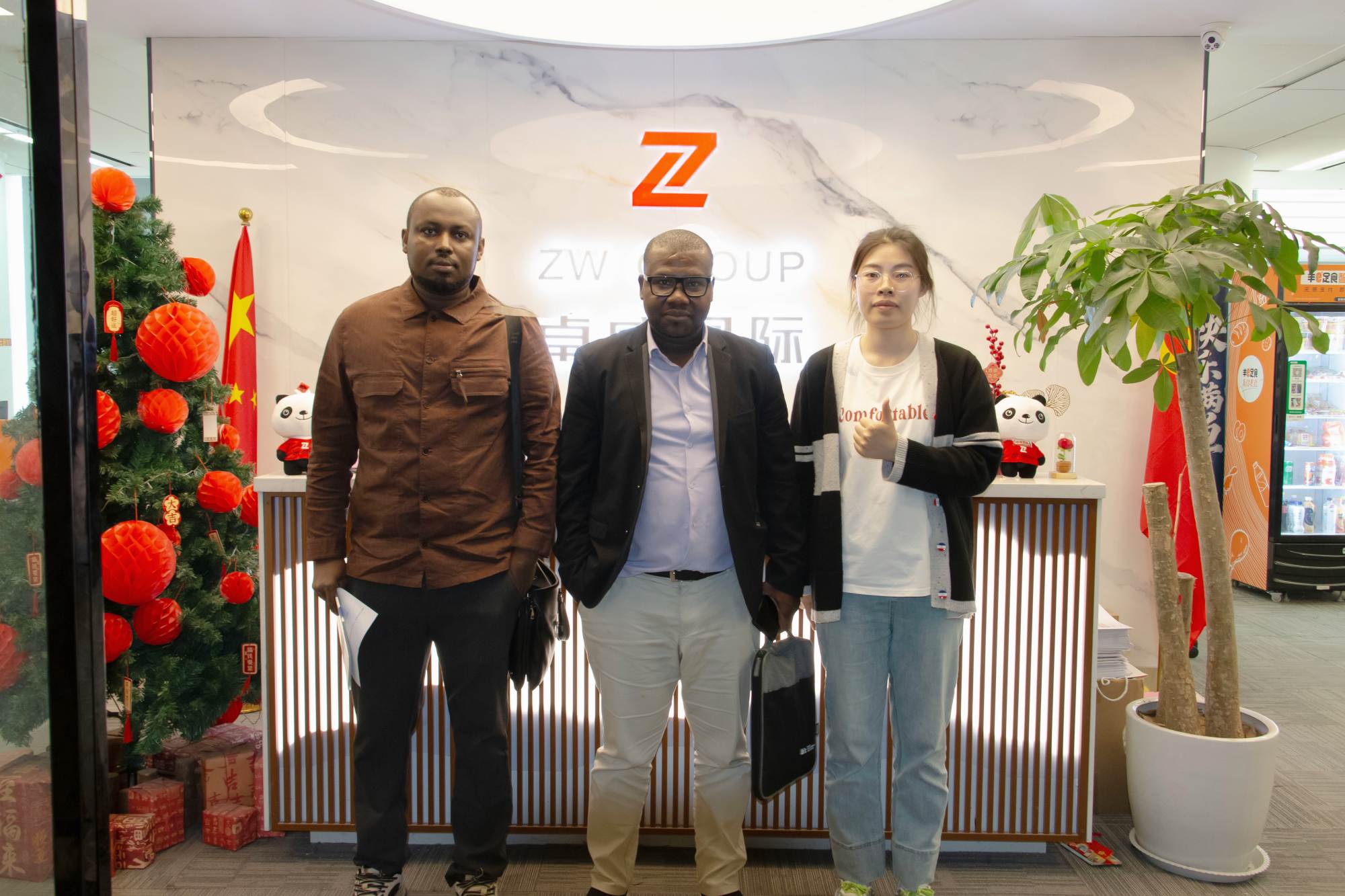
When a transport business in Mali needed reliable equipment for demanding routes, it turned to ZW Group for a Flatbed Trailer & Shacman Truck solution built for performance and value. This choice was not only about buying vehicles, but also about securing durable transport equipment, responsive service, and long-term operational support. In this article, we explore why this Mali client chose ZW Group and what made the partnership a practical investment for its growing transportation needs.
Why would a transport company in Mali prioritize a combined flatbed trailer and truck solution?
For many transport operators in Mali, equipment selection is driven by route reality rather than showroom appearance. Cargo often moves across long-distance corridors, mixed road surfaces, construction zones, and high-temperature environments. In these conditions, a flatbed trailer and tractor truck combination must handle uneven loading, repetitive trips, and variable maintenance access over 200 to 800 kilometers at a time. That makes durability, load adaptability, and easy servicing more important than low upfront pricing alone.
A flatbed trailer is especially useful for businesses that carry construction materials, machinery, steel, bagged goods, containers, or agricultural inputs. Instead of limiting operations to one narrow cargo type, the operator gains a more flexible transport asset. For a growing fleet in Mali, this versatility can improve vehicle utilization across 4 to 6 working days per week, helping reduce idle time and spread operating costs over more billable trips.
The truck side of the combination matters just as much. A suitable Shacman truck is expected to deliver stable pulling power, practical fuel economy for regional transport, and enough structural strength for heavy-duty coupling work. When a buyer evaluates a transport package, the key question is not only whether the truck can move the load, but whether it can do so consistently over 12 to 24 months with manageable downtime and predictable service routines.
What operational pressures usually shape this decision?
Transport businesses in West Africa often balance several pressures at once: variable road quality, seasonal delivery demand, spare parts availability, and driver familiarity with the platform. A poor buying decision can create repeated stoppages, tire wear issues, overloaded axles, and delayed deliveries. These risks are not theoretical; they directly affect revenue per trip, customer retention, and the ability to quote competitively.
This is why buyers increasingly look for suppliers that can provide equipment matching, not just isolated units. When the flatbed trailer, fifth wheel compatibility, suspension setup, and truck pulling capacity are considered together, the result is usually a more balanced transport solution. This integrated approach is particularly valuable when the fleet intends to scale from 2 or 3 units toward a larger operational base.
In practical terms, the Mali client was not simply choosing a product. It was choosing a transportation partner able to support cargo efficiency, route stability, and long-term fleet planning. That wider value is often the real reason a business chooses a supplier like ZW Group.
- Flexible cargo handling for steel, equipment, pallets, machinery, and building materials.
- Better use of fleet assets across multiple delivery scenarios instead of a single cargo niche.
- More predictable maintenance planning when truck and trailer are matched from the start.
- Lower operational disruption when spare parts and technical communication are available through one source.
What did the Mali client likely evaluate before choosing ZW Group?
Serious transport buyers usually compare more than brochure specifications. They ask whether the trailer frame is suitable for repetitive heavy cargo, whether the truck can maintain steady performance under full working load, and whether after-sales communication will remain responsive after delivery. In many cases, the decision is shaped by total operating practicality over 1 to 3 years rather than by the purchase invoice alone.
ZW Group’s appeal in such cases often comes from its ability to combine product supply with solution thinking. A buyer needs guidance on axle arrangement, deck configuration, suspension preference, tire options, and truck-trailer matching. If the supplier can answer those questions clearly and adapt recommendations to route demands, confidence rises. For a buyer in Mali, that type of support may carry as much weight as the hardware itself.
Another important factor is communication efficiency. Cross-border equipment procurement involves specification review, production confirmation, shipping coordination, and post-delivery support. If replies are slow or unclear, the buyer faces unnecessary risk. A supplier that can move from inquiry to technical clarification within a few business days and keep the process transparent is often preferred over one that only competes on headline price.
Which decision criteria usually matter most?
The following table summarizes the most common criteria a transport company may review when selecting a flatbed trailer and truck supplier for West African routes. These points are highly relevant for understanding why a Mali client would make a deliberate supplier choice instead of simply buying the cheapest available equipment.
This comparison shows why supplier choice is really a transport risk-management decision. Buyers in Mali and similar markets are looking for operational continuity. A supplier that understands load behavior, route demands, and after-sales expectations is more likely to win trust than one offering only basic transactional support.
How does supplier responsiveness influence buyer confidence?
In heavy transport procurement, delays often start before the vehicle is even delivered. Misunderstood specifications, unclear lead times, and incomplete parts discussions can create weeks of unnecessary friction. By contrast, a supplier that clarifies axle loading, deck dimensions, tire preferences, and shipping milestones early helps the buyer plan fleet deployment with fewer surprises.
For a company trying to meet contract schedules, even a 7 to 14 day planning advantage can matter. Equipment that arrives with better preparation is easier to commission, easier to assign to a route, and less likely to create confusion between drivers, mechanics, and operations managers.
That is one of the reasons transport buyers often prefer a partner relationship over a one-time sale. ZW Group’s value in this context is tied to how well it supports the full buying path, from consultation through delivery and later maintenance coordination.
How did product matching strengthen the value of this purchase?
A flatbed trailer performs best when the towing truck is selected with the actual cargo profile in mind. If the business expects machinery, steel, cement pallets, or long construction materials, then traction, engine power, coupling stability, and braking harmony all become important. A well-matched setup reduces avoidable mechanical stress and improves route reliability across repeated heavy-haul cycles.
In the middle of this solution discussion, a model such as Shacman F3000 6X4 400HP Tractor Truck naturally fits the buyer profile of companies seeking a practical heavy-duty tractor for regional transport work. For fleets operating in demanding conditions, a 6x4 drivetrain and 400HP class configuration generally align with the need for pulling strength, load adaptability, and stable performance over medium to long routes.
What matters here is not the nameplate alone but how the truck complements the trailer’s role. When the tractor unit is appropriately matched, operators can improve loading confidence, reduce excessive strain during starts and climbs, and support more stable trip planning. That directly affects turnaround rhythm, especially when vehicles are scheduled for multiple trips per week.
What should buyers compare when matching a tractor truck with a flatbed trailer?
Before making a purchase, transport operators should compare configuration logic rather than isolated specifications. The table below highlights key matching points that often determine whether a truck and trailer combination will deliver long-term value in freight transport operations.
This kind of matching review helps buyers avoid a common mistake: selecting a capable trailer but pairing it with a truck configuration that does not fully support the real route profile. In transport work, imbalance usually shows up later through slower trip cycles, excessive wear, or higher maintenance frequency.
Why is a solution-based purchase more effective than buying units separately?
Buying truck and trailer separately can appear flexible, but it can also create hidden compatibility issues. If the buyer must coordinate multiple suppliers, responsibility becomes fragmented when technical problems arise. A solution-based purchase reduces that gap because the supplier can recommend a more coherent setup from day one.
For a Mali client working in a practical, time-sensitive transport environment, that means fewer unanswered questions. It also means easier deployment once the equipment arrives. In many cases, a 1-stop consultation process saves more time than a lower purchase price from disconnected sources.
This is one of the reasons the transport sector increasingly values suppliers that can discuss application, loading pattern, and route behavior in concrete terms. Equipment works best when chosen as a working system, not as an isolated product line.
What common mistakes should buyers avoid when sourcing transport equipment for Mali?
One common mistake is focusing too heavily on purchase price while underestimating operating conditions. A lower-cost trailer may look attractive initially, but if it requires frequent welding, suspension attention, or tire replacement after a short service period, the real cost rises quickly. In freight transport, unplanned downtime can erase savings within a few months.
Another mistake is ignoring cargo variety. Some buyers assume today’s main load will remain the same for the next 24 months, then later discover they need to transport different dimensions or materials. A well-selected flatbed trailer should support a reasonable range of applications so the asset remains useful as customer demand changes.
A third issue is incomplete discussion about service support. Even reliable equipment requires maintenance. Buyers should confirm what consumables are commonly needed, how replacement parts are identified, and what information the supplier can provide if a mechanical issue appears after delivery. Good support does not eliminate maintenance, but it can significantly shorten disruption time.
Which warning signs should a buyer watch for?
- Specifications are vague and do not clearly explain axle, suspension, or structural details.
- The supplier cannot explain how the truck and trailer should be matched for real cargo conditions.
- Lead time, shipping process, or documentation steps remain unclear after the initial quotation.
- No practical discussion takes place about spare parts, maintenance intervals, or service communication.
These warning signs do not automatically mean the equipment is unsuitable, but they do suggest that the buyer may not be receiving the level of technical support needed for a confident purchase. In heavy transport, lack of clarity usually becomes expensive later.
For this reason, buyers in Mali often favor partners that respond with detailed answers and realistic recommendations. A supplier that understands route stress, loading patterns, and maintenance realities is better positioned to deliver useful advice before and after the order is placed.
How can a buyer judge long-term value instead of just upfront cost?
Long-term value in transport equipment comes from a balance of durability, utilization, fuel-conscious operation, and manageable service needs. A truck and trailer that stay productive over hundreds of working hours per month usually offer better business value than a cheaper option with repeated interruptions. The real metric is cost per completed trip, not cost per invoice line.
Buyers should estimate value through practical questions: how many trips can the unit complete in a typical week, how often will routine maintenance be needed, how flexible is the trailer for different cargo, and how quickly can issues be addressed if parts are required? Even rough planning over a 6 to 12 month period gives a more realistic picture than a simple price comparison.
This is where the ZW Group approach becomes relevant. If the supplier helps the buyer choose a balanced configuration and supports the procurement process with clear communication, the transport company can make a decision based on operating logic rather than guesswork. That lowers uncertainty, especially for businesses trying to grow steadily rather than take unnecessary procurement risks.
What questions should be asked before placing the order?
Before confirming any flatbed trailer and truck purchase, it is useful to summarize the decision through a final FAQ-style checklist. This helps transport operators avoid omissions and improve alignment between business needs and equipment selection.
This checklist turns a general inquiry into a disciplined purchase decision. For transport companies in Mali, the most successful equipment investments are usually those backed by clear route planning, realistic load expectations, and supplier communication that continues beyond shipment.
Why choose us for your flatbed trailer and truck sourcing needs?
If you are evaluating a flatbed trailer and Shacman truck solution for Mali or similar transport markets, we focus on the issues that matter most in real operation: cargo type, route condition, configuration matching, delivery timing, and practical support after purchase. We aim to help buyers reduce uncertainty before they commit, not after problems appear.
You can contact us to discuss parameter confirmation, product selection, expected delivery cycle, custom configuration options, spare parts planning, and quotation details. If your business is comparing several transport equipment options, we can also help review whether the proposed truck and flatbed trailer combination suits your working load and route frequency.
For the next step, share your target cargo, estimated payload range, preferred trailer type, route distance, and timeline. With that information, we can provide a more practical recommendation for vehicle matching, lead time planning, and solution discussion tailored to your transportation needs.
Please give us a message
Our engineers help you choose the right truck or trailer based on:
- Your cargo type
- Road condition
- Payload requirement
- Local regulations