
Why Sierra Leone Clients Choose ZW Group for HOWO Dump Trucks?

When a dump truck is expected to work through wet access roads, uneven haul routes, quarry approaches, or congested construction sites, the purchasing decision is not only about the truck’s rated load. In Sierra Leone, downtime can quickly affect material delivery, crew scheduling, fuel use, and the ability to complete daily trips. A truck that looks suitable on paper may still be a poor fit if its axle configuration, body specification, spare-parts planning, or export preparation does not match the actual working environment.
That is why Sierra Leone clients may choose ZW Group for HOWO Dump Trucks: the decision is usually driven by practical sourcing needs rather than a single advertised feature. Buyers need a supplier that can help clarify the intended application, align the truck configuration with road and load conditions, prepare the vehicle properly for export, and communicate clearly before shipment. For operators handling aggregates, laterite, excavated soil, mining materials, or construction debris, this process can reduce the risk of receiving equipment that is difficult to put into service or costly to operate.
The purchase question usually starts with the jobsite, not the model name
A HOWO dump truck can be used in several demanding transport roles, but not every configuration suits every route. A contractor moving sand from a stockpile to an urban project faces different conditions from a mining operator moving heavy material over unpaved roads. The first operation may prioritize maneuverability and a practical body size. The second may require stronger traction, a more robust suspension arrangement, and attention to load distribution.
Before selecting a truck, buyers need to define the working cycle in plain operational terms:
- What material will be carried: loose soil, crushed stone, sand, ore-bearing material, demolition waste, or another bulk load?
- How dense is the material, and is there a risk of overloading the body volume?
- Will the truck operate mainly on paved roads, graded site roads, steep tracks, or mixed surfaces?
- How long is a typical haul, and how many loading and dumping cycles are expected in a shift?
- Are loading points tight, muddy, or uneven?
- Will local workshops be responsible for routine maintenance from the start?
These questions influence the choice between common multi-axle layouts, the desired dump-body volume, tire specification, and the balance between payload capacity and site mobility. A supplier that addresses these details early is more useful than one that only provides a general truck quotation.
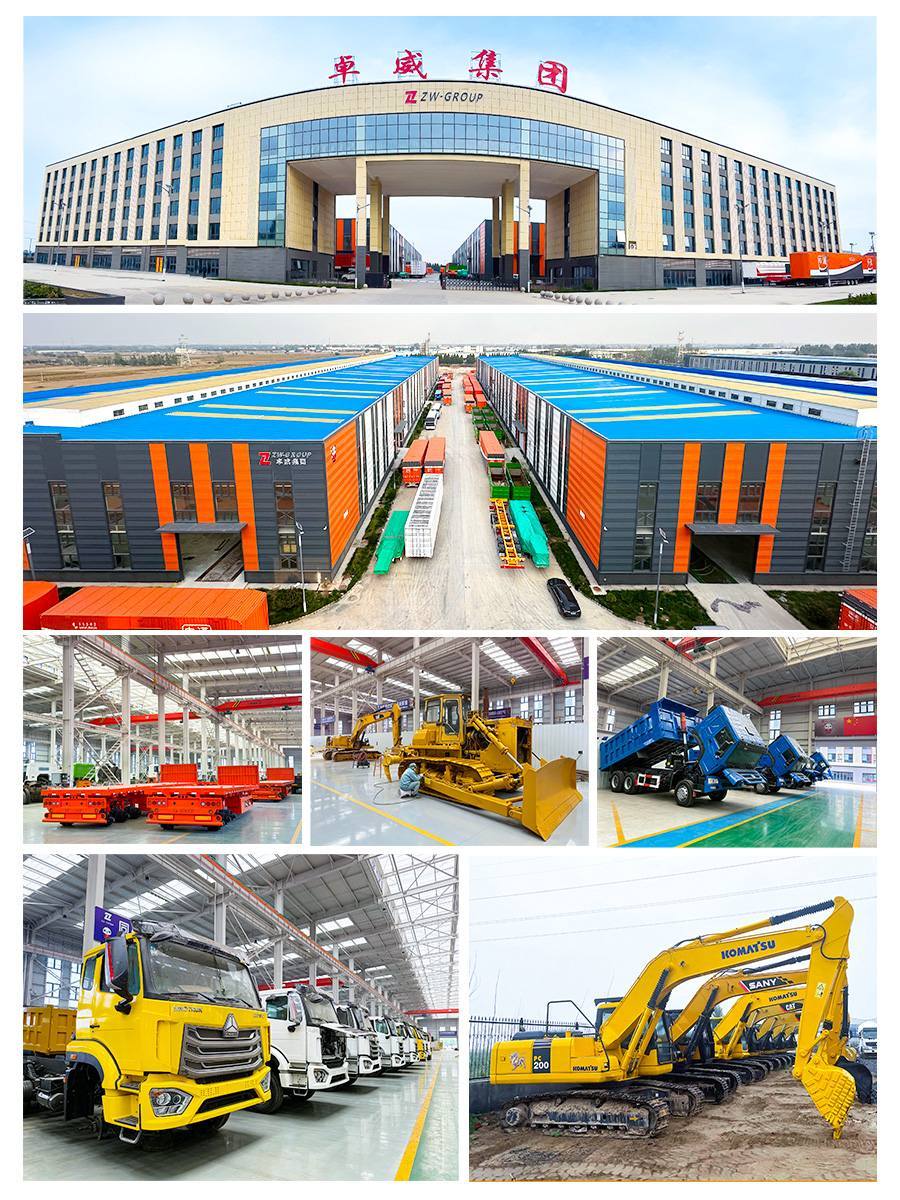
Configuration support matters where road conditions change quickly
Road and site conditions can vary sharply within the same transport route. A truck may leave a paved road, pass through a rough access track, queue under a loader, then reverse onto soft ground for dumping. In that situation, engine power alone does not determine productivity. Axle layout, final-drive suitability, tires, suspension condition, braking performance, and body design all affect whether the truck can maintain a stable working rhythm.
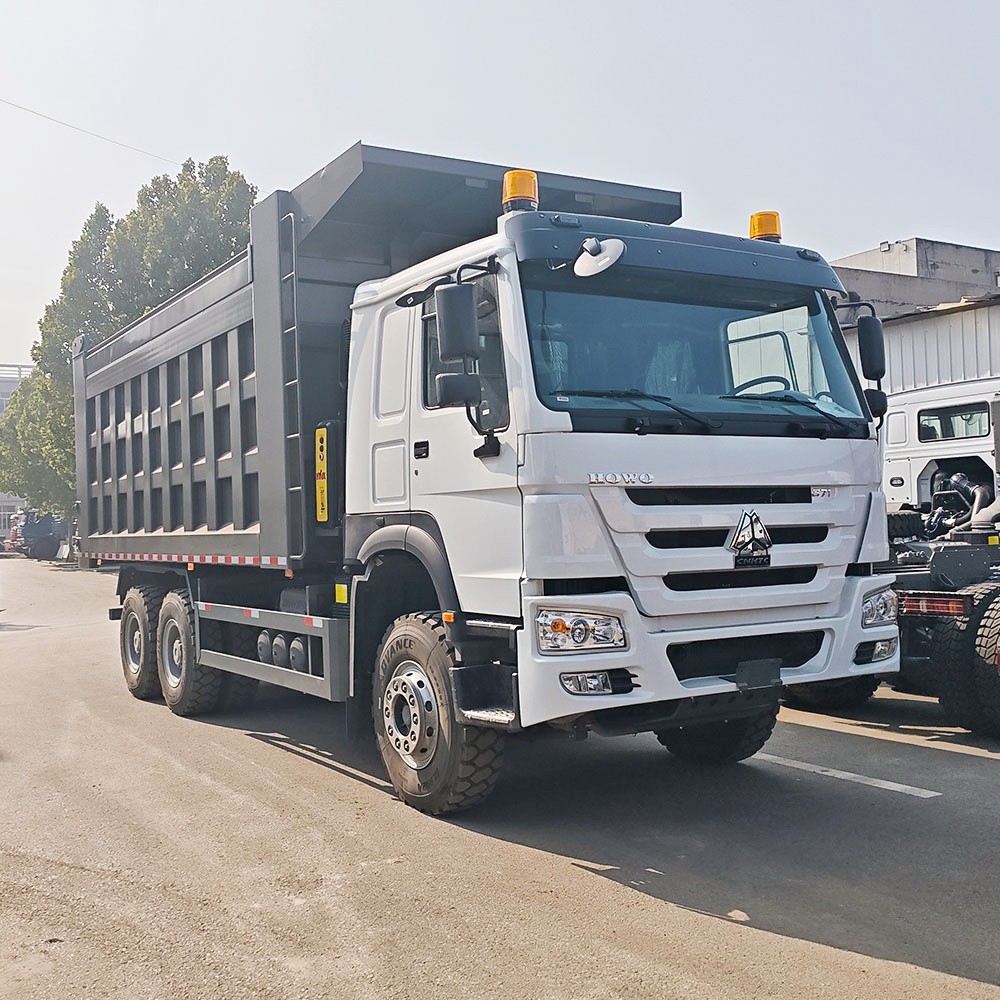
HOWO Dump Trucks are commonly considered for heavy-duty transport because they can be configured for demanding hauling applications. However, the buyer should avoid treating “HOWO” as a complete specification. The correct truck must still be matched to the work.
Choosing the axle arrangement
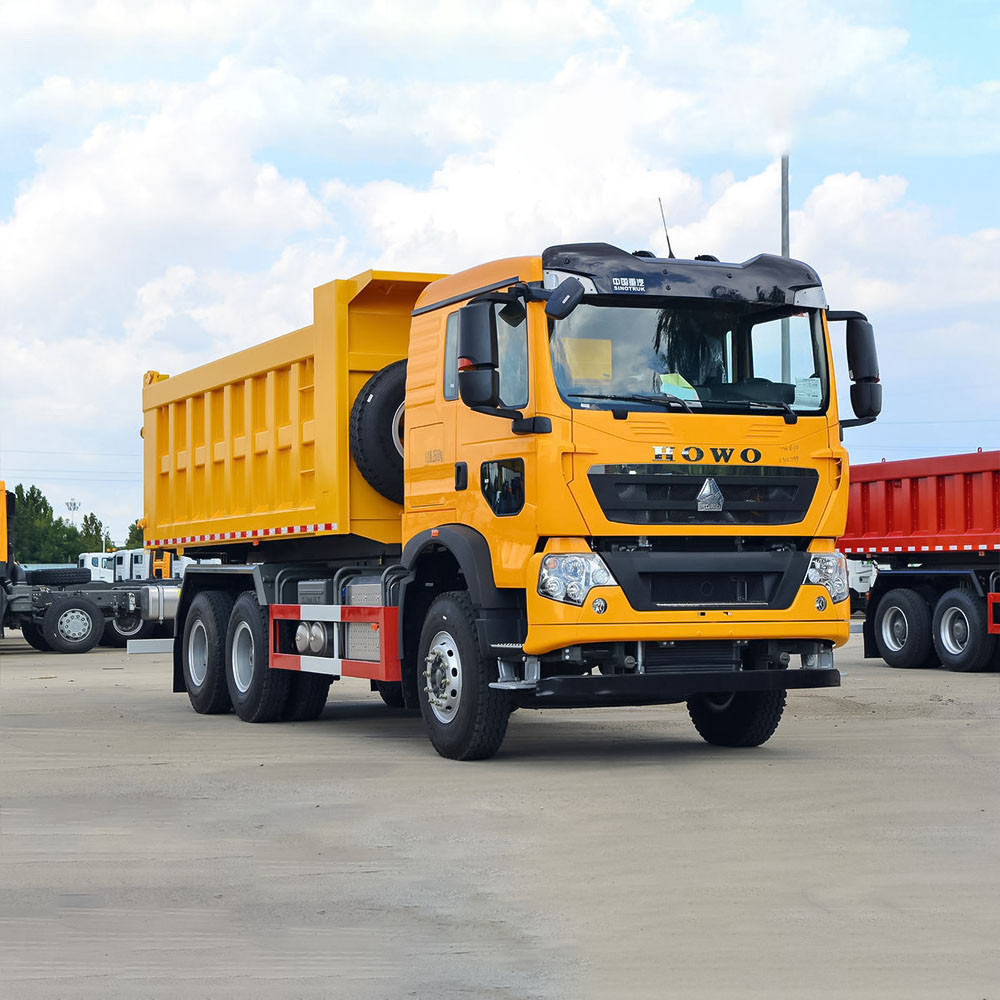
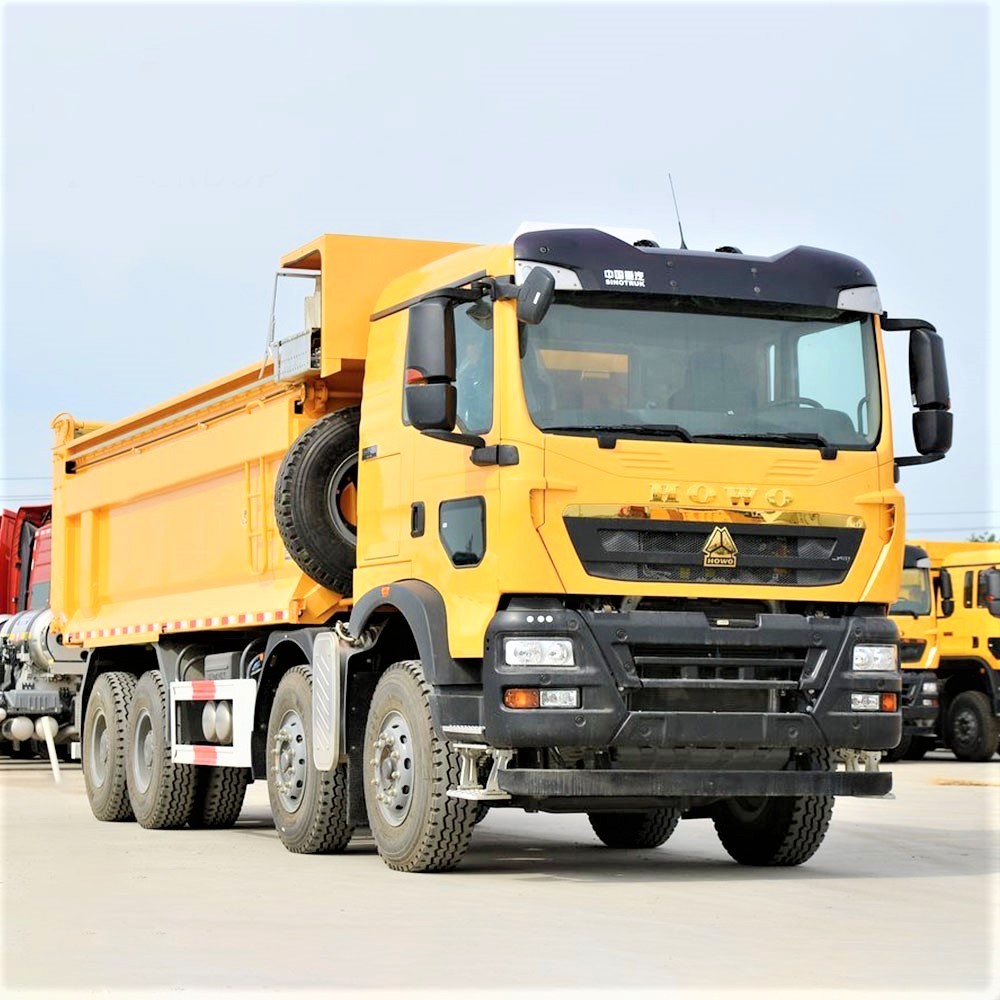
A 6x4 dump truck is often considered where operators need a balance of payload capability, road operation, and maneuverability. It can be suitable for many construction-material and medium-to-heavy hauling duties when routes are reasonably maintained. A 8x4 arrangement may be considered where legal operating conditions, site layout, and route quality support a larger payload and additional axle capacity. It can be useful for higher-volume material movement, but it also requires sufficient turning space and suitable road conditions.
Where traction is a frequent concern, buyers should discuss the actual ground condition rather than assuming that a larger truck automatically performs better. Soft or deeply rutted routes can change the practical value of a particular axle layout. Vehicle choice should account for whether the truck must repeatedly start under load on loose surfaces, climb grades after loading, or reverse to an unstable dumping area.
Matching body volume to material density
One of the most costly mistakes in dump-truck purchasing is selecting a large body without considering what will fill it. Light, loose material may require more volume. Dense aggregate, wet soil, or mineral-bearing material can reach a safe operating weight before the body appears full. The result is repeated overload pressure on tires, suspension components, drivetrain parts, and braking systems.
It is more useful to specify the material and expected loading method than to request the largest possible body. Body floor thickness, side-wall construction, tailgate arrangement, and reinforcement requirements should reflect the abrasive or impact-heavy nature of the load. Crushed rock and large material can demand different body durability considerations from sand or screened soil.
Why export readiness affects the real cost of a truck
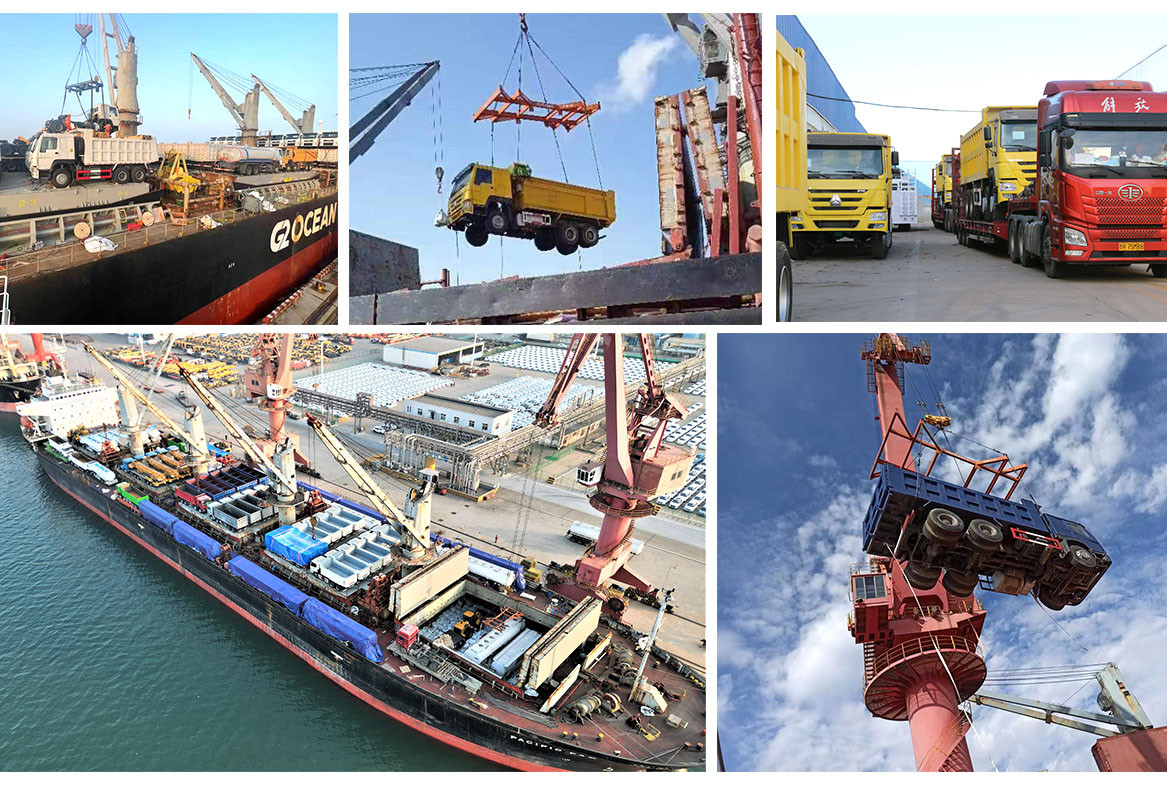
A dump truck purchase does not end when the unit is selected. The vehicle must arrive with the expected configuration, necessary documentation, shipment arrangements, and a clear understanding of what the buyer will need to inspect before operation. Delays or mismatches at this stage can leave a truck parked while a project is already consuming labor and equipment costs.
ZW Group can be a relevant option for buyers seeking HOWO Dump Trucks because export coordination is part of the practical sourcing requirement. For an overseas buyer, communication should cover more than a basic price. It should include confirmation of the requested vehicle specification, visible condition or production details where applicable, shipment preparation, and the documents required for the destination process.
Before confirming an order, purchasers should request written confirmation of the main configuration points. This is particularly important when a truck will be used in a remote area, where correcting a mismatch after delivery may take time.
Written specification confirmation protects both the buyer and supplier. It also gives the buyer a practical record for site managers, technicians, and logistics staff who may not have participated in the original procurement discussion.
A durable truck still needs a workable maintenance plan
Heavy hauling puts continuous stress on components that may receive little attention during the purchase stage. The best time to discuss maintenance is before the truck is shipped, especially when the planned operation is far from major repair facilities. Clients often evaluate a supplier not only by the initial truck offer but by how clearly the supplier helps them identify routine service needs and commonly replaced parts.
Daily operation can expose weaknesses quickly. Dust affects air-filtration performance. Mud and water can accelerate wear around chassis components. Repeated loading and dumping increase demands on the hydraulic system. Long downhill sections place more reliance on braking discipline and regular inspection. None of these conditions is unique to one truck brand, but they are especially important when a dump truck is expected to run on intensive cycles with limited spare equipment available.
For a HOWO dump truck fleet, a sensible pre-delivery discussion should include filters, belts, brake-related service items, electrical consumables, suspension components, hydraulic-system maintenance items, and tires. The appropriate spare-parts selection depends on the truck configuration and local support capacity. Ordering every possible component is not efficient, but relying on no start-up stock can create avoidable downtime when routine wear appears.
Service preparation should follow the operating cycle
A truck working short, repeated quarry runs may accumulate wear differently from one making longer road hauls. The quarry unit may face more dust, impacts, braking events, and dumping cycles. The road-haul unit may place greater emphasis on tire condition, cooling performance, fuel management, and scheduled inspections between longer trips.
Operators should establish a simple routine from the first week of service: inspect fluid levels, check for hydraulic leaks, monitor tire damage and pressure, examine visible chassis fasteners, test lights and warning functions, and look for unusual changes in steering, braking, or lifting response. These are basic actions, but they help identify small faults before they interrupt a loaded haul.
Clear communication is often the deciding factor in overseas procurement
Buying a heavy truck across borders involves technical terms, production details, shipping arrangements, and operational assumptions that can easily be misunderstood. A buyer may say “heavy-duty body” while expecting a particular floor thickness. A supplier may hear “off-road use” without knowing whether the truck will regularly climb loaded slopes or simply travel on an unpaved yard. The result can be a truck that is broadly acceptable but poorly optimized for the actual assignment.
Clients may prefer ZW Group when communication is focused on resolving these details before dispatch. Useful supplier communication does not mean making broad promises about performance. It means asking relevant questions, confirming answers in a usable format, and identifying points that still require buyer decisions.
For example, a productive quotation discussion should clarify whether the truck will be loaded by excavator or wheel loader, whether material contains large rock pieces, whether the route includes public-road travel, and whether a local workshop can handle standard servicing. These details make it easier to evaluate body design, tire selection, protective equipment, and the level of spare-parts preparation needed.
Where buyers can make the wrong comparison
It is tempting to compare dump trucks only by headline payload, engine output, or purchase price. Those figures matter, but they do not reveal whether the truck is appropriate for the route. A lower-priced unit can become expensive if it is frequently overloaded because the body is too large for dense material, if it loses time in poor ground conditions, or if routine parts are difficult to organize. Conversely, an oversized configuration may add cost and reduce maneuverability without improving the actual hauling cycle.
Another weak comparison is assuming that a truck prepared for one material will perform equally well with another. Sand, laterite, quarry stone, wet clay, and mixed demolition debris place different demands on the dump body and loading process. Buyers should describe the load honestly, including whether it is frequently wet, abrasive, oversized, or likely to stick inside the body during discharge.
Dumping conditions deserve equal attention. A stable truck can still become unsafe when raised on uneven ground, on a side slope, or when material is unevenly distributed. Site supervisors should provide a level dumping area where possible, avoid raising the body in strong side winds or unstable terrain, and ensure that operators understand the risks of moving with the body elevated. These operational controls protect equipment and workers regardless of the chosen truck specification.
How to assess whether the supplier is a suitable fit
Rather than asking only, “What is the best dump truck?”, buyers can make a stronger decision by asking whether the supplier can support a clear, job-specific order. The following signs are useful during the evaluation stage:
- The supplier asks about material type, route condition, loading method, and expected duty cycle.
- The proposed HOWO Dump Truck specification is explained in relation to the intended work, not presented as a one-size-fits-all answer.
- Key configuration details are confirmed before shipment rather than left as verbal assumptions.
- Export documentation and shipment preparation are discussed early enough for the buyer to plan arrival procedures.
- Routine maintenance items and reasonable initial spare-parts needs can be identified based on the selected configuration.
- Questions about limitations, operating conditions, or required buyer-side preparation receive direct answers.
This approach is especially valuable when the truck will be deployed immediately after arrival. Procurement teams, fleet managers, and project engineers may have different priorities, but all benefit from a specification that reflects real work conditions rather than a generic description.
Questions buyers often raise before ordering
Is a larger dump body always better for Sierra Leone hauling work?
No. Body size should be matched to the density and behavior of the material. A large-volume body can be appropriate for lighter bulk materials, while dense aggregate or wet soil may create overload risk before the body is full. The loading equipment and route conditions should also be considered.
What information should be provided when requesting a HOWO dump truck quotation?
Provide the main material to be carried, estimated load conditions, typical route surface, terrain, desired axle arrangement if known, expected daily use, loading method, and any body requirements. It is also helpful to state whether the truck will operate primarily on site, on mixed roads, or in a mining environment.
Should spare parts be ordered with the truck?
It is usually sensible to plan for routine service items and components that may be difficult to obtain quickly in the operating area. The exact list should match the final truck specification and the capabilities of the local maintenance team. A parts plan should support normal operation without becoming an unfocused stock purchase.
What should be checked when the truck arrives?
Verify that the received vehicle matches the confirmed specification, inspect visible transport-related condition, review supplied documents, check fluid levels and basic functions, and carry out a controlled commissioning inspection before placing the truck into full-load service. The hydraulic lifting system, brakes, tires, lights, and steering should all be checked as part of initial preparation.
Please give us a message
Our engineers help you choose the right truck or trailer based on:
- Your cargo type
- Road condition
- Payload requirement
- Local regulations