
Why Nigerian Customers Choose ZW for HOWO Dump Trucks

Why Nigerian Buyers Keep Turning to ZW for HOWO Dump Trucks
In Nigeria, a dump truck is not judged by brochure language. It is judged by how it behaves on bad haul roads, under overload pressure, during long duty cycles, and in environments where downtime quickly turns into lost money. That is the real reason the search around HOWO dump trucks is not just about brand recognition. It is about whether a truck can survive local operating conditions and still make economic sense over time.
For many buyers, ZW has become part of that decision. The appeal is not simply that HOWO dump trucks are widely known in African commercial vehicle markets. It is that they sit in a useful middle ground: rugged enough for construction and quarry work, familiar enough for local maintenance networks, and usually priced in a way that makes fleet expansion or replacement more realistic than premium alternatives.
What Nigerian Customers Are Really Buying
When a Nigerian contractor, dealer, or fleet owner asks about HOWO dump trucks through ZW, the real question is rarely “What is this truck?” It is closer to “Will this truck earn its keep here?” That means the buying decision is shaped by a few practical tests.
First, the truck must carry heavy loads without behaving like a fragile machine. Second, it must keep running on roads that are often rough, congested, uneven, or partially developed. Third, spare parts and serviceability must be realistic, not theoretical. Fourth, fuel consumption must be controlled enough that the truck does not eat the margin it is meant to generate.
Those requirements matter more in Nigeria than in many markets because the operating environment is unforgiving. Haulage routes may shift between paved roads, construction sites, mine access roads, and short urban delivery cycles. A truck that looks acceptable in a showroom can become a liability if it is not suited to this mix.
Why HOWO Fits the Market Conversation
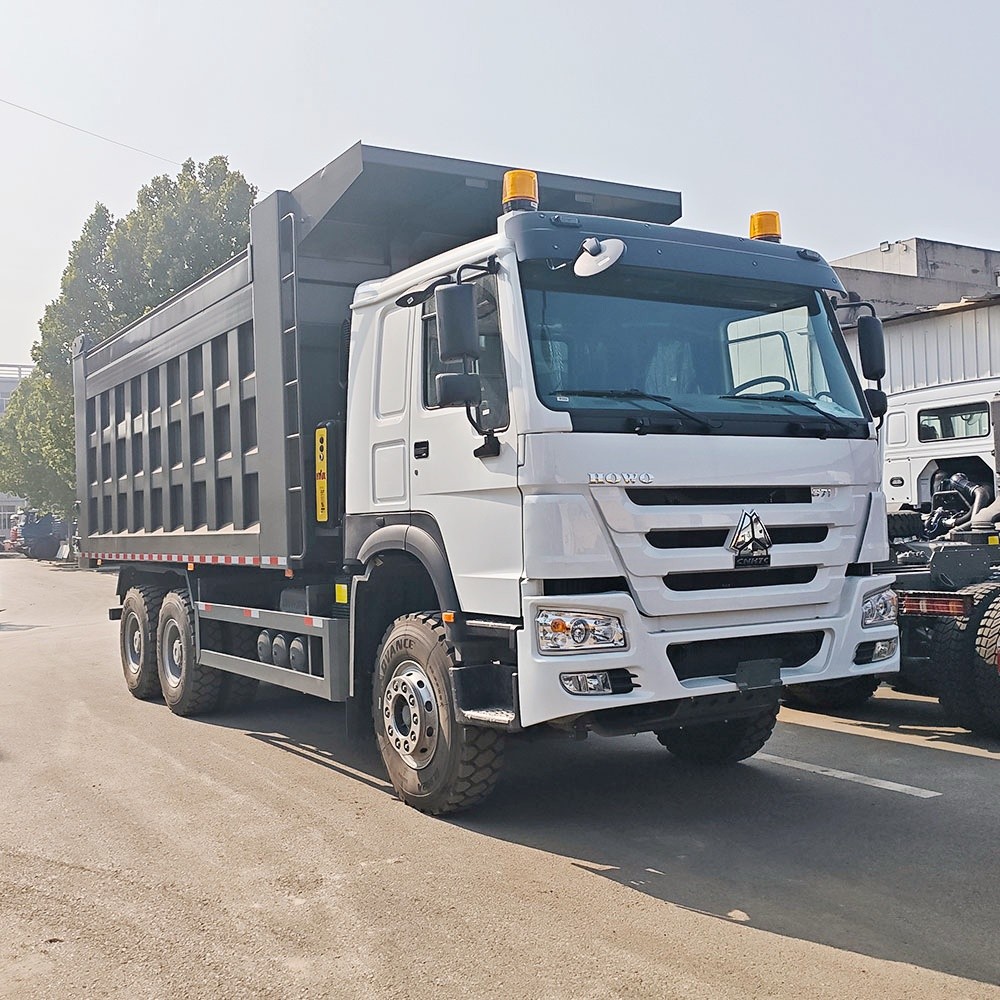
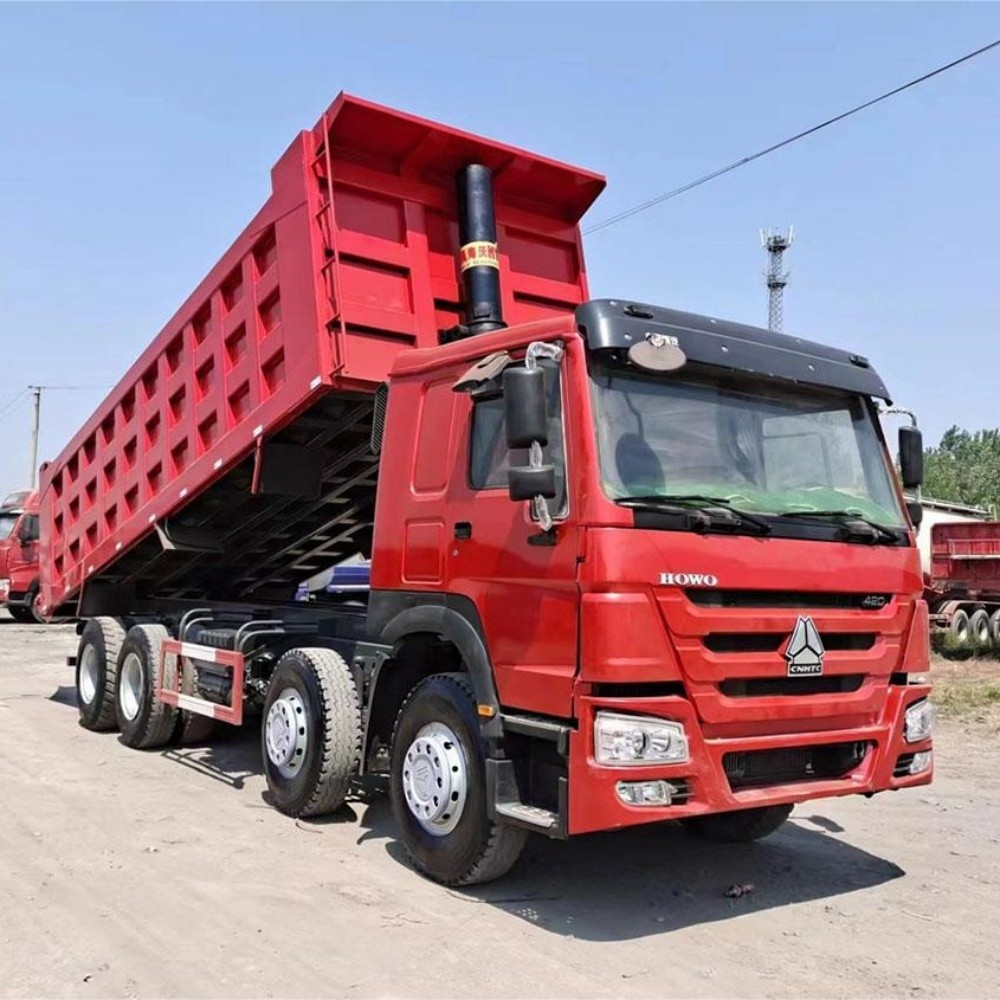
HOWO dump trucks are often considered because they have a reputation for straightforward heavy-duty work. For buyers in Nigeria, that reputation has practical value. It suggests a truck family built for load-moving, earthworks, sand and gravel transport, and infrastructure projects where the vehicle spends much of its life under strain.
That matters because many local buyers are not looking for the lightest or most refined truck. They want a unit that can take punishment, be repaired without excessive delay, and avoid the kind of complexity that makes every fault an import problem. In this sense, the HOWO proposition is less about luxury and more about operational tolerance.
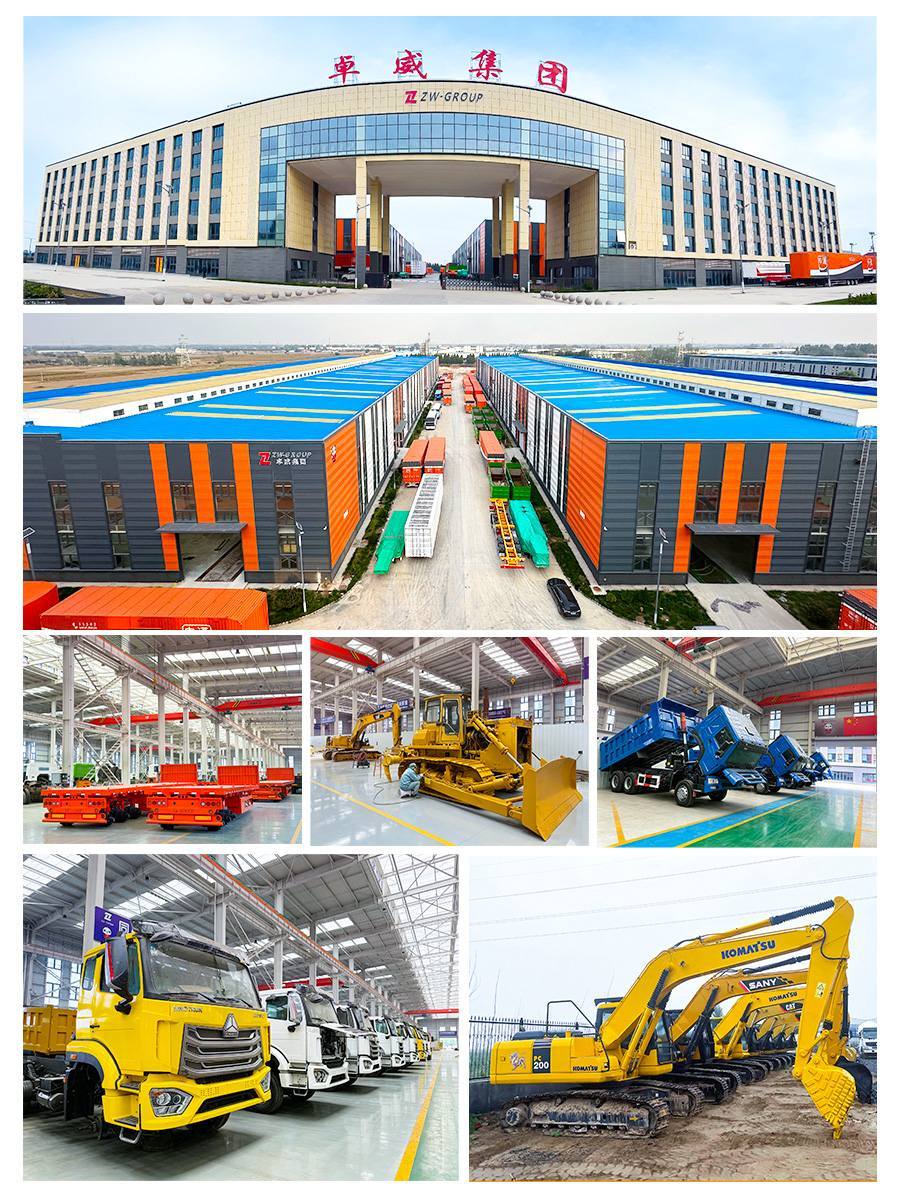
ZW’s role in the market is often interpreted through that lens. Buyers are not only comparing a truck model. They are comparing supply reliability, configuration support, after-sales practicality, and whether the purchase can be matched to the exact duty cycle they have in mind.
Why ZW Matters in the Buying Process
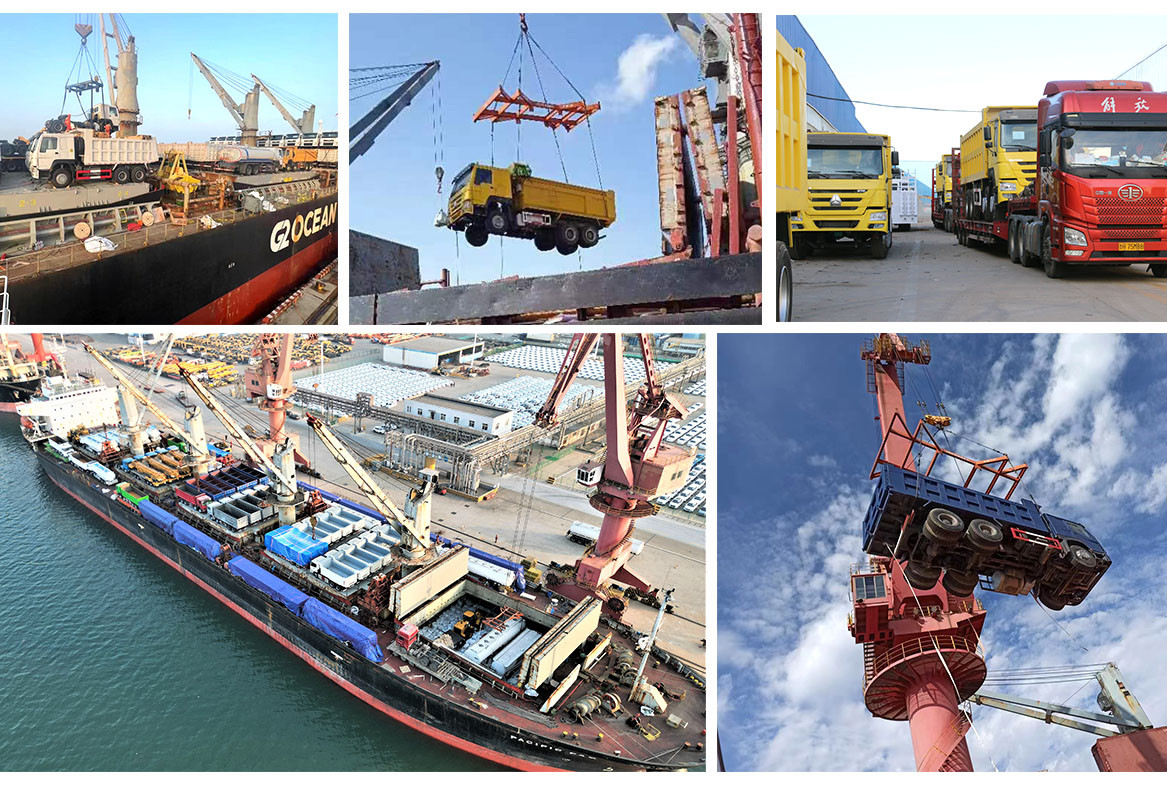
In many B2B vehicle purchases, the vehicle itself is only part of the transaction. The supplier determines how smoothly the truck enters service. That includes configuration advice, export handling, documentation, parts access, and whether the buyer receives something aligned to the actual job rather than a generic stock unit.
For Nigerian customers, this is especially important. A dump truck for highway construction is not necessarily the right truck for quarry work. A unit intended for sand transport in one region may need a different body setup, axle choice, or powertrain emphasis than a fleet operating near ports or industrial corridors. When the supplier understands those distinctions, the buyer reduces the risk of mismatched equipment.
This is where ZW is often evaluated. The value is not just in offering HOWO dump trucks, but in helping buyers navigate specification choices that affect long-term cost. In a market where many decisions are made under time pressure, that kind of guidance can be more useful than a low upfront quote.
What Buyers Usually Care About Most
Across Nigerian construction and logistics use cases, a few criteria come up repeatedly:
- Payload discipline: the truck must carry real-world loads without becoming mechanically fragile.
- Fuel economy: operating cost needs to stay manageable even when fuel prices move.
- Serviceability: maintenance should be practical for local workshops and mechanics.
- Parts availability: downtime becomes expensive fast if waiting for components.
- Durability under poor road conditions: frame, suspension, tires, and body all take punishment.
- Export and delivery reliability: delays at the procurement stage can disrupt project schedules.
None of these are unique to HOWO, but they are the criteria that determine whether the truck is a good fit. Buyers who focus only on horsepower or headline payload often miss the real cost drivers.
Where the Practical Advantages Show Up
In Nigerian use, the strengths of a HOWO dump truck usually become visible in three places.
The first is project uptime. A truck that starts reliably, hauls consistently, and tolerates rough loading conditions creates a better operating rhythm for contractors. That is especially important where projects are schedule-sensitive and where idle equipment directly affects cash flow.
The second is maintenance logic. A truck that can be serviced without highly specialized infrastructure is easier to keep in service. For many fleets, this is more important than having the most advanced onboard features.
The third is replacement economics. For owner-operators and fleet buyers alike, the question is not whether the truck is perfect. It is whether the truck’s lifetime operating cost is acceptable relative to the revenue it generates. That calculation often favors robust, commercially familiar platforms over more expensive alternatives.
Where the Assumptions Can Break Down
It is still a mistake to treat all dump trucks with the same nameplate as interchangeable. Buyers can run into problems if they assume a proven model automatically means a suitable configuration.
For example, a truck may be mechanically capable but still poorly matched if the body spec is wrong for the material being hauled. A construction fleet may need a different dump body thickness or reinforcement pattern than a quarry operation. Likewise, axle and suspension choices can affect stability, load handling, and repair frequency.
There is also a tendency to underestimate after-sales support. A truck can look attractive on paper but become expensive if the buyer cannot source consumables, common wear parts, or qualified service in a reasonable time. This is one reason the supplier relationship matters as much as the badge on the grille.
Another issue is overloading. Many commercial truck buyers know the temptation exists, but the economics are often misunderstood. Running beyond the intended payload may appear profitable in the short term, yet it can increase tire wear, brake stress, frame fatigue, and unscheduled downtime. In a market with tight margins, that can erase any advantage very quickly.
Questions Serious Buyers Should Ask
Before placing an order, Nigerian customers should be clear about the operating profile, not just the product label. The most useful questions are straightforward:
These questions are not administrative detail. They are the difference between buying a truck and buying an operating asset.
Why the Demand Stays Resilient
The Nigerian market continues to generate demand for heavy-duty dump trucks because infrastructure activity, construction growth, urban development, and resource movement all depend on dependable haulage. Even when capital budgets tighten, trucks that can produce revenue over a long service life remain in demand.
That is one reason the interest around ZW and HOWO dump trucks persists. The market does not reward fashion. It rewards machines that can work, be maintained, and keep generating output under difficult conditions. When buyers believe a truck can do that with reasonable total cost, it stays on the shortlist.
For many Nigerian customers, the final decision is therefore less about choosing a global brand in the abstract and more about choosing a truck that fits local reality. On that test, HOWO dump trucks continue to hold attention because they offer a practical balance of strength, serviceability, and commercial value. In a market where every transport decision has to stand up to hard use, that balance matters more than any polished promise.

Please give us a message
Our engineers help you choose the right truck or trailer based on:
- Your cargo type
- Road condition
- Payload requirement
- Local regulations