
Why Gabon Clients Choose ZW for Semi-Trailers and Used Dump Trucks?

A Gabon-based business considering ZW for a semi-trailer or used dump truck needs to separate two questions: whether the vehicle fits the job, and whether the supplier can document its condition and deliver it on workable terms. A suitable specification and a manageable purchase process can make a supplier worth considering; neither can be assumed from the name alone.
No independent customer interviews, transaction records or verified details of ZW’s inventory have been provided to establish why particular Gabon clients have chosen the company. The more useful question is therefore what would justify choosing ZW over another source. The answer depends on the transport task, the condition of the individual vehicle and the evidence available before payment.
The job determines which vehicle makes sense
A semi-trailer and a dump truck are not interchangeable purchases. A semi-trailer depends on a compatible tractor unit and is selected around the cargo, loading method and route. A dump truck carries and discharges bulk material from its own tipping body, making it relevant to work involving aggregates, soil or other loose loads.
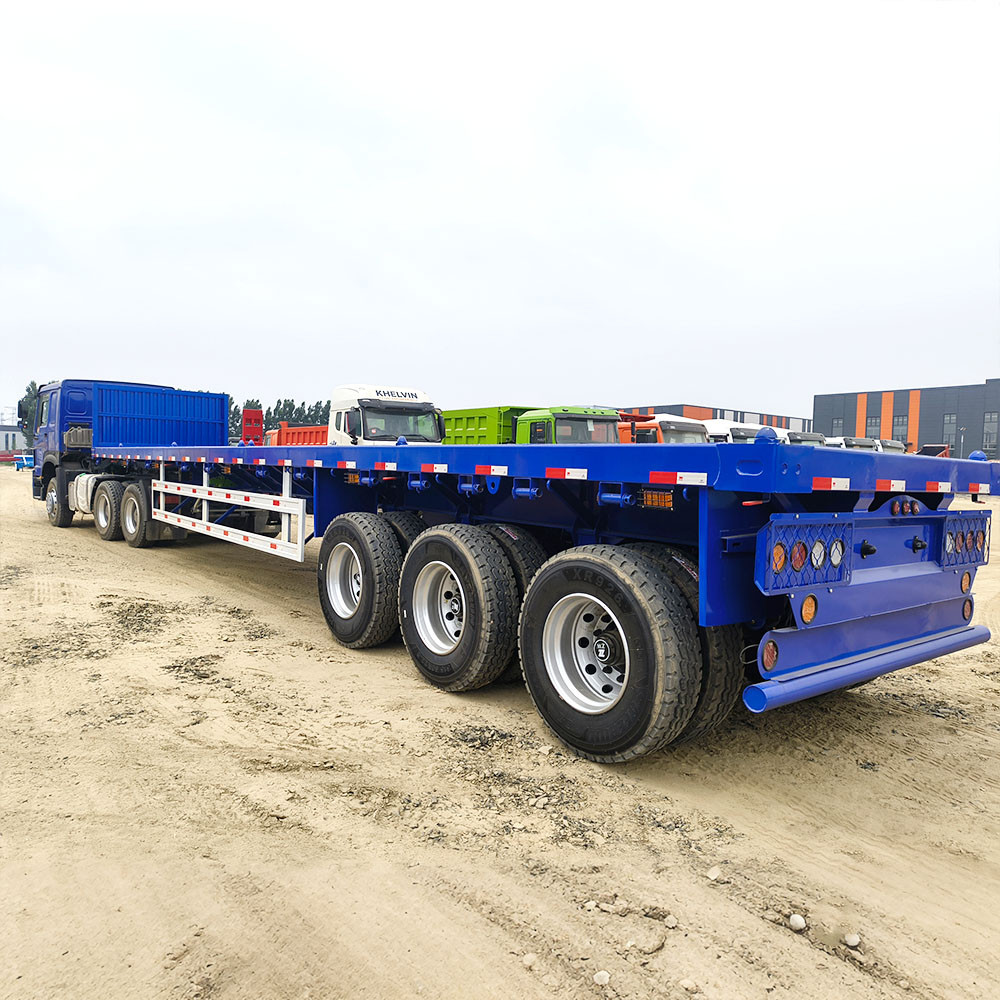
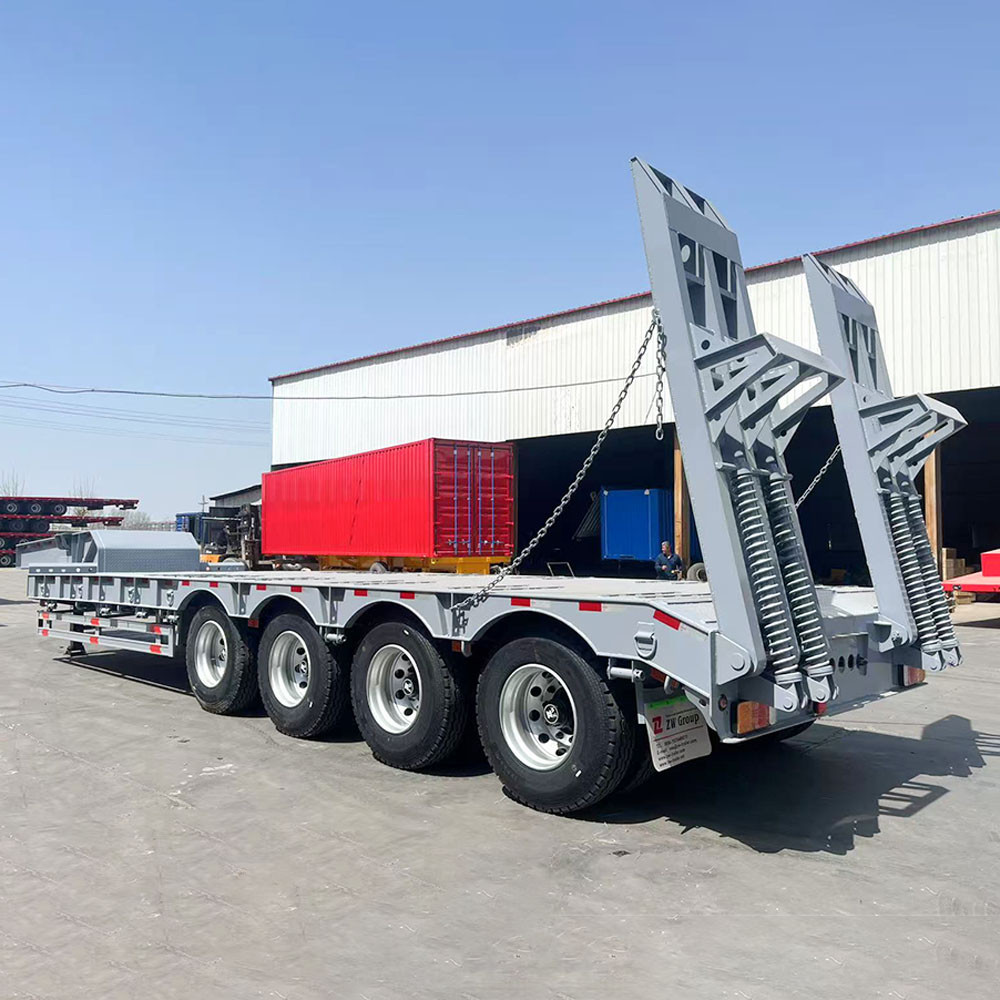
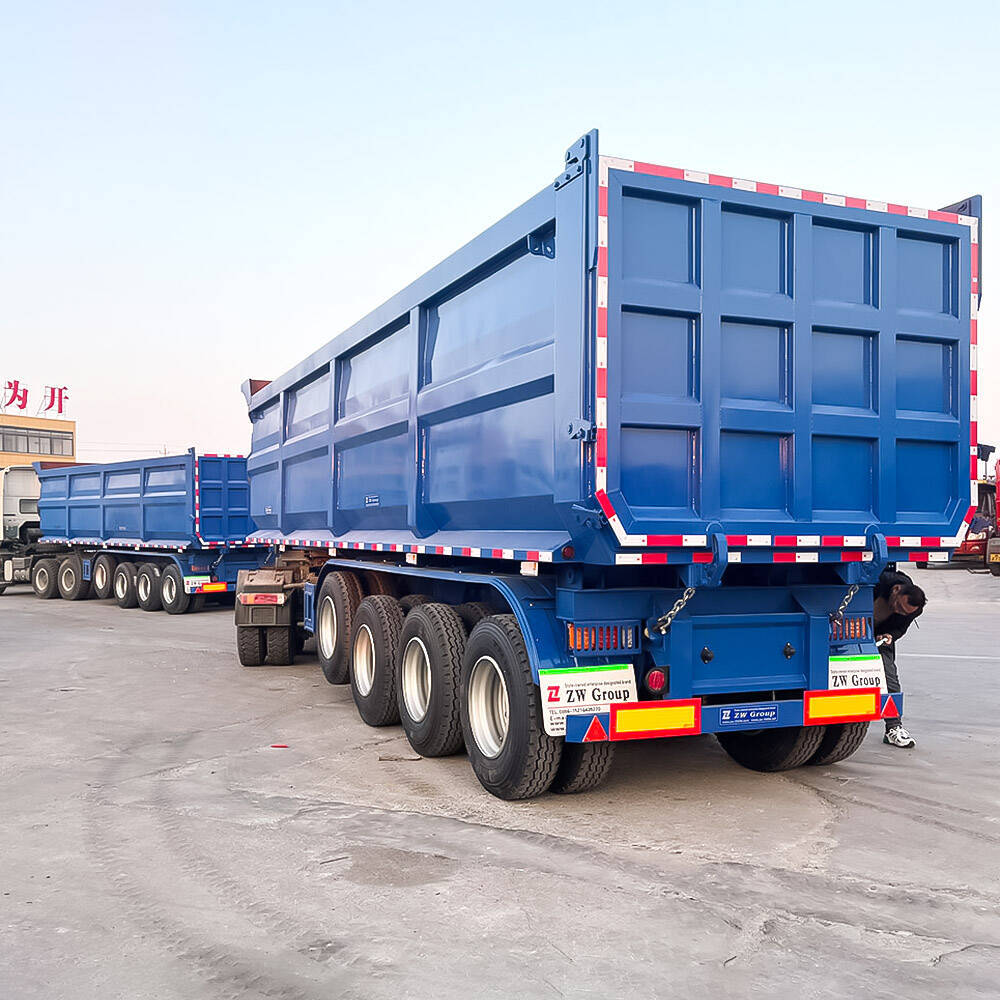
For a semi-trailer, the choice of body matters as much as the advertised payload. A flatbed provides flexibility for cargo that can be secured safely, while a low-bed trailer can suit machinery whose height or weight distribution makes a standard deck impractical. A tipping semi-trailer can carry loose material, but requires a suitable tractor and hydraulic arrangement. Buying a trailer type before confirming the tractor, loading equipment and unloading conditions can leave an apparently useful asset difficult to deploy.
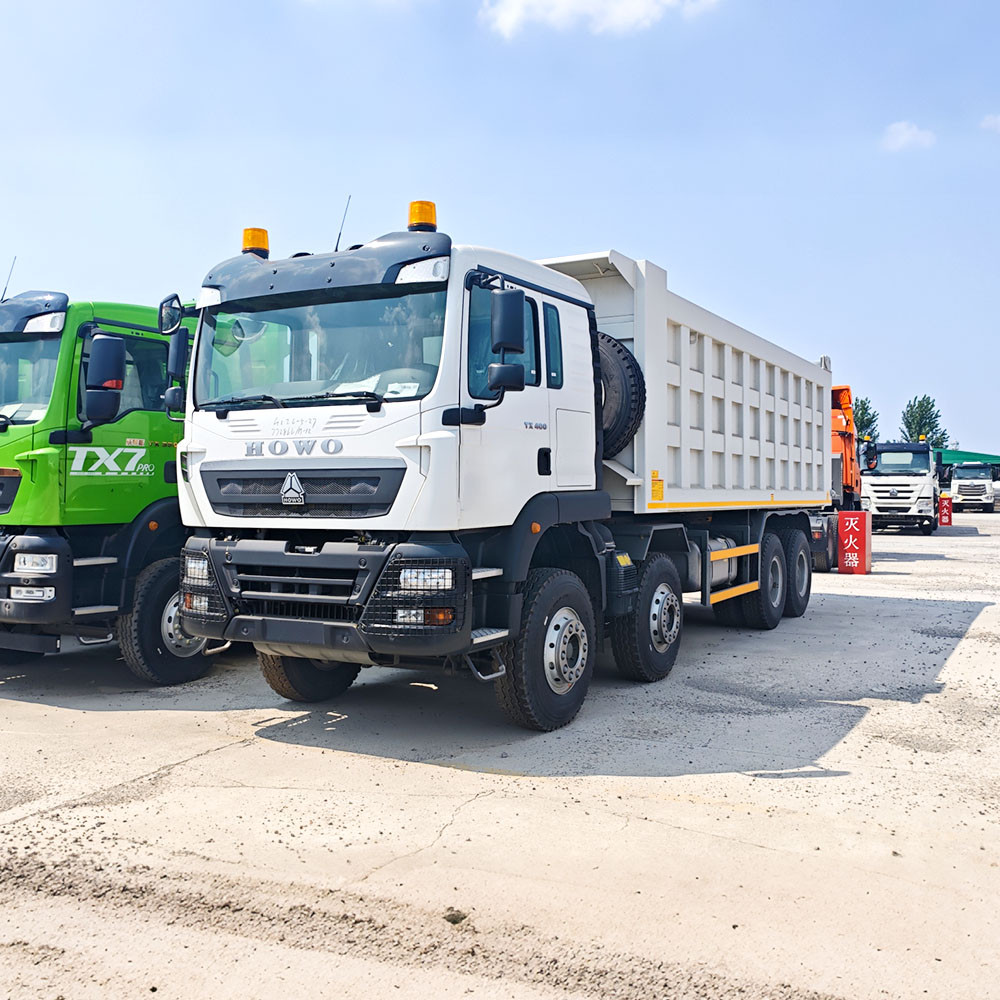
A used dump truck offers a different proposition: the cab, chassis, tipping body and hydraulic system come as one vehicle. This can simplify deployment when the job requires frequent movement and discharge of bulk material. It also concentrates risk in a single used asset. Engine problems, driveline wear or a damaged tipping mechanism can all take the truck out of service.
For work in Gabon, the relevant operating conditions should be described route by route rather than treated as a single national profile. A vehicle assigned to paved-road haulage may face different demands from one entering a construction site with soft ground, steep access ramps or tight turning areas. Distance to a workshop, fuel availability and exposure to heavy rain can also influence the practical value of a vehicle.
What a useful semi-trailer specification should include
Payload is an important starting point, but it is not a complete specification. The buyer needs to distinguish the trailer’s technical rating from the load that the complete vehicle combination can carry legally and safely on its intended routes. Cargo weight, the trailer’s own weight, tractor capacity and axle loading all matter.
For heavy equipment, the load’s footprint and centre of gravity can be more important than its total weight alone. A concentrated load may place stress on a small area of the deck or create uneven axle loading. The deck height, ramp arrangement, available tie-down points and clearance under the trailer should be checked against the actual machine being transported.
For a flatbed, ask how the intended cargo will be restrained and whether the deck dimensions suit the loading method. For a tipping semi-trailer, examine body volume and shape as well as the hydraulic connection. A large body does not automatically mean a usable increase in payload: dense material can reach the permissible weight limit before the body is full.
Compatibility with the existing tractor deserves particular attention. The coupling arrangement, fifth-wheel height, kingpin, brake connections, electrical connections and tyre sizes should be checked against the tractor’s specifications. Where hydraulic tipping is required, the tractor must have an appropriate power take-off and hydraulic system, or the cost of adding one must be included in the purchase decision.
These details create a practical test for ZW or any alternative supplier. A useful quotation should identify the offered unit and its principal dimensions and ratings, not just describe it as a heavy-duty trailer. If the buyer supplies tractor details and a description of the cargo, the response should make any compatibility assumptions clear.
A used dump truck is bought on condition, not appearance
The appeal of a used dump truck is its potentially lower acquisition cost compared with a comparable new vehicle. That advantage can disappear if major repairs are needed immediately after arrival. The relevant comparison is therefore not simply the quoted vehicle price, but the price plus inspection, shipping, import-related charges, commissioning and the expected cost of putting the truck into service.
Start with the identity of the individual truck. The vehicle identification number, registration or ownership documents where available, model information and engine details should correspond with the unit offered. Photographs should show the actual vehicle rather than a representative model. A service history is valuable when available, but a missing or incomplete history should be treated as uncertainty, not as proof that the truck was maintained adequately.
The chassis deserves close inspection because damage or poor repairs can be difficult and costly to correct. Look for corrosion, cracks, deformation and signs of welding around load-bearing areas, suspension mounts and the tipping-body subframe. A freshly painted chassis may look presentable, but paint can also obscure the areas that need inspection.
The tipping system should be assessed as a working assembly. Hydraulic leaks, damage to the cylinder, worn pivot points or a distorted body can affect safe operation. A demonstration should show the body raising and lowering, while recognising that a no-load demonstration does not establish how the system behaves under a full working load. The inspection should be carried out with appropriate safety precautions; no one should rely on the hydraulic system alone to support a raised body.
The driveline and running gear are equally important. Cold-start and operating videos can help identify visible smoke, abnormal noise or fluid leaks, but they do not replace an independent mechanical inspection. Brake condition, steering play, suspension wear and tyre age and condition all affect the amount of work needed before the truck can operate reliably. Odometer readings should be considered alongside wear and available records rather than accepted in isolation.
Where access permits, an independent pre-shipment inspector can provide a more objective view of the unit’s condition and confirm that it matches the quotation. The scope should be agreed in advance: a visual report, a functional test and a road test answer different questions. The report should identify limitations, including components that could not be opened or tested.
Why supplier transparency can influence the choice
For a buyer evaluating ZW, the ability to obtain detailed and consistent information may be as important as the range of vehicles offered. A semi-trailer can be evaluated against drawings, axle and suspension specifications, photographs and identification details. A used truck requires evidence specific to that truck, including its current condition and any known defects.
Good information also reduces the risk of comparing unlike quotations. Two trailers with similar deck lengths may differ in axle configuration, suspension, tyre specification or included equipment. Two used dump trucks of the same model may have very different maintenance needs. A lower price is meaningful only when those differences and their consequences are understood.
Ask for a written description of what is included: spare wheel and carrier, ramps, tarpaulin, tools, hydraulic equipment or other items relevant to the unit. For used vehicles, the description should distinguish repairs completed before shipment from work left to the buyer. If a defect is visible in photographs but absent from the quotation, it should be addressed before the agreement is finalised.
Availability also needs definition. A vehicle advertised as available may be physically in stock, awaiting refurbishment or offered through another party. The proposed delivery date should be tied to identifiable steps such as inspection, payment, preparation and shipment booking. These questions do not imply a problem with ZW; they are the basis for judging any cross-border offer.
Shipping and import costs can change the ranking of offers
A quotation should state the delivery point and the agreed Incoterms® rule, including the named place or port. The buyer needs to know which party is responsible for export handling, freight, insurance, destination charges and onward transport. An attractive vehicle price can be misleading if it excludes costs that another supplier has included.
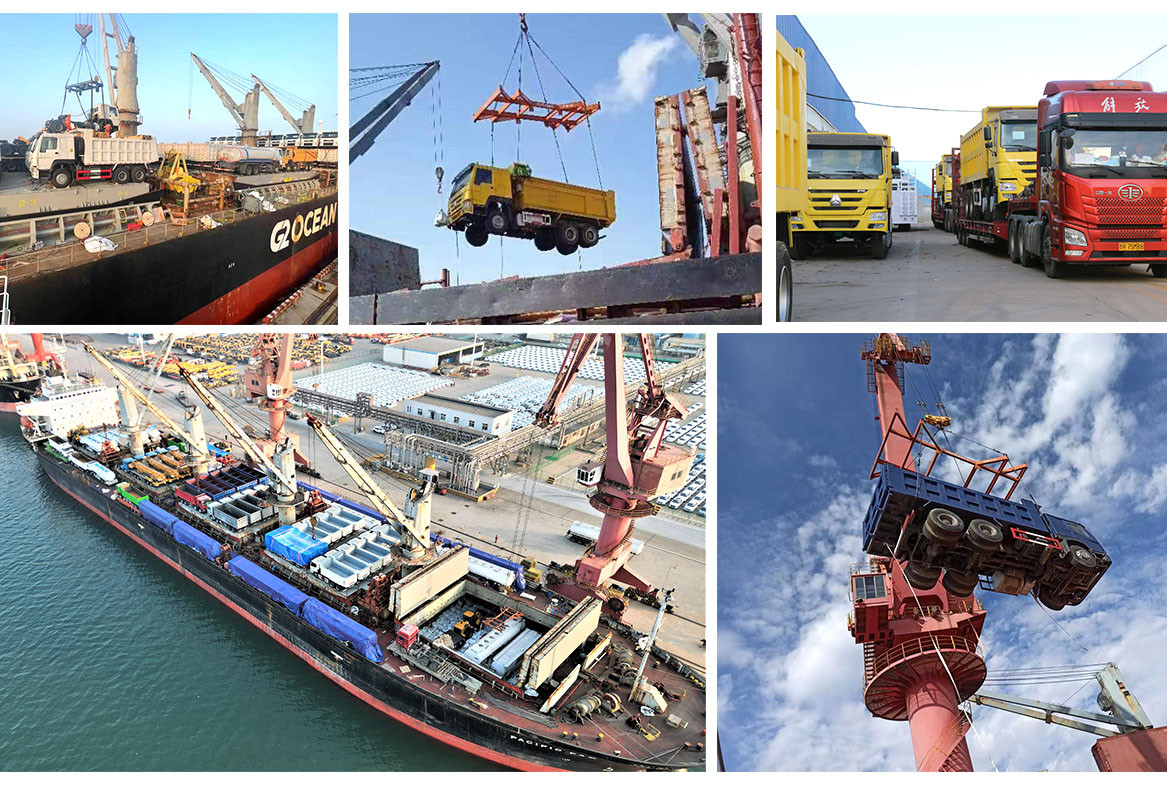
Dimensions and shipping method matter. A high or oversized trailer may require different handling from a truck that can be driven on and off a vessel. The chosen method affects not only cost but also preparation, securing requirements and the condition in which the vehicle arrives. The supplier and shipping provider should confirm the dimensions and weight of the actual unit, including any components that are removed or shipped separately.
Before committing funds, the buyer should confirm the documents needed for customs clearance, registration and road use in Gabon with the relevant authorities or a qualified local customs agent. Requirements can depend on the vehicle category, age, origin and intended use. A commercial invoice and shipping document may not by themselves resolve all registration or conformity questions.
Payment terms should be linked to the evidence available at each stage. The agreement should identify the vehicle, price, included equipment, inspection arrangements and remedies if the delivered unit differs materially from the agreed description. For a used truck sold in its existing condition, the contract should make clear what that condition is and which statements about it are binding.
Parts and repair support affect the cost after delivery
A vehicle that is inexpensive to buy can become expensive to keep running if essential parts are difficult to identify or obtain. This is especially relevant to used dump trucks, where wear depends on prior operation and maintenance. Before purchase, identify the engine, gearbox, axle and hydraulic components well enough to source replacement parts. A familiar-looking cab or body does not guarantee that every component is readily interchangeable with another vehicle.
The same principle applies to trailers. Axle and brake components, bearings, seals, suspension parts, lights and tyres should be identifiable by specification or part number. Local workshop capability also matters: a design that requires specialist diagnostic equipment or uncommon components may be less convenient than one that can be maintained with support already available.
If ZW offers spare parts or after-sales assistance, the useful details are the scope and terms: which components are covered, how parts are identified, where they are dispatched from and who pays for freight. A general promise of support should not be treated as equivalent to a stocked local parts network unless that network is documented.
The strongest reason to choose ZW would be a vehicle that meets the stated job requirements, supported by evidence that stands up to comparison with alternatives. For a semi-trailer, that means confirming the configuration and compatibility with the tractor and cargo. For a used dump truck, it means establishing the condition of the specific unit and allowing for the work needed after arrival. If those points, the landed cost and the delivery obligations remain unclear, the apparent advantage of the offer remains unclear too.
Please give us a message
Our engineers help you choose the right truck or trailer based on:
- Your cargo type
- Road condition
- Payload requirement
- Local regulations