
Why Did Rwanda Client Choose ZW Flatbed Semi Trailer?

Why did a Rwanda client choose ZW Flatbed Semi Trailer for demanding transport tasks? In today’s transportation industry, buyers need equipment that combines strength, payload efficiency, road adaptability, and long-term value. This case highlights how ZW Flatbed Semi Trailer met the client’s real operating needs, from cargo versatility to reliable performance, offering practical insights for fleets and logistics companies seeking a cost-effective semi trailer solution.
What transport challenge was the Rwanda client trying to solve?
The Rwanda client was not looking for a trailer based on price alone. The actual requirement came from mixed transport tasks across regional roads, construction delivery points, and logistics corridors where the trailer needed to carry steel, machinery, palletized goods, and oversized equipment. In practical transport operations, this means a flatbed semi trailer must balance loading flexibility with stable structural strength.
For many transport companies in East Africa, one of the biggest purchasing difficulties is that routes are rarely uniform. A trailer may run on paved highways for part of the trip, then enter rough industrial yards, gravel roads, or unloading areas with uneven ground. Under these conditions, a weak frame, poor suspension match, or low deck durability can quickly increase maintenance frequency within 6–12 months of operation.
The client therefore focused on 3 core indicators before making a decision: carrying capacity, road adaptability, and lifecycle cost. This is a common B2B purchasing pattern in the transportation industry. Buyers want a semi trailer that can serve multiple contracts instead of a narrowly configured unit that performs well in only one transport scenario.
ZW Flatbed Semi Trailer became attractive because it aligned with this operating logic. Rather than promising unrealistic performance, the value was in practical utility: a structure suitable for repeated loading, a deck layout that supports different cargo securing methods, and a chassis design intended for long-haul and regional transport tasks where uptime matters more than marketing claims.
Why this demand is typical in transportation procurement
In transport fleets, trailers are often expected to support several cargo categories within the same month. One week may involve container-compatible cargo, the next week construction materials, and another week heavy machinery. If a flatbed semi trailer lacks a usable platform layout or convenient lashing points, loading time can increase by 15–30 minutes per trip, which directly affects fleet turnover.
Another issue is cost visibility. Many buyers underestimate the impact of tire wear, suspension stress, deck deformation, and welding fatigue. The purchase price is only one part of the total cost. Over a 2–4 year operating window, maintenance and downtime can become more important than the initial quotation, especially for fleets that run frequent regional assignments.
That is why this Rwanda case matters beyond one order. It reflects how professional buyers evaluate transport equipment in real business conditions: not by brochure language, but by route complexity, cargo diversity, maintenance predictability, and the ability to keep deliveries moving on schedule.
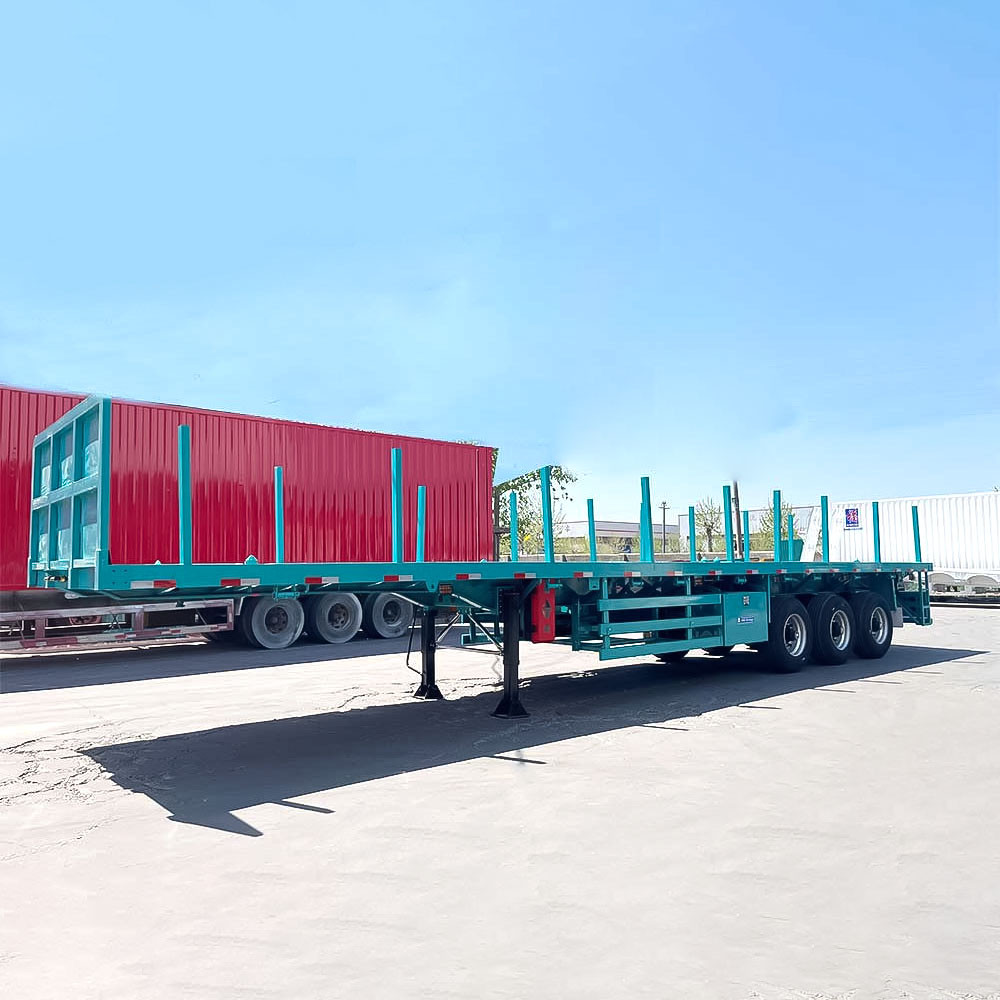
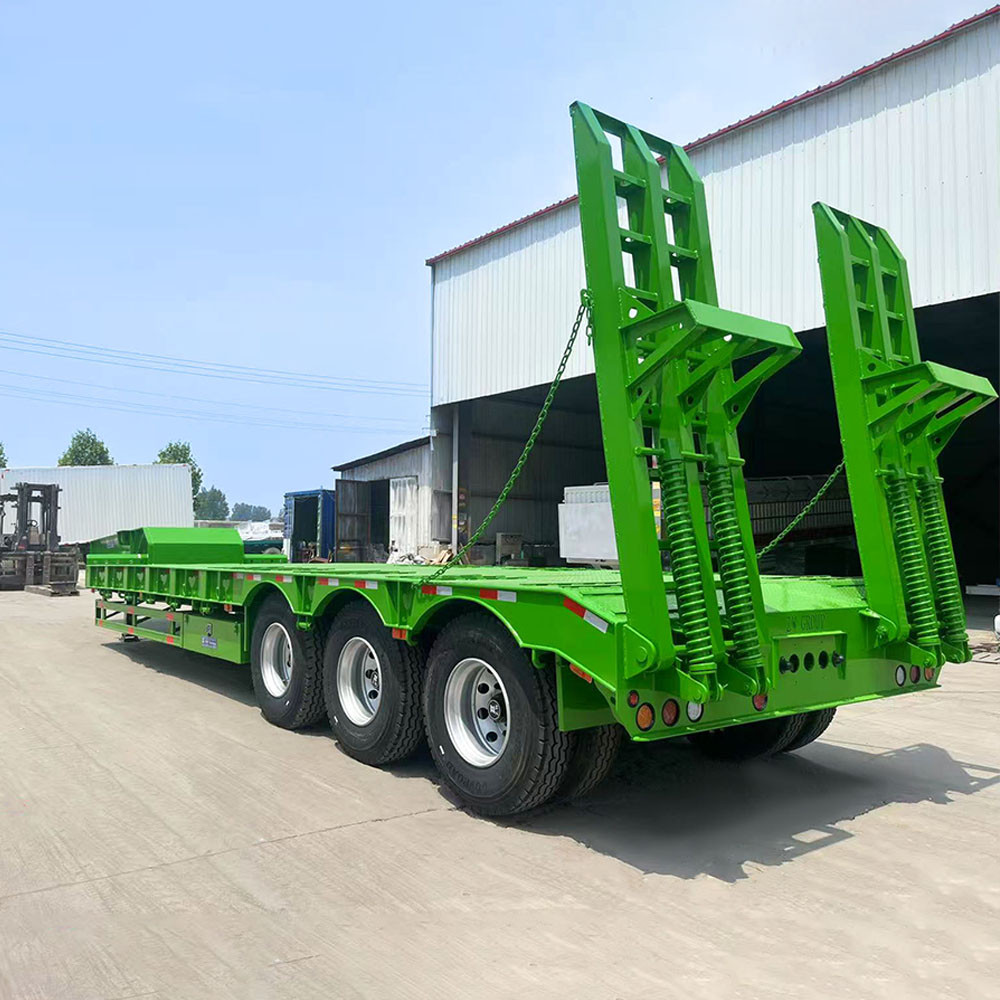
Which flatbed semi trailer features influenced the final decision?
The client’s decision was shaped by technical practicality. In transportation work, a flatbed semi trailer must provide enough deck space, reliable load distribution, and a frame structure that tolerates repeated stress. For fleets moving equipment, building materials, and industrial cargo, the difference between an acceptable trailer and a strong procurement choice usually appears in welding quality, axle layout, deck reinforcement, and suspension matching.
ZW Flatbed Semi Trailer fit the client’s demand because it offered a balanced configuration rather than an overly simplified build. This matters when the trailer may face variable payloads and route conditions across weekly or monthly schedules. A well-matched trailer helps reduce cargo shift risks, uneven tire wear, and unnecessary workshop visits, all of which affect delivery reliability.
The client also considered upgrade compatibility. In transport operations, some buyers start with one base configuration and later request changes to support local regulations, cargo type, or fleet standardization. A trailer that can be discussed in terms of axle options, landing gear suitability, brake system preferences, and deck details gives buyers more confidence during the procurement stage.
For businesses comparing options, related heavy-duty transport solutions are often reviewed alongside flatbeds. In projects involving construction machines or oversized cargo, buyers may also assess lowbed platforms such as 4 Axle 80 Ton Lowbed Semi Trailer to determine whether a mixed fleet structure makes more sense than relying on one trailer type for every job.
Key technical points the buyer was likely to evaluate
- Frame strength and cross-member layout, because repeated loading of dense cargo creates stress concentration in specific sections of the trailer deck and chassis.
- Axle and suspension matching, since transport routes may combine long highway runs with rough unloading environments that challenge stability and tire life.
- Cargo securing practicality, including lashing points and deck usability, which directly affect loading time, cargo safety, and dispatch efficiency.
- Brake and maintenance accessibility, because fleets need serviceable systems that local technicians can inspect on a monthly or quarterly basis.
Evaluation summary for transport buyers
A flatbed semi trailer is rarely chosen only for maximum payload figures. In reality, buyers compare 4 practical dimensions: usable loading platform, structural durability, route compatibility, and service convenience. A trailer that performs reasonably well across all 4 dimensions often delivers stronger business value than a model optimized for only one headline specification.
The table below shows how transport buyers commonly compare a general-purpose flatbed semi trailer with a heavy-duty specialized lowbed option when they need to match fleet equipment to cargo type and route conditions.
This comparison helps explain why the Rwanda client prioritized a flatbed semi trailer. The goal was not maximum specialization, but stronger day-to-day utilization. For fleets handling general transport contracts, a versatile trailer often improves dispatch frequency and lowers the risk of idle capacity between jobs.
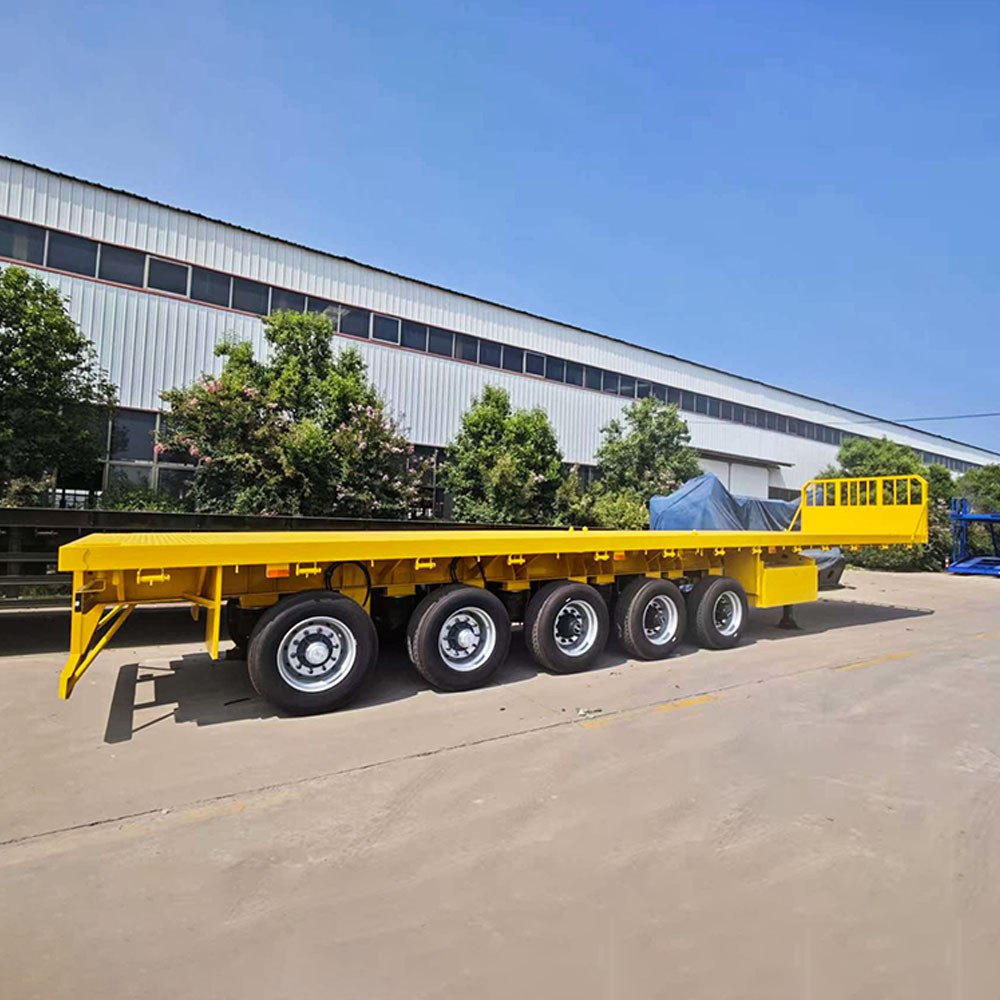
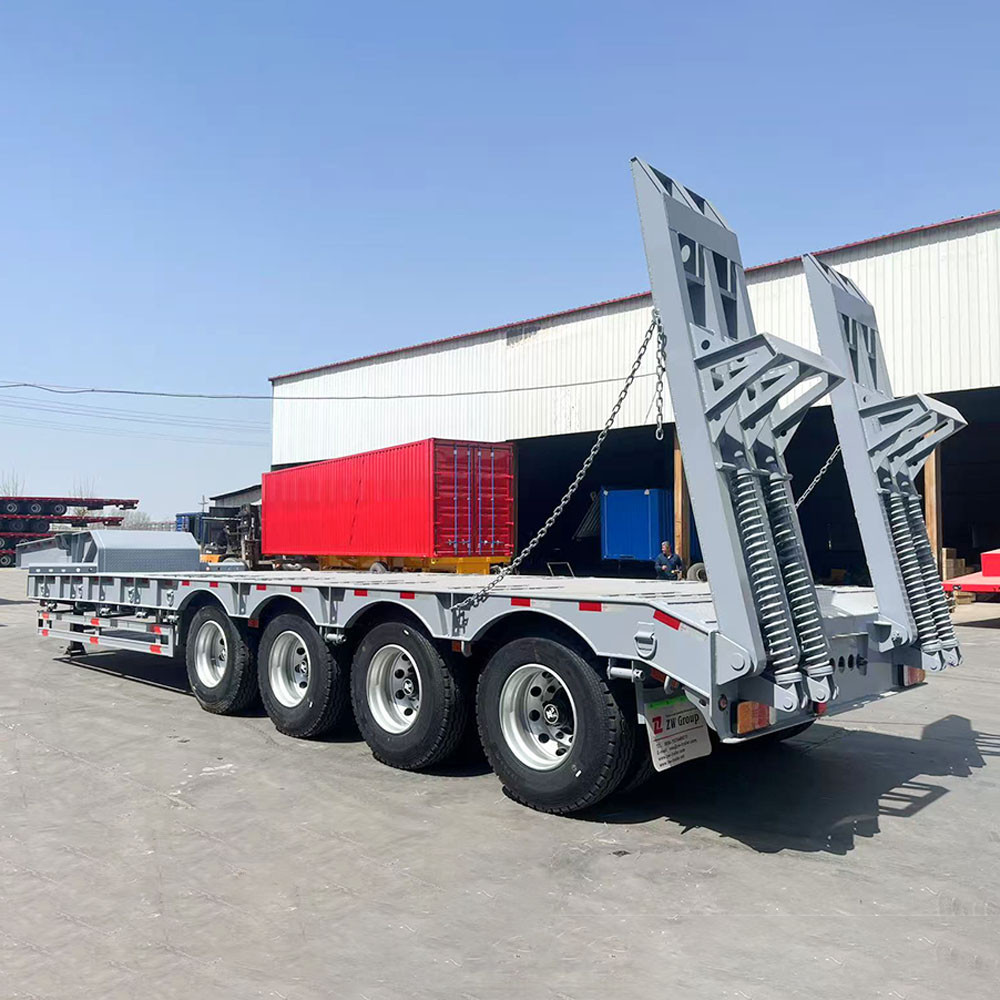
How does road adaptability affect flatbed semi trailer value in East African operations?
Road adaptability is one of the most underestimated procurement factors in transportation. A trailer can look acceptable on paper but perform poorly once it encounters mixed surfaces, frequent braking, uneven loading zones, and climate-related wear. In many East African transport routes, the trailer must maintain stability across highway travel, depot maneuvering, and industrial access roads within the same trip cycle.
For this reason, the Rwanda client likely evaluated whether the flatbed semi trailer could support continuous operation over changing conditions without placing excessive stress on the frame, suspension, and tires. Even a difference of one maintenance stop every 4–8 weeks can matter for fleets with tight delivery commitments. Reduced workshop interruptions support better dispatch planning and customer service consistency.
The trailer’s value also depends on loading and unloading predictability. If the platform is easy to access and secure, crews can complete cargo handling faster and with fewer adjustments. In practical freight operations, saving 20 minutes at loading and another 20 minutes at unloading can improve asset turnover over a month, especially when the trailer completes multiple short and medium-distance runs.
This is where a well-built flatbed semi trailer supports business efficiency. It is not only about surviving difficult roads. It is also about keeping operations stable enough that planners, drivers, and customers can rely on realistic scheduling instead of building extra time into every route.
Transport scenarios where adaptability matters most
- Regional building material delivery, where cargo weight is concentrated and loading sites are not always paved or level.
- Agricultural and industrial support logistics, where the same trailer may move bagged goods, metal parts, or equipment over 2–3 route types.
- Project-based transport, where route planning changes weekly and operational flexibility is more valuable than narrow specialization.
The table below outlines common transportation scenarios and what trailer characteristics buyers should prioritize when selecting a flatbed semi trailer for variable route conditions.
For transport buyers, the message is clear: road adaptability should be evaluated as a business factor, not just a mechanical factor. A trailer that tolerates route variation can support more contracts over 12–24 months and reduce the hidden costs associated with operational uncertainty.
What should buyers check before ordering a flatbed semi trailer?
Procurement mistakes usually happen when buyers focus too much on visible specifications and not enough on application fit. Before ordering a flatbed semi trailer, transport companies should define 5 key checkpoints: average cargo type, load range, route condition, unloading environment, and service support expectations. This basic discipline helps prevent a mismatch between trailer structure and actual transport demand.
A second important step is clarifying whether the trailer will be used for high-frequency dispatch or occasional project work. If the trailer is expected to run multiple trips per week, maintenance accessibility and component durability become more important. If it is intended for intermittent but heavier assignments, structural reserve and load distribution capacity deserve closer attention.
Buyers should also discuss delivery planning in practical terms. In the transportation equipment sector, common lead times often fall within 3–6 weeks for standard configurations, while customized builds may require longer depending on axle arrangement, deck details, and requested accessories. Early clarification of these points reduces procurement delays and improves deployment planning.
Another useful comparison is whether one trailer type can cover most routes or whether a mixed fleet is more efficient. Some companies start with a flatbed semi trailer for daily logistics work and later add a specialized unit, such as 4 Axle 80 Ton Lowbed Semi Trailer, for heavy project cargo. This phased procurement approach can improve capital control without limiting business expansion.
A practical 4-step selection process
- List your top 3 cargo categories and the approximate loading pattern, including concentrated loads, pallet loads, and oversized items.
- Map the route profile for a typical month, separating paved highways, depot roads, rough industrial access, and border or waiting conditions.
- Confirm 4 service questions before ordering: spare parts availability, maintenance intervals, braking system familiarity, and inspection access points.
- Compare standard and customized configurations based on actual dispatch frequency, not just on headline purchase price.
Buyer checklist for transport decision-makers
The table below can be used by fleet managers, logistics operators, and project transport buyers to evaluate whether a flatbed semi trailer configuration fits the real operating environment before issuing a purchase order.
Using a structured checklist helps buyers make a more stable decision. It also creates better communication with suppliers because the conversation shifts from generic brochure questions to operational details that affect cost, uptime, and route performance.
What common mistakes do transport buyers make, and how can they avoid them?
One common mistake is choosing a flatbed semi trailer based only on nominal load expectations. In practice, payload is not the only issue. The way weight is distributed, the frequency of loading, and the road profile all shape trailer performance. A fleet that carries medium cargo every day may need stronger operational durability than a buyer who occasionally moves heavier cargo on controlled routes.
Another mistake is ignoring maintenance conditions in the destination market. Even a well-built trailer can become costly if replacement parts, routine inspection points, or service procedures are not aligned with local workshop capabilities. Buyers should think in 3 stages: pre-delivery confirmation, first 3 months of operation, and ongoing quarterly maintenance. This approach improves equipment planning and reduces avoidable downtime.
Some companies also over-customize too early. While customization is valuable, not every fleet needs a highly specific configuration from day one. If the business is still testing cargo types or route density, starting with a balanced flatbed semi trailer often gives more operational data. Later upgrades can then be based on actual use instead of assumptions.
Finally, many procurement teams underestimate communication detail. Trailer selection should include discussion of cargo dimensions, loading method, tractor match, brake preference, expected monthly mileage, and delivery schedule. When these variables are shared early, the supplier can recommend a more suitable transport solution instead of providing only a standard quotation.
FAQ for buyers comparing semi trailer options
How do I know whether a flatbed semi trailer is enough for my cargo?
Start by reviewing 3 factors: cargo dimensions, weight concentration, and loading equipment. If your business mainly moves building materials, steel, pipes, pallets, or medium equipment on routine routes, a flatbed semi trailer is often the more flexible choice. If cargo regularly includes heavy machines or extra-tall equipment, you may need to compare flatbed and lowbed solutions side by side.
What delivery cycle is common for a trailer order?
For transportation equipment, a standard trailer order commonly falls within a 3–6 week production window, while more specialized configurations may require additional time for technical confirmation and component preparation. Buyers should also allow time for final inspection, shipping arrangement, and local receiving preparation.
What should I prioritize if my routes include rough road sections?
Focus on frame structure, suspension compatibility, tire support planning, and brake service access. Rough routes do not just affect comfort. They increase stress on the running system and can shorten maintenance intervals if the trailer is poorly matched to the route. A practical review of weekly road conditions is more useful than choosing based on appearance or catalog language.
Is lower purchase price always the better transport decision?
Not necessarily. In many transport operations, the more important question is total operating cost over 12–24 months. A cheaper trailer may create higher expenses through downtime, premature wear, slower loading, or more frequent repairs. Fleet managers should compare purchase price together with service convenience, route suitability, and expected utilization rate.

Why choose us when planning your next semi trailer purchase?
If you are evaluating a flatbed semi trailer for transportation work, the most useful support is not a generic catalog. What matters is a supplier that can discuss your cargo, route, tractor matching, delivery timing, and maintenance expectations in a practical way. That is especially important for B2B buyers managing budget pressure, mixed transport tasks, and project deadlines at the same time.
We can support your procurement process with clear communication on configuration options, application suitability, and realistic supply planning. Whether you are comparing general logistics trailers with heavier project transport solutions, the goal is to help you identify the right equipment path before placing an order. This reduces specification mismatch and improves deployment confidence.
You can contact us to discuss 6 practical topics: payload range, cargo type, route condition, axle and suspension preferences, delivery cycle, and customization scope. If your business is deciding between a flatbed semi trailer and a dedicated heavy-haul platform, we can also help compare operating scenarios so your investment aligns with current contracts and future fleet expansion.
For the next step, send your cargo dimensions, estimated load range, preferred trailer type, target delivery schedule, and destination market requirements. With these details, we can help you review suitable configurations, clarify technical questions, and move forward with more accurate quotation and solution planning for your transportation project.
Please give us a message
Our engineers help you choose the right truck or trailer based on:
- Your cargo type
- Road condition
- Payload requirement
- Local regulations