
Why Burkina Faso Fleets Trust ZW for Tankers & Howo Trucks?

In Burkina Faso’s demanding transport sector, fleets need durable, cost-effective vehicles that can handle long distances, heavy loads, and harsh road conditions. That is why many operators trust ZW for Tankers & Howo Trucks, choosing proven performance, reliable supply, and practical value for daily logistics needs. From fuel delivery to bulk cargo transport, ZW helps businesses improve efficiency, reduce downtime, and keep operations moving with confidence.
Fleet buyers in Burkina Faso are not looking for marketing promises alone. They want trucks and tankers that work hard every day, stay productive on rough roads, and make financial sense over years of operation.
That is the real reason many transport businesses choose ZW for Tankers and Howo Trucks. Trust is built on vehicle durability, parts availability, load efficiency, and support that helps operators keep earning instead of losing time.
Why do fleets in Burkina Faso place so much importance on reliability?
In Burkina Faso, transport conditions can be demanding for both vehicles and operators. Long routes, heat, dust, heavy payloads, and mixed road quality all increase wear on engines, suspensions, tires, and tanker structures.
For fleet owners, every breakdown creates direct and indirect costs. A stopped truck does not just need repairs. It can also delay fuel supply, miss delivery windows, and damage customer relationships that took years to build.
This is why reliability is usually the first question buyers ask. Before they compare paint, cabin features, or minor specifications, they want to know whether a truck can keep running consistently under real working conditions.
ZW has gained trust because its Tankers and Howo Trucks are aligned with this practical need. Buyers are not choosing only a product. They are choosing a transport asset expected to perform under pressure.
What makes Howo Trucks a practical choice for Burkina Faso transport operators?
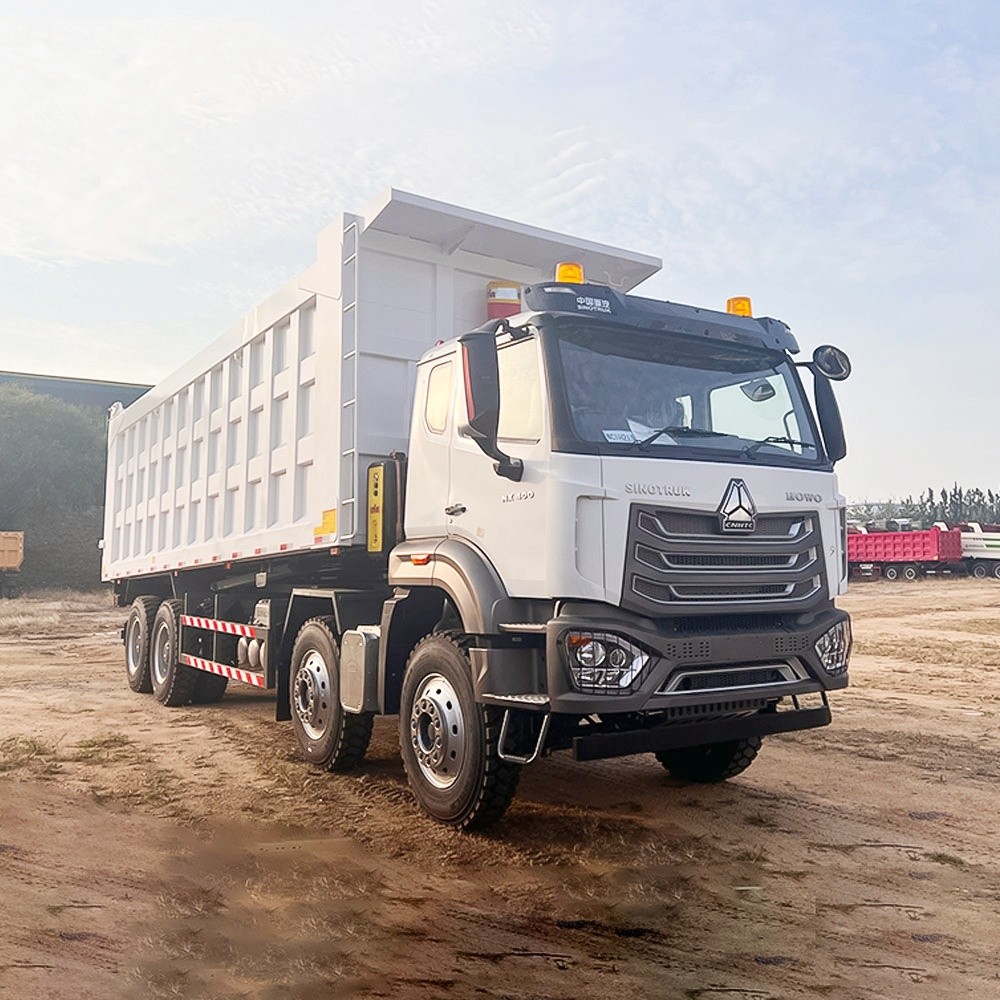
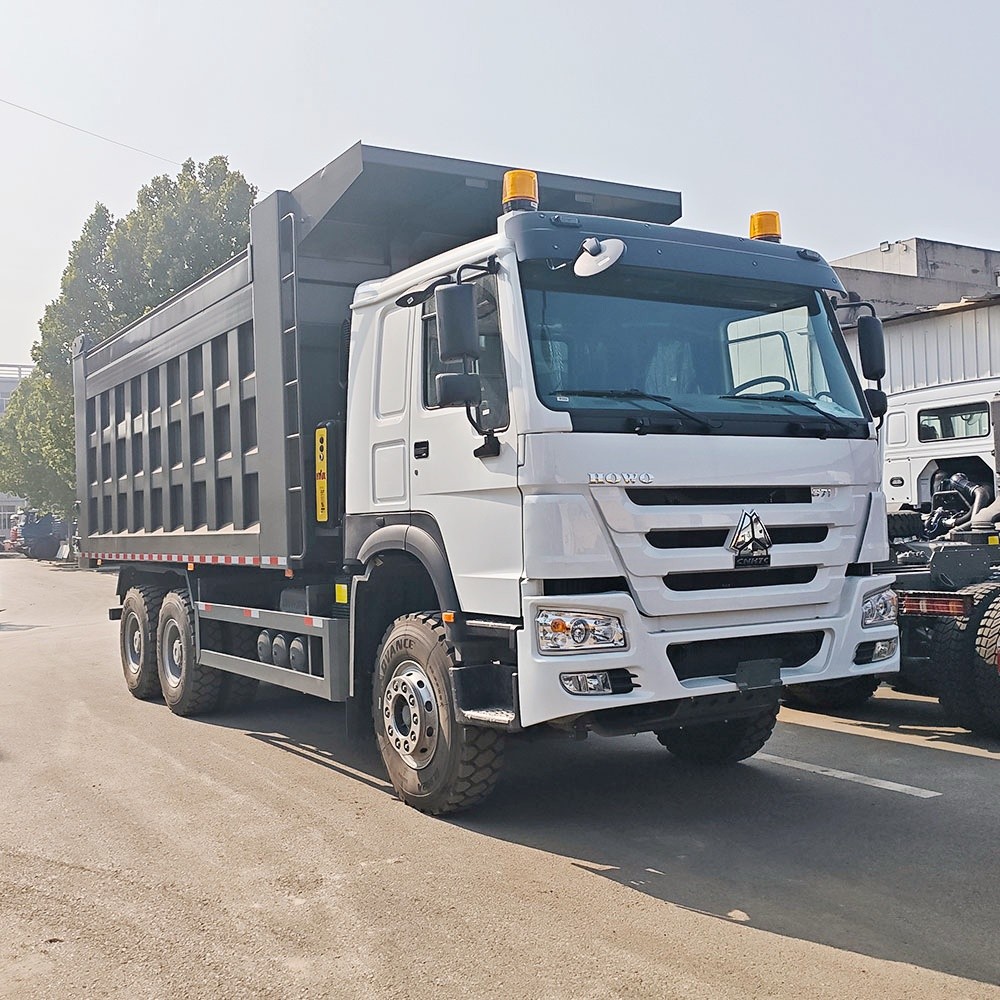
Howo Trucks are widely recognized in many African markets for offering a useful balance of strength, affordability, and everyday functionality. That combination matters in Burkina Faso, where operators must control costs without sacrificing working capacity.
The appeal of Howo Trucks often starts with their robust chassis and load-bearing ability. Fleet managers need trucks that can carry demanding cargo while remaining stable and serviceable across variable terrain and long-distance routes.
Another important factor is mechanical practicality. In many markets, buyers prefer trucks that are straightforward to maintain, easier to diagnose, and suitable for workshops that focus on keeping commercial vehicles moving quickly.
Fuel efficiency also plays a major role in purchase decisions. Even small savings per trip become meaningful when fleets operate across multiple routes and vehicles. Over time, better efficiency can improve route profitability and cash flow.
For many companies, Howo Trucks offer a strong working platform for construction materials, agricultural cargo, industrial goods, and fuel-related logistics. That flexibility helps fleet owners use the same trusted vehicle base across different jobs.
Why are tanker buyers especially careful when selecting a supplier?
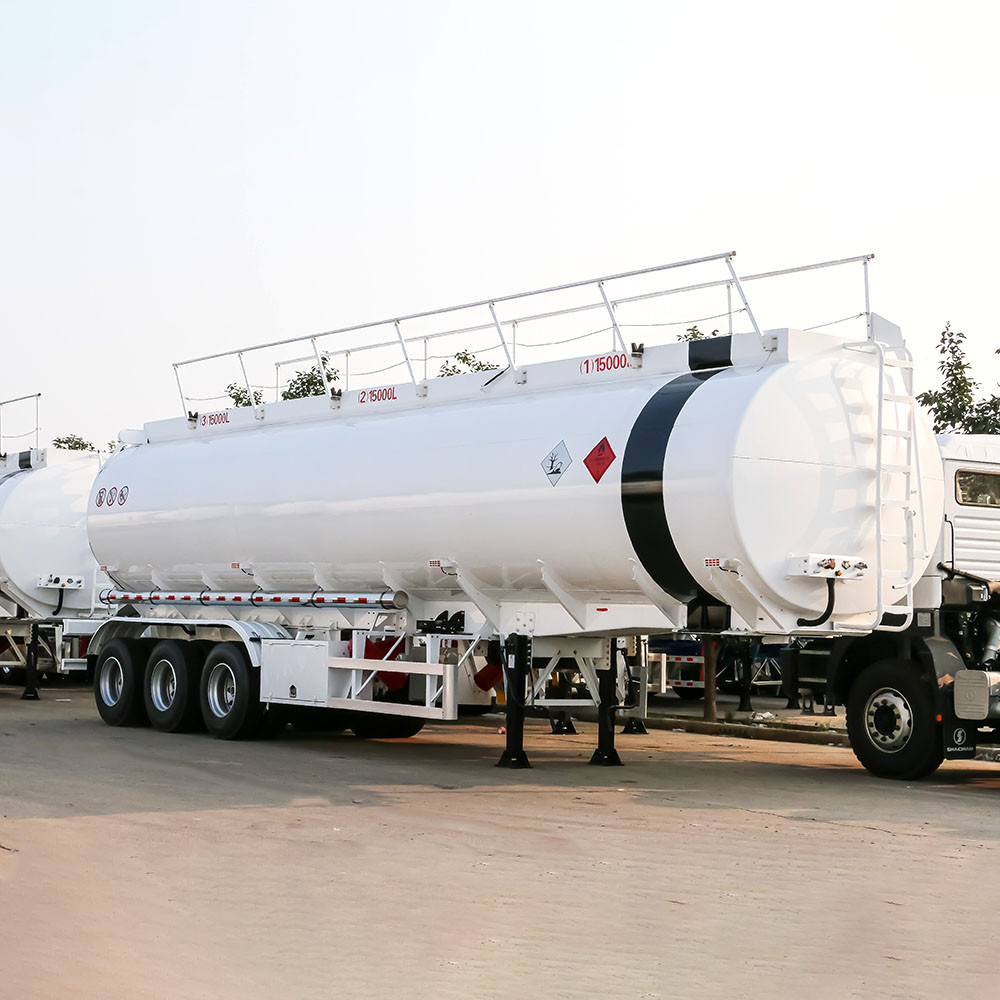
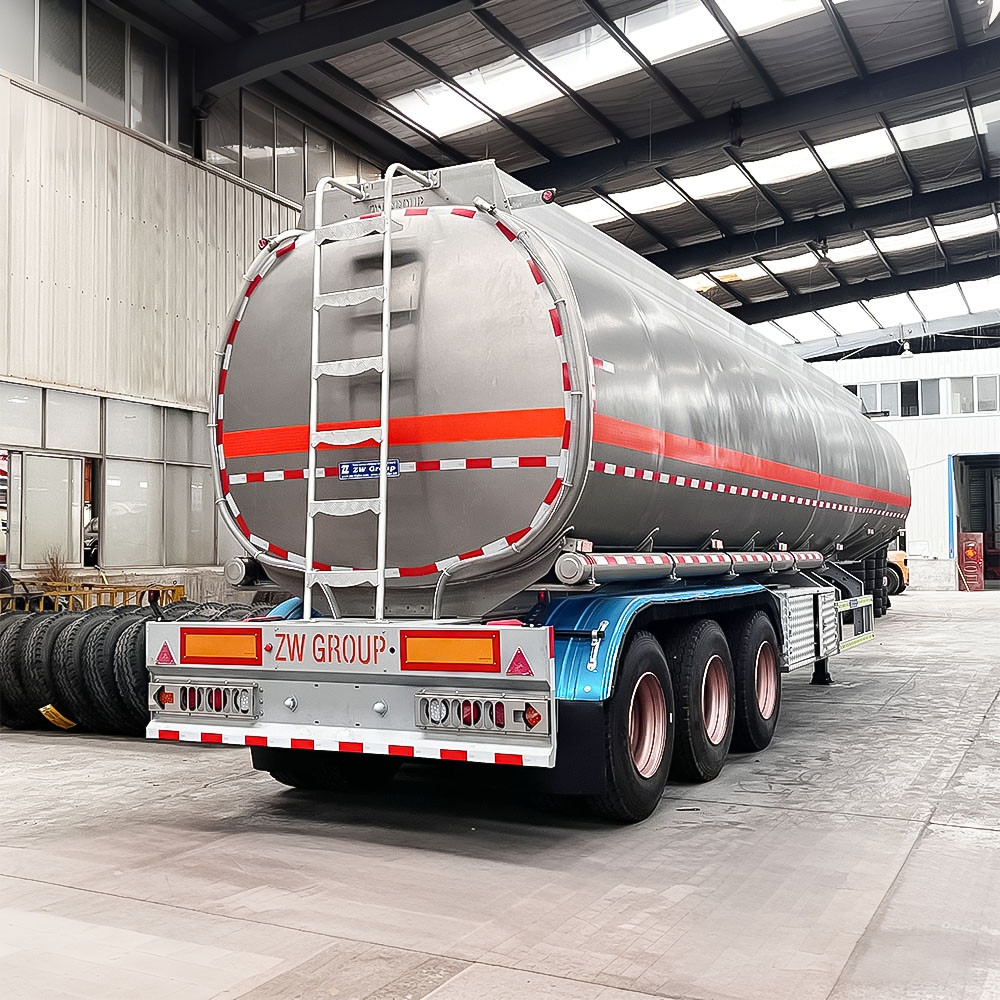
Tanker operations involve more than moving cargo from one point to another. They require safety, volume accuracy, durable tank construction, and stable performance under repeated loading, travel, and discharge cycles.
In Burkina Faso, tankers may be used for fuel distribution, water transport, or other liquid cargo applications. Each use case places serious demands on the tank body, piping layout, valves, compartment design, and vehicle integration.
Buyers know that a poorly built tanker can create expensive problems. Leakage, poor welding, uneven weight distribution, and weak components can increase maintenance frequency, shorten service life, and raise operational risk.
That is why trust in a supplier matters so much. Operators want confidence that the tanker is not only sold at an attractive price, but also manufactured with the durability and usability needed for commercial transport work.
How does ZW create value beyond the initial purchase price?
Price always matters, especially for transport businesses managing cash flow carefully. However, experienced fleet owners know that the lowest purchase price does not always lead to the lowest total cost of ownership.
ZW creates value by helping buyers think beyond the invoice. A truck or tanker becomes a better investment when it lasts longer, stays on the road more often, and requires fewer disruptions to maintain acceptable performance.
For example, a vehicle with stronger structural quality may reduce repair frequency. A more suitable truck configuration may prevent overloading stress. Better spare parts access may shorten downtime and keep revenue-generating routes active.
This wider view is often why fleets trust ZW. They are assessing business value over the life of the asset, not simply comparing quotations line by line at the moment of procurement.
Which operational concerns matter most to fleet managers in Burkina Faso?
Fleet managers usually make decisions based on performance in daily operations, not abstract specifications. They need vehicles that fit route demands, cargo types, local service realities, and the pressure of competitive transport pricing.
One major concern is uptime. If a truck is frequently unavailable, route planning becomes unstable, driver utilization suffers, and customers may start looking for more dependable logistics partners.
Another concern is payload efficiency. Vehicles must carry useful loads safely and consistently without creating excessive wear. The right tanker or truck configuration helps operators balance earning potential with long-term mechanical sustainability.
Maintenance planning is equally important. Businesses want vehicles with components that can be serviced without excessive delay, unusual technical complexity, or high uncertainty around replacement parts.
Fleet managers also look closely at adaptability. A truck that performs well in both urban delivery environments and longer regional routes offers greater scheduling flexibility and better overall asset utilization.
How do Tankers and Howo Trucks support fuel, cargo, and distribution businesses?
In Burkina Faso, transport demand often comes from practical sectors such as fuel supply, construction, agriculture, retail distribution, and project logistics. These businesses need transport equipment that delivers dependable daily output.
For fuel distributors, tanker reliability is essential because interruptions affect not only one trip but the entire downstream supply chain. Timely delivery supports stations, industrial customers, and regional demand planning.
For bulk cargo operators, Howo Trucks can provide the toughness needed for heavy loads and repeated route cycles. This is especially important when transport schedules are tight and road conditions are inconsistent.
For growing logistics businesses, using trucks and tankers from a trusted supplier can simplify fleet expansion. Standardized equipment can make maintenance routines, driver familiarity, and parts stocking more manageable over time.
ZW fits these needs by offering products that support commercial transport realities rather than idealized showroom expectations. That practical alignment is one of the biggest reasons trust continues to grow.
What should buyers evaluate before choosing a tanker or truck supplier?
Choosing a supplier should involve more than comparing brochures. Serious buyers usually evaluate whether the supplier understands their operating environment and can recommend a configuration that suits real transport conditions.
Start with application fit. A fuel tanker, water tanker, or heavy-duty cargo truck should match the intended load, route profile, frequency of use, and regulatory or safety expectations of the business.
Then assess build quality and component logic. Buyers should examine the chassis suitability, tank construction, materials, axle setup, suspension strength, and how well the vehicle is configured for sustained commercial use.
Support capability is another key factor. Even a strong truck needs maintenance and replacement parts over time. Buyers should ask how quickly support can be arranged and how easily common service needs can be addressed.
Finally, consider long-term business economics. Ask which option will likely provide the best revenue continuity, resale value, maintenance predictability, and operational confidence over several years, not just several months.
Why does local market reality matter more than generic truck marketing?
Many vehicle descriptions sound impressive in general terms, but transport operators in Burkina Faso need more specific answers. They want to know how a truck performs in heat, dust, overload risk, and extended working cycles.
That is why local market fit matters. A vehicle that works well in theory may still create operational frustration if it is not properly matched to the region’s roads, payload patterns, or service ecosystem.
ZW earns attention because buyers increasingly value solutions designed for actual field performance. They want tanker and truck options that reflect commercial realities rather than generic global advertising language.
This focus helps build confidence at the buying stage. It also improves satisfaction later, when the vehicle is tested in real transport work and judged by output, reliability, and maintenance behavior.
How does trust in ZW help reduce risk for business owners?
For business owners, buying transport equipment is a major capital decision. The risk is not limited to the purchase itself. It affects operating continuity, customer commitments, maintenance budgeting, and future fleet planning.
Trust in ZW helps reduce uncertainty because buyers are not selecting equipment blindly. They are working with a supplier associated with practical transport value, suitable product choices, and an understanding of commercial fleet expectations.
That matters when businesses need to scale carefully. A reliable truck or tanker supplier can support smarter expansion, allowing owners to add capacity with more confidence in performance consistency and cost control.
Reducing risk also means reducing unpleasant surprises. When the vehicle specification, structural quality, and working purpose are aligned from the start, fleets are better positioned to achieve stable operational returns.
What is the bigger business case for choosing ZW for Tankers and Howo Trucks?
The bigger business case is simple. Transport companies in Burkina Faso need assets that help them deliver reliably, control lifecycle costs, and respond to customer demand without constant operational setbacks.
ZW supports that goal by connecting buyers with Tankers and Howo Trucks that are valued for durability, functionality, and suitability for demanding commercial use. This is not only about vehicle supply. It is about working performance.
When fleets choose well, they improve more than transport capacity. They strengthen service consistency, protect profit margins, and create a more dependable foundation for business growth in a competitive market.
That is why the question is not only why Burkina Faso fleets trust ZW. The better question is whether a transport business can afford to ignore the benefits of choosing equipment built for its real operating environment.
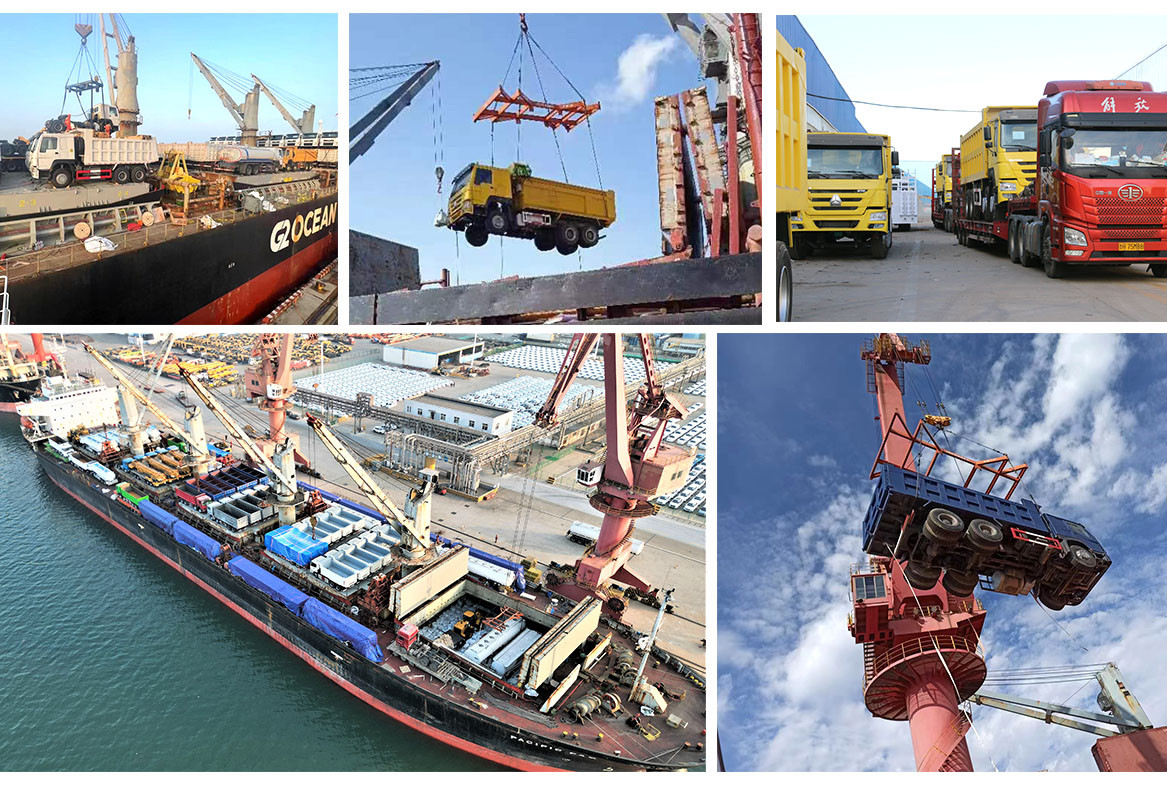
Conclusion: a practical choice for fleets that need dependable results
Burkina Faso fleet operators trust ZW for Tankers and Howo Trucks because the decision is grounded in practical business logic. They need durable vehicles, dependable tanker construction, manageable operating costs, and stronger uptime performance.
In a market where harsh conditions quickly expose weak equipment, trust must be earned through working value. ZW stands out by helping transport businesses invest in equipment that supports daily reliability and long-term efficiency.
For buyers comparing tanker suppliers or evaluating Howo Trucks for cargo and logistics work, the most important test is simple: choose the option that keeps your fleet productive, serviceable, and profitable over time.
That is the reason ZW continues to attract attention in Burkina Faso’s transport sector. For fleets focused on results, it represents a practical and credible choice for moving fuel, cargo, and business forward.
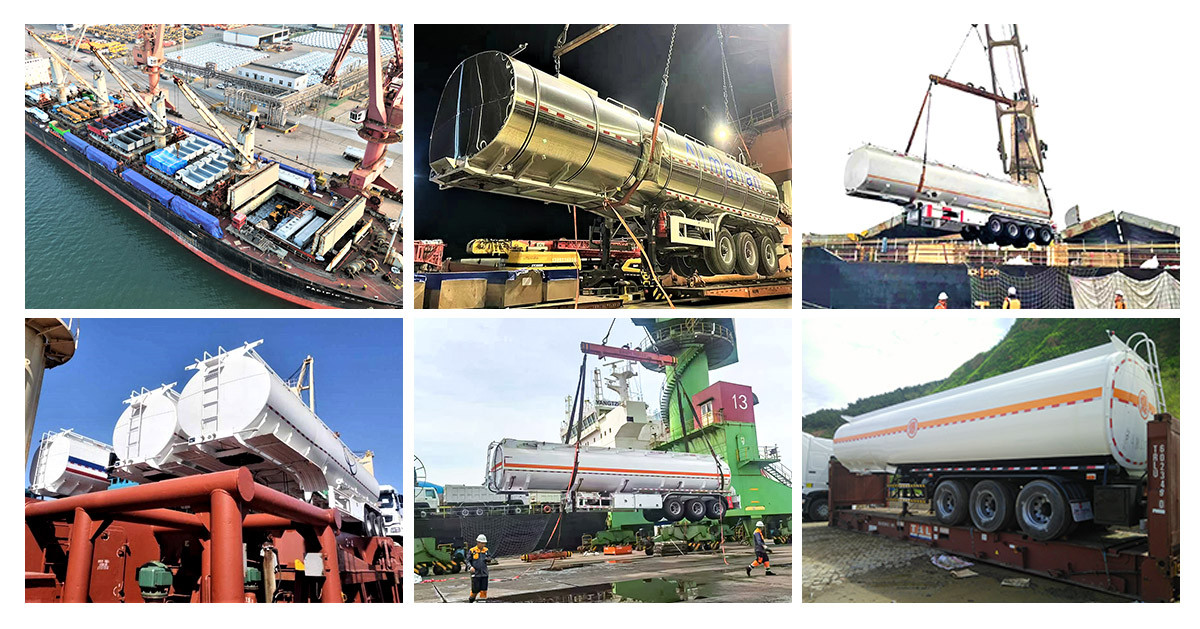
Please give us a message
Our engineers help you choose the right truck or trailer based on:
- Your cargo type
- Road condition
- Payload requirement
- Local regulations