
Why Burkina Faso Clients Order Fuel Tank Trailers & Sewage Trucks?

Why Burkina Faso Clients Order Fuel Tank Trailers & Sewage Trucks?
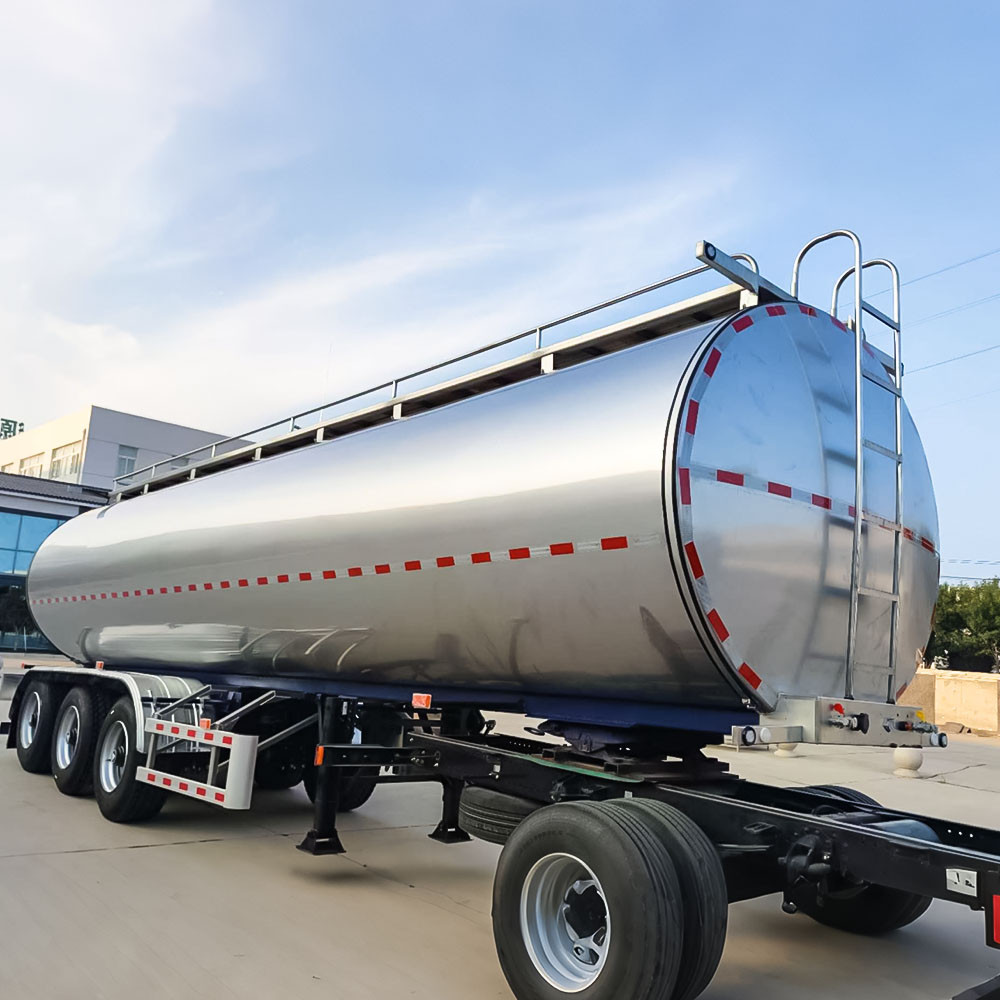
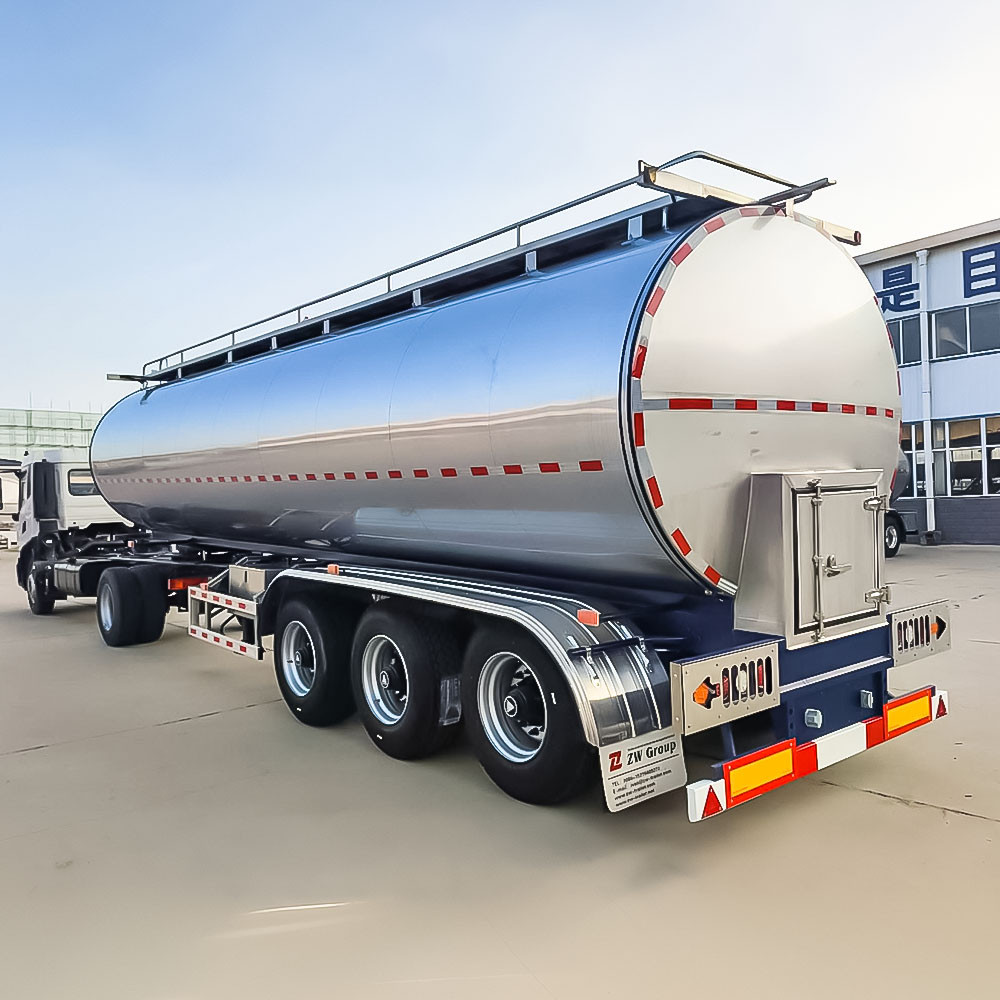
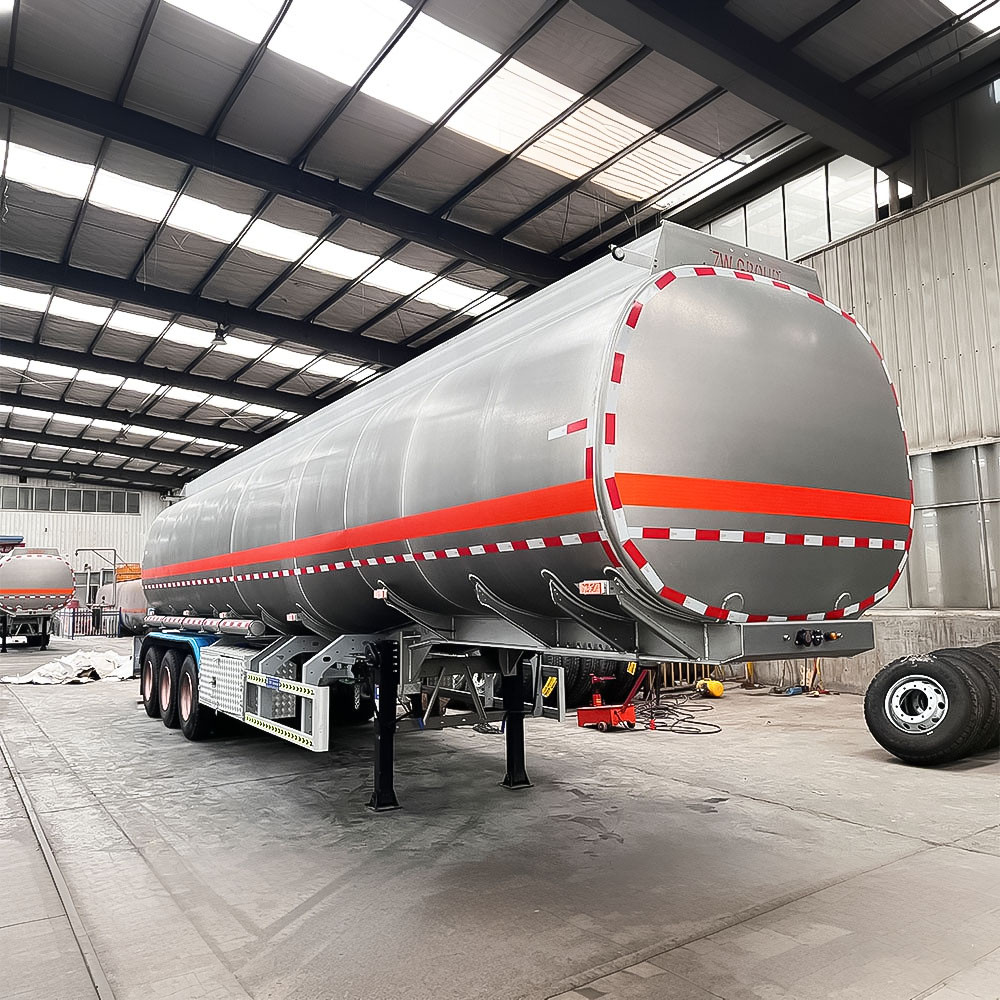
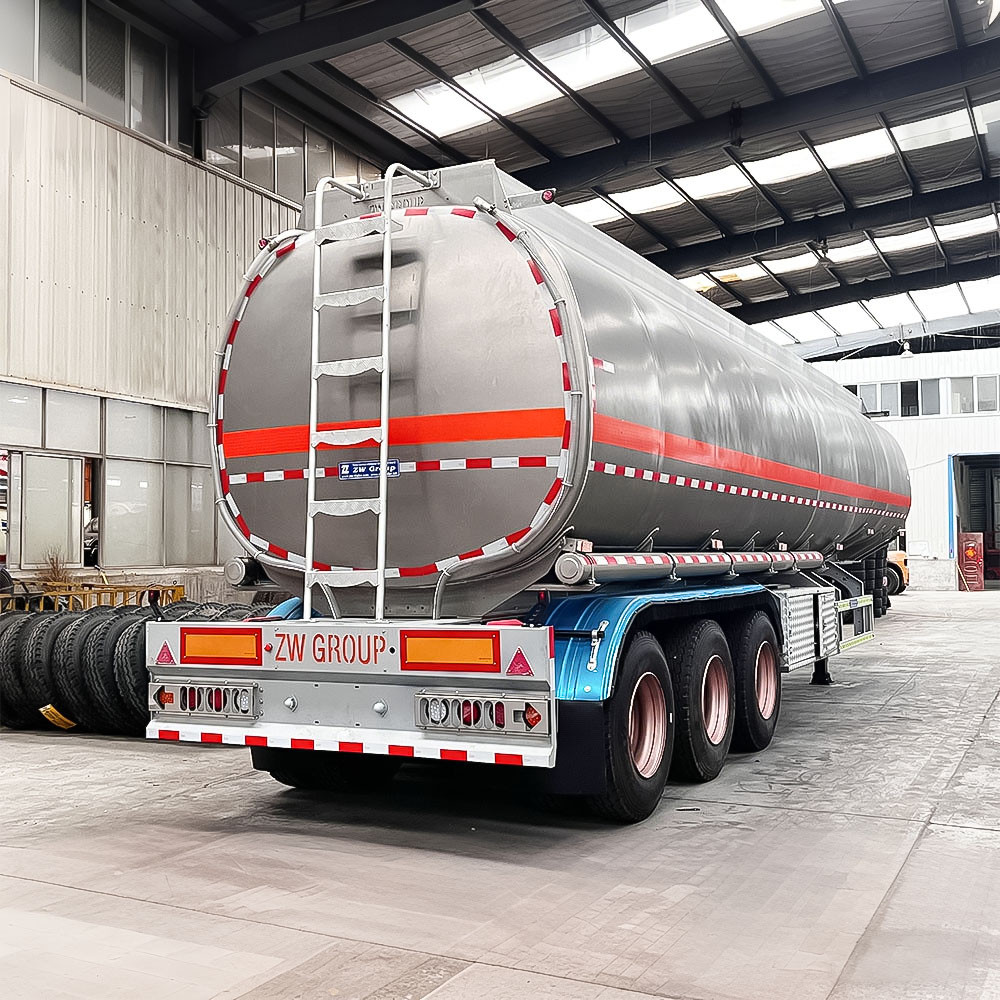
Why are Burkina Faso clients ordering fuel tank trailers and sewage trucks? For transport operators, fuel distributors, and sanitation service providers, these vehicles address two essential needs: moving fuel efficiently and managing wastewater safely. Burkina Faso’s landlocked location makes dependable road transport important, while urban expansion can create additional demand for sewage collection where sewer connections are unavailable. Choosing suitable equipment means considering road conditions, tank capacity, safety features, and maintenance support—not just purchase price.
The two vehicle types serve different businesses, but their purchasing logic often overlaps. Both carry liquid loads, depend on reliable pumping or discharge systems, and earn their keep through repeated working cycles. A vehicle that looks economical on a quotation can become expensive if it cannot reach customers, spends too long unloading, or needs parts that are difficult to obtain.
Fuel transport starts with the route, not the tank size
Burkina Faso has no direct access to a seaport. Its supply chains depend on inland transport connections with coastal countries. For petroleum distribution, this makes road tankers relevant to both cross-border supply movements and deliveries between storage facilities, service stations, and commercial users. The exact route matters: border procedures, road conditions, loading arrangements, and delivery restrictions can all affect vehicle productivity.
Fuel demand also extends beyond retail filling stations. Construction equipment, agricultural machinery, backup generators, and mining operations may need deliveries outside major urban centers. A trailer working mainly between paved-road depots faces a different duty cycle from one regularly entering an unpaved industrial site. Specifying both vehicles identically simply because they carry diesel overlooks the work they actually do.
A larger tank can reduce the number of trips needed to move a given volume, but only if the tractor, route, axle limits, and receiving facilities can accommodate it. Nominal tank capacity is not the same as usable legal payload. Fuel density, vehicle tare weight, permitted gross weight, and axle-load distribution all need to be considered together.
There is also a delivery-pattern question. A distributor serving several stations may benefit from separate compartments, allowing planned quantities or different compatible products to travel on one trip. A dedicated bulk movement between two facilities may favor a different arrangement. Compartment layout should follow the loading and delivery plan, rather than a standard configuration chosen without discussion.
The discharge system can decide whether a trailer is useful
Before ordering a fuel tank trailer, establish how each destination receives fuel. Is gravity discharge possible? Does the receiving site provide a pump, or must the vehicle carry one? Are hose connections compatible? Does the customer require measured delivery? These questions influence piping, valves, pump selection, hose storage, and any metering equipment.
For example, a trailer intended for a depot with established unloading equipment may not need the same onboard arrangement as one delivering to remote generator installations. This is an operating scenario, not evidence that one configuration suits every Burkina Faso buyer. The right choice depends on the receiving infrastructure and the products being transported.
Petroleum service requires more than a leak-free tank. Buyers should verify material compatibility, compartment integrity, venting arrangements, emergency isolation, bonding provisions, and protection of vulnerable discharge fittings. Applicable dangerous-goods requirements and loading-terminal rules must be checked for the actual operating countries. A general claim of “international standard” does not establish that a trailer will be accepted at a particular terminal.
Sewage trucks answer a different transport problem
Where properties use septic tanks, holding tanks, or other onsite sanitation systems, wastewater and sludge eventually need removal. Vacuum sewage trucks provide that collection service and transport the material to an authorized receiving facility. For operators working around Ouagadougou, Bobo-Dioulasso, or smaller towns, demand should be assessed by service area rather than assumed from population growth alone.
The condition of the material matters. Relatively fluid wastewater is not the same pumping challenge as settled septic sludge. Thick material, debris, and poor access can lengthen a job considerably. A basic vacuum tanker should not automatically be described as suitable for every pit or blocked drain; some work requires additional equipment, pretreatment, or a different service method.
Truck size creates a practical trade-off. More tank volume may mean fewer disposal trips, but a larger chassis can struggle with narrow streets, tight compounds, or limited turning space. A smaller truck may reach more customers yet lose productive hours traveling repeatedly to a distant treatment facility. Neither is inherently better. The decision depends on access, collection volumes, travel distance, and the receiving facility’s opening arrangements.
A useful purchasing exercise is to map a representative working day: drive to the customer, position the truck, deploy hoses, extract the material, secure the equipment, travel to disposal, unload, and clean up. Tank capacity affects only part of that cycle. Hose handling, pump performance, and disposal access can be equally important bottlenecks.
Ask what the vacuum pump rating actually means
A quoted pump airflow figure alone does not tell a buyer how quickly a septic tank will be emptied. Actual performance depends on vacuum level, suction height, hose diameter and length, leaks, material characteristics, and the pump’s permitted operating cycle. Performance figures should be compared under stated conditions, not treated as interchangeable brochure numbers.
The sewage tank must also be designed for its intended vacuum duty. Buyers should ask about overfill protection, liquid carryover protection for the pump, pressure and vacuum relief arrangements, and safe cleaning access. If pressure-assisted discharge is offered, the vessel and protective devices must be suitable for that operating mode. Workers should not enter a sewage tank without a properly managed confined-space procedure.
Legal disposal is part of the business model, not an issue to solve after delivery. Before committing to a vehicle, confirm where collected waste can be accepted, what material the facility permits, and how access or disposal charges affect each job. A technically capable truck cannot compensate for an unavailable disposal route.
Local operating conditions change the specification
Heat, dust, and variable road surfaces deserve attention, but they should not become excuses for adding every heavy-duty option. The relevant question is where the vehicle will work. Regular travel on rough access roads may justify particular suspension, tire, ground-clearance, and mounting choices. Mainly paved-road operation may lead to different priorities.
Liquid movement also affects handling. Compartmentation and internal surge-control design should match the cargo and intended service. Brakes, suspension, axle loading, and tractor compatibility need to be evaluated as a complete vehicle combination. Adding steel indiscriminately can raise tare weight and reduce revenue-carrying capacity without addressing the actual failure risk.
For sewage trucks, confirm chassis payload after accounting for the tank, pump, hoses, accessories, crew, and collected material. For fuel trailers, check fifth-wheel compatibility, coupling height, brake connections, and the tractor’s rated operating limits. Equipment described as “compatible” should be supported by dimensions and specifications.
Maintenance access is another selection criterion. A pump fitted into a cramped space can turn routine servicing into a lengthy repair. Exposed valves may be vulnerable to impact. A locally familiar chassis or widely available consumable can sometimes be more valuable than an extra feature that depends on difficult-to-source components.
What to settle before placing an order
A useful quotation should identify the equipment clearly enough for the buyer to compare offers and prepare for operation. “Fuel trailer” or “sewage suction truck” is not a sufficient specification. Before paying a deposit, resolve the following points:
- Duty and load: State the fuel products or wastewater types, expected routes, delivery pattern, and legal loading constraints.
- Equipment identity: Request chassis, axle, pump, valve, and other major component details, including model references where applicable.
- Acceptance checks: Agree on documented tank testing appropriate to its design, functional pump checks, safety-device checks, and vehicle inspection requirements.
- Handover materials: Confirm operating instructions, maintenance schedules, parts references, and documentation needed for import and registration.
- Support terms: Clarify warranty exclusions, claim procedures, spare-parts availability, and who pays shipping or labor when repairs are required.
Cross-border purchasing adds another layer. Confirm the transport route, delivery responsibilities, insurance arrangements, customs documentation, and any local vehicle approval requirements before shipment. These details need verification for the specific transaction; they should not be inferred from a supplier’s previous delivery to a neighboring country.
Training should cover normal operation and foreseeable mistakes. Fuel crews need clear loading, unloading, and spill-response procedures. Sewage crews need instruction on suction operation, overfill prevention, hygiene, and safe disposal. Even robust equipment can suffer early damage when operators misunderstand valve positions or keep a pump running outside its permitted duty.
Buy for the work the vehicle can complete
The practical reasons for ordering fuel tank trailers and sewage trucks in Burkina Faso are straightforward: businesses need dependable fuel distribution and workable wastewater collection. That does not prove any particular rate of order growth, nor does it mean the largest available vehicle is the best investment.
Compare expected revenue with the full operating burden: purchase and delivery costs, fuel use, tires, pump servicing, inspections, disposal fees where relevant, and downtime. A modestly sized vehicle that completes its planned route reliably may be a better choice than a higher-capacity unit that cannot access customers or meet loading restrictions.
Before selecting a model, document one representative fuel-delivery route or sewage-collection day and review it with the supplier. Match the tank, chassis, pumping system, safety provisions, and parts support to that work. Any unresolved detail—especially legal payload, unloading compatibility, suction performance, or disposal access—belongs in the purchasing discussion, not on the list of surprises after the vehicle arrives.
Please give us a message
Our engineers help you choose the right truck or trailer based on:
- Your cargo type
- Road condition
- Payload requirement
- Local regulations