
Why Burkina Faso Buyers Choose ZW Shacman Dump Trucks?

On a haul road outside a construction site or quarry in Burkina Faso, the first concern is rarely appearance. The practical questions are whether the truck can climb with a loaded body, keep traction on loose surfaces, tolerate heat and dust, and return for the next cycle without losing time to avoidable repairs. A dump truck that performs well only on smooth roads can become an operating problem once it faces uneven access routes, long working hours, overloaded expectations, and limited service access.
This is why Burkina Faso buyers often look closely at ZW Shacman dump trucks when comparing heavy-haul options. The main reason is not simply the name on the grille. Buyers are usually looking for a truck platform that can be specified for demanding payload work, adapted to local operating conditions, and maintained with parts and technical support that match the fleet’s real situation. The decision normally comes down to durability, configuration, operating discipline, and after-sales readiness rather than a single advertised feature.
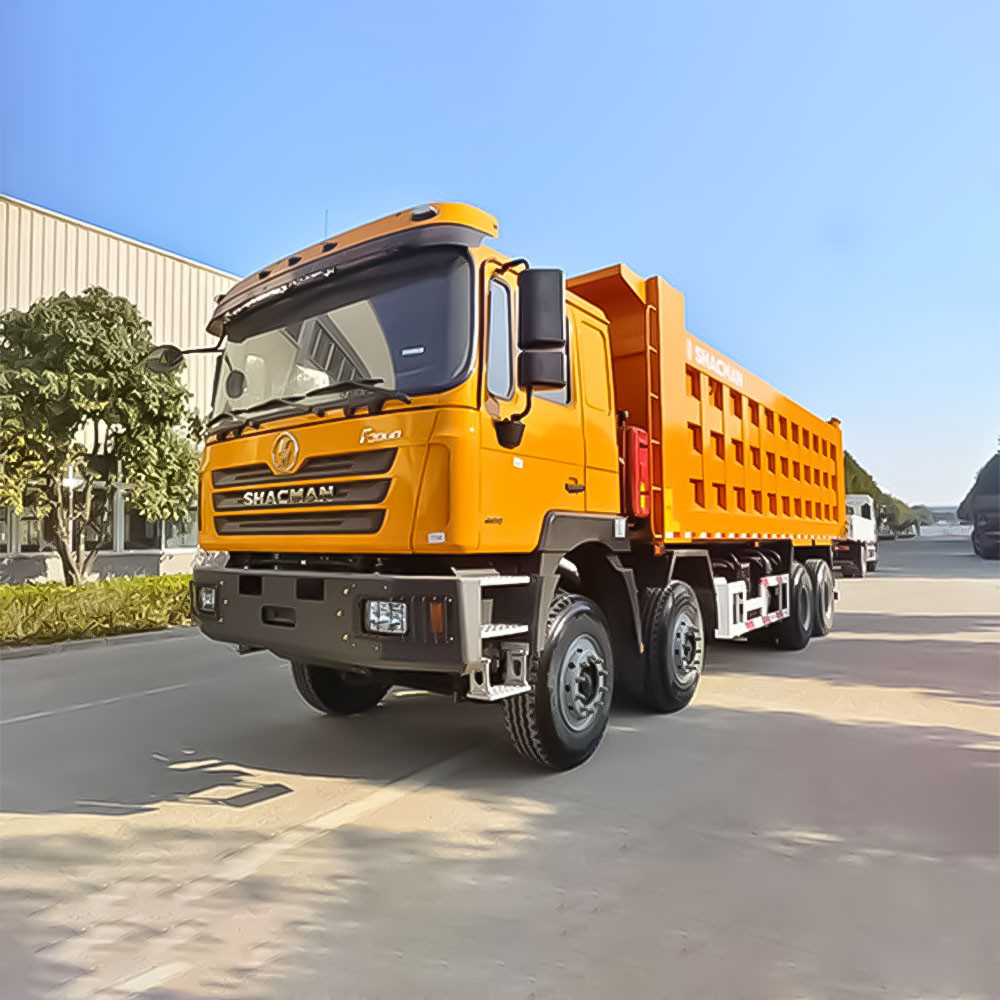
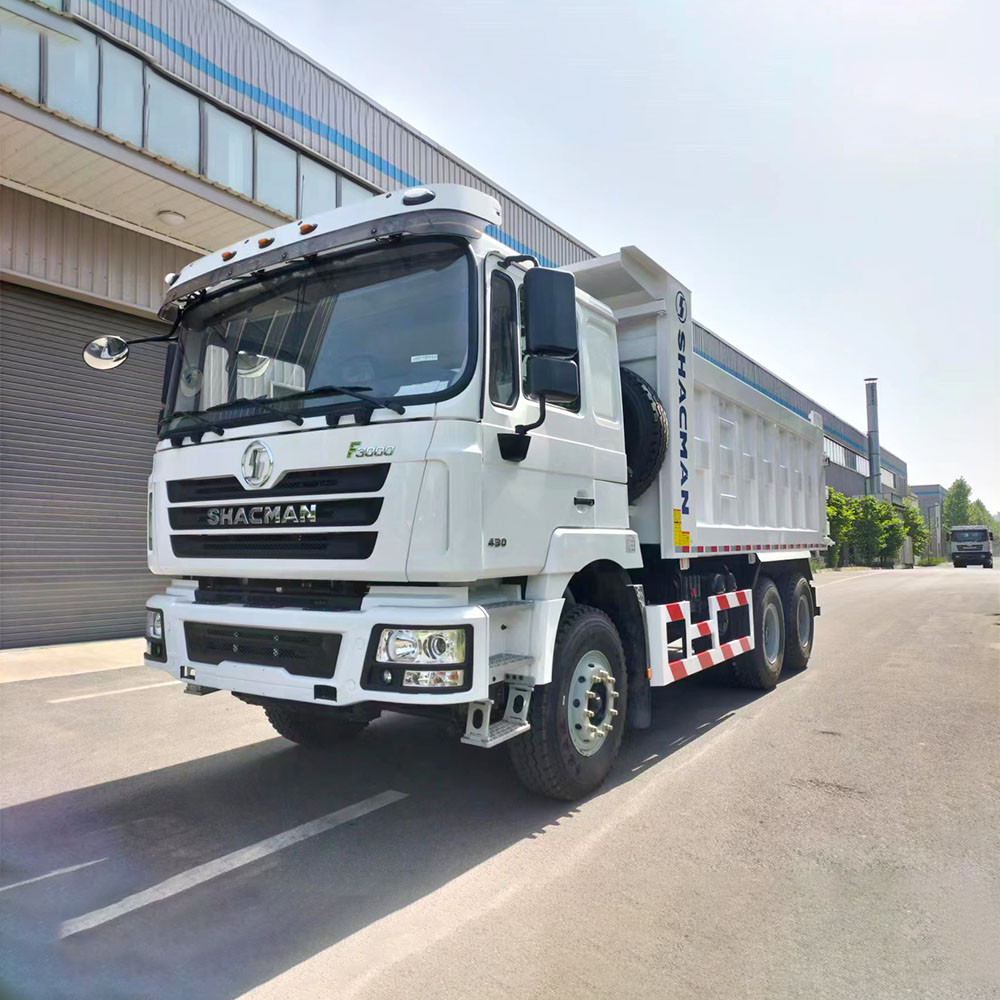
The operating environment changes what “reliable” means
Dump truck selection in Burkina Faso is closely tied to the worksite rather than the vehicle brochure. A truck assigned to municipal earthmoving, road base transport, mine support, or aggregate delivery may travel on paved sections, but its hardest work often happens after leaving the main road. Rutted paths, steep ramps, unprepared loading areas, dust-heavy quarry routes, and soft ground place stress on the chassis, suspension, tires, driveline, and tipper body.
High ambient temperatures add another layer of pressure. Cooling performance, lubrication condition, brake behavior, tire heat buildup, and hydraulic-system cleanliness all matter more when the truck is working at high load through long, hot shifts. Dust is equally important. It can shorten filter life, contaminate lubricants, affect electrical connections, and accelerate wear where routine inspections are delayed.
Buyers considering ZW Shacman dump trucks often value the possibility of selecting a heavy-duty configuration instead of treating all dump trucks as interchangeable. The axle arrangement, engine output range, transmission type, suspension design, body volume, steel thickness, tire specification, and hydraulic lifting system should be selected around the route and material. A truck used for dry sand does not require exactly the same body and drivetrain balance as one hauling dense laterite, stone, or blasted rock.
Payload is important, but matching payload to the route matters more
A common purchasing mistake is to focus on nominal body volume or maximum payload without asking how the truck will actually be loaded and driven. Larger body capacity can be useful for low-density materials, yet it may encourage excessive loading when the truck carries dense aggregate or wet soil. Overloading affects braking distance, fuel use, axle stress, tire life, suspension wear, and the stability of the vehicle during tipping.
Experienced fleet managers normally begin with the material, not the body size. They consider whether loads are light and bulky, compact and heavy, abrasive, wet, or prone to sticking inside the body. This determines whether the body should prioritize volume, wear resistance, reinforcement, or a combination of these features.
For this reason, a buyer should ask the supplier to clarify the permitted payload, recommended application, axle capacities, and body option for the intended material. The best specification is not necessarily the largest one. It is the one that can complete repeated cycles without forcing the operator to exceed its safe working limits.
Chassis strength is only useful when the specification is coherent
ZW Shacman dump trucks are often considered by buyers who need a robust work-truck layout, but a strong chassis alone does not guarantee a suitable vehicle. The surrounding components must be matched correctly. A heavy body fitted to an unsuitable suspension arrangement, for example, may create unnecessary stress. An engine chosen only for peak power may not provide the most useful torque behavior for low-speed climbing. A transmission with unsuitable ratios can make the truck less efficient on the actual route.
Before placing an order, buyers should describe the operating cycle in plain terms: loading method, average distance, road surface, maximum gradient, expected daily trips, material type, and whether the truck will wait for long periods at loading points. These details help determine whether the priority should be low-speed pulling ability, highway cruising, ground clearance, reinforced suspension, or easier maneuvering.
Axle configuration deserves particular attention. More axles may improve load distribution and stability for certain applications, but they can also affect turning radius, tire cost, and ease of movement on tight sites. A configuration that works well on a broad quarry road may be less convenient on narrow urban construction access roads. The buyer should not assume that one layout is automatically better; it must fit the route, legal load requirements where applicable, and operating method.
Questions worth resolving before confirming a chassis
- What material will be carried most often, and what is its approximate density?
- Will loading be controlled by a weighbridge, loader operator judgment, or fixed bucket counts?
- Are haul roads mostly flat, or will the truck repeatedly climb loaded?
- Will the vehicle operate on paved roads between sites?
- How much room is available for turning, reversing, and positioning under the loader?
- Is the workshop equipped to handle the proposed tire size, axle components, and hydraulic system?
These are operational questions, not paperwork. They help prevent a mismatch that may only become obvious after the truck begins work.
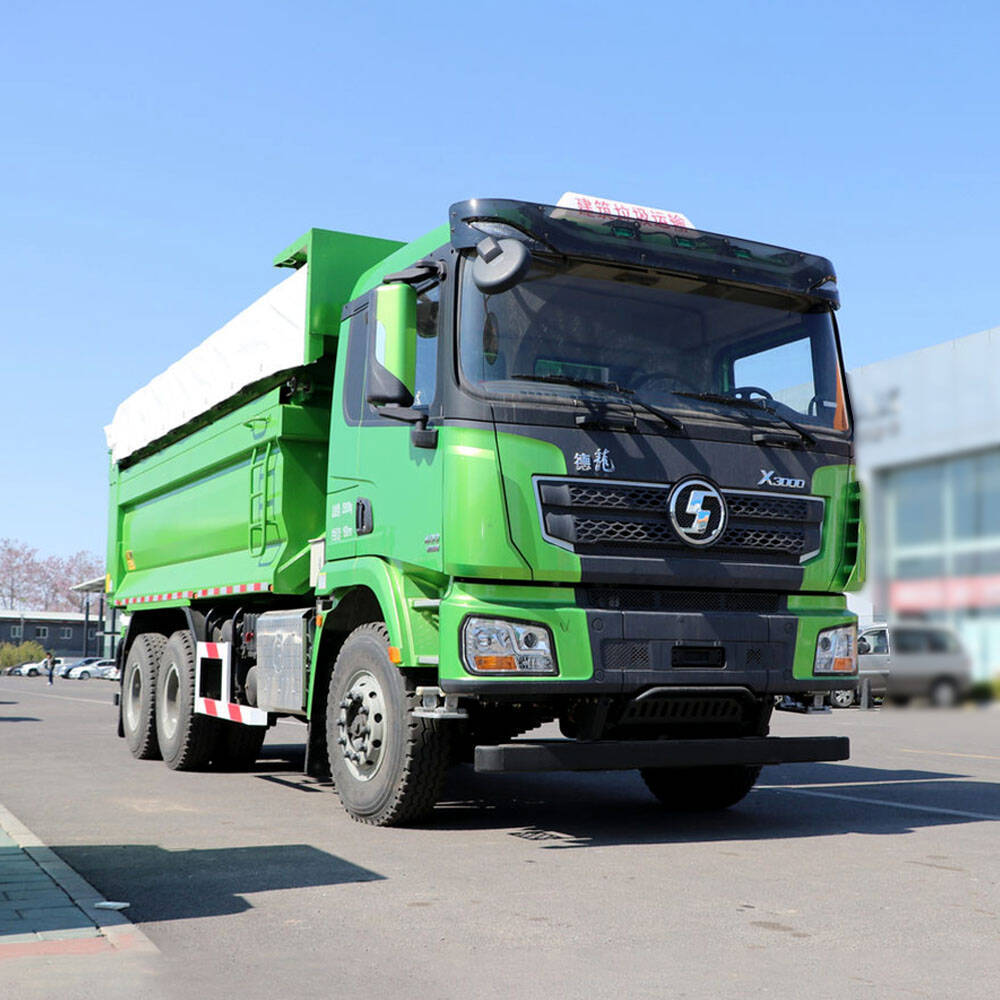
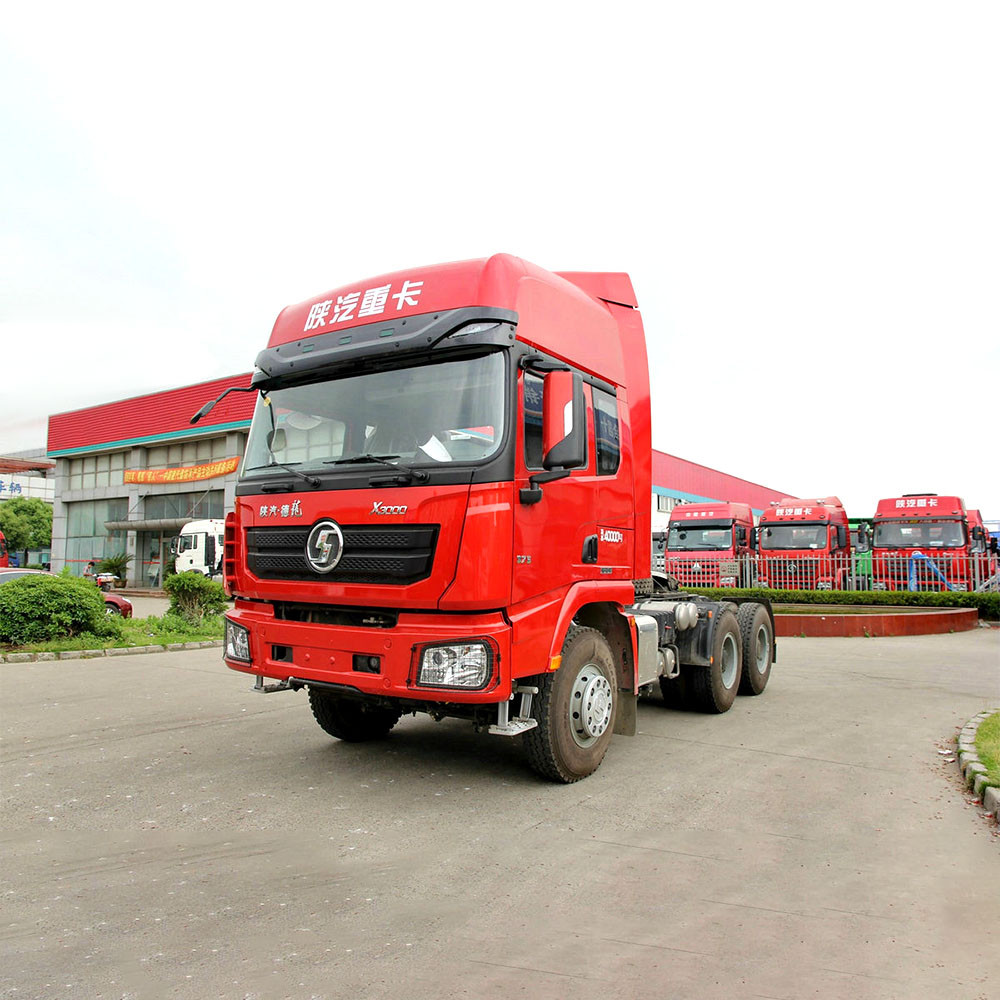
Heat, dust, and maintenance access influence ownership costs
Purchase price is visible at the beginning of the decision. Downtime, parts availability, fuel consumption, tire replacement, and repair delays become visible later. In hard-duty haulage, the truck with the lower initial price is not always the less expensive unit to run. Conversely, a more heavily specified truck can also become wasteful if its capability is far beyond the actual job.
Burkina Faso buyers commonly assess whether routine service items can be managed consistently: air filters, fuel filters, oil filters, belts, hoses, brake components, seals, lubricants, and wear parts. For a ZW Shacman dump truck or any comparable heavy vehicle, the availability of the correct parts should be discussed before delivery, not after the first maintenance interval is missed.
Dust control is a practical example. In a clean operating environment, air-filter servicing may follow a regular timetable with little variation. On dusty haul roads, filter condition may need more frequent inspection. Waiting until power feels weak or fuel use rises can allow contamination risk to increase. The same principle applies to cooling-system cleanliness and hydraulic oil condition. Heat and dust do not always cause immediate failure; they often shorten component life gradually.
A buyer should therefore ask for a maintenance plan that reflects actual site conditions. This includes daily driver checks, scheduled workshop inspection points, lubricant recommendations, and a clear procedure for reporting early faults. A fleet that notices loose fasteners, fluid seepage, tire damage, unusual exhaust behavior, or slow tipping response early will generally avoid more serious interruptions later.
Drivers need a truck that can be operated consistently
Reliability is partly mechanical and partly operational. Even a well-configured dump truck can suffer premature wear when drivers routinely overload it, descend slopes in the wrong gear, tip on uneven ground, ignore warning indicators, or continue working after a tire or hydraulic issue appears. Buyers selecting ZW Shacman dump trucks should include driver familiarity in the purchase decision, especially where fleets include operators moving from smaller or different vehicle types.
The tipping process is one area where worksite conditions matter. A raised body changes the vehicle’s center of gravity. Uneven ground, side slope, material sticking to one side of the body, soft dumping surfaces, and moving before the body is fully lowered can all create risk. The truck’s hydraulic system and body design are important, but disciplined operating procedure remains essential.
A workable site routine usually requires drivers to check the dumping area before reversing, align the truck on firm and reasonably level ground, confirm that no person or equipment is within the hazard zone, and stop the operation if the body rises unevenly or the truck begins to lean. This is not an extra administrative step. It protects the truck, the load cycle, and the people working around it.
Support capability can decide whether a fleet stays productive
For buyers in remote regions or on projects with demanding schedules, after-sales support is often as important as the base vehicle specification. A truck may be mechanically capable, yet long delays for routine parts or unclear responsibility for technical issues can disrupt the fleet. Before choosing a supplier, it is sensible to confirm what support is actually available for the proposed ZW Shacman dump truck configuration.
The discussion should be specific. General statements that parts are available are less useful than confirmation of which fast-moving service items can be supplied, whether common wear components are identified in advance, and how technical troubleshooting is handled. Buyers should also verify that the delivered vehicle documentation matches the actual engine, transmission, axle, and hydraulic configuration. This reduces confusion when parts are ordered later.
For fleets purchasing multiple units, keeping a sensible stock of fast-moving consumables and selected wear parts may reduce avoidable downtime. The exact list depends on operating conditions, but filters, belts, hoses, lamps, basic seals, and commonly replaced brake-related components are often easier to plan for than emergency repairs. Stocking parts should be based on expected maintenance needs, not on an assumption that every component will fail quickly.
Why buyers compare the whole working package
The strongest reason Burkina Faso buyers choose ZW Shacman dump trucks is usually the search for a practical hauling package: a truck configured for difficult routes and loads, supported by realistic maintenance planning, and operated within its intended limits. The truck itself matters, but so do the body choice, tires, axle layout, parts strategy, driver training, and loading control.
A buyer evaluating options should be cautious of two extremes. One is choosing a basic specification that cannot tolerate the site. The other is paying for a highly specialized configuration that adds cost without solving a real operating problem. The useful middle ground is a vehicle specification built around the material, route, climate, daily cycle, and maintenance capacity.
When those details are defined before purchase, ZW Shacman dump trucks can be assessed on the factors that matter after delivery: whether they carry the intended load safely, move reliably across the actual route, allow routine service to be completed on time, and support steady haulage rather than creating new bottlenecks for the project.
Please give us a message
Our engineers help you choose the right truck or trailer based on:
- Your cargo type
- Road condition
- Payload requirement
- Local regulations