
Why Are Ghana Clients Choosing ZW Flatbed Semi Trailers?

As Ghana’s transportation and logistics sector expands, local businesses are increasingly relying on durable and high-performance equipment. ZW Flatbed Semi Trailers have emerged as a top choice for many Ghanaian clients due to their outstanding load capacity, strong structural integrity, and adaptability for various cargo types. This article explores why Ghana clients are choosing ZW Flatbed Semi Trailers and how these trailers help enhance efficiency and reliability across the country’s freight industry.
Market Overview: Growing Transportation Demands in Ghana
Over the past five years, Ghana has experienced annual logistics growth of roughly 7%–9%, driven by expanding trade routes and infrastructure projects connecting Accra, Tema, and Takoradi. With container shipments increasing by more than 50% since 2018, fleet operators now require flexible trailer systems capable of meeting higher payload and transit reliability demands.
Flatbed semi trailers have become increasingly popular due to their ability to transport heavy machinery, construction materials, and bulk containers over distances ranging from 150 km to 1,000 km. Compared to side-wall or enclosed models, flatbeds allow quicker loading within 10–20 minutes and support multiple cargo forms without needing complex reconfiguration.
In this competitive environment, Ghanaian buyers have shown a preference for ZW Flatbed Semi Trailers because they offer a strong balance between cost, performance, and durability. These factors are essential when operating on mixed urban-rural routes where road conditions vary widely between highways and unpaved access roads.
In addition to improved infrastructure, increased mining and construction activities across the country now account for nearly 40% of total heavy cargo movement. This further pushes demand for robust transports that can carry 30–60 tons daily while maintaining operational consistency and safety compliance.
Key Industry Drivers
- Year-on-year increase of 6%–8% in bulk material shipments.
- Increased cross-border trucking along Ghana–Burkina Faso and Ghana–Togo routes.
- Higher fuel efficiency expectations due to fluctuating diesel prices.
- Compliance with ECOWAS regional axle-load regulations.
Technical Strength: Why ZW Flatbed Semi Trailers Excel
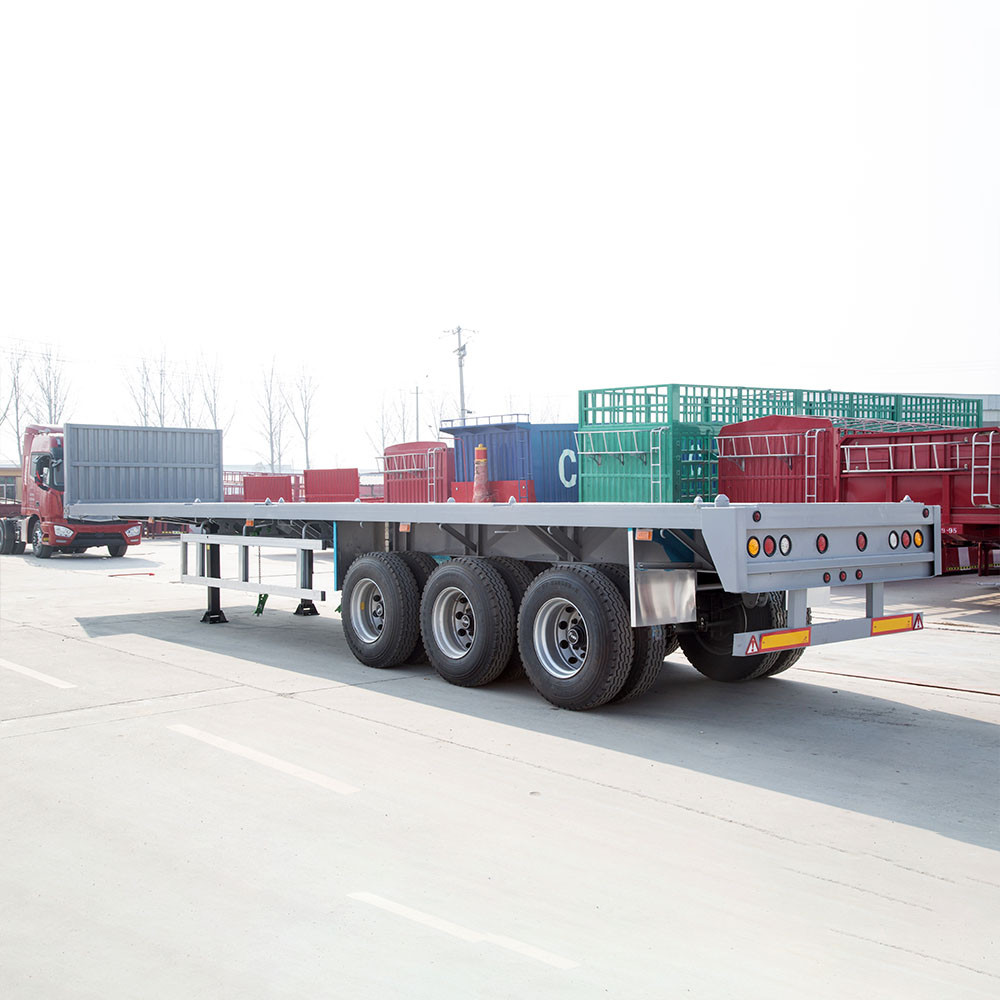
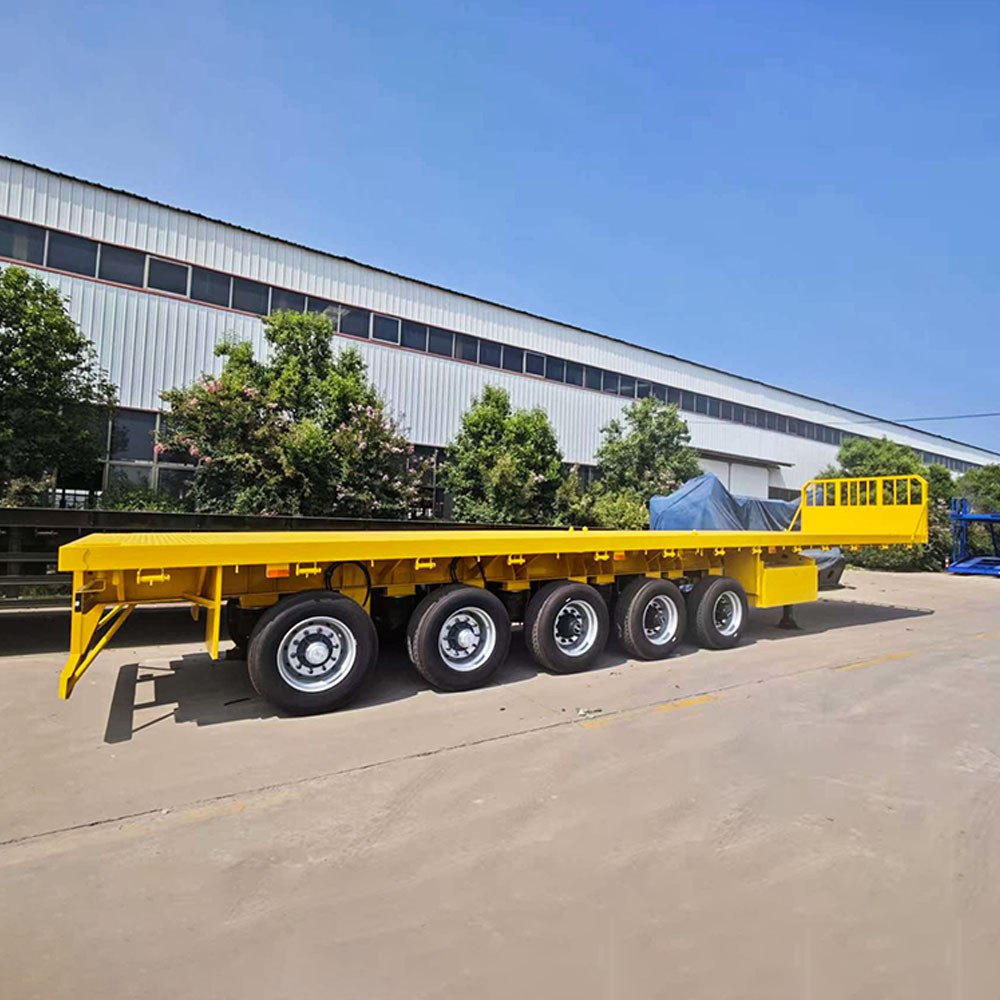
ZW Flatbed Semi Trailers are built with high-tensile steel and reinforced crossbeams that withstand continuous operation under 45–80 ton pressure loads. Their advanced welding process reduces structural fatigue by 25%–30% over a three-year period compared to typical local alternatives. The coating system protects against Ghana’s humid coastal climate, extending trailer lifespan up to 10–12 years with minimal corrosion risk.
These trailers typically feature dual or tri-axle configurations, heavy-duty suspension systems, and standardized 12V–24V brake lighting systems for regional compliance. They ensure even load distribution and stable performance on roads with vertical gradients of up to 6%. Additionally, modular deck lengths from 12 m to 16.5 m enable transporters to adapt to varying cargo demands without purchasing multiple trailer formats.
Some operators combine ZW trailers with vehicles such as the FAW J6P 6×4 390HP Dump Truck to optimize fleet synergy. This integration helps minimize fuel consumption differences of approximately 8%–10% per trip while improving fleet scheduling flexibility for mixed freight operations.
For Ghana’s rugged terrains, a trailer’s frame torsional resistance—typically measured at 55–70 kN·m—is vital to prevent structural distortion. ZW units meet these industry-standard benchmarks, ensuring reliability across both mining access routes and construction corridors.
Technical Parameter Summary
This comparison highlights clear performance advantages in both payload and lifespan. Reduced maintenance intervals—typically every 12,000 km rather than 8,000 km—further lower the total cost of ownership for Ghanaian logistics firms operating under demanding schedules.
Application Scenarios: Supporting Ghana’s Logistics Operations
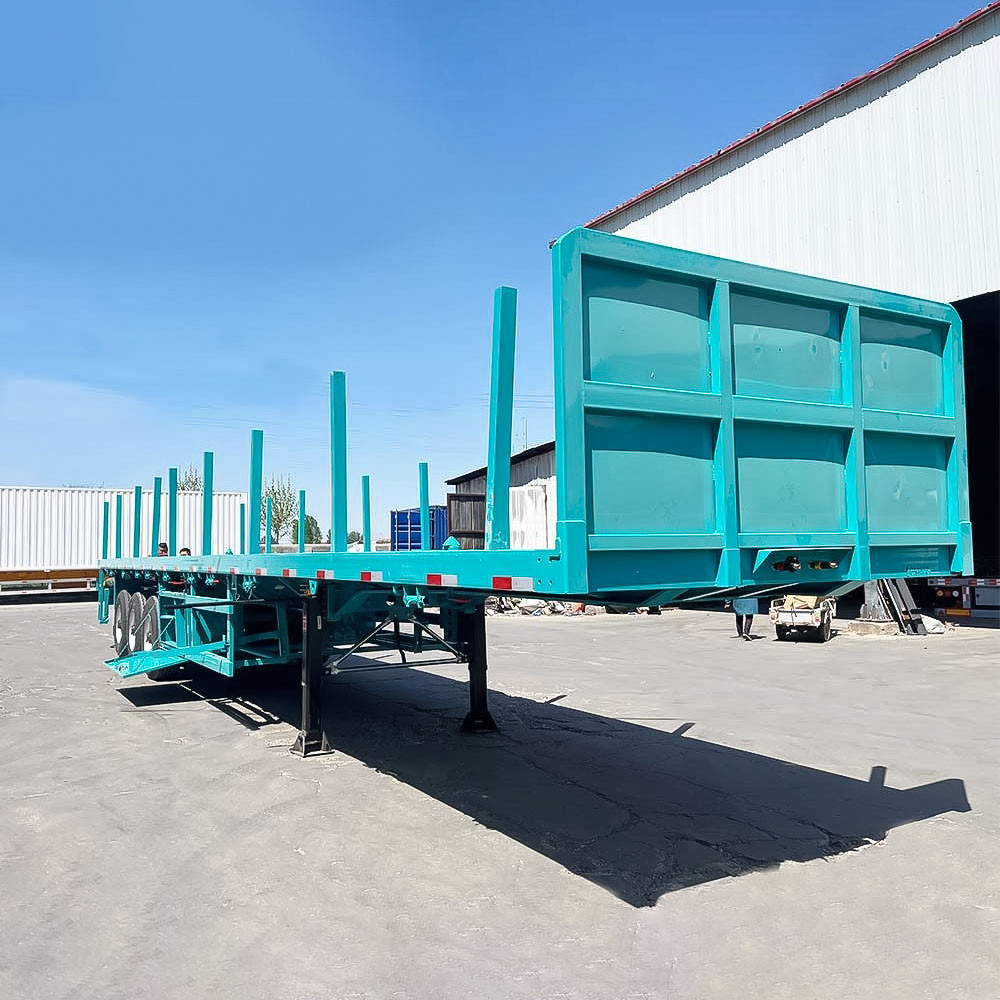
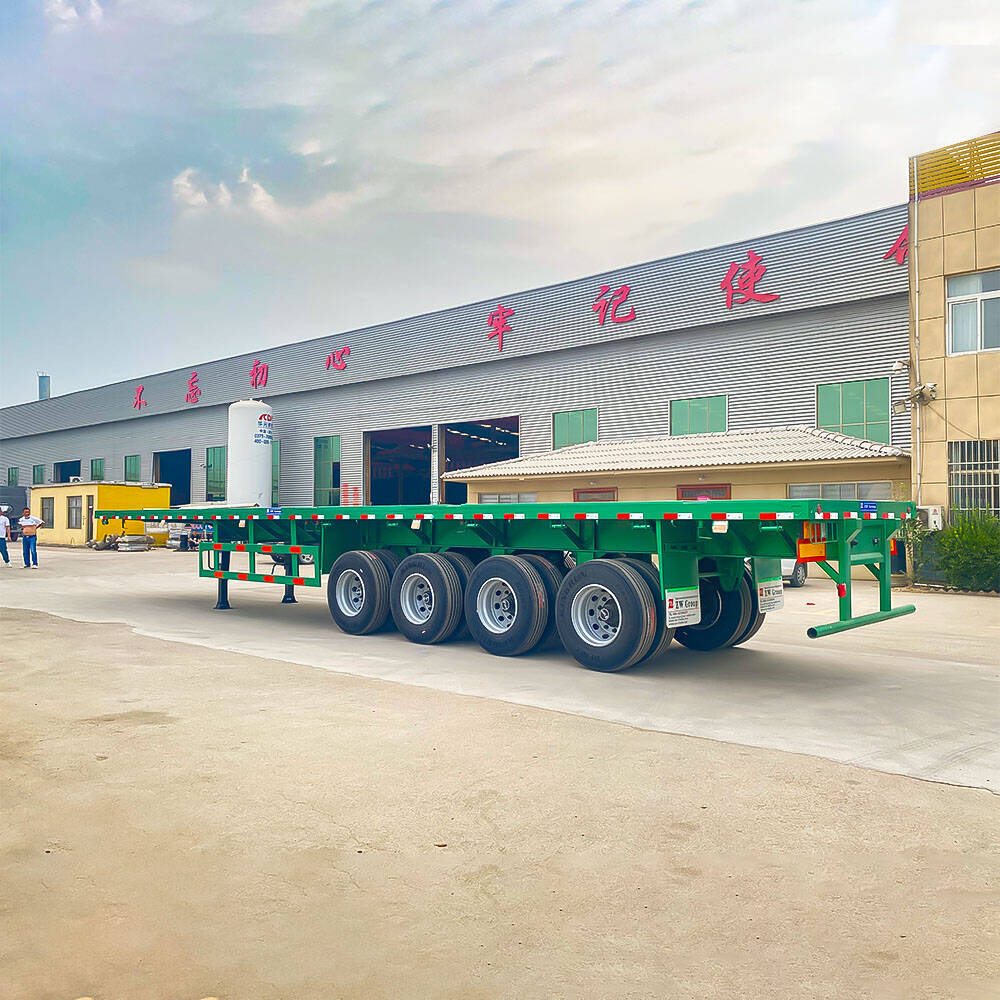
ZW Flatbed Semi Trailers are widely applied across Ghana’s logistics chain. In construction, they carry prefabricated panels, steel beams, and cement blocks with typical round-trip cycles of 2–3 days. In agriculture, they move bulk fertilizer, grain, or palm products during peak harvest seasons, where cargo turnaround speed is critical.
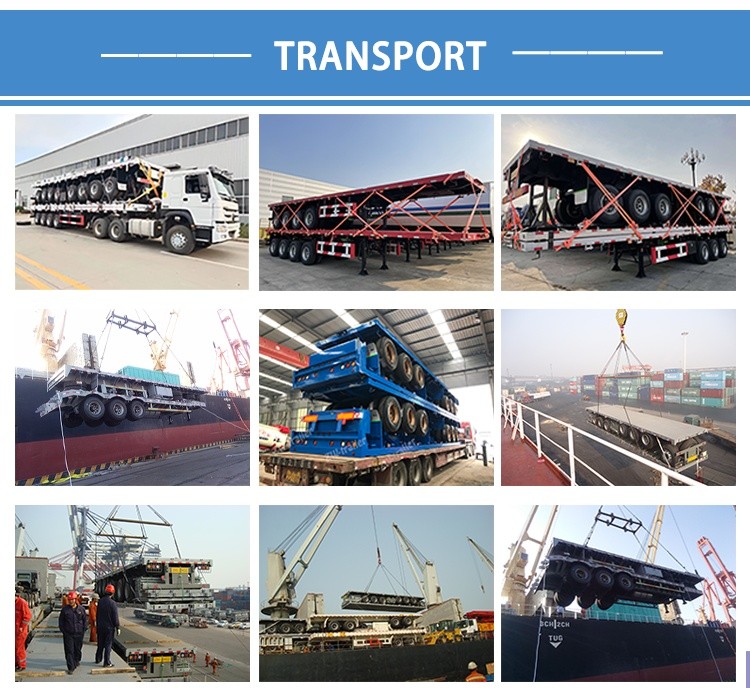
For port logistics, especially around Tema and Takoradi, operators report improved offloading efficiency of 15%–20% due to faster cargo tie-down systems. Each trailer allows simultaneous accommodation of 2 × 20 ft or 1 × 40 ft containers, aligning with regional hub standards for mixed freight combinations.
Additionally, quarry operators in the Ashanti region pair these trailers with power units like the FAW J6P 6×4 390HP Dump Truck for material feed transport, achieving daily load volumes of approximately 500–700 tons under stable axle pressure. This integration mitigates wear on local roads while maintaining consistent turnaround efficiency.
The adaptability of ZW’s modular structure also supports niche logistics such as wind turbine component delivery, which often requires custom deck extensions spanning up to 18 m. This ability reduces deployment downtime by roughly 25% in specialized infrastructure projects.
Typical Application Segments
Each application demonstrates the trailer’s adaptability across high-volume sectors. Its consistent axle load tolerance of 13 t per axle ensures balanced support and extended tire life, which benefits operators managing fleets over 20–50 units.
Procurement Guide: What Ghana Buyers Should Consider
Choosing the right trailer goes beyond upfront cost. Ghanaian buyers should evaluate factors like structural certification, after-sales service intervals, and the supplier’s ability to deliver within 30–45 days. ZW typically supports customizable deck specifications and offers technical documentation in accordance with ISO/TS standards, ensuring compliance with ECOWAS transit guidelines.
Procurement teams are advised to compare key criteria, including axle spacing, fifth wheel height, and paint coating thickness (commonly 65–90 μm). These elements directly influence long-term maintenance costs and resell value within 5–7 years of operation.
Furthermore, logistics firms handling multiple trailer types should assess interoperability for fleet consistency. ZW’s modular electrical coupling and adjustable suspension mechanisms reduce incompatibility issues by approximately 40% across mixed-vehicle fleets.
An effective procurement check process can be summarized as follows:
- Define load requirements (in tons per trip or per day).
- Review frame material standards and verify technical drawings.
- Confirm axle distribution ratio and tire specifications.
- Evaluate supplier’s warranty period, typically 12–24 months.
- Run a performance test over at least 500 km pre-deployment.
FAQ: Common Questions from Ghana Clients
What is the typical delivery time for ZW Flatbed Semi Trailers?
Most standard models require about 25–40 days for production and inland shipping, depending on configuration. Custom-length or reinforced designs might add another 7–10 days due to specialized fabrication and testing steps.
How often should maintenance be performed?
Routine checks every 10,000–12,000 km are recommended, including brake systems and suspension linkages. Regular lubrication intervals of 2–3 months help extend bushing lifespan, especially under Ghana’s humid and dusty environment.
Are spare parts readily available?
ZW maintains distribution partners across West Africa offering replacement parts such as axle hubs, air chambers, and couplers. Typically, lead times range from 3 to 7 days within Ghana’s major cities.
What certifications should a buyer look for?
It is advisable to look for ISO 9001 quality management compliance and ECOWAS axle-load conformity. These ensure the trailer meets both local and export logistics standards without regulatory impediments.
Why Choose Us for Your Ghana Fleet Expansion
Ghana’s haulage and logistics operators deserve equipment that performs consistently and meets project delivery schedules. ZW Flatbed Semi Trailers combine proven durability, engineering precision, and region-focused support. Whether transporting heavy construction equipment or bulky agricultural cargo, choosing our solutions helps maximize uptime while minimizing service interruptions.
Clients are encouraged to consult our technical team for detailed specification matching, including load optimization, deck configuration, and regional compliance adaptation. Through an integrated consultation process of 3–4 steps—requirement definition, model selection, configuration confirmation, and delivery scheduling—you can finalize the ideal transport solution in less than two weeks of coordination.
To discuss customized configurations, confirm chassis dimensions, or receive a quotation for your fleet integration plan, please contact our logistics equipment specialists. We support full-cycle engagement covering parameters, delivery timelines, and after-sale maintenance guidance, ensuring your fleet achieves reliable, compliant performance on Ghana’s roads.
Please give us a message
Our engineers help you choose the right truck or trailer based on:
- Your cargo type
- Road condition
- Payload requirement
- Local regulations